





 Portuguese
  English
  Spanish
  4 min of reading
  0 comments


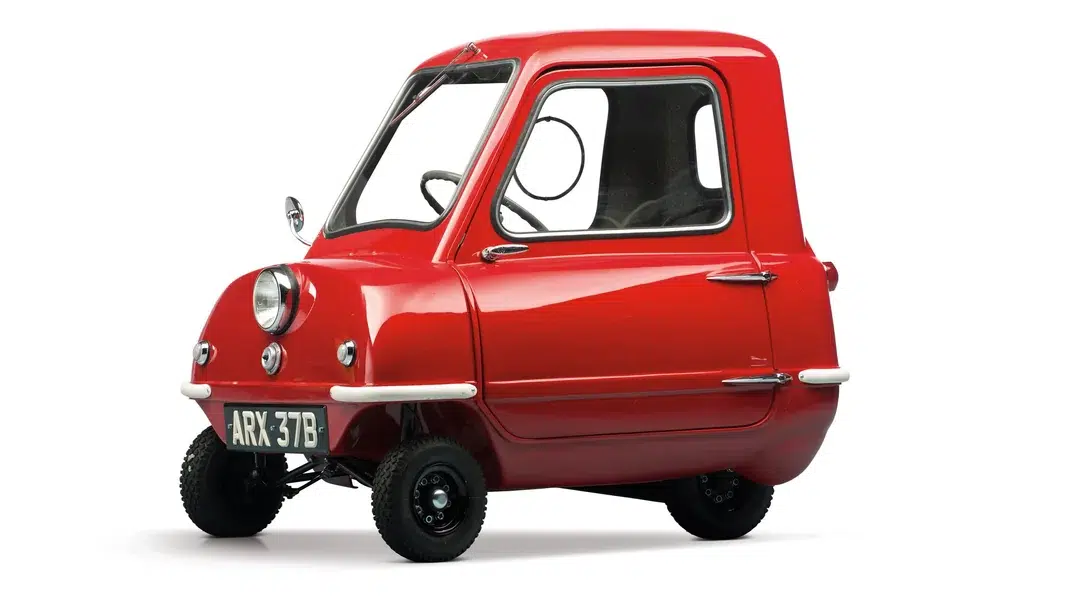
Among All The Cars Ever Made, One Model Stands Out For Having One Of The Weakest Engines In History. With Only 4.2 Hp, It Hardly Reaches 60 Km/H! Discover What This Vehicle Is And Why It Was Created!
If you think that a car with a 50-horsepower engine is weak, imagine a vehicle with only 4.2 hp. It sounds like a joke, but this car existed – and still exists. It’s the Peel P50, the smallest and least powerful car ever produced in series, which became an automotive legend for its unusual design, peculiar history, and impact on pop culture.
A Toy Car? Not Really!
The Peel P50 was developed in the 1960s by Peel Engineering Company, a company located on the Isle of Man, United Kingdom.
Its concept was simple: to create an extremely compact and economical vehicle for urban commuting.
-
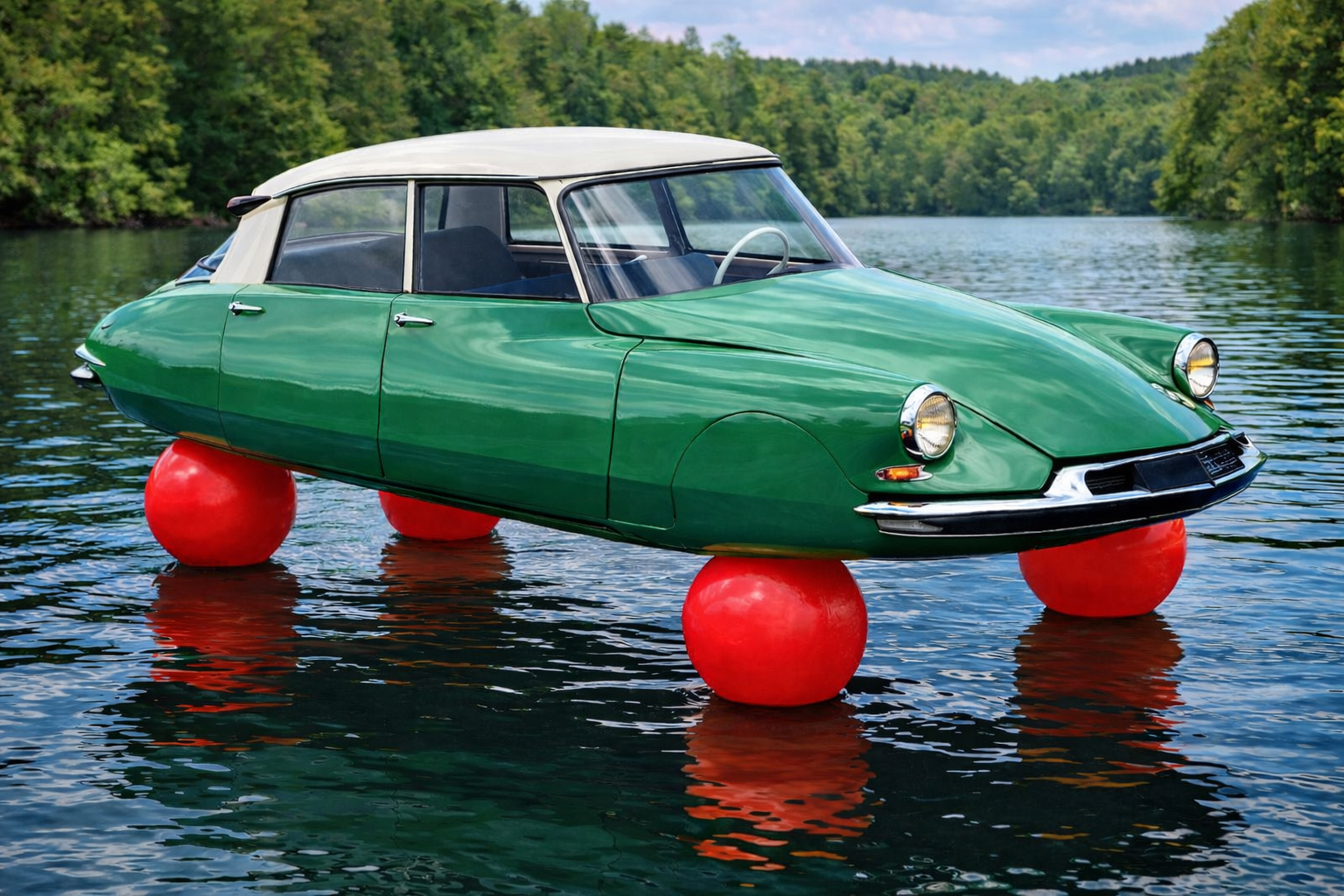
A French brand placed a car on four huge red balloons to prove that its suspension made the vehicle “float,” and the surreal scene became one of the most iconic and unusual images in automotive history.
-
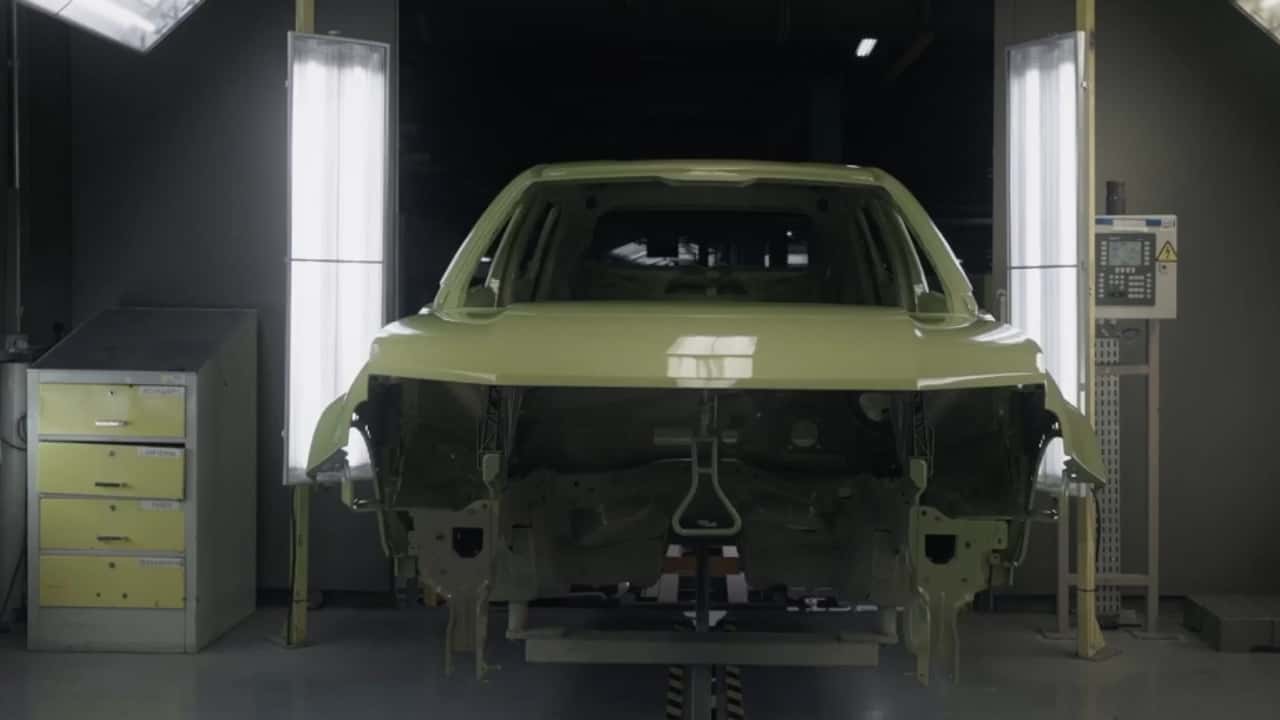
Jeep Avenger begins production in Brazil, debuting as the brand’s new entry-level SUV and inaugurating an unprecedented phase by becoming the first national Jeep manufactured outside of Goiana, as part of a R$ 3 billion plan.
-
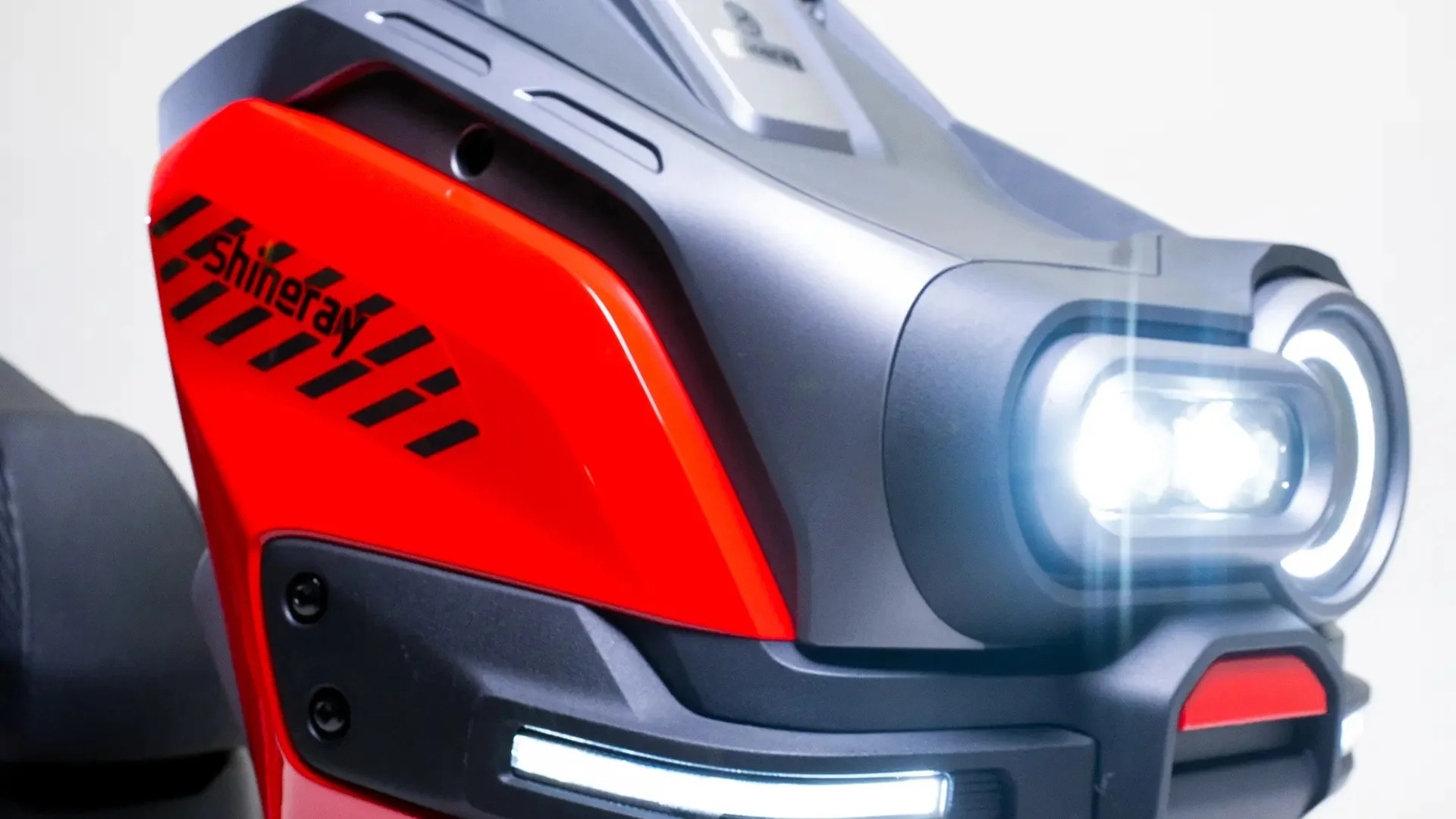
Costing R$ 12,490, the new Shineray Urban Lite 150 “cheap one” arrives in Brazil with a CVT transmission, digital dashboard, and LED lights, making it more affordable than the Biz and targeting those who want to abandon the bus.
-
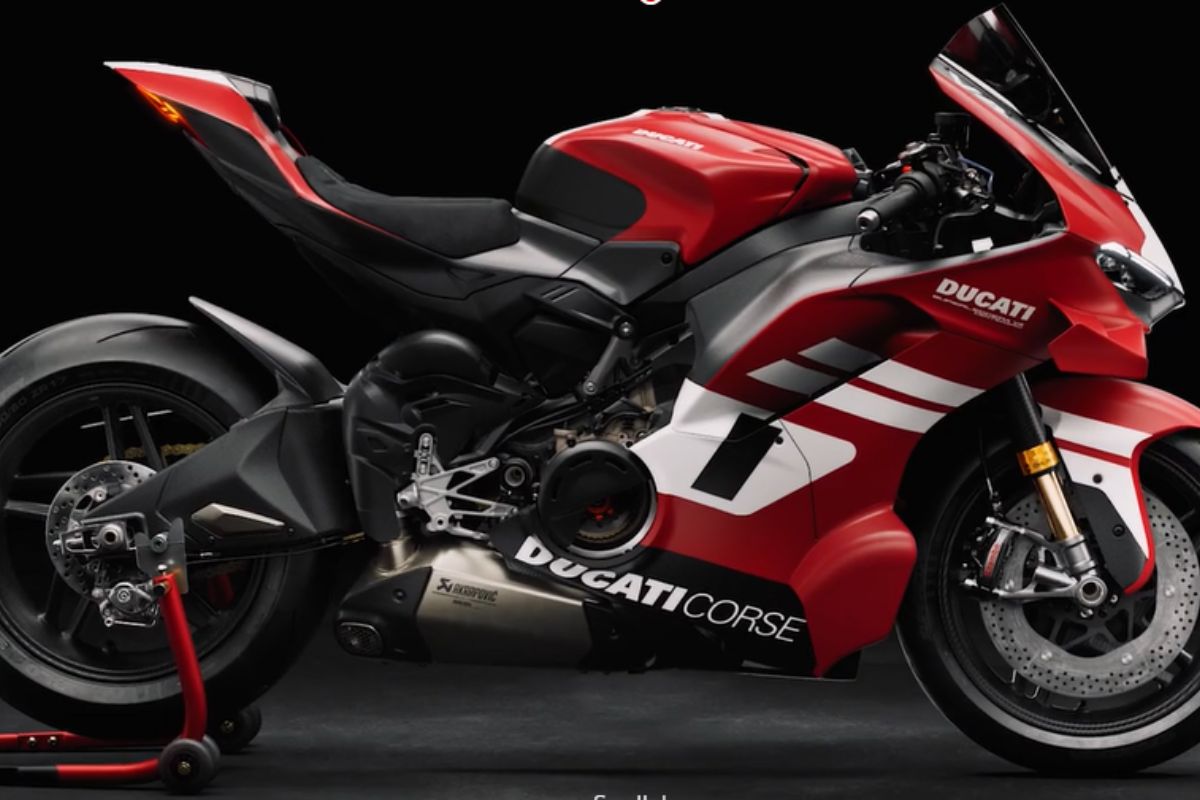
Ducati brings to Brazil the Superleggera V4 Centenario: 228 hp that become 247 with a track kit, carbon fiber and carbon-ceramic brakes, estimated price between R$ 1.5 and 2 million, deliveries only in 2027.
The car was launched in 1962 and, despite looking like a toy, it was a legitimate automobile, complete with license plate, documentation, and permission to drive on public roads.
With only 1.34 meters in length, 99 centimeters in width, and weighing only 59 kg, the P50 is officially the smallest car in the world according to the Guinness World Records.
It was designed to carry a single occupant and a shopping bag – and nothing more. If someone wanted to take a passenger, they would have to rethink their plans.

Weak But Efficient Engine
The engine of the Peel P50 was a single-cylinder 49cc provided by DKW, producing 4.2 horsepower. This may seem laughable by modern standards, but considering the vehicle’s negligible weight, it was enough to take it to a top speed of 60 km/h – an acceptable figure for short trips within cities.
The car did not have reverse gear, but this was not a big problem. Being so light, the driver could simply get out and lift the car to change its direction manually. Yes, it was like turning a toy car.
The Goal And The Reality
The idea behind the Peel P50 was to provide a practical and cheap solution for those who needed a small and economical means of transportation.
The car could achieve around 50 km per liter of fuel, an impressive number even by today’s standards.
However, its target audience was limited. Although cheap and functional, the Peel P50 did not offer much comfort. With only three wheels and a tiny interior space, driving the car was not the most pleasant experience. It did not have sophisticated suspension, and any pothole in the road could become a challenge.
The production of the original Peel P50 was short-lived, ending in 1965, with only 50 units manufactured. Today, these models are extremely rare and valuable collector’s items.
The Renaissance Of The Peel P50
The story of the Peel P50 could have ended there, but nostalgia and passion for eccentric vehicles brought the model back to life.
In 2010, a British company relaunched the P50, preserving its iconic design while bringing improvements to comply with current traffic regulations.
The new model, which can be powered by gasoline or electric engines, still retains the minimalist spirit and lightness of the original.
Today, the P50 can be ordered, with prices exceeding US$ 10,000, making it a luxury item for collectors and enthusiasts.
Pop Culture And Global Fame
If the Peel P50 was a relatively unknown vehicle during its original production, that changed drastically when it was featured on the famous British show Top Gear.
In an iconic episode, Jeremy Clarkson, one of the hosts, drove a Peel P50 inside the BBC headquarters, entering elevators and going through office corridors, demonstrating the practicality (and limitations) of the vehicle.
Moreover, the P50 has appeared in various automotive exhibitions, documentaries, and YouTube videos, becoming a true celebrity among microcars.
The Peel P50 may not be the most powerful or comfortable car ever made, but its legacy is undeniable. It represents an era of experimentation in the automotive industry, where innovative (and sometimes bizarre) ideas were taken seriously.
Its tiny size, almost nonexistent power, and unique appearance have made it a cult classic that continues to fascinate enthusiasts around the world.
Whether for its eccentricity, efficiency, or rarity, the Peel P50 will continue to be remembered as the smallest and least powerful car ever produced, proving that sometimes less is more – at least in terms of size.
With information from Wikipedia.










-

-

-

-

14 pessoas reagiram a isso.