





 Portuguese
  English
  Spanish
  4 min of reading
  0 comments


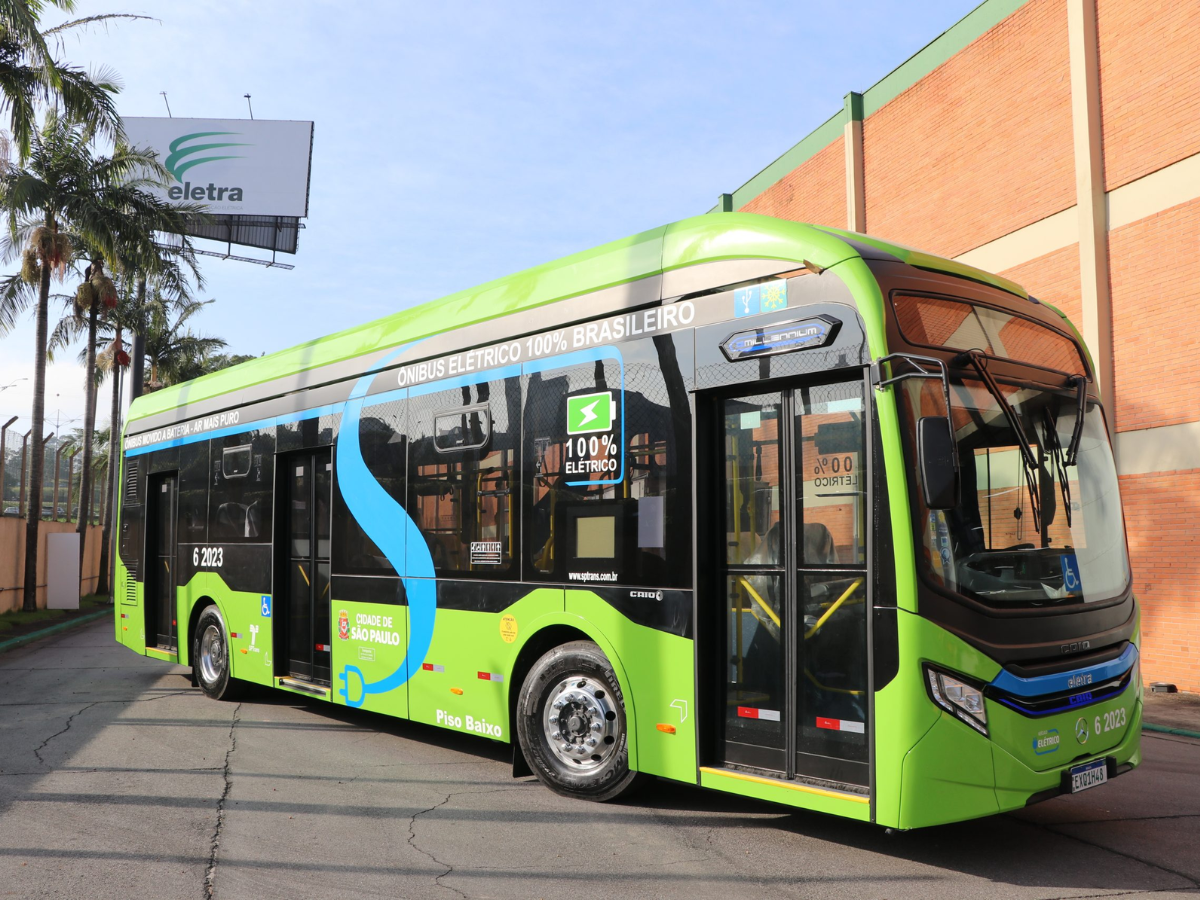
With Mercedes-Benz or Scania Chassis and National Technology, the Brazilian Electric Bus from Eletra, like the 15m e-Bus, Travels About 250 km per Charge, Driving the Sustainable Modernization of Urban Fleets.
The Brazilian electric bus Eletra e-Bus, 15 meters long, is at the forefront of transforming public transportation in the country. With a declared autonomy of approximately 250 km per charge and the flexibility to be mounted on chassis from renowned manufacturers, this vehicle is a key piece in the transition to cleaner and more efficient urban mobility.
Eletra Industrial, its manufacturer, has established itself as a driving force in the electrification of the national fleet, combining proprietary technology with strategic partnerships.
Pioneering and Capability in Bus Electrification in Brazil
Founded in 1988, Eletra Industrial began its journey focusing on innovation for public transportation, producing trolleybuses and hybrid buses before dedicating itself to 100% electric battery vehicles. This experience gives the company a deep understanding of the Brazilian market’s needs.
-
São Paulo surprises the world with a colossal railway network project that promises over 1,000 km of tracks, R$ 194 billion in investments, and 40 projects connecting the capital to the interior with fast and sustainable trains.
-
The world’s largest escalator, measuring 905 meters in China, reduces urban travel time from 1 hour to about 20 minutes and transforms mobility in mountainous regions with an engineering solution adapted to the terrain.

-
A R$ 300 million logistics giant is taking shape in Serra with over 100,000 m² and raises a question: how can this transform e-commerce and distribution in the state?
-
Could Uber Rides Lose Minimum Fare? Understand What’s Happening!

To meet growing demand, Eletra opened new facilities in São Bernardo do Campo (SP), with the capacity to produce up to 1,800 electric buses per year. Its business model is collaborative, working with partners such as Mercedes-Benz and Scania (chassis), WEG (powertrain and batteries), and Caio (bodies). An important differentiator is the high rate of localization of its buses, exceeding 90%.
Eletra e-Bus 15m, 250 km Autonomy, WEG Technology, and Chassis Flexibility (Models 2024/2025)
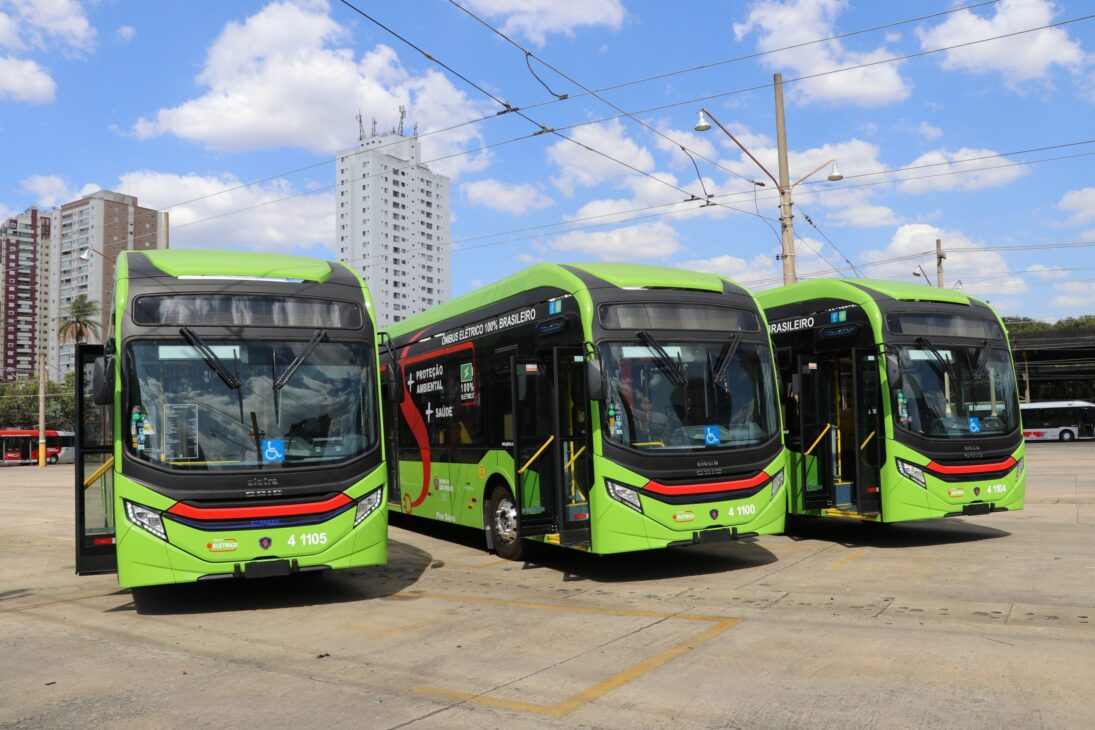
The Eletra e-Bus 15 meters stands out for its autonomy of 200 to 250 km on a single charge, a crucial performance for urban operations. The powertrain system, including electric motors, inverters, and lithium-ion batteries, is provided by WEG, a renowned Brazilian company.
Flexibility is a hallmark of the 15m e-Bus, which can be mounted on Mercedes-Benz or Scania chassis, allowing transport operators to maintain familiarity with their fleet maintenance. The body used is often the Caio eMillennium, and the vehicles are equipped with air conditioning, Wi-Fi, USB ports, and full accessibility. Eletra has also developed its own line of chargers, with a charging time for similar models of approximately 3 to 4 hours.
The Brazilian Electric Bus in Action and Its Environmental and Social Impact in Cities
The electric buses from Eletra are already operating in several Brazilian cities, such as São Paulo, Porto Alegre, Goiânia, Salvador, and Belém. In São Paulo, for example, the company has a significant presence in the fleet electrification program.
The environmental impact is significant: the e-Buses eliminate local emissions of pollutants and drastically reduce noise pollution. In Goiânia, it is estimated that 10 units avoid the emission of nearly 7,000 tons of CO2 in a year. The passenger experience improves with quieter and more comfortable rides, and drivers report greater well-being due to the absence of noise and vibration. Although the initial cost is higher, the operating costs of a Brazilian electric bus tend to be lower than those of a diesel vehicle.
Challenges and Opportunities for the Brazilian Electric Bus, The Path of Eletra in the National Ecosystem
The electric bus market in Latin America is growing, and Brazil has the potential to lead. The installed production capacity in the country is considerable. However, the transition faces challenges such as the high initial cost of vehicles and the need for robust investments in charging infrastructure and the adequacy of the electrical grid.
Government support, through programs like the New PAC Selections and financing lines from BNDES, is crucial. Eletra, with its leadership in the domestic market and focus on national content, is well-positioned to seize opportunities, but the expansion of electromobility will require integrated planning and consistent public policies.
The Eletra e-Bus 15m as a Milestone in Brazilian Urban Mobility and Future Perspectives
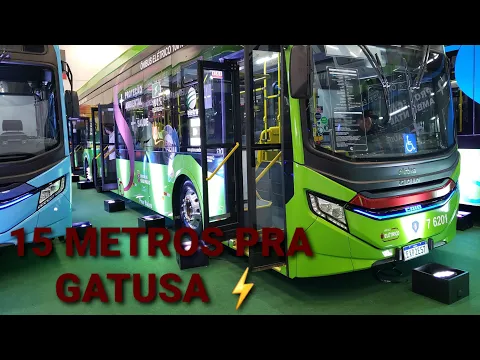

The Eletra e-Bus, 15 meters long, is an emblematic example of the national industry’s ability to develop advanced and sustainable solutions for public transport. Its performance, adaptability, and Eletra’s commitment to local production position it as a transformative vehicle.
The full realization of the potential of the Brazilian electric bus depends on a joint effort among manufacturers, operators, government, and society. With strategic collaboration and long-term vision, Brazil can not only modernize its urban fleets but also consolidate itself as a hub for development in electric mobility.









Seja o primeiro a reagir!