





 Portuguese
  English
  Spanish
  3 min of reading
  0 comments


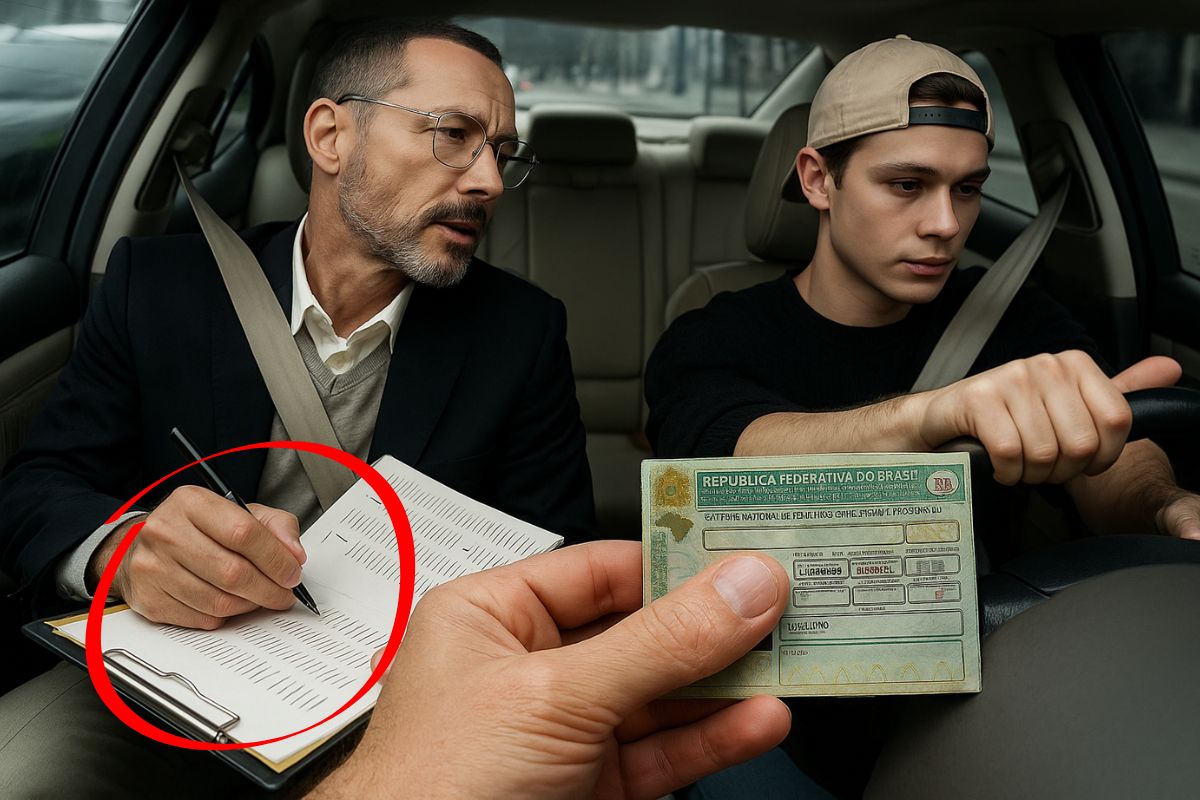
From Initial Exams to the Practical Test, Learn About Each Step of the Process to Obtain a Driver’s License in Brazil and Get Ready to Achieve Your First Driver’s License for Car or Motorcycle.
Obtaining your first National Driver’s License (CNH) is an important milestone in the lives of many Brazilians, a passport to independence and, for many, a work tool. Although it may seem like a long journey, the process to obtain a driver’s license is well-structured and divided into clear stages, from theoretical classes to the dreaded practical exam.
To help you navigate this journey, we have prepared a complete guide with the step-by-step of everything you need to know to get a driver’s license in categories A (motorcycle) or B (car), based on the rules and procedures for 2025.
Prerequisites: What You Need to Have Before You Start?
Before taking the first step, you must meet some basic requirements set by law. To initiate the process to obtain a driver’s license, you must:
-
Spain surprises the world by erecting 62 artificial dunes, mixing sand with natural remains of posidonia, and causing the structure to lose only 1.4% of its volume in 1 year.

-
With 16 Bulava missiles, improvements in acoustic stealth, and a design focused on silent patrols, Russia’s nuclear submarine was born to ensure Moscow’s invisible retaliation and has become one of the pillars of its maritime strength.

-
‘Populous’ city in Rio among the worst in Brazil in national ranking and exposes silent development crisis.
-
Couple buys house in the South Zone of São Paulo, opens a hidden door in the garage, and finds a secret wine cellar with dozens of old wines forgotten since the 1970s.
- Be at least 18 years old;
- Be able to read and write in Portuguese;
- Have a photo identification document (such as an ID card) and a Taxpayer ID (CPF).
The First Step: Enrollment at the Driving School (CFC) and Pre-Registration with the Detran
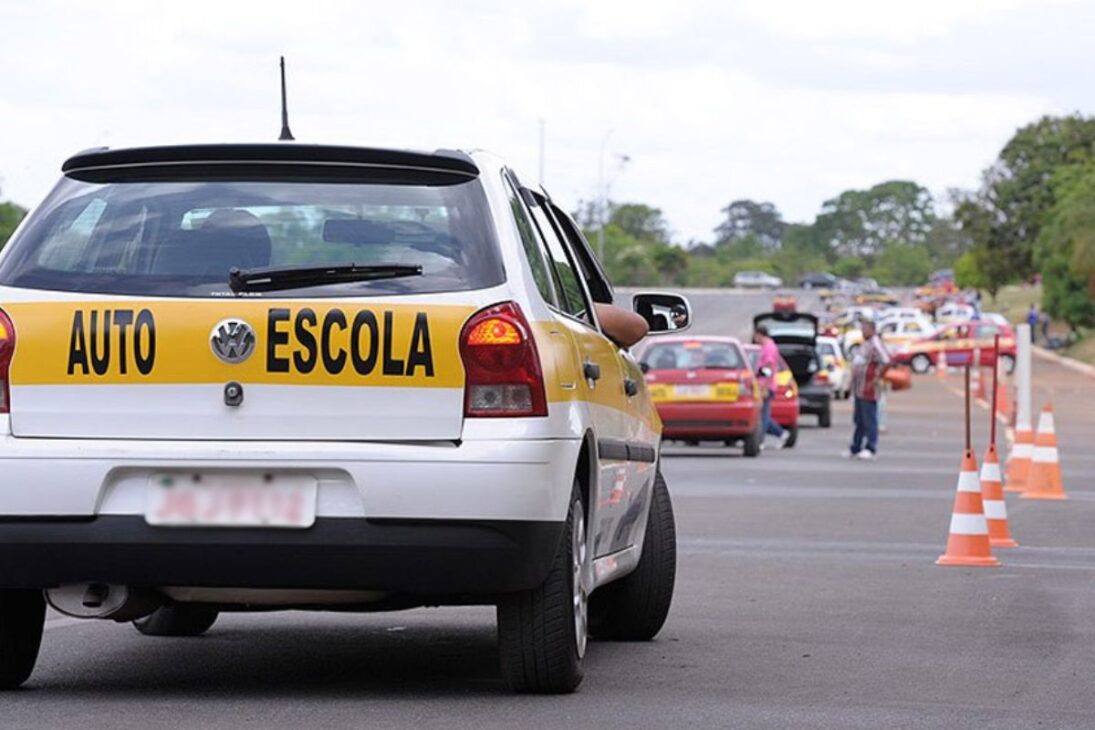
Your first practical step is to find a Driver Training Center (CFC), commonly known as a driving school. It is essential to choose a driving school accredited by your state’s Detran.
During enrollment, you will present your documents, and the driving school will assist you in starting your driver’s license process with the Detran.
The Aptitude Exams: Medical Evaluation and Psychotechnical Assessment
With your process open, you will be referred to clinics accredited by the Detran to take the mandatory exams that assess your aptitude to drive.
Medical exam: a doctor will evaluate your physical conditions, such as visual acuity, hearing, muscle strength, and motor coordination.
Psychotechnical exam: a psychologist will assess your mental and psychological conditions, such as attention, logical reasoning, and decision-making under pressure.
Approval in both is necessary to advance to the next stage.
The Theoretical Phase: 45 Hours of Class for the Legislation Test
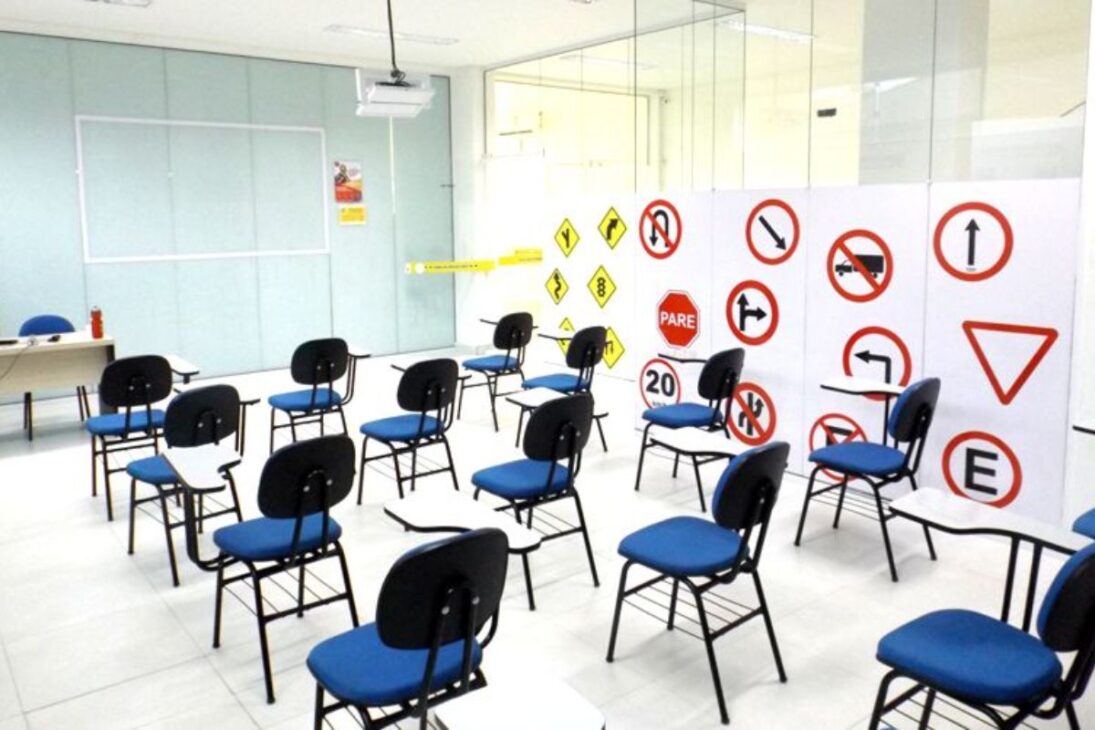
With the “fit” from the exams in hand, you will return to the driving school for the theoretical course. This is mandatory and has a workload of 45 hours. The topics covered are:
- Traffic legislation;
- Defensive driving;
- Basic first aid;
- Environment and citizenship in traffic;
- Basic mechanics.
At the end of the course, you will take the theoretical exam at the Detran. Generally, the exam consists of 30 multiple-choice questions, and you need to answer at least 21 (or 70%) correctly to pass.
Practical Lessons: Learning to Drive a Car or Motorcycle
After passing the theory, the practical phase begins. Legislation requires a minimum number of driving lesson hours for each category:
- Category A (motorcycle): 20 hours mandatory.
- Category B (car): 20 hours mandatory.
In these lessons, an accredited instructor will teach you how to handle the vehicle, perform the maneuvers required in the exam, such as parking for cars and cone courses for motorcycles, and navigate safely on public roads. It is important to note that the use of a driving simulator, which was once mandatory, is now optional in most states.
The Final Test: The Practical Driving Exam
This is the last and most dreaded step of the process to obtain a driver’s license. The practical exam is conducted by a Detran examiner, who will assess whether you are fit to drive.
The examiner will evaluate your control over the vehicle, your adherence to signage, the correct execution of maneuvers (such as parking for cars and the cone course for motorcycles), and your overall behavior in traffic.
After passing the practical exam, you will receive the Temporary Driver’s Permit (PPD), valid for one year. During this period, you cannot commit serious or very serious infractions. After completing this period without issues, you can finally apply for your definitive CNH.








-

Uma pessoa reagiu a isso.