





 English
  Francês
  Alemão
  Italiano
  Japonês
  Norueguês
  Portuguese
  Spanish
  4 min of reading
  3 comments


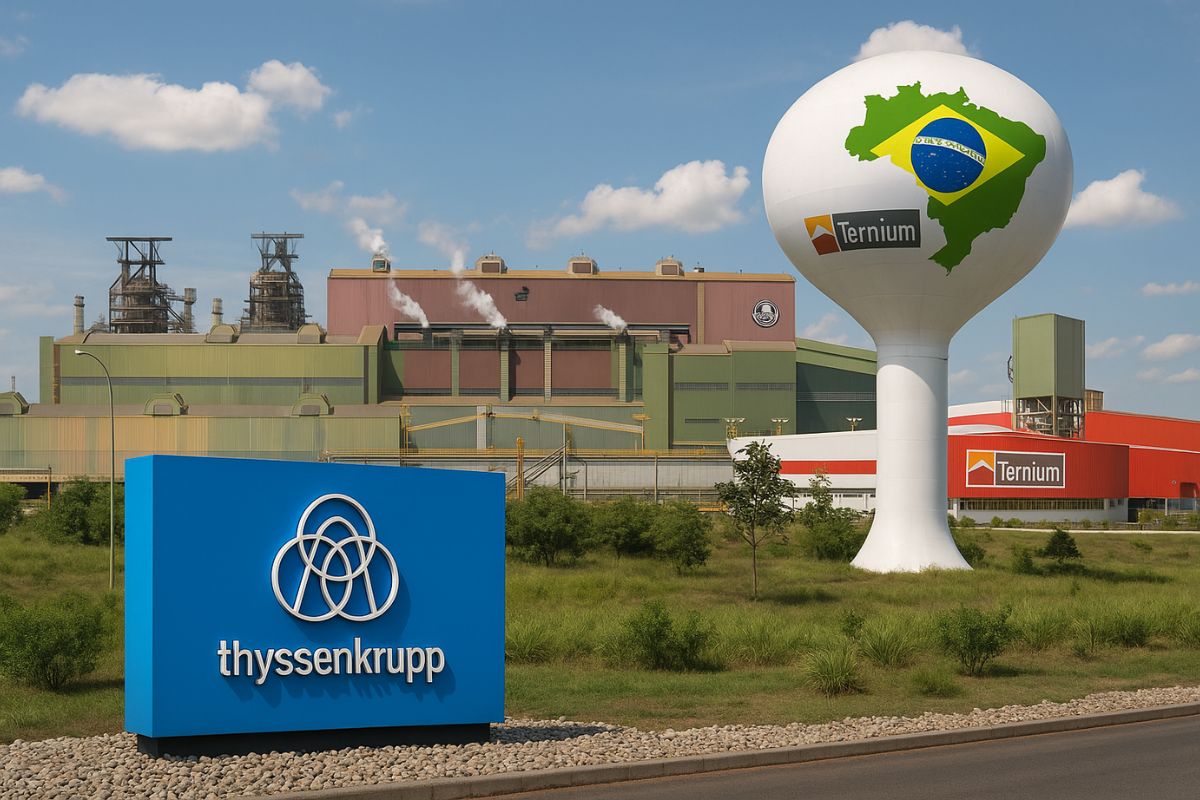


The History Of The Sale Of The CSA Steel Mill By German Thyssenkrupp To Ternium Signals The End Of One Of The Most Ambitious And Disastrous Projects In The Brazilian Industry, Leaving A Legacy Of Financial Losses And Environmental Controversies.
What started out as the largest private investment in Brazil in a decade ended as one of the biggest failures in German industrial history. The sale of the CSA Steel Mill (Companhia Siderúrgica do Atlântico), in 2017, was the final chapter of an adventure that cost the giant Thyssenkrupp a loss of 8 billion euros and left a trail of controversies in Rio de Janeiro.
The trajectory of the plant, since its inauguration with the presence of presidents to its sale for a fraction of the cost, is a case study on how a grand vision can turn into a financial and environmental nightmare.
The Transatlantic Project Of Thyssenkrupp That Began In 2005
In 2005, Thyssenkrupp launched an ambitious project called “Steel Americas”. The idea was to build an integrated production chain: a huge and modern plant would be built in Santa Cruz, in the West Zone of Rio de Janeiro, to produce steel plates at low cost. These plates would then be sent to another new factory in Alabama (USA) to be finished and sold in the lucrative North American and European markets.
-
Seen from space, a colossal ‘Y’ cuts through the largest desert in China, blending a jade-filled river, red and white mountains, and revealing the absurd scale of the transformation of the Taklamakan surrounded by a green wall with billions of trees.

-
The Pacific Ocean reveals what the cliffs of Big Sur have hidden for millennia: Pfeiffer Beach, in California, features swirling purple sand formed by garnet crystals and displays a stone arch that is illuminated by the sun in winter for just a few days each year.

-
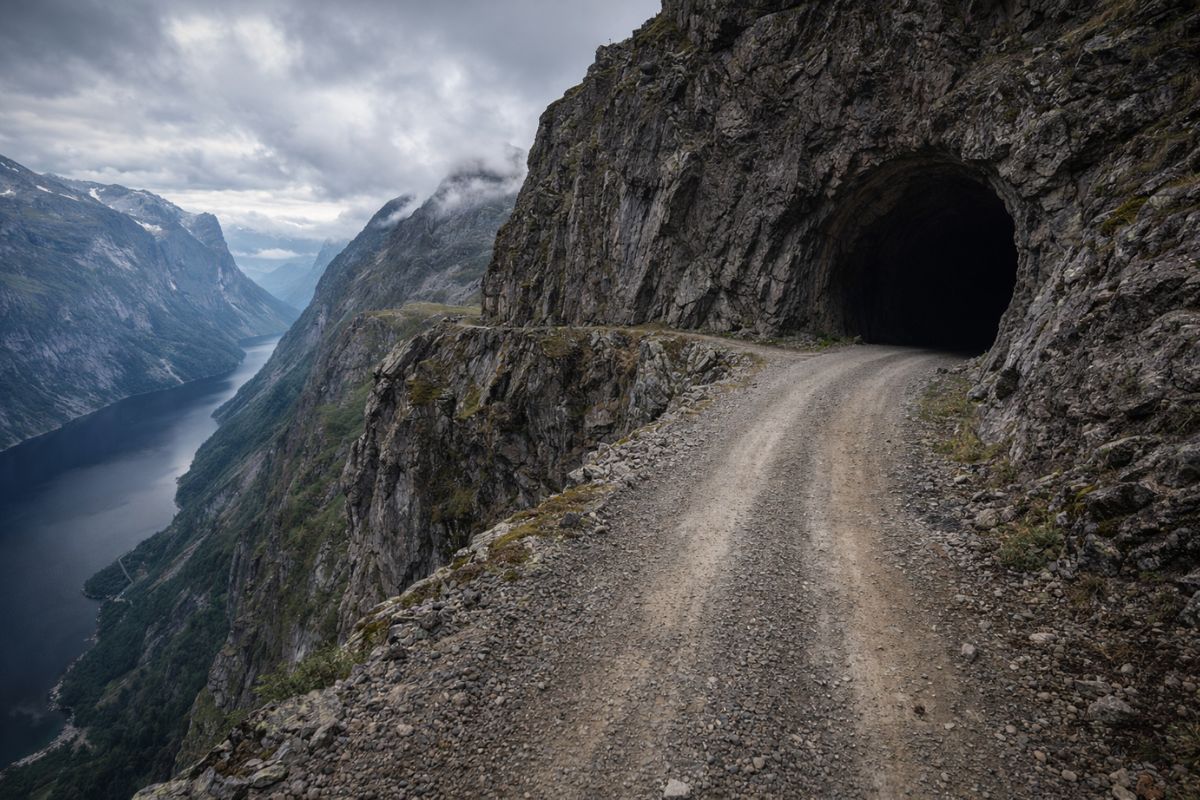
Aursjøvegen in Norway is a 100-kilometer gravel road that crosses chasms and dark tunnels carved into the rock at an altitude of 947 meters in the fjords and is only open for four months a year.
-
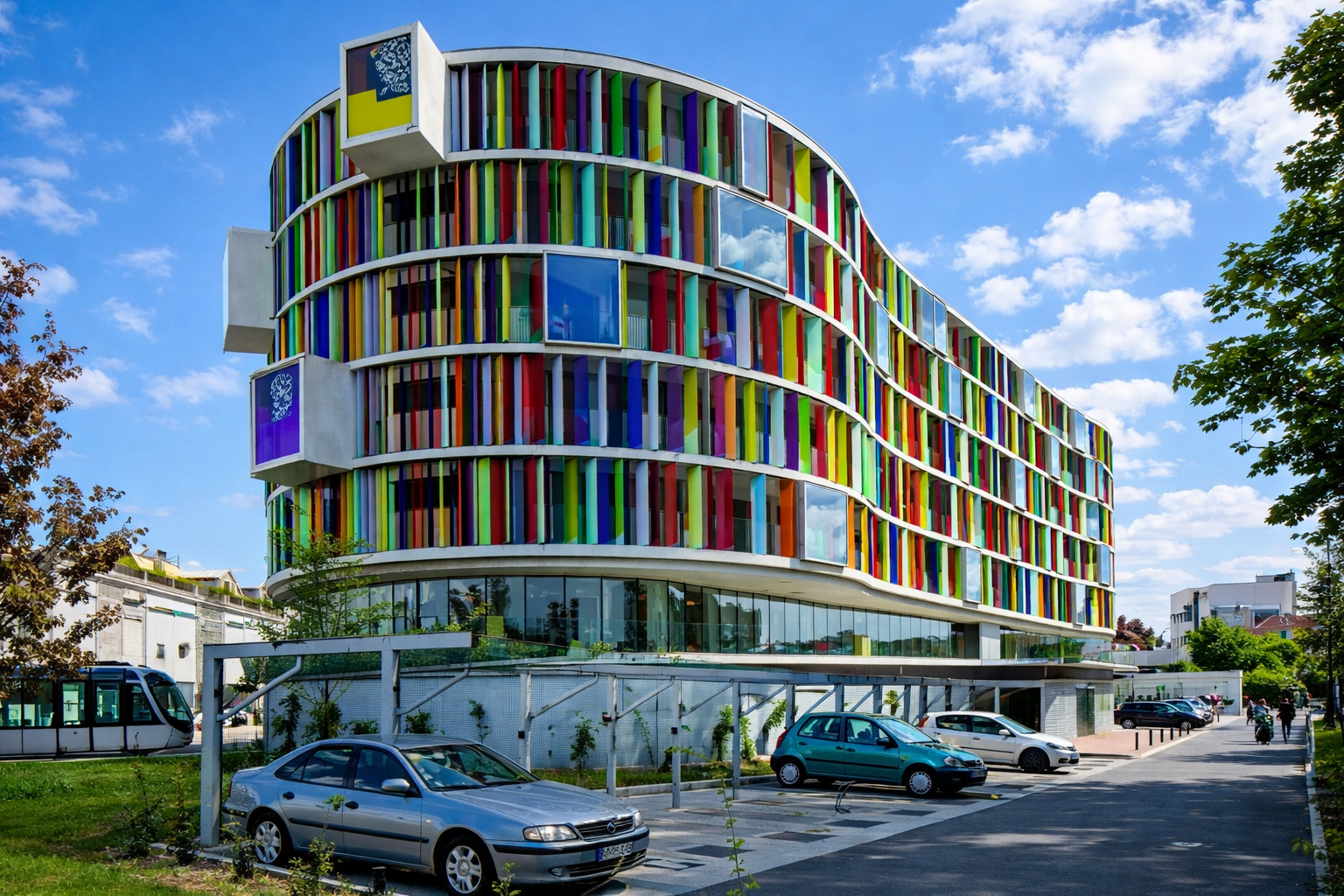
With about 4,000 m², the building constructed in a traditional neighborhood in France looks like a rainbow, has a colorful facade, mixes vibrant glass, and creates one of the most unusual visuals in Bordeaux.

To make the project feasible, Thyssenkrupp partnered with the Brazilian giant Vale, which entered as a minority partner to ensure the supply of high-quality iron ore. With the cornerstone laid in 2006, the project was officially inaugurated on June 18, 2010, with the presence of then-president Lula.
The Downfall: How The Dream Turned Into A Financial Nightmare Of 8 Billion Euros
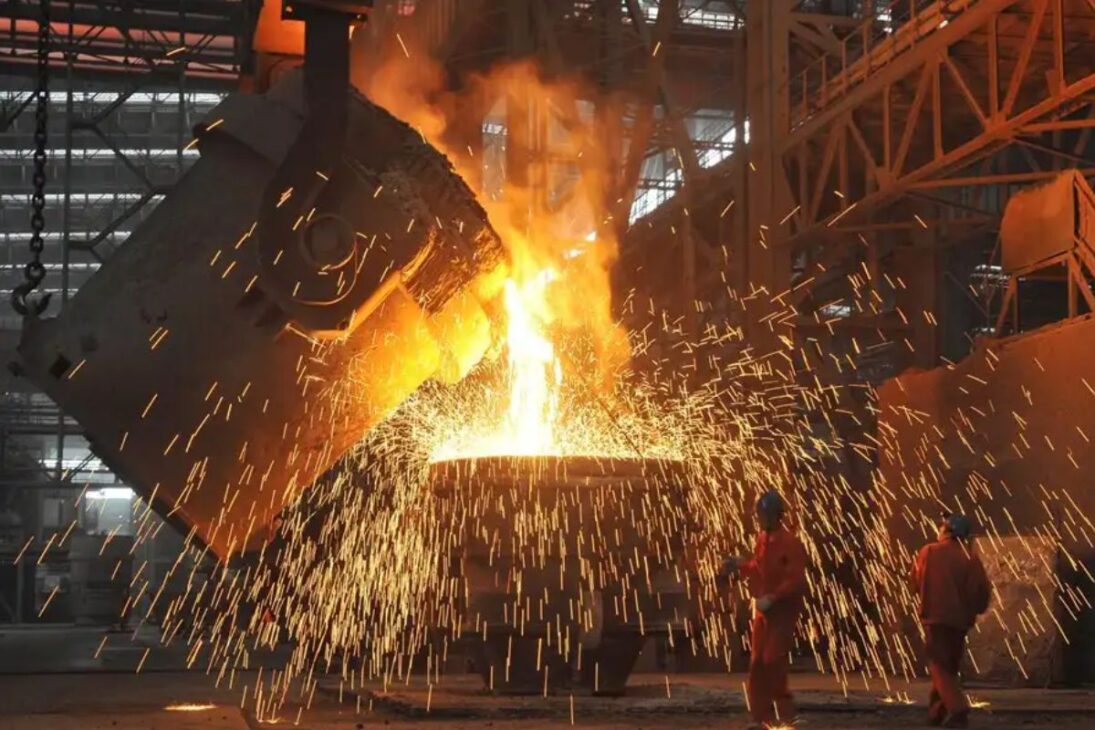
The project quickly proved to be a disaster. The initial budget, of around 3 billion euros, went completely out of control, and the final cost of the Brazilian plant alone exceeded 5.2 billion euros. The global financial crisis of 2008 dropped the price of steel, and technical problems in production worsened the losses.
The transatlantic adventure of Thyssenkrupp, combining both factories and operational losses, ended up costing more than 12 billion euros. After selling the units, the final net loss for the German company was an astonishing 8 billion euros, one of the largest in Germany’s corporate history.
The Exit Of Vale: The Crucial Step To Facilitate The Sale Of The CSA Steel Mill
In 2014, Thyssenkrupp managed to sell the factory in Alabama, but not the one in Brazil. The company was trapped by “complex contractual ties” with its partner, Vale, which, as a minority partner, had the power to block the sale of the asset.
The impasse was only resolved in 2016. In a strategic move, Thyssenkrupp bought the 26.87% stake of Vale for a “symbolic price”. With 100% control, the German company finally had the freedom needed to negotiate the sale of the CSA Steel Mill with other interested parties and rid itself of its biggest problem.
The Final Act: The Sale To Ternium In 2017 For € 1.5 Billion
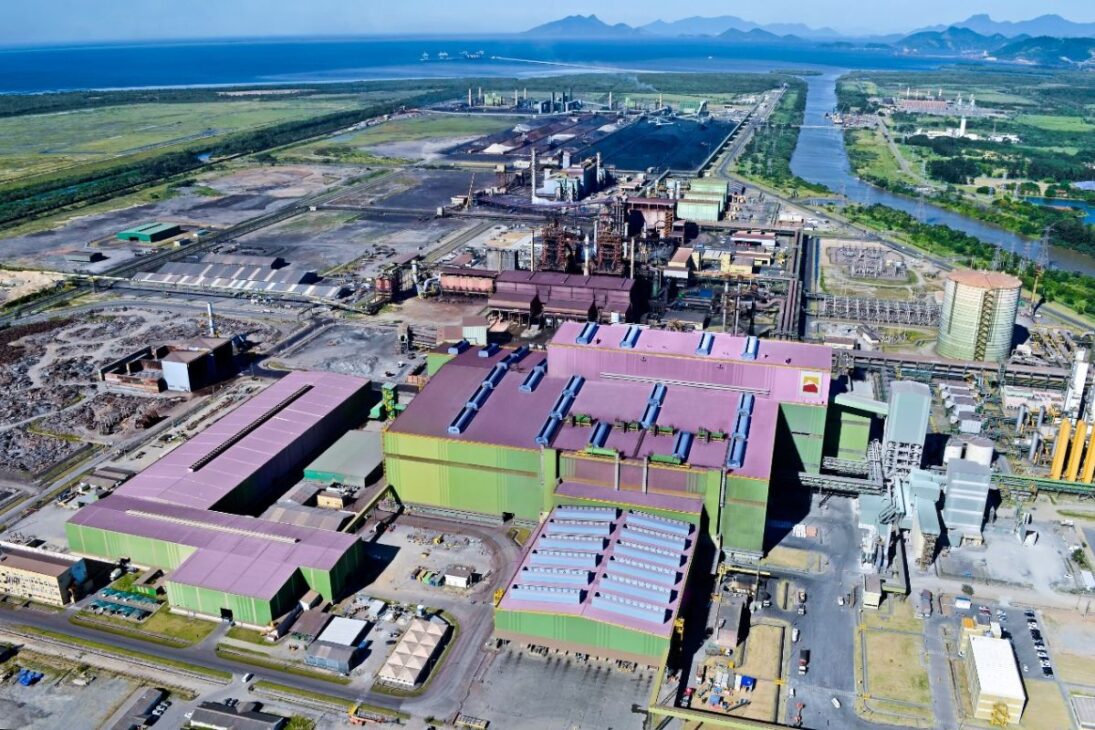
With the path clear, Thyssenkrupp acted quickly. On February 21, 2017, the sale agreement of CSA to the Italo-Argentinian group Ternium, the steel division of the Techint Group, was announced. The transaction, completed in September 2017, had a company value of 1.5 billion euros.
For Ternium, it was an opportunistic deal. The company acquired one of the most modern steel mills in the world for a fraction of its original construction cost. The purchase immediately increased Ternium’s production capacity by 5 million tons per year, consolidating it as a leader in the steel market in the Americas.
The “Silver Rain” And The Environmental Impact In Santa Cruz
The story of the plant is marked by serious socio-environmental problems. The most famous episode, known as “Silver Rain”, occurred in October 2012, when a thick metallic dust covered the neighboring neighborhoods, causing health problems and damage to the environment.
Since its inauguration, the plant, now called Ternium Brasil, has faced lawsuits and pollution allegations, being labeled by critics as a “sacrifice zone”. A 2024 report even alleged that the emissions from the plant were linked to 1,200 premature deaths in the region. Ternium denies the accusations and claims to have invested hundreds of millions in environmental projects, but the legacy of distrust and the impacts on the Santa Cruz community remain as the darkest side of the story of this “billion-dollar factory”.









O Brasil, historicamente, entregou e entrega seus ativos aos gringos, não quer administrar e ganhar divisas, resultado: não tem receita significativa desses ativos administrados por estrangeiros e quer cobrir o rombo cobrando IOF, o pareamento não deixou!
Com o aço chinês entrando 30% abaixo do custo …o que sobra?
Não tem nenhuma justificativa técnica, no Brasil a matéria-prima de toda essa **** tem ciclo de 100% do Brasil, o custo trabalhista e tributário que antes era muito desfavorável na nossa competição com relação à China, hoje tá na mesma média, sem grandes distorções alguma… Lembrando que o trabalho subvalorado na China já tá sendo mais bem remunerado que aqui… E por último, eles ganham na escala no mercado externo de domínio chinês com relação a investimentos e parcerias, mas nunca internamente no Brasil cuja produção atende única e exclusivamente nosso mercado, e por tabela o Mercosul, internacionalmente estamos atrás deles, assim como os EUA e vários países tb estão, por isso não justifica. É uma quadrilha estelionatária isso sim.
Você está equívocado, não tem como comparar os custos de produção no Brasil com a China, nossa carga tributária é muito mais alta que a da China que ao contrário disso faz investimentos para diminuir ainda mais o custo de produção, aqui tem pós, Confins, IOF, ICMS entre outros impostos que agregam no valor do produto, dentro deste cenário temos custos de transportes mais elevados em decorrência da falta de linhas férreas do nosso país, toda nossa tonelagem deslocada está associada a caminhões, onde estes tem custos operacionais de pneus, combustível entre outras manutenções onde todas estas também agregam impostos em sua raiz, trabalho com o faturamento de uma usina siderúrgica, sabe aquele imposto que você paga no supermercado? Aqui é 30 a 40 mil reais a cada carreta faturada só de ICMS carregando 20 carretas dias quanto eu pago de ICMS diário em uma usina pequena que produz 10 mil toneladas mês? Sem contar impostos federais, aqui pela péssimas condições de estradas e falta de segurança mesmo você pagando IPVA e outro monte de imposto temos que fechar contratos com seguradoras de carga para em caso de incidentes não perdermos o valor total da carga, o que acarreta em mais um custo, a China também injeta no mercado brasileiro milhões de toneladas de materia prima anual, só no ano passado no Brasil a GERDAU fechou 4 usinas no Brasil, entre elas as de Barões do cocais, Araucária e Maracanaú. O mercado do aço do Brasil está encolhendo a níveis galopantes, o custos que nossas empresas siderúrgicas tem com funcionários é nada comparado a carga tributária que está desde a energia e água até alimentação e transportes de cargas.