





 Português
  Inglês
  Espanhol
  4 min de leitura
  24 comentários


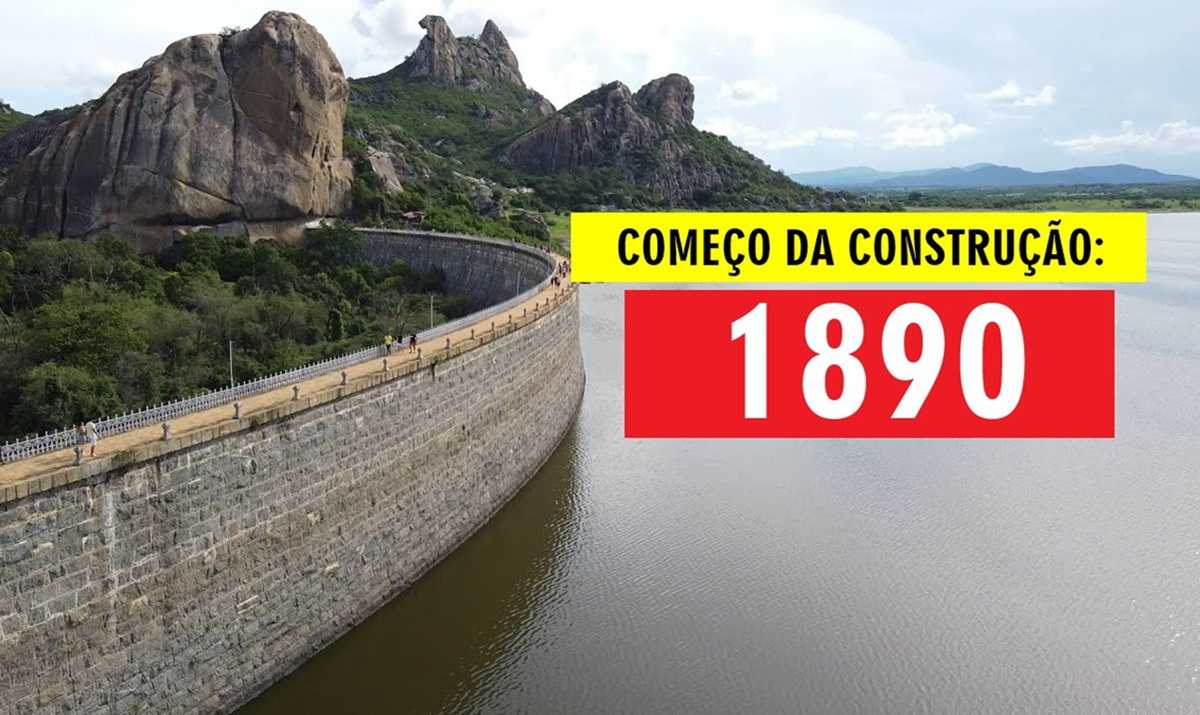


First Major Hydraulic Project in Brazil Marked the Beginning of Strategies to Face the Effects of Drought with Engineering and Public Planning.
At the end of the 19th century, Brazil began one of the most ambitious projects in its history to face long periods of drought. Using simple techniques, without machines, only human power, hand tools, and animal traction, the construction of the country’s first large public reservoir began.
The structure, made entirely of stone blocks, would forever mark national engineering and pave the way for a new way of dealing with water scarcity.
-
Drought may be creating stronger superbugs in the soil and helping antibiotic resistance reach hospitals, warns a study highlighting a problem that could grow alongside extreme weather.

-
The biggest scam in history: Napoleon’s France deceived the United States by selling them a territory that was Spanish.

-
Why is the Danakil Desert so dangerous? It has unstable terrain and how extreme temperatures and toxic gases turn the region into one of the most hostile environments on Earth.

-
With a height of 221 meters and a capacity for trillions of liters, Hoover Dam still holds a trick that makes water defy logic.
In the hinterland of Ceará, a century-old construction changed how Brazil faced drought. The Cedro Reservoir, located in Quixadá, was the country’s first large public water reservoir.

More than an engineering project, it represents the beginning of policies to combat drought in the northeastern semi-arid region.
A Response to the Drought of 1877
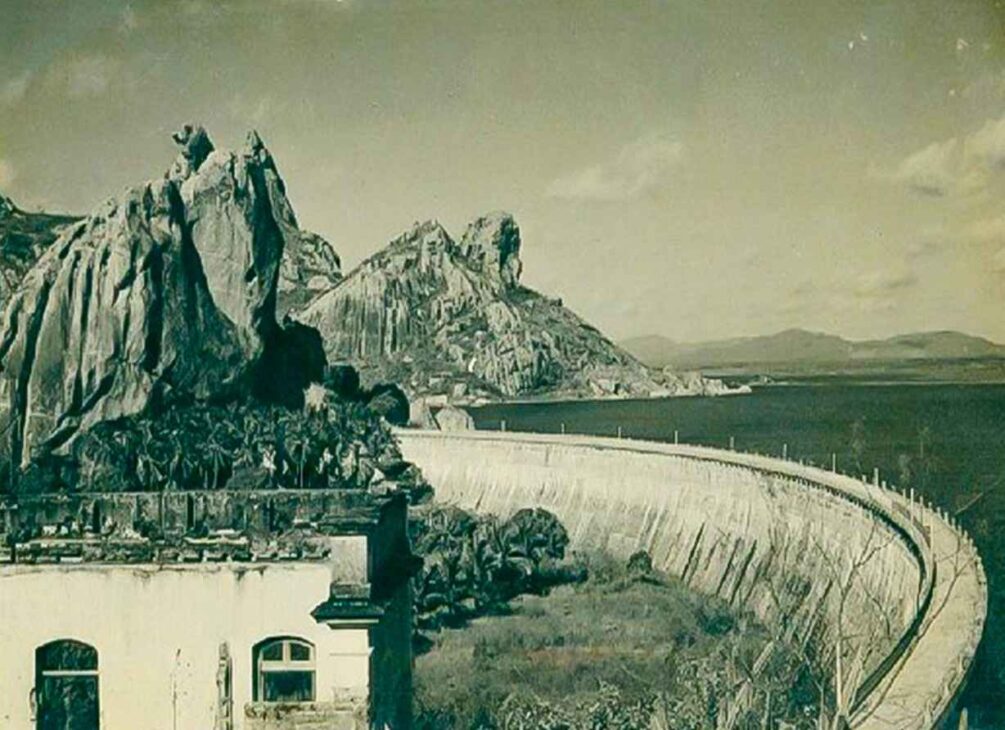
The Cedro Reservoir project emerged as a reaction to the devastating drought that struck the Northeast between 1877 and 1879. The tragedy left thousands dead and forced entire families to relocate. In light of the calamity, Emperor Dom Pedro II ordered the construction of works to store water and face future drought periods.
It was in this context that the Cedro was conceived. Still in the late 19th century, technicians and engineers began studies for the construction of a large reservoir in the interior of Ceará. The location was chosen due to the favorable terrain and the presence of a perennial stream, the Cedro Stream.
Start of Construction and Challenges
The construction officially began in 1890. The work was coordinated by engineers trained at the Polytechnic School of Rio de Janeiro, with the support of the newly established Inspectorate of Works Against Drought, which would later become DNOCS.
Everything was done using manual techniques. There were no heavy machines. Workers used simple tools and animal traction. The structure of the reservoir was built with stone blocks carefully cut and fitted by hand, in a labor that required precision and patience.
The main challenge was the weather itself. The rains were irregular, and the heat hindered the pace of the work. Additionally, logistics were complicated. Materials had to be transported over long distances, making the process even slower.
Conclusion and Operation
After 16 years of work, the reservoir was completed in 1906. With a capacity of about 126 million cubic meters, the Cedro became the largest reservoir in the country at the time. The structure has a dam nearly 500 meters long and 20 meters high, made entirely of stone.
The reservoir began to store the waters of the Cedro stream and smaller tributaries, forming a body of water that, in addition to serving for supply, was used for irrigation and animal husbandry.
For decades, it was a reference in combating drought. Even with technological advancements and the construction of other dams, the Cedro maintained its historical and symbolic value.
Historical Importance and Heritage Protection
The Cedro Reservoir was the first major hydraulic work in Brazil. It was also the first in South America made entirely using stone masonry techniques without mortar.
IPHAN (National Institute of Historic and Artistic Heritage) recognized this value and protected the structure as a heritage site in 1977. The site became protected as a cultural heritage and an example of national engineering from the imperial period.
Today, the reservoir attracts visitors, researchers, and students. Its stone dam and the surrounding landscape have become symbols of coexistence with the semi-arid region and human efforts to overcome the challenges of nature.
Current Status of the Reservoir
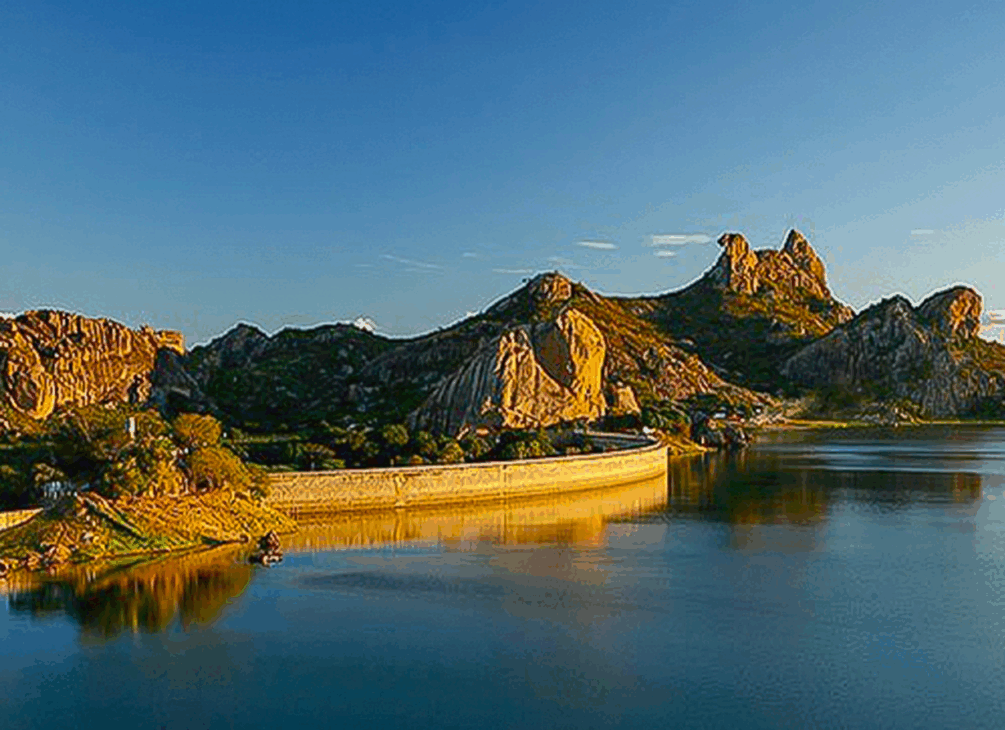
Even more than a century later, the Cedro Reservoir is still in operation. It still stores water, still fulfills hydric functions, and is still visited by residents and tourists.
In recent years, there have been structural recovery initiatives to preserve the stone dam and ensure its safety.
In addition to its functional value, the reservoir has cultural and educational importance. Schools in the region frequently organize visits to show students how engineering work was done at that time and what impact the project had on local development.
A Milestone for the Semi-Arid Region
The construction of the Cedro Reservoir was more than a technical project. It represented a milestone in the historical struggle of the inhabitants against drought.
At that time, it was common to see entire families relocating due to a lack of water. The Cedro brought hope to these communities and opened the way for a new way of thinking about water use in the Northeast.
With it, the country began to outline public policies aimed at coexisting with drought rather than just emergency responses. This vision still guides public actions more than 100 years later.








A construção desse açude, além de sinalizar um novo período proposto pela natureza, não serviu de alerta para a causa do problema em todo o Brasil, em breve todo o Brasil vai precisar de vários açudes, para amenizar a devastação sem controle das nossas matas. O Brasil está secando, de norte a sul!
Sou cearense — com muito orgulho — e sei o quanto é difícil para o agricultor(a) ter que suportar esse fenômeno natural. Assim como o açude Cedro continua resistindo ao tempo, também deve-se incrementar políticas públicas para amenizar o sofrimento dos bravos sertanejos e sertanejas que resistem com bravura a todas essas adversidades!
A melhor maneira de preservar e ter um volume de água sempre disponível é fazer é colocar dragas pra sugar o que está impedindo de acumular maís água. Ou seja, fazer uma limpeza na bacia do açude.
Verdade! Trabalhei um ano na Usina de Biodiesel de Quixada e pude ver de perto a importância que o Açude do Cedro tem para o povo da região.
E também a beleza e perfeição da construção do Açude.