





 Portuguese
  English
  Spanish
  3 min of reading
  0 comments


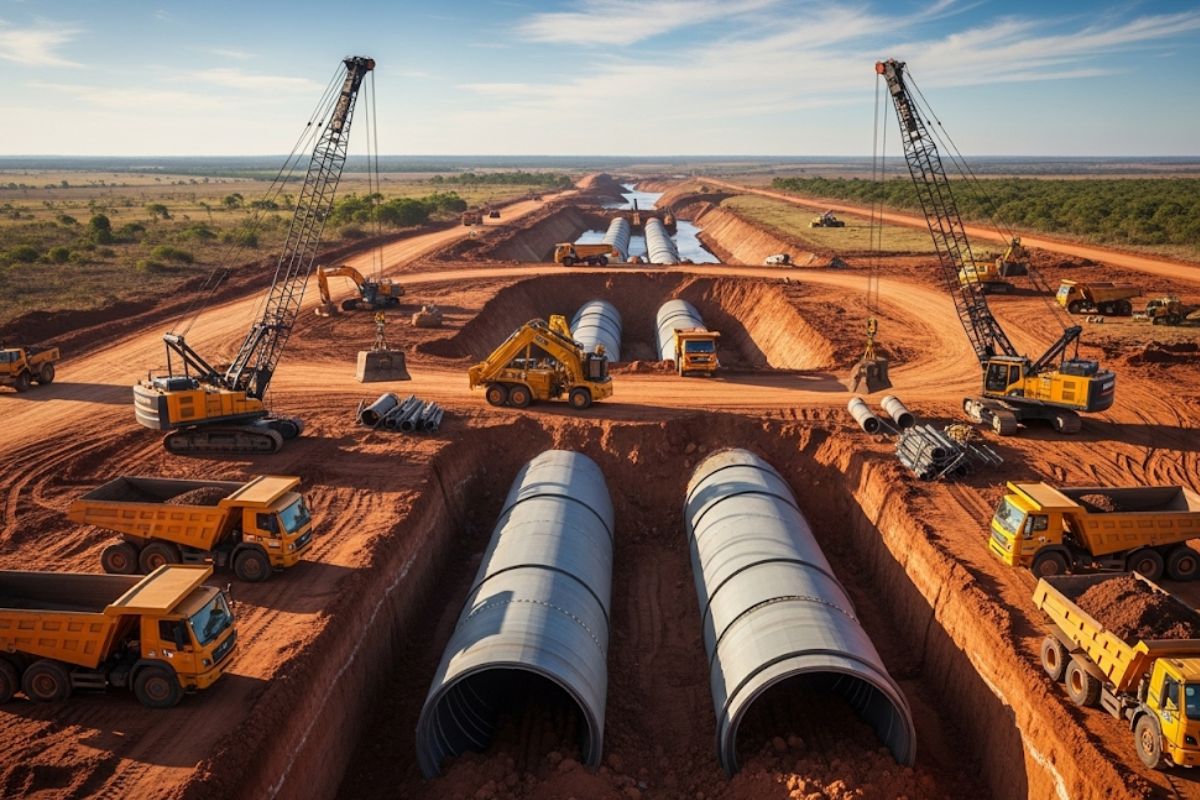
Explore The Monumental Engineering Of The Great Man-Made River, Its Impact In Libya, And The Sustainability Challenges That Put Its Future At Risk.
The Great Man-Made River (GMR) of Libya is one of the most ambitious engineering projects of the 20th century. It is a vast network of underground pipes. Its mission is to transport high-quality fossil water from aquifers beneath the Sahara Desert. The destination is the coastal regions of Libya, for irrigation and consumption.
Acclaimed as the “Eighth Wonder of the World”, this colossal project transformed the Libyan water landscape. However, it faces significant sustainability and operational challenges. This article explores the design, construction, impact, and the uncertain future of the Great Man-Made River.
What Is The Great Man-Made River And Its Vital Importance To Libya?
The Great Man-Made River is a colossal network of pipelines and underground aqueducts. Its primary function is to transport “fossil water” of high quality. This water comes from ancient aquifers beneath the Sahara Desert. The destination is the densely populated coastal regions of Libya. The water is used for domestic consumption, agriculture, and industry.
-
Without a blueprint, without an engineer, and using scrap from the dump, a father spends 15 years building an 18-room castle for his daughter, featuring tram tracks, 13 fireplaces, and over 700 m², which may now be demolished.
-
A megaproject worth R$ 89 billion is advancing in Iraq and promises to change the game in global trade by creating a new corridor between Asia and Europe, reducing traditional routes and repositioning the country as a logistics powerhouse.

-
Goodbye bedside table: floating shelves become a trend in 2026 by freeing up space in the bedroom, improving circulation, bringing visual lightness, and integrating technology without taking up floor space.

-
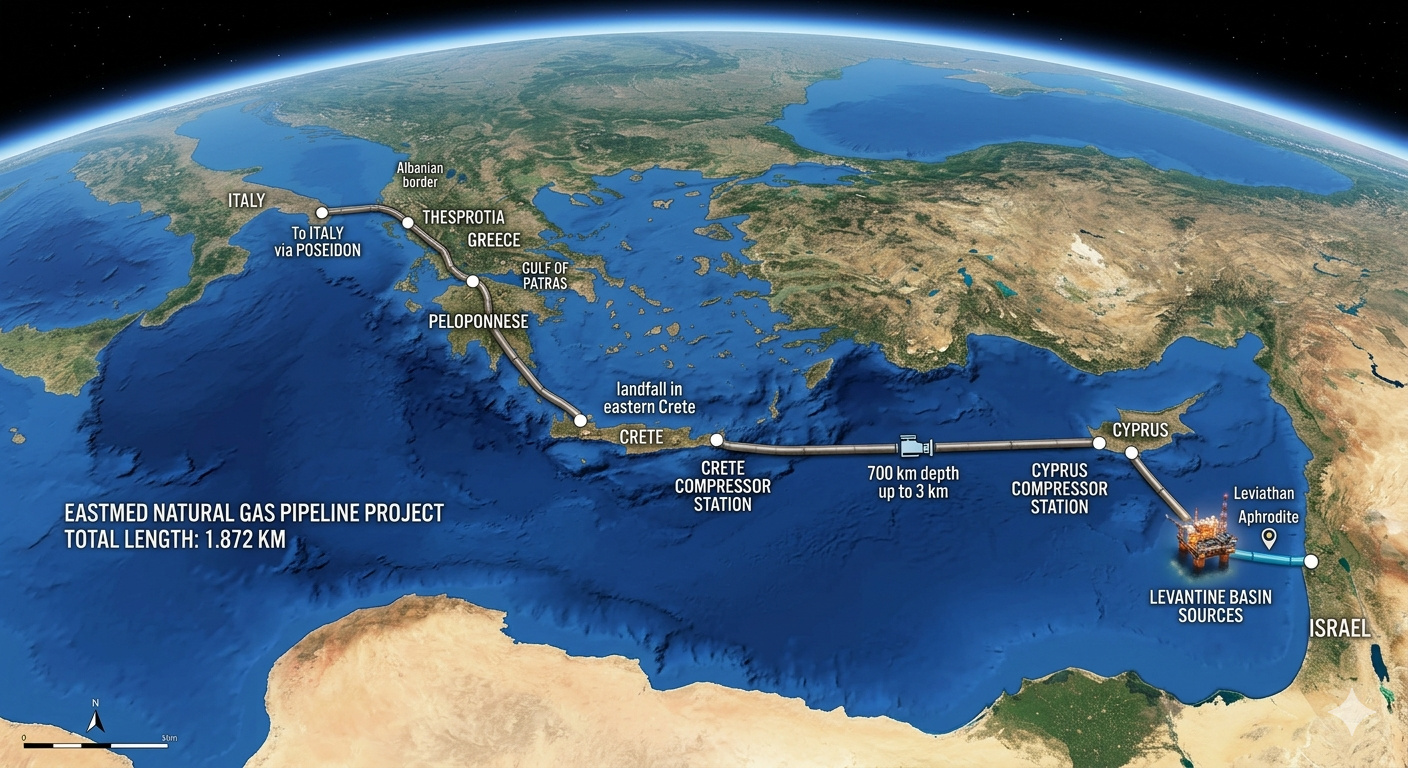
Israel, Greece, and Cyprus signed an agreement in 2020 to transport gas from the Mediterranean to Europe via a 1,872 km pipeline, but Turkey claimed sovereignty over part of the maritime route, and the project never materialized.

Libya is a country where approximately 95% of the territory is desert. The GMR emerged as a bold strategic solution to water scarcity. Historically, coastal areas relied on depleting local aquifers and expensive desalination plants. The Great Man-Made River has become a vital support system. Under the regime of Muammar Gaddafi, it was framed as a national triumph.
The Monumental Engineering Behind The Great Man-Made River
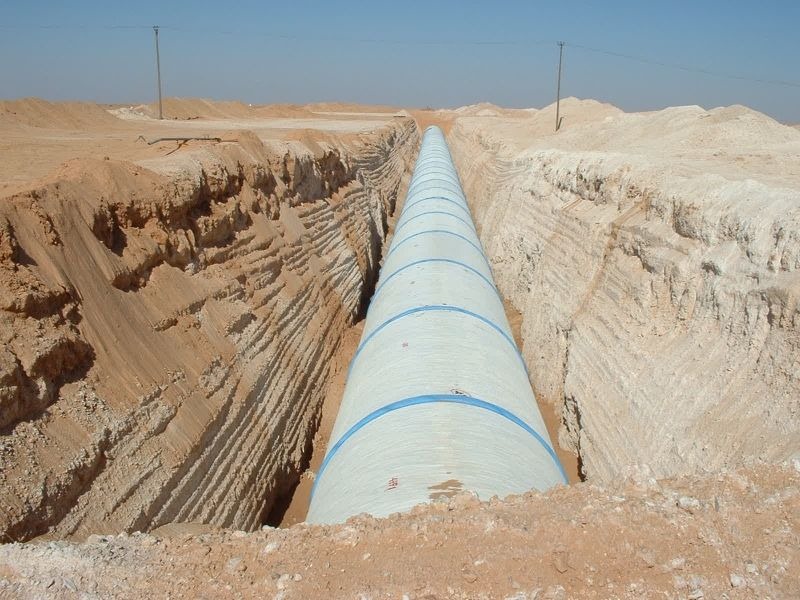
The network of pipes of the Great Man-Made River reflects its monumental scale. Estimates indicate that the complete network would reach around 4,000 km. The pipes are made of prestressed concrete, with a diameter of 4 meters. Each section weighs between 73 and 80 tons. Millions of tons of cement were used.
Water is extracted from more than 1,300 wells, with depths exceeding 500 meters. Submersible pumps elevate the water to the surface. It is pushed by pumping stations and stored in large open reservoirs. The project was implemented in five main phases. Phase I was inaugurated in 1991. Phase II brought water to the capital, Tripoli, in 1996. Phase III was completed in 2009. Later phases were suspended due to instability.
Fossil Water From The Sahara
The primary source of the Great Man-Made River is the Nubian Sandstone Aquifer System (NSAS). This is the largest known fossil aquifer system in the world. It extends over 2 million km² beneath Libya, Egypt, Chad, and Sudan. The water has been stored for thousands of years when the Sahara was much wetter.
Crucially, this fossil water is not replenished by current climatic conditions. This makes it a finite and non-renewable resource. The exploitation of the NSAS by the Great Man-Made River is, therefore, a form of “mining” water. Estimates of its longevity range from 60 to 100 years, or even up to a thousand years, depending on the extraction rate. This reality imposes long-term water planning for Libya.
Experts’ Opinion
Experts point to serious challenges that jeopardize the future of the Great Man-Made River. The depletion of fossil water is the most fundamental threat. Political instability and conflicts in Libya since 2011 have had a devastating impact. Airstrikes destroyed the Brega pipeline factory. Sections of the network and pumping stations have suffered damage or deterioration from lack of maintenance.
Operations have been interrupted, and the project has become a target of sabotage. The shortage of electricity prevents the proper functioning of the pumps. The financial crisis hampers the importation of parts and repairs. Experts highlight the urgent need for sustainable management strategies. This includes conservation, water reuse, and the development of alternative sources such as desalination. Without stability and massive investment, the viability of the Great Man-Made River is questionable.





Seja o primeiro a reagir!