





 Portuguese
  English
  Spanish
  4 min of reading
  0 comments


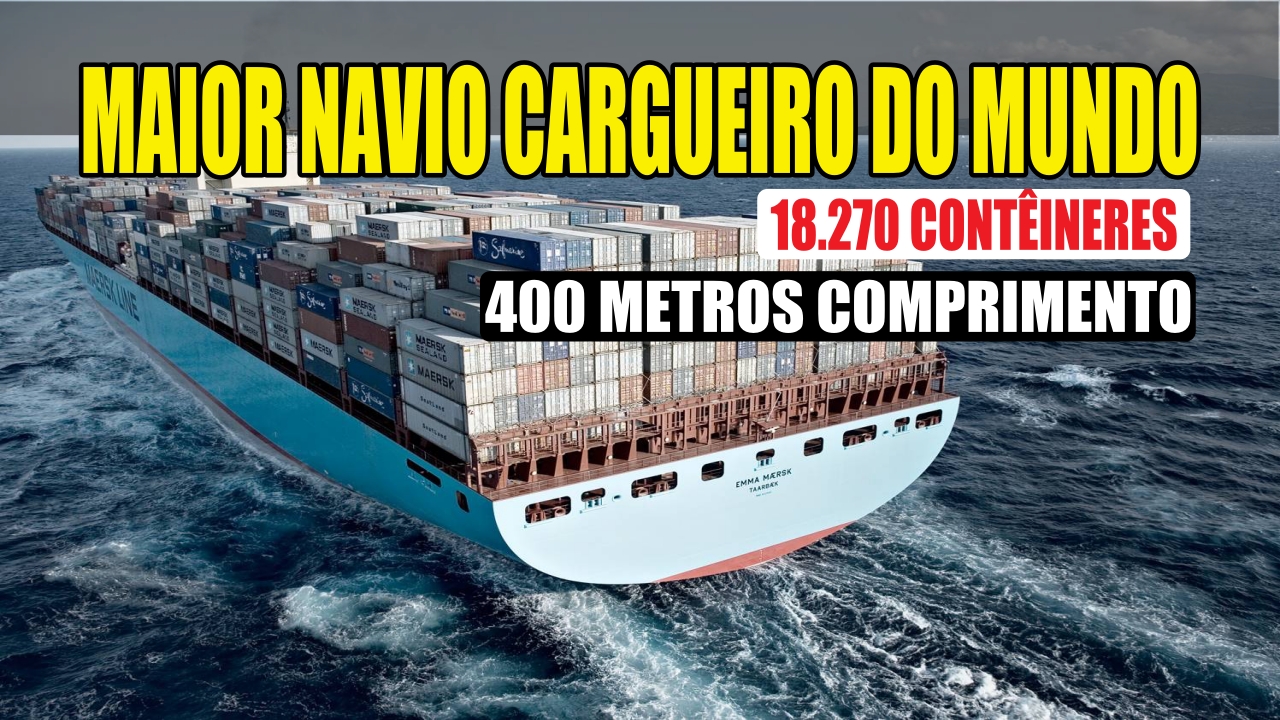
Largest Container Ship in the World: Taller Than Christ the Redeemer and the Statue of Liberty, the Giant Maersk Weighs 52,859 Tons — More Than Five Times the Weight of the Eiffel Tower!
Have you ever imagined what the largest container ship in the world looks like? It is called Triple-E and is a project of Maersk, a Danish company operating in the transport and energy sectors. This ship can carry up to 18,270 containers in a single trip, which is equivalent to all the soybean production in the U.S. that will be exported to China between this year and the next, for example. But it is not only its size that impresses with the Triple-E: it is also an example of energy efficiency and environmental protection, the other two concepts that gave rise to its name.
The Triple-E is 400 meters long, 59 meters wide, and 73 meters tall. To give you an idea, it is longer than the USS Enterprise aircraft carrier, one of the most famous in the U.S. Navy, which is 342 meters long. It is also taller than Christ the Redeemer, the Statue of Liberty, and Big Ben. If it were placed “standing up,” it would be taller than the Empire State Building, one of New York’s most iconic skyscrapers. The weight of the ship is also impressive: it weighs 52,859 tons, more than five times that of the Eiffel Tower.
If You’re Curious, Watch the Full Video and Check Out the First Trip Made by This Giant of the Seas!


Triple-E Class Ships Feature the Largest Engines and Propellers in the World!
One of the main characteristics of the Triple-E Class ship design is that they are powered by two diesel engines, each driving a separate propeller.
-
With 74% of companies facing difficulties in hiring, technicians and engineers in renewable energy are becoming scarce in Brazil and are essential to support the expansion of solar, wind, and green hydrogen projects.

-
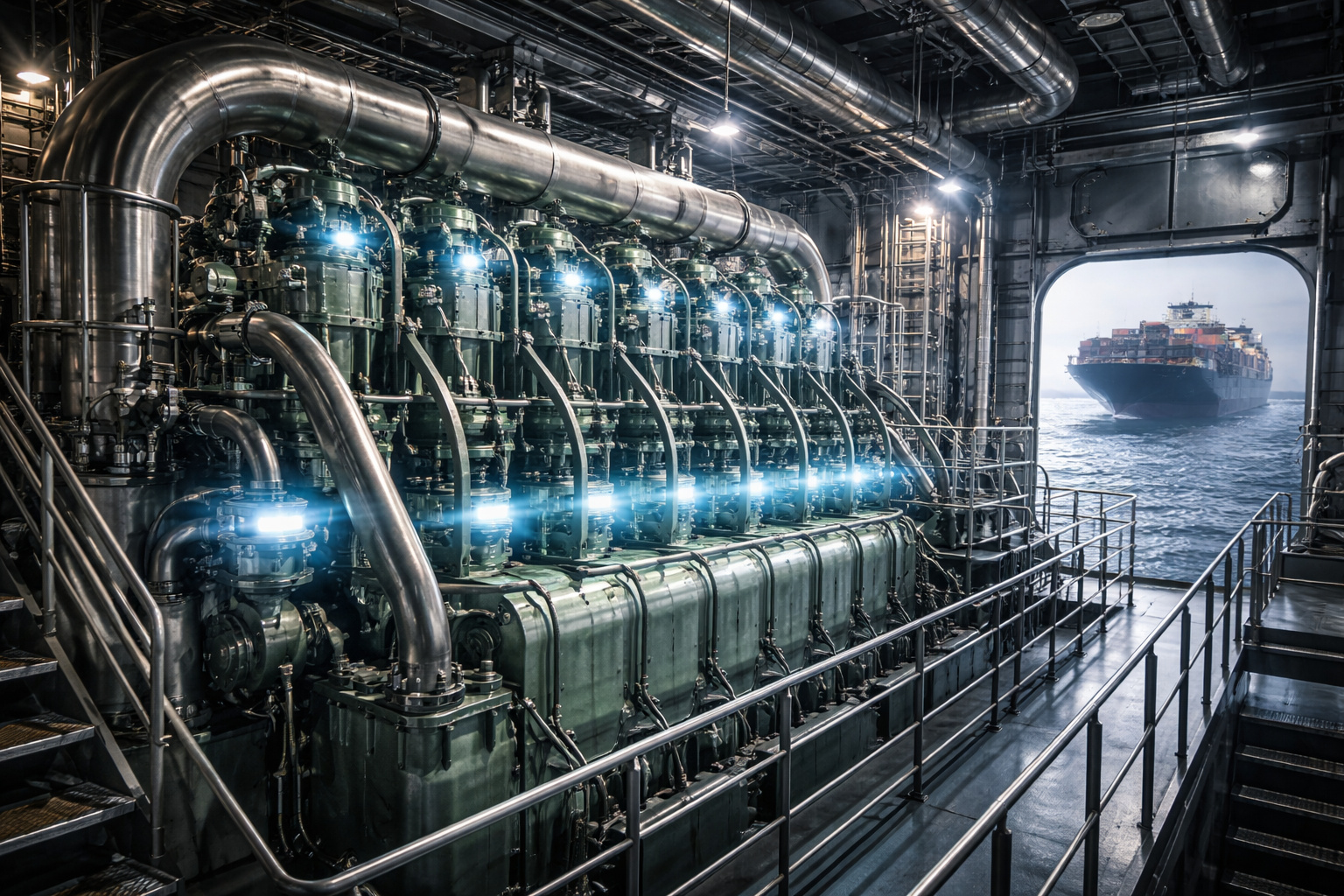
Europe is trying to create an ammonia-powered marine engine without auxiliary fuel, which could unlock the race for giant emission-free ships. The technology aims to eliminate one of the biggest obstacles to clean maritime propulsion.
-
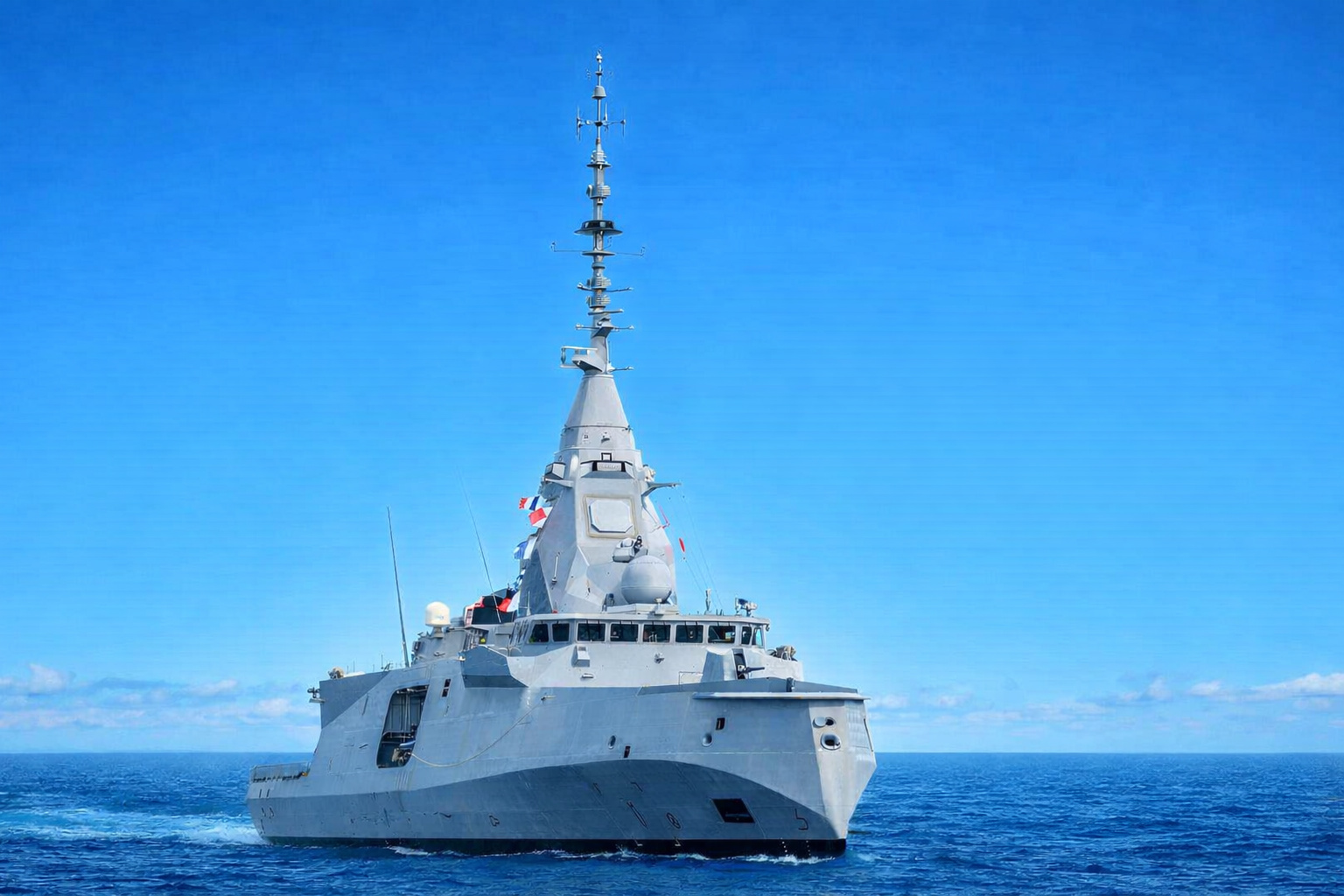
A 4,500-ton frigate with just over 100 crew members, state-of-the-art radar, and cruise missiles is being touted as the new standard of naval warfare in the 21st century.
-
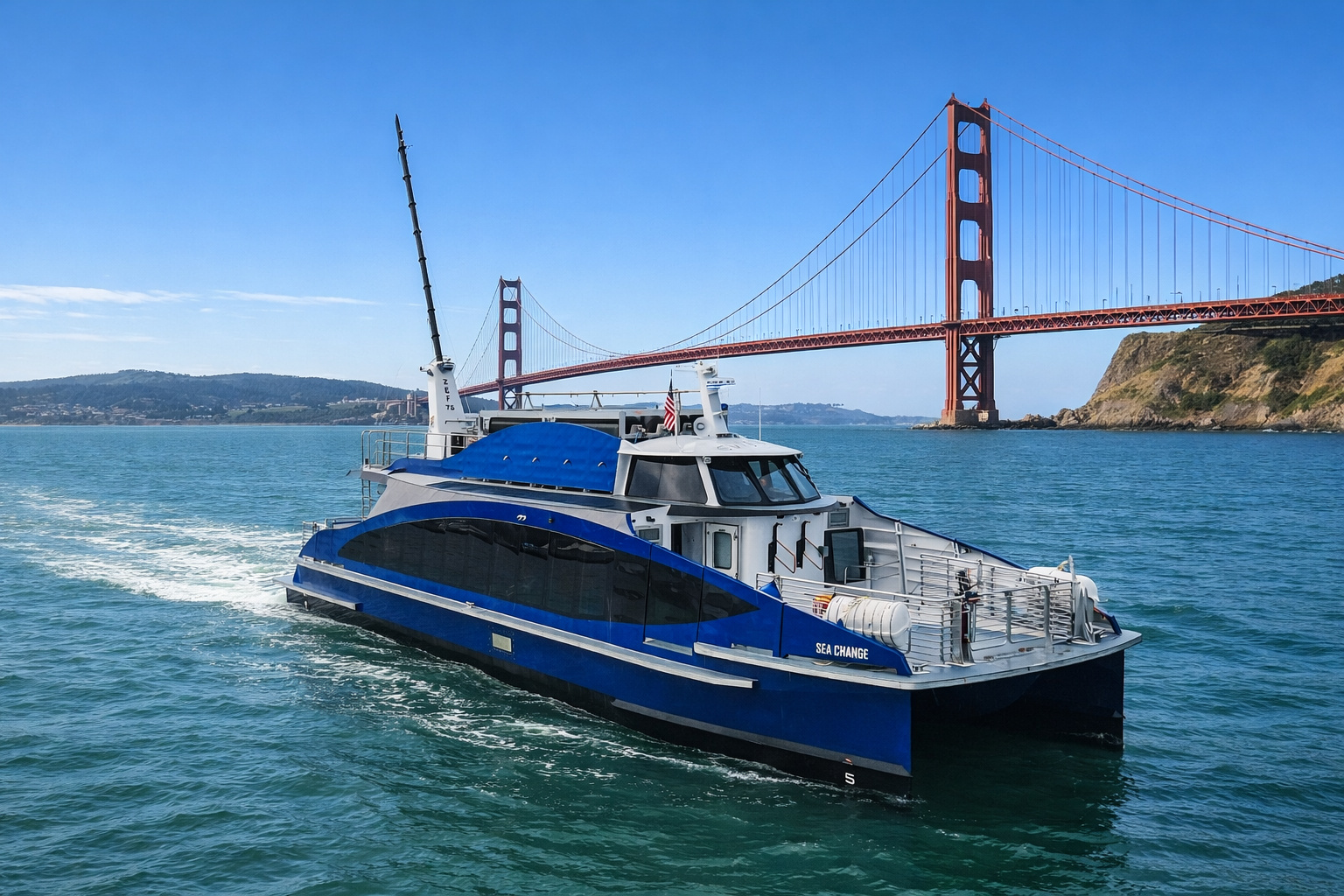
The first commercial hydrogen-powered ferry enters operation in the U.S., eliminates the use of diesel, uses fuel cells to generate clean energy on board, and transforms San Francisco Bay into a landmark of the new era of emission-free navigation.

The engines of the Triple-E Class ships are the largest in the world, with eight cylinders, 800 millimeters in diameter and 3,450 millimeters in stroke. They have a power output of 29.7 MW each, with a fuel consumption of 168 g/kWh (21.2 thousand liters per day). The ships’ propellers are the largest ship propellers in the world, with four blades and a diameter of 9.8 meters.
But how can such a large ship be efficient and sustainable? The answer lies in its design and technology. Its two diesel engines, each powering a separate propeller, allow it to cruise at an optimal speed of 35 km/h, consuming less fuel and emitting fewer pollutants than other cargo ships. Additionally, the ship has a waste heat recovery system that harnesses heat generated by the engines to produce electricity for onboard systems. The ship’s hull is also designed to reduce water resistance and increase cargo capacity.
With a total investment of US$ 3.8 billion by Maersk, the Triple-E is part of a fleet of 20 ships of the same class, which were ordered by the multinational in 2011 and delivered between 2013 and 2015. Each ship was built at a shipyard in South Korea, in a process that took 375 days per ship. The ships operate on trade routes between Asia and Europe, transporting various products such as clothing, electronics, food, and vehicles.
Maersk Ships Can Save Up to US$ 350 Million Per Year in Fuel

The Triple-E Class ships bring several benefits to Maersk and the maritime transport sector in general. They allow the company to reduce its operating costs and increase its competitiveness in the global market. They also contribute to the sustainability of the business and to reducing the environmental impact of the activity.
According to Maersk, the Triple-E Class ships can save up to US$ 350 million per year in fuel and reduce CO2 emissions by up to 2.5 million tons per year. This is equivalent to removing about 425,000 cars from the roads or planting about 62 million trees.
Moreover, the Triple-E Class ships can meet the growing demand for maritime transport between Asia and Europe, which is the busiest trade route in the world. They can carry more cargo per trip, reducing the number of trips needed and optimizing the use of port infrastructure.
Triple-E: A Masterpiece of Naval Engineering and a Milestone in the History of Maritime Transport
As global demand for container transport continues to grow, Maersk is constantly seeking to enhance its fleet. While the Triple-E Class has already set a new standard in the industry, the company continues to invest in innovation and technology to further improve its ships.
Future Maersk ships are being designed to be even more sustainable and efficient, incorporating new energy sources such as hydrogen or electricity propulsion. Maersk is committed to leading the transition to cleaner and more sustainable maritime transport.
The Triple-E is undoubtedly a masterpiece of naval engineering and a milestone in the history of maritime transport. It represents a new generation of container ships that combine size, efficiency, and sustainability.








-

-

2 pessoas reagiram a isso.