





 Portuguese
  English
  Spanish
  3 min of reading
  0 comments


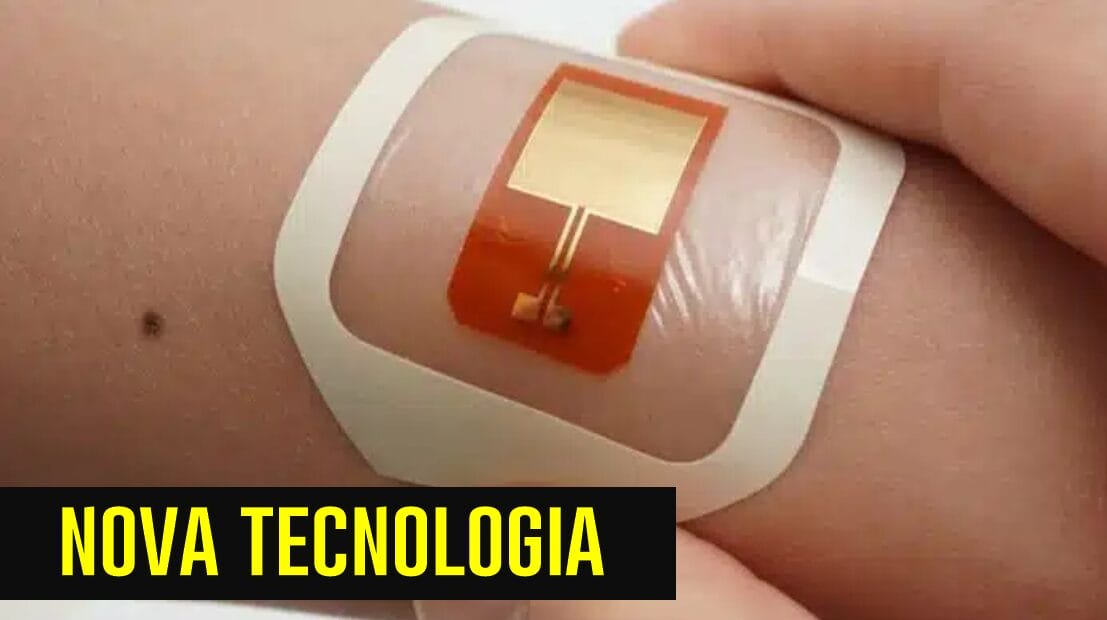
Scientists Develop Device That Prevents Bacterial Infections With Small Electric Currents, Without the Use of Medications. Understand How This Technology Can Change Treatment and Combat Bacterial Resistance!
Researchers from the University of Chicago and the University of California, San Diego, have developed an innovative technology to combat bacterial infections, without the use of medications. This device, called BLAST (Bioelectronic Localized Antimicrobial Stimulation Therapy), offers a safe and effective solution for reducing skin infections through low-voltage electrical stimuli.
Without Medications? How Does the BLAST Device Work?
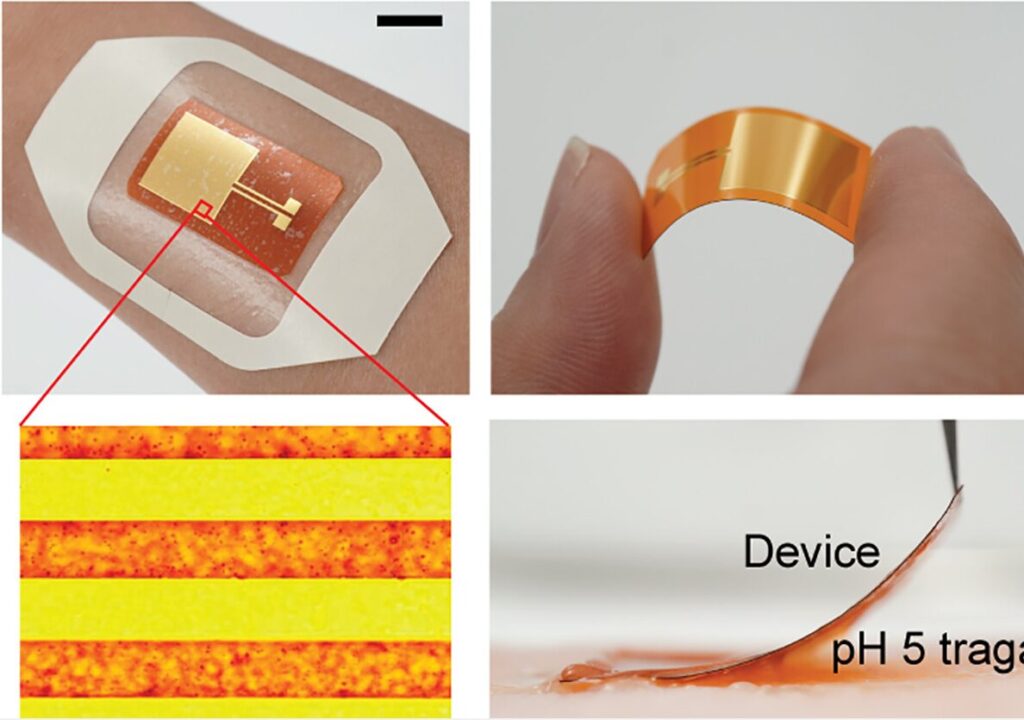
BLAST is a bioelectric skin patch that emits low-intensity electric currents, sufficient to affect bacteria like Staphylococcus epidermidis – a microorganism naturally present on human skin that, under certain circumstances, can cause dangerous bacterial infections.
The goal of the research, published in the Device journal by Cell Press, was to test the effect of these stimuli in an environment similar to human skin. To achieve this, the researchers used pig skin, which is widely used in dermatological studies due to its structural similarity to human skin.
-
While the world looks at oil, the war with Iran is already disrupting helium supply from Qatar, affecting car and iPhone chips, threatening AI expansion, and putting pressure on aluminum packaging at the highest value in four years.

-
Global warming will expose a treasure hidden under the ice of Antarctica and may spark an international dispute over gold and valuable minerals.

-
A street vendor from Praia Grande built a robot made of scrap from scooters and washing machines that pulls his popcorn cart on the beach, emits sounds, and interacts with customers, becoming an attraction on the coast of São Paulo.

-
The specifications of the Xiaomi 18 Pro Max have been leaked, and the highlight is a dual 200 MP camera with a new 22-nanometer technology that promises to consume less energy and capture details in shadows and bright areas using LOFIC HDR.

During the tests, a reduction of nearly tenfold in bacterial presence was observed, highlighting the device’s potential to inhibit infections.
Against Bacterial Infections – Challenges with Antibiotic Use and the Need for Alternatives
Traditional antibiotics are widely used to combat bacterial infections, but they come with undesirable side effects, such as nausea and fever. Additionally, the excessive use of antibiotics is linked to the development of resistant bacterial strains. In particular, Staphylococcus epidermidis already shows variants resistant to all classes of currently available antibiotics.
Bacterial biofilms are particularly resistant to conventional treatments, and antibiotics, in many situations, cannot completely eliminate these formations, allowing infections to return. BLAST, by offering a medication-free alternative, represents a significant advancement in bioelectronic medicine, making it possible to treat bacterial infections with a lower risk of developing bacterial resistance.
Process and Results of Tests with the BLAST Device
During the tests, scientists applied a mild electric current of 1.5 volts for 10 seconds every 10 minutes, over a period of 18 hours. These electrical pulses were able to alter bacterial activity without completely eliminating it. This is especially important because S. epidermidis plays a role in healing and maintaining skin health. Thus, the researchers were concerned about not eradicating it entirely, as its absence could create imbalances.
“Since Staphylococcus is part of the natural microbial ecosystem of our skin, our idea is not to eradicate it but to maintain a balance that allows us to combat infections without causing other problems,” explains Gürol Süel, one of the study’s authors.
For BLAST to work optimally, researchers applied an acidic solution along with the device, as healthy human skin is slightly acidic. In contrast, infected wounds tend to have a more basic pH, which facilitates bacterial proliferation. With the help of electrodes and a hydrogel, BLAST was able to create a controlled acidic environment, essential for inhibiting bacteria without damaging the skin.
Future of Bioelectronic Technology and Possible Applications
With positive test results, researchers believe that BLAST could soon be a viable option for treating patients with chronic wounds or those using medical implants. The team is already exploring the possibility of integrating a wireless remote control system into the device, which would facilitate its use in clinical and home settings.
This advancement in bioelectronic medicine offers hope for millions of people suffering from recurrent infections and antibiotic resistance. The partial or complete replacement of antibiotic use with bioelectronic methods, like BLAST, could represent a revolution in controlling bacterial infections.
In summary, the BLAST device not only presents an innovative method but also suggests a new direction for medicine, where less invasive treatments without side effects become an accessible and safe reality.








Seja o primeiro a reagir!