





 Portuguese
  English
  Spanish
  6 min of reading
  0 comments


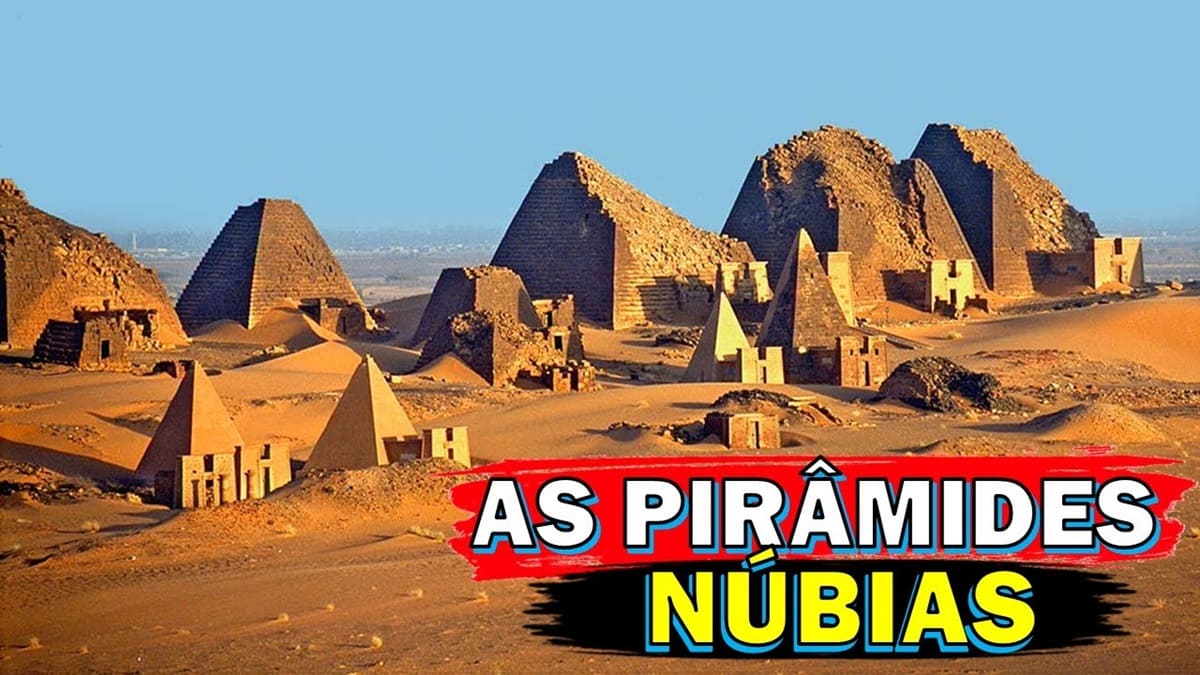
Far Beyond the Famous Constructions of Egypt, There is Another Set of Pyramids That Impresses with Their Quantity and Mysteries. Erected by an Ancient African Civilization, These Structures Reveal a Rich History Marked by Kings, Rituals, and a Writing That is Still Not Fully Deciphered.
The Pyramids of Sudan Attract Attention from Researchers and Tourists from All Over the World.
Known as Meroë Pyramids, they belong to an ancient African civilization that Built Impressive Structures, Far from Egypt.
Smaller and Narrower than the Egyptian Pyramids, These Pyramids Are Unique. And Even Today, They Raise Questions.
-
The Argentine government celebrates the lowest poverty rate in 7 years, but experts warn that the methodology has changed, real wages have fallen, unemployment has risen, and the number of people on the streets of Buenos Aires has increased by 57% since Milei took office.

-
7.8 magnitude earthquake in Indonesia frightens the population, triggers tsunami alert, and hits an island with over 200,000 inhabitants this Thursday.
-
Google will finally let you change that embarrassing Gmail address you created in your teenage years without losing any accounts, logins, or old emails: the feature is already available in the United States.

-
Heading to Brazil in a Bonanza F33 single-engine aircraft: a couple departs from Florida on a visual flight, makes technical stops in the Caribbean to refuel and organize paperwork, and begins the staged crossing until they reach the country.


Location in the Nubian Desert
The Meroë Pyramids are Located in Present-Day Sudan.
More Specifically, They Are About 200 Kilometers North of the City of Khartoum, the Capital of the Country. They Are Located Between the Nile River and the Nubian Desert.
The Region Was Part of an Ancient African Kingdom That Had a Strong Presence in Northeast Africa for Many Centuries.
The Exact Site Where the Pyramids Are Located Belongs to the So-Called “Island of Meroë.”
Despite the Name, It is Not a Common Island. The Term is Used to Indicate the Area Between Two Branches of the Nile, Highlighting the Ancient City of Meroë, the Capital of the Kingdom of Kush.
More Than 200 Pyramids Built
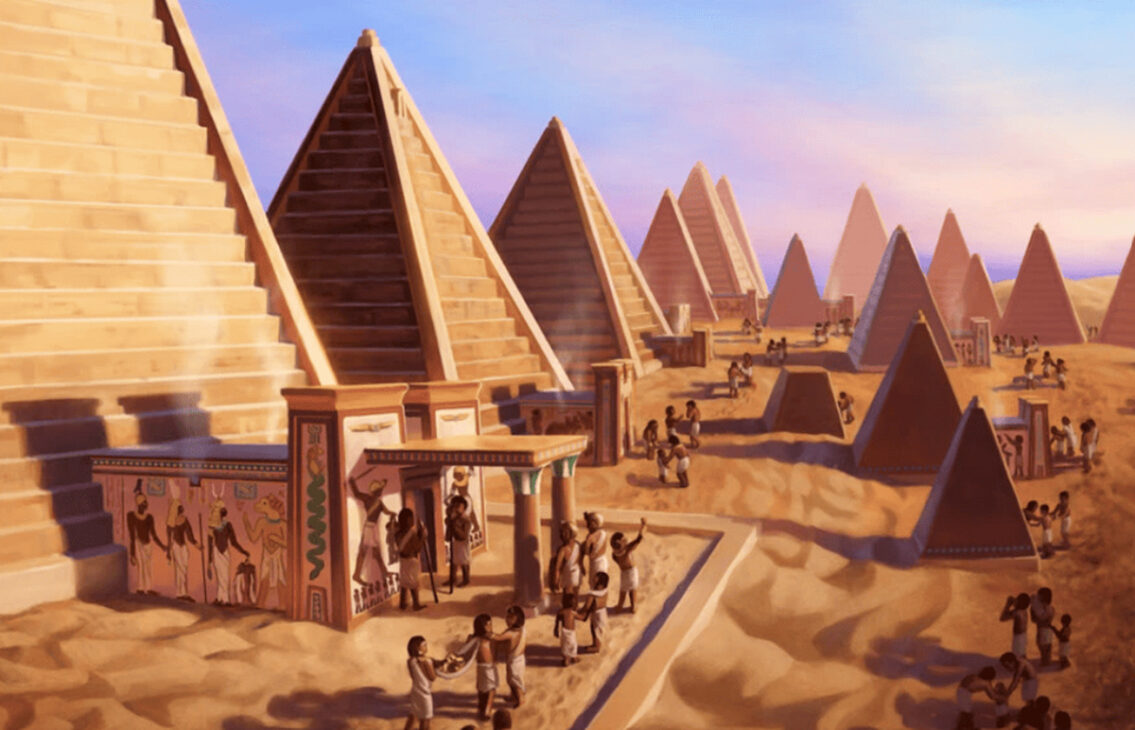
In Total, There Are More Than 200 Pyramids Built in Meroë.
They Are Divided into Three Large Cemeteries: North, South, and West. Most of the Pyramids Are in the North Group, Which Contains Dozens of Royal Tombs.
These Cemeteries Were Used by Kings, Queens, and Members of the Elite of the Kingdom of Kush.
The Pyramids Were Built with Local Stones. They Are Smaller than the Egyptian Ones and Have a Much Steeper Incline.
Some Are Just 6 Meters Tall. Others Reach About 30 Meters. The Base is Narrow and the Shape is Pointed. This Gives a Very Different Look Compared to the Pyramids of Giza, for Example.
Kingdom of Kush and Egyptian Influence
The Kingdom of Kush Was One of the Oldest and Most Powerful Civilizations in Africa.
It Emerged Around the 8th Century BC and Maintained Influence Until the 4th Century AD. During Part of Its History, This Kingdom Even Dominated Egypt, During the So-Called 25th Dynasty.
It Was During This Period That the Kushite Kings Took the Throne of Egypt and Came to Be Known as “Black Pharaohs.”
Despite the Strong Egyptian Influence, the Kingdom of Kush Developed Its Own Characteristics. The Meroë Pyramids Are an Example of This.
They Were Built Centuries After the Pyramids of Egypt and Follow a Totally Different Style.
The Use of Pyramids as Tombs Was a Heritage Tradition, but the Shape and Materials Were Adapted to Local Culture.

Underground Chambers and False Doors
Each Pyramid in Meroë Served as a Royal Tomb. But the Internal Space of the Structures is Limited. Therefore, Bodies Were Not Placed Inside the Pyramids.
The Funeral Chambers Were Located Underground, Dug Beneath the Base of the Structures. It Was There That Bodies Were Buried, Along with Personal Items and Offerings.
At the Entrance of Each Pyramid, There is a Small Chapel or Temple. These Spaces Have Inscriptions on the Walls.
Some of These Inscriptions are in Meroitic Script, Which Has Not Yet Been Fully Deciphered. In Front of Each Chapel, There Was a “False Door.”
This Symbolic Door Indicated the Passage Between the World of the Living and the World of the Dead.
Designation by UNESCO
In 2011, the Archaeological Complex of Meroë Was Recognized as a World Heritage Site by UNESCO. The Title Protects the Region and Ensures International Support for Its Preservation.
In Addition to the Pyramids, the Site Also Includes Ruins of the Ancient City, Temples, Remains of Palaces, and Water Catchment Systems.
The UNESCO Recognition Highlights the Cultural and Historical Value of the Meroë Pyramids.
According to the Organization, They Are One of the Most Important Expressions of Kushite Civilization. The Site Preserves Traditions, Rituals, and Knowledge of an African Culture That for a Long Time Was Marginalized in History Books.
Looting and Destruction in the 19th Century
In the 19th Century, Many Pyramids of Meroë Were Destroyed. The Responsible Party Was Italian Explorer Giuseppe Ferlini.
He Arrived in Sudan Around 1830 and Decided to Search for Gold in the Pyramids. To Do This, He Used Explosives and Destroyed Dozens of Structures.
Ferlini Believed There Were Hidden Treasures Inside the Pyramids. In Some Cases, He Found Valuable Objects, Which Are Now in Museums in Germany. But the Cost Was High.
Several Tombs Were Lost, and the Damage to the Heritage is Irreparable. Therefore, Ferlini is Remembered as One of the Main Responsible for the Destruction of Kushite Heritage.
Meroitic Script and Unanswered Mysteries
One of the Great Mysteries of Meroë is the Writing Used by the Kushites. Known as Meroitic Script, It Appears in Various Inscriptions on the Pyramids and Temples of the Region.
To This Day, Scholars Have Not Been Able to Fully Decipher This System. This Hinders a Deeper Understanding of the Local Culture and History.
The Meroitic Script Used Symbols Different from Egyptian Hieroglyphs. It Could Be Written Vertically or Horizontally, and Had Simplified Forms.
Archaeologists Believe This System Represented Both Sounds and Ideas.
However, Since There is No Known Equivalent (Like the Rosetta Stone for Hieroglyphs), Complete Translation is Still a Challenge.
Visits and Preservation
Today, the Meroë Pyramids Can Be Visited by Tourists. The Region is Accessible by Road and Attracts People Interested in Ancient History.
The Desert Scene, with the Pyramids in the Background, is Considered One of the Most Impressive in Africa.
Even with the UNESCO Designation, the Site Still Faces Challenges. The Preservation of the Structures Depends on Constant Resources and Efforts.
The Dry Climate Helps in Conservation, but the Action of the Wind and Human Presence Can Cause Damage.
Therefore, There Are Ongoing Projects to Restore Damaged Parts and Ensure the Protection of the Pyramids for Future Generations.
A Little-Known African Legacy
The Meroë Pyramids Show That the History of Africa Goes Far Beyond Egypt. They Represent a Grand Past, with Kings, Queens, Temples, Wars, and a Unique Culture. The Kingdom of Kush Was a Regional Power for Centuries.
It Dominated Territories, Faced Adversaries, and Left a Deep Mark on the Architecture of the Region.
Even With All Its Importance, the Kingdom of Kush is Still Little Known Outside the African Continent. The Meroë Pyramids Are a Way to Remember This Legacy.
They Have Withstood Time, Destruction, and Forgetting. And Today They Serve as a Symbol of a Civilization That Deserves to Be Studied, Respected, and Valued.
Main Information About the Meroë Pyramids, with Objective Answers:
| Question | Answer |
|---|---|
| Who Built Them? | The People of the Kingdom of Kush, an Ancient African Civilization. |
| Where Are They Located? | In Present-Day Sudan, About 200 km North of Khartoum, Between the Nile and the Nubian Desert. |
| How Many Pyramids Exist? | More than 200 Pyramids. |
| When Were They Built? | Between About 800 BC and 350 AD. |
| What Were They For? | They Were Royal Tombs for Kings, Queens, and Nobles of the Kingdom of Kush. |
| How Do They Differ from the Egyptian Pyramids? | They Are Smaller, Steeper, with a Narrow Base and Attached Chapels. |
| What is the Interior Like? | They Have Underground Funeral Chambers and Chapels with Inscriptions. |
| What Writing Was Used? | Meroitic Script, Still Partially Undeciphered. |
| Why Are They Little Known? | They Receive Less Attention than the Egyptian Pyramids and Suffered Looting in the 19th Century. |
| World Heritage? | Yes, Recognized by UNESCO in 2011. |









-

-

-

-

7 pessoas reagiram a isso.