





 Portuguese
  English
  Spanish
  3 min of reading
  0 comments


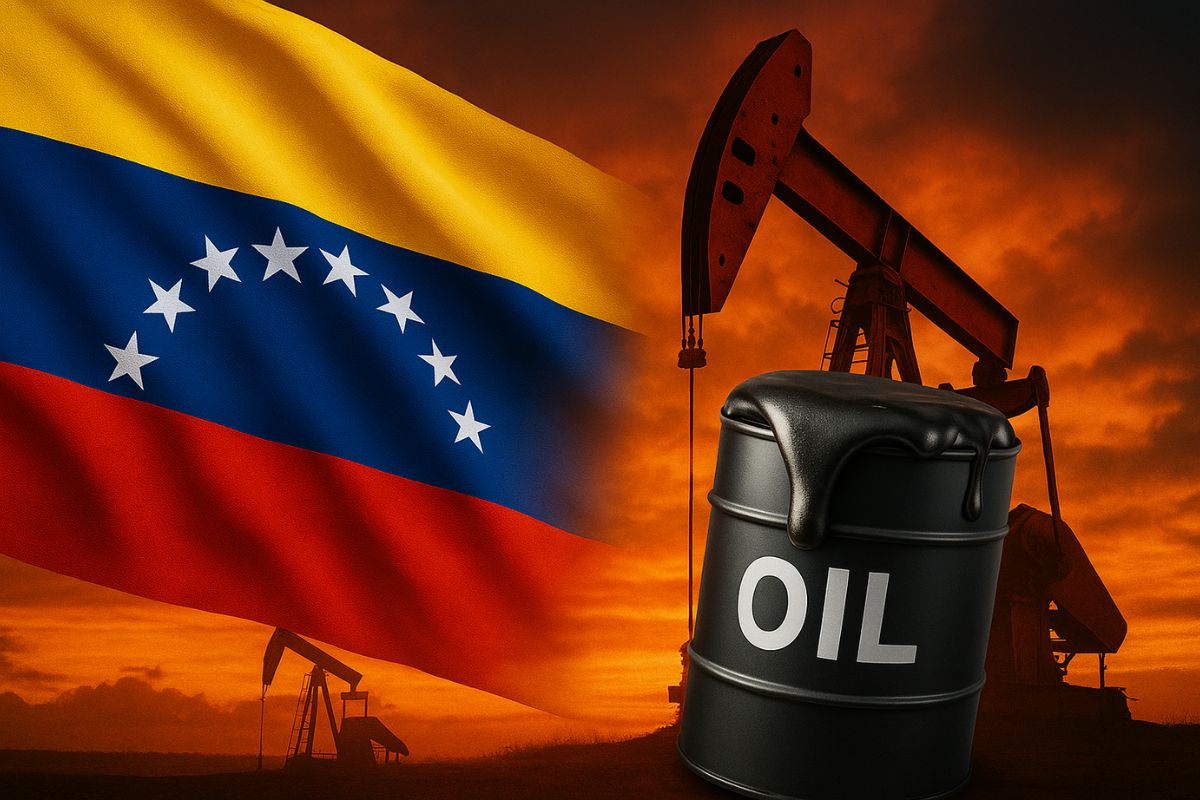
Despite Leading the Global Reserves Ranking, Venezuela Suffers Low Production Due to Sanctions, Structural Collapse, and Political Crisis
The claim that Venezuela has more oil than anywhere else in the world is backed by official data from the U.S. Energy Information Administration (EIA). With 303 billion barrels certified, the country surpasses even Saudi Arabia. However, what impresses in the reserves contrasts with the harsh reality of production.
Even with such wealth underground, Venezuela faces serious difficulties in extracting, refining, and marketing oil on a large scale. The country once produced 3 million barrels per day, but today it hovers around 770,000 — placing it in 21st position among the largest global producers, according to data from OPEC and the EIA itself.
Reserves Are Not Synonymous with Production
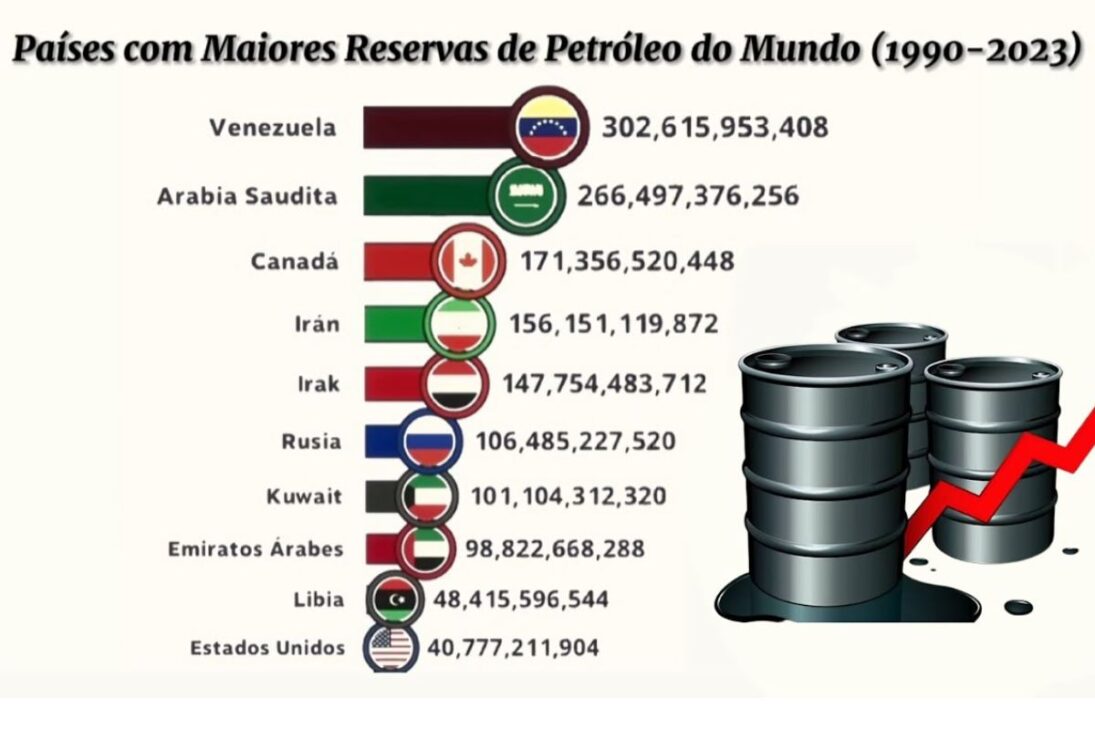
According to a survey by Visual Capitalist based on the EIA, Venezuela has more oil than anywhere else, followed by Saudi Arabia (267 billion barrels) and Iran (208 billion). Other countries in the ranking include Canada, Iraq, United Arab Emirates, Kuwait, Russia, and the U.S.
-
Petrobras surprises the world again by announcing a new discovery in the pre-salt with excellent quality oil.
-
Offshore industrial demand in Macaé skyrockets with the recovery of oil and gas and could grow by up to 396% by 2026 in the Campos Basin.
-
Offshore industrial demand in Macaé surges with the recovery of oil and gas and could grow by up to 396% by 2026 in the Campos Basin.
-
Brazilian giant expands borders in the Southeast: Petrobras confirms new oil discovery in ultra-deep waters in the pre-salt of the Campos Basin.

However, active production is dominated by the United States, Russia, and Saudi Arabia, which operate between 8 and 12 million barrels per day. Venezuela, despite having massive reserves, cannot keep up due to various factors: infrastructure deterioration, economic sanctions, lack of foreign investment, and the flight of technical talent from PDVSA (the state oil company).
The Political Power of OPEC and the Strategic Role of Oil
Venezuela is a founding member of OPEC (Organization of the Petroleum Exporting Countries), created in 1960 alongside Iran, Kuwait, Iraq, and Saudi Arabia. The group controls about 80% of the world’s reserves and acts by coordinating production among its members — which directly affects global oil prices.
Even with this power, Venezuela has little practical influence in the international market. The country sells part of its production to China and other partners that ignore U.S. and European Union sanctions. In this case, lower prices become a bargaining chip.
China Enters the Game with Record Production
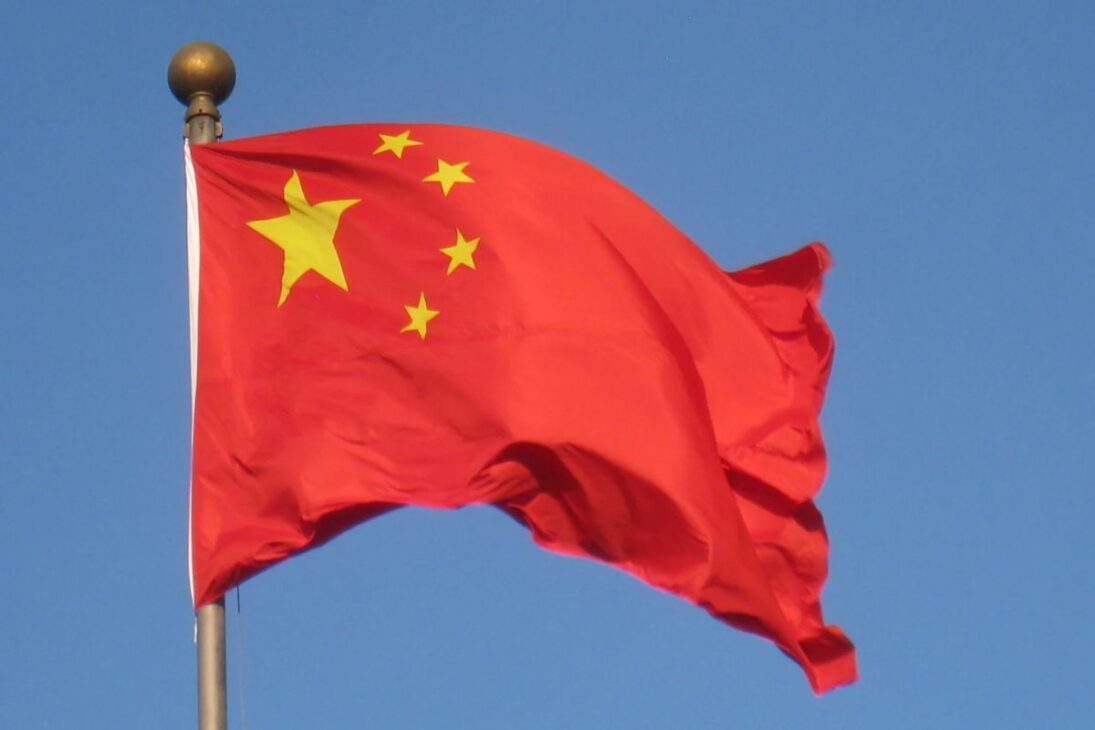
Although it does not rank among the countries with significant reserves, China has been heavily investing to reduce its external dependence. In March 2025, it hit a record of 4.6 million barrels per day produced. Additionally, the country holds over 1.1 billion barrels in stock, reinforcing its energy security amid global crises.
Meanwhile, the United States maintains about 400 million barrels in strategic reserves, ready for use in emergencies, such as supply shocks or international conflicts.
Oil Still Defines the Global Board
Even with the advance of renewable energy, oil remains central to geopolitics. Conflicts like those in the Middle East, tensions in the Persian Gulf, and even the war between Russia and Ukraine show that oil still moves armies, alliances, and sanctions.
In the case of Venezuela, the challenge goes beyond extraction: it is a matter of institutional and economic reconstruction. Until then, the country will continue to be the “rich one who cannot spend,” with the largest oil treasure in the world — but with limited production and reduced influence.
Do you believe Venezuela will manage to reverse this scenario and become an oil power again? Or is the world already moving beyond oil? Share your opinion in the comments.






-

Uma pessoa reagiu a isso.