





 Portuguese
  English
  Spanish
 4 min of reading
  0 comments


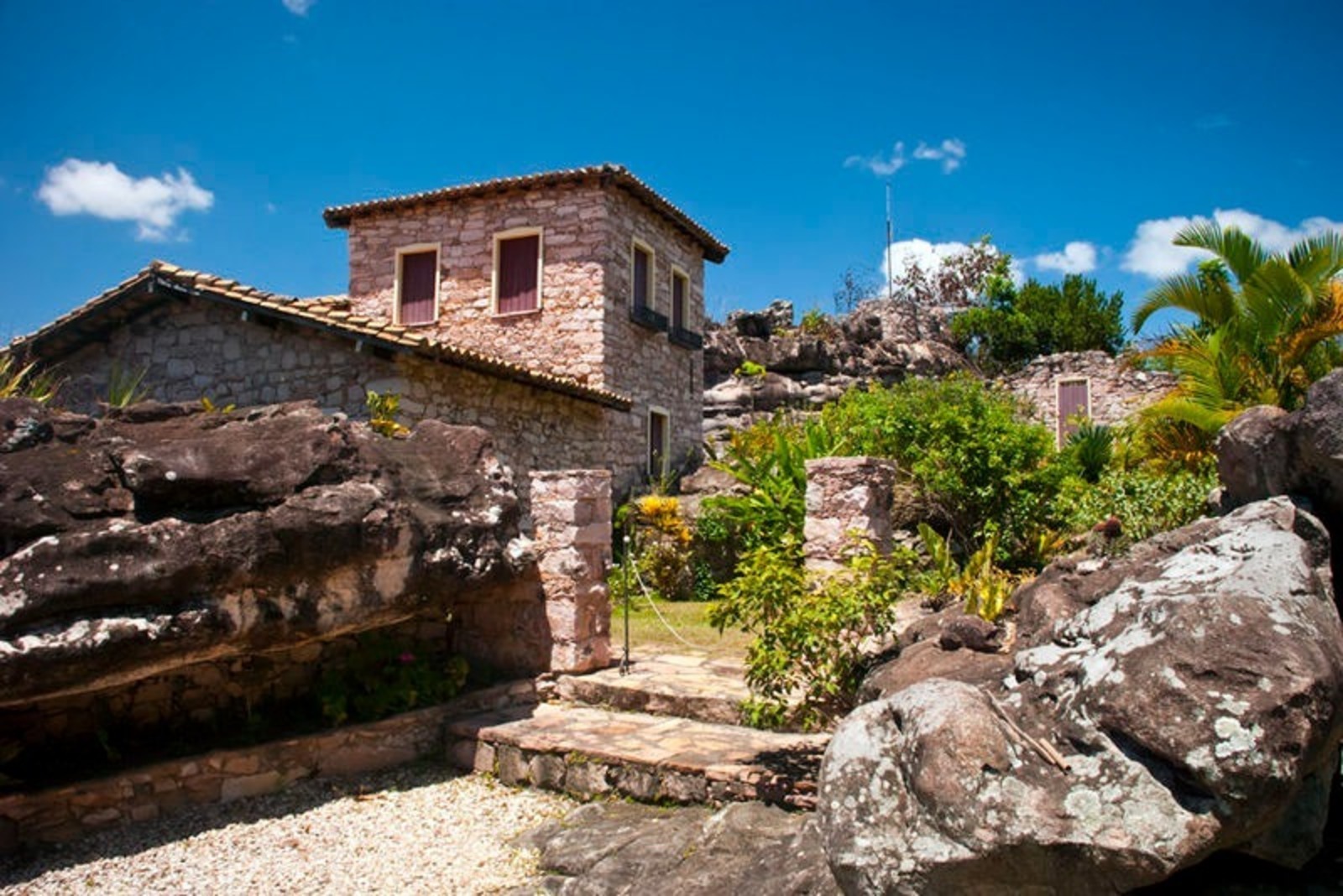
Between Stone Ruins and Mining Stories, Igatu, District of Andaraí, in Chapada Diamantina, Preserves the Memory of the Diamond Cycle and Charms Tourists with Its Landscapes, Trails, and Centenary Buildings
It is no coincidence that the small district of Igatu, in Andaraí, Bahia, is known as “the Brazilian Machu Picchu.” Its stone ruins, scattered across slopes and trails, resemble the ancient Incan city and impress those who arrive in Chapada Diamantina.
With about 480 inhabitants and located 433 kilometers from Salvador, the village has a history marked by the brilliance of diamonds and the strength of its residents.
It all began in the 19th century, when the first precious stones were found in the Cumbucas River.
-
Friends have been building a small “town” for 30 years to grow old together, with compact houses, a common area, nature surrounding it, and a collective life project designed for friendship, coexistence, and simplicity.

-
This small town in Germany created its own currency 24 years ago, today it circulates millions per year, is accepted in over 300 stores, and the German government allowed all of this to happen under one condition.

-
Curitiba is shrinking and is expected to lose 97,000 residents by 2050, while inland cities in Paraná such as Sarandi, Araucária, and Toledo are experiencing accelerated growth that is changing the entire state’s map.

-
Tourists were poisoned on Everest in a million-dollar fraud scheme involving helicopters that diverted over $19 million and shocked international authorities.


The news attracted crowds. Miners, merchants, and adventurers occupied the mountain range and built their homes with the most abundant material: the rejected rocks from mining.
Thus were born the famous “tocas,” houses made of stacked stones that seem to merge with the landscape.
At the height of the gold rush, Igatu had nearly 10,000 residents. But, with the depletion of the deposits, the district was abandoned.
The stones remained, transforming into ruins. Decades later, it was these same ruins that attracted people again—this time tourists and artists—eager to rediscover the place.
Beauty and History in Every Trail of the Brazilian Machu Picchu
Walking through Igatu is like crossing a portal in time. The five main streets of the village can be walked at a leisurely pace, observing the stone cemetery, the old homes, and the Church of São Sebastião.
In the surroundings, the neighborhood of Luís dos Santos preserves one of the most impressive architectural ensembles in Chapada Diamantina.
Listed by the National Institute of Historic and Artistic Heritage (Iphan), the site showcases the ingenuity of the ancient miners: precisely fitted walls, windows carved into the rock, and walls that seem molded by the terrain.
The natural scenery is dominated by the Paraguaçu River and the mountains that fade into the horizon. Ancient paths used by drovers, once used for transporting goods, now serve as trails.
They lead visitors to historic mining sites such as Bicano, Califórnia, and Raposo.
Raposo, the furthest, offers a breathtaking view and a sense of absolute isolation. The Califórnia waterfall, with its cold water, invites visitors to rest after the hike.
Guardians of Memory
The history of Igatu is also made by those who remained. Local residents preserve traditions and memories of a time when mining shaped the community’s life.
Maria de Lourdes Oliveira, 50, is an example of this resilience. The granddaughter of an enslaved man, she grew up in a toca with 11 people.
Today, she combines stone and concrete in her new house, merging comfort and tradition. She works with crafts and fabrics, while her sisters serve coffee and local snacks to visitors.
Another key figure is visual artist Marcos Zacaríades. Creator of the Arte & Memória Gallery, he transformed part of the ruins into an open-air museum.
He cataloged tocas, ruins, and mining tools, forming a collection that blends art, history, and archaeology.
Thanks to his work, Igatu has become a meeting point for artists and scholars seeking inspiration among the stones.
Amarildo dos Santos, the village’s “chronicler,” also stands out. The son of the owner of the traditional Bar Igatu, he maintains his own census, recording births, deaths, and relocations.
This data turns into books sold from his own home, offering a faithful depiction of the community’s daily life.
The Challenge of Preserving the Past in the Brazilian Machu Picchu
Since the creation of the Chapada Diamantina National Park in 1985, and the listing of the architectural ensemble of Igatu by Iphan in the 2000s, the district has begun to welcome visitors from Brazil and abroad.
Tourism has brought income and new opportunities, but also challenges. Modern constructions and masonry renovations ensure comfort, but threaten the aesthetic balance that makes Igatu a unique place.
Among centennial stones and preserved memories, the village of Andaraí continues to serve as a rare example of coexistence between the past and the future—a living museum, sculpted in rock and sustained by the strength of its own people.
With information from Aventuras na História.









-

-

-

3 pessoas reagiram a isso.