





 Portuguese
  English
  Spanish
  3 min of reading
  0 comments


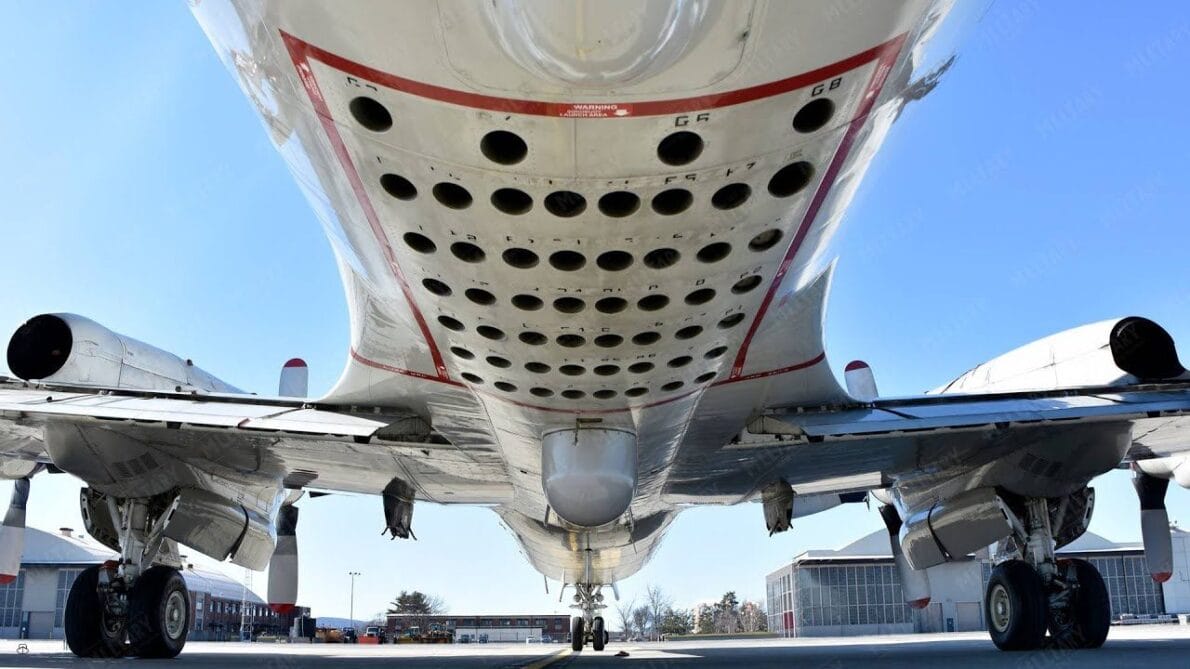
In The World Of Military Aviation, Protection Against Submarines Is One Of The Main Priorities Of The United States Navy. Adversary Submarines, Such As The Russian Typhoon Class And The Chinese Shang 2 Class, Represent Serious Threats To American Aircraft Carriers. To Confront These Silent Threats, The United States Navy Relies On A Special Aircraft: The Lockheed Martin P-3 Orion.
Since Its First Flight In 1959, The P-3 Orion, A Maritime Patrol Aircraft, Has Been A Key Component In The Defense Of The United States Maritime Domain. Developed To Replace Older Aircraft, Such As The Lockheed P-2 Neptune And The Martin P-5 Marlin, The P-3 Brought New Capabilities And Efficiency To Maritime Patrol And Anti-Submarine Warfare.
The P-3 Orion Is Derived From The Commercial Aircraft L-18 Electra, But Has Several Modifications For Its Military Missions. With Four Allison T56 Turboprop Engines, The P-3 Can Reach A Maximum Speed Of 761 Km/H. It Features An Internal Bomb Bay That Can Carry Torpedoes And Various Types Of Missiles, As Well As Support External Loads On Its Wing Hardpoints.
The P-3 Orion Is Not Just A Maritime Patrol Aircraft; It Is A Multifunctional Platform. Its Missions Include:
Anti-Submarine Warfare (ASW): Utilizes Advanced Sensors To Detect And Track Enemy Submarines.
-
São Paulo surprises the world with a colossal railway network project that promises over 1,000 km of tracks, R$ 194 billion in investments, and 40 projects connecting the capital to the interior with fast and sustainable trains.

-
The world’s largest escalator, measuring 905 meters in China, reduces urban travel time from 1 hour to about 20 minutes and transforms mobility in mountainous regions with an engineering solution adapted to the terrain.

-
A R$ 300 million logistics giant is taking shape in Serra with over 100,000 m² and raises a question: how can this transform e-commerce and distribution in the state?

-
Could Uber Rides Lose Minimum Fare? Understand What’s Happening!


Maritime Patrol: Monitors Extensive Areas Of The Oceans To Identify Suspicious Activities.
Reconnaissance Missions: Collects Vital Information On The Movement Of Ships And Other Maritime Activities.
Disaster Assistance: In Search And Rescue Operations, It Can Locate Survivors At Sea.
The P-3 Orion, A Maritime Patrol Aircraft, Is Equipped With A Range Of Advanced Technologies, Including Acoustic And Non-Acoustic Sensors, High-Resolution Radar Systems, And State-Of-The-Art Communication Capabilities. It Can Operate On Long Missions, Often With One Of Its Four Engines Turned Off To Save Fuel And Extend Patrol Time.
Over The Years, Several Versions Of The P-3 Have Been Developed For Different Purposes:
WP-3D Orion: Used By NOAA To Collect Meteorological Data, Especially During Hurricane Season.
EP-3: Electronic Reconnaissance Version That Collects Signals And Intelligence Information.
CP-140 Aurora: Operated By The Royal Canadian Air Force With More Advanced Electronic Systems.
Though The P-3 Orion Is Being Gradually Replaced By The Boeing P-8 Poseidon, It Continues To Be A Vital Part Of The United States Maritime Patrol Fleet
The Complete Transition To The P-8 Poseidon Is Expected To Occur By 2025, But The P-3 Still Plays A Crucial Role In Various Missions Around The World.
The P-3 Orion Is More Than A Maritime Patrol Aircraft; It Is A Symbol Of Security And Vigilance In The Seas Of America. With Decades Of Proven Service, It Remains An Indispensable Tool In The Maritime Defense Of The United States, Demonstrating The Importance Of Innovation And Adaptation In Protecting Our Oceans.
Did You Know That The P-3 Orion Can Disable One Of Its Engines During Long Patrol Missions To Save Fuel And Reduce Noise? This Practice Allows The Aircraft To Stay In The Air For More Than 10 Hours, Ensuring Continuous And Effective Surveillance.









Seja o primeiro a reagir!