





 Portuguese
  English
  Spanish
  3 min of reading
  13 comments


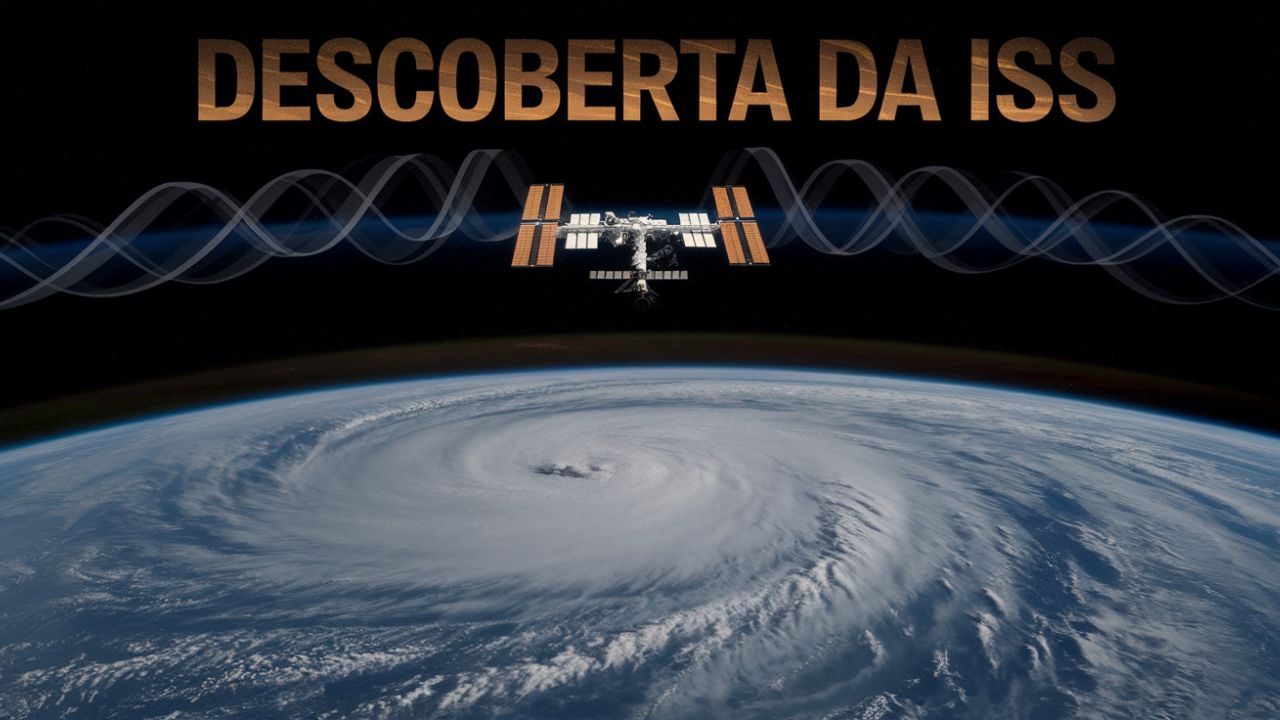


A Rare Phenomenon Was Recorded by the International Space Station in September 2024, Revealing Invisible Atmospheric Waves in the Mesosphere Generated by the Impact of Hurricane Helene, with the Potential to Affect Satellites and Global Communications.
In September 2024, when Hurricane Helene struck Florida with its destructive power, no one imagined that its effects would be felt far beyond ground level. The International Space Station (ISS), located hundreds of kilometers above Earth, captured something unexpected: invisible atmospheric waves crossing the mesosphere. This intriguing discovery reinforces how terrestrial events can impact more distant layers of the atmosphere.
With the help of advanced instruments like AWE, scientists began to unveil patterns that had previously gone unnoticed, showing that even the rarefied air in space is influenced by the storms below.
What Are Atmospheric Waves?
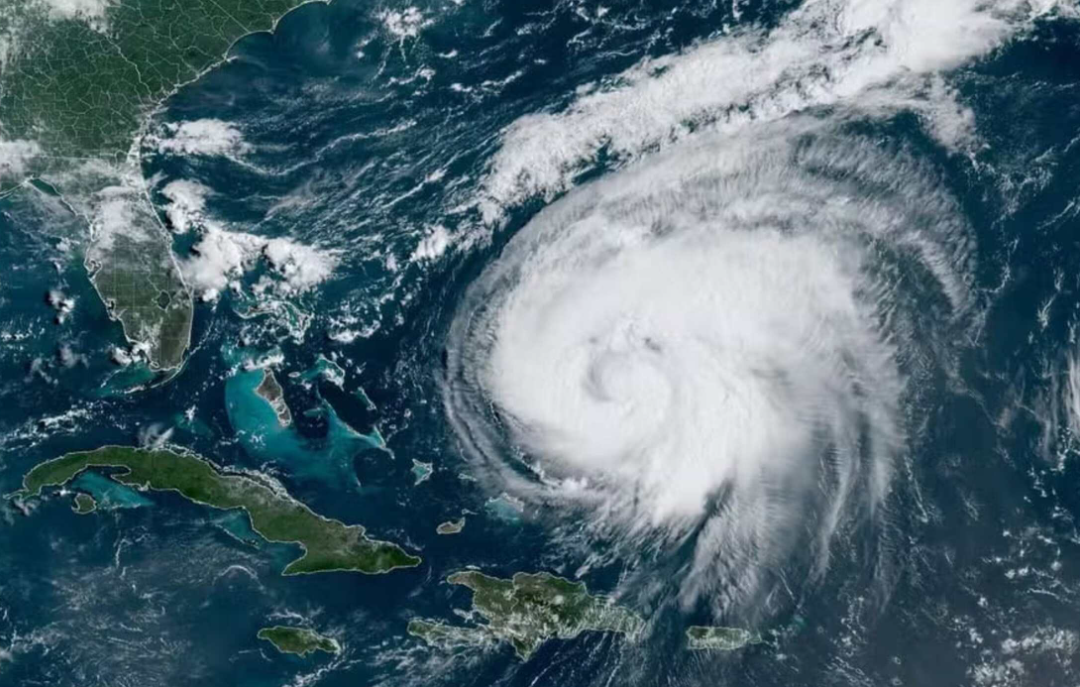
Located between 31 and 55 miles above the ground as observed from the International Space Station, the mesosphere is one of the least explored layers of the atmosphere. Although it may seem isolated, it is sensitive to disturbances coming from the surface. When intense storms, like hurricanes, occur, they can create “ripples” that propagate up to this remote region.
-
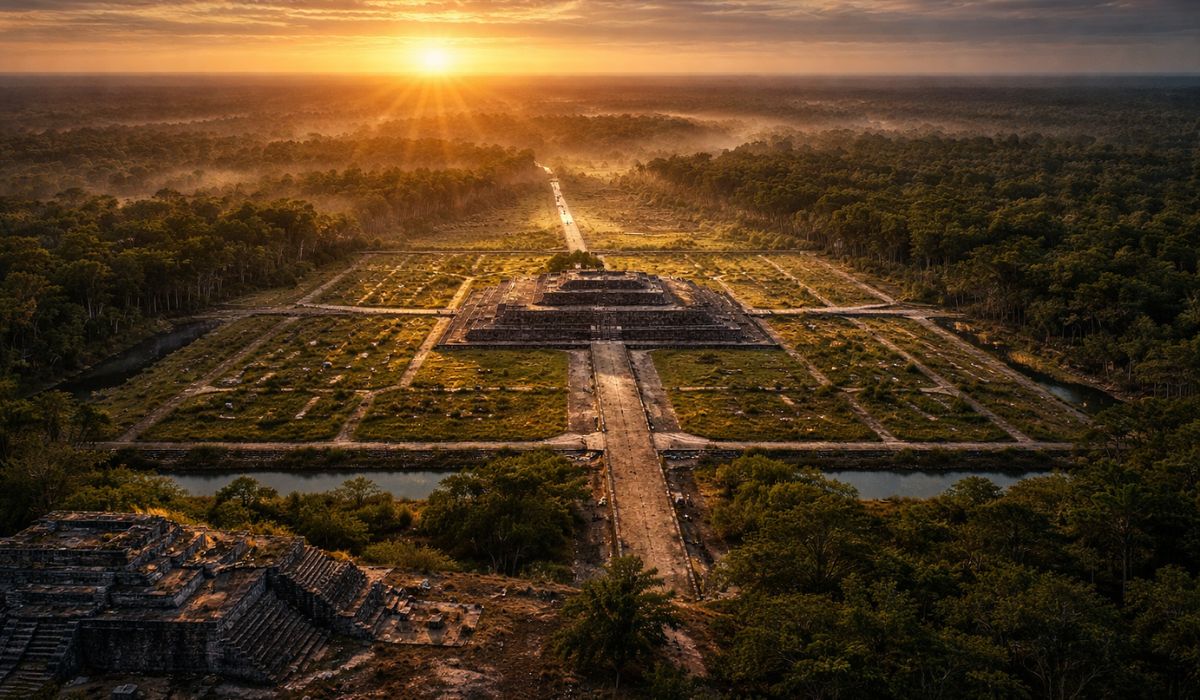
In Mexico, a 3,000-year-old Maya site with the dimensions of an entire city may have been built as a colossal map of the cosmos, created to represent the order of the universe and reveal how this people organized space, time, and rituals.
-
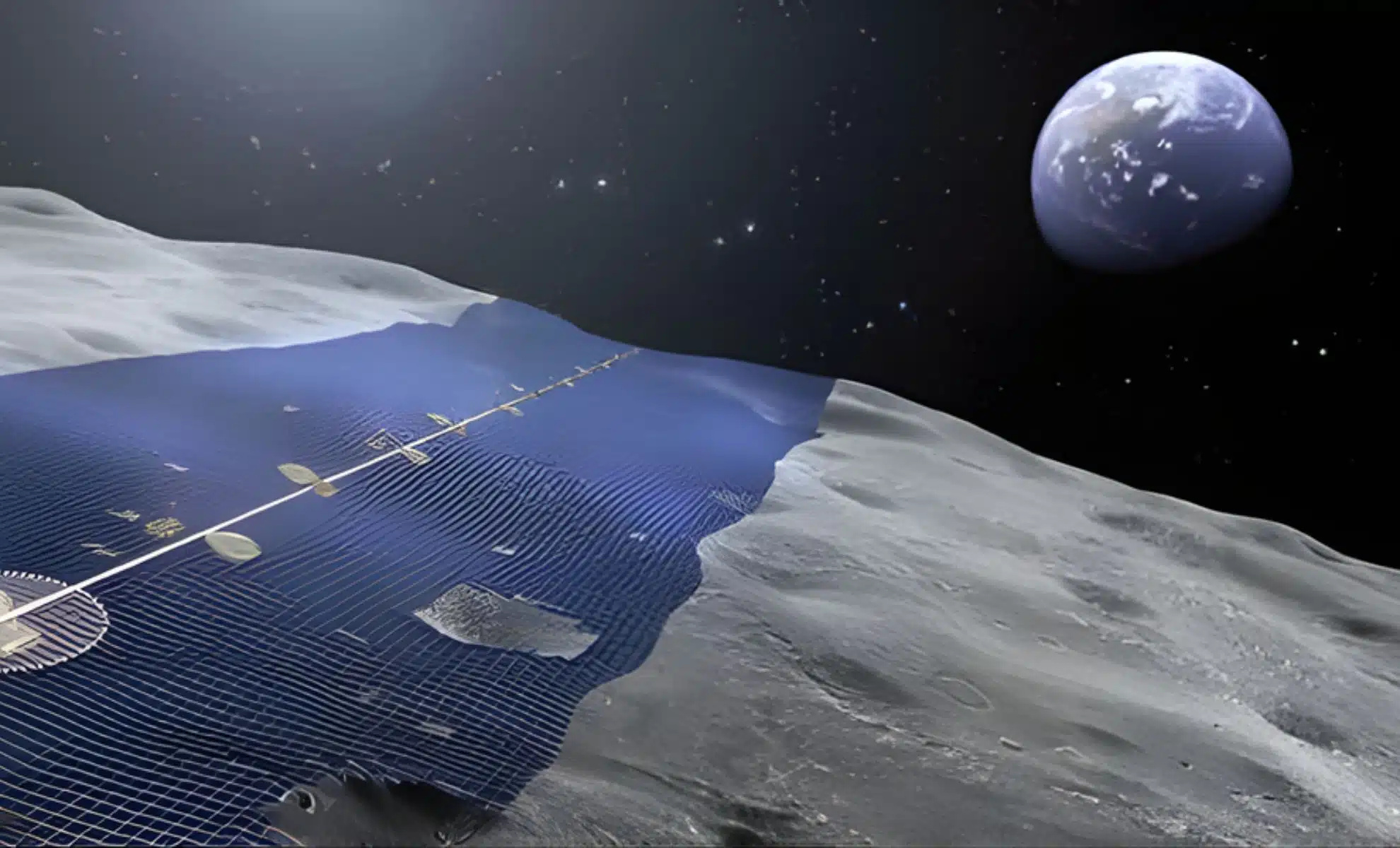
Japan wants to build a solar ring of 10,900 kilometers on the Moon to continuously send energy to Earth.
-
Weighing almost 1 ton, with temperatures of up to 3,000°C, the ability to launch 10,000 fragments within a radius of 1 km, capable of penetrating concrete and melting steel, Turkey’s terrifying bomb emerges as one of the most destructive non-nuclear weapons ever presented.

-
After a submarine disappeared beneath the “Doomsday Glacier,” scientists announce a new monstrous machine capable of operating at 3,000 meters depth to return to the heart of the ice and investigate a threat that could raise sea levels worldwide.

Imagine throwing a stone into a calm lake. The waves spread out in circles, right? It’s something similar to what happens in the mesosphere. Massive storms create enough energy to move even the air in the higher layers, generating atmospheric waves that can only be detected with extremely sensitive equipment.
The Discovery by the International Space Station (ISS): Invisible Signatures
Installed on the International Space Station in 2023, AWE is capable of capturing subtle patterns in “atmospheric brightness,” a faint light generated by gases at high altitudes. During Hurricane Helene, it recorded something surprising: waves resembling ripples extending beyond the storm’s main zone.
The waves captured by AWE revealed that the impact of the hurricane was not limited to the ground. These disturbances moved horizontally in the upper atmosphere, showing the vast influence of extreme weather events.
Impacts of Atmospheric Waves on Space Technology
Although the air in the mesosphere is rarefied, it can still cause problems for satellites, according to the International Space Station. Small changes in atmospheric density can create unexpected resistance, affecting orbits and critical operations. This may seem irrelevant, but even a millimeter adjustment can compromise communication and navigation satellites.
With the data collected by AWE, engineers now have a valuable tool to predict changes in the upper atmosphere. This allows for preventive adjustments to satellites, increasing their safety and longevity in orbit.
How the Mesosphere Reveals Climate Secrets
Another essential piece of equipment for this discovery is the Advanced Mesospheric Temperature Mapper (AMTM). Sensitive to subtle variations, it allows scientists to observe invisible activities at extreme temperatures, such as the -101°C found in the mesosphere.
Unraveling the mysteries of the mesosphere may seem like a distant goal, but these discoveries have a direct impact on everyday life. After all, stable satellites ensure internet access, weather forecasting, and even emergency systems. Investing in technologies like AMTM is like opening a window to an unknown part of our planet.
Recent discoveries by the International Space Station show that Earth’s climate and space are deeply connected. Atmospheric waves, generated by hurricanes like Helene, highlight the importance of monitoring even the highest layers of the atmosphere. With equipment like AWE and AMTM, scientists are transforming the unknown into practical knowledge.







Muito interessante, mas impressionante mesmo é o tanto de cometário completamente sem noção, de gente massacrando o vernáculo falando muito e não dizendo nada 🤮
O conhecimento do homem evitará catástrofes num futuro próximo
E se a mesosfera for alterada (natural ou artificialmente), qual consequência veríamos por aqui?
Fosse*