





 Portuguese
  English
  Spanish
  5 min of reading
  2 comments


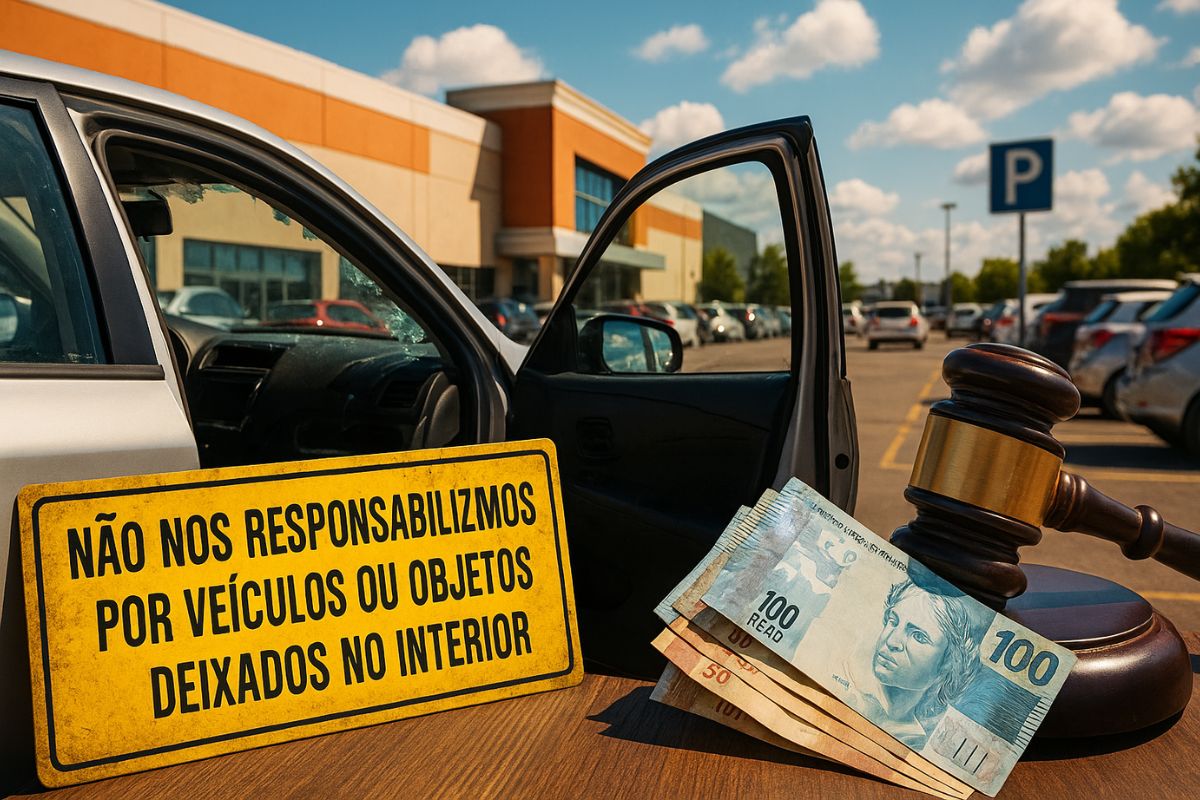


Understand, In Clear Language, Why the Law Guarantees Full Compensation to Consumers in Cases of Theft or Damage in Shopping Center, Supermarket, and Hospital Parking Lots, and Learn How to Act to Prove the Loss and Receive.
The rule is straightforward: when theft or damage occurs within the parking lot of an establishment, the law guarantees full compensation for the proven loss. Signs stating “we are not responsible” have no validity against the consumer’s rights, because the business risk cannot be transferred to the customer.
In practice, this means that the shopping center, supermarket, hospital, or the company managing the lot are liable for the amounts necessary to repair the vehicle and, when applicable, return stolen items, provided that there is proof of what was in the car. The law guarantees full compensation for the damage, and the provider has the duty of custody and surveillance of the property while it is under their care.
What, Exactly, Does the Law Guarantee to the Consumer
The protection arises from the Consumer Defense Code (CDC): the parking lot is a service, and the provider is responsible for security failures.
-
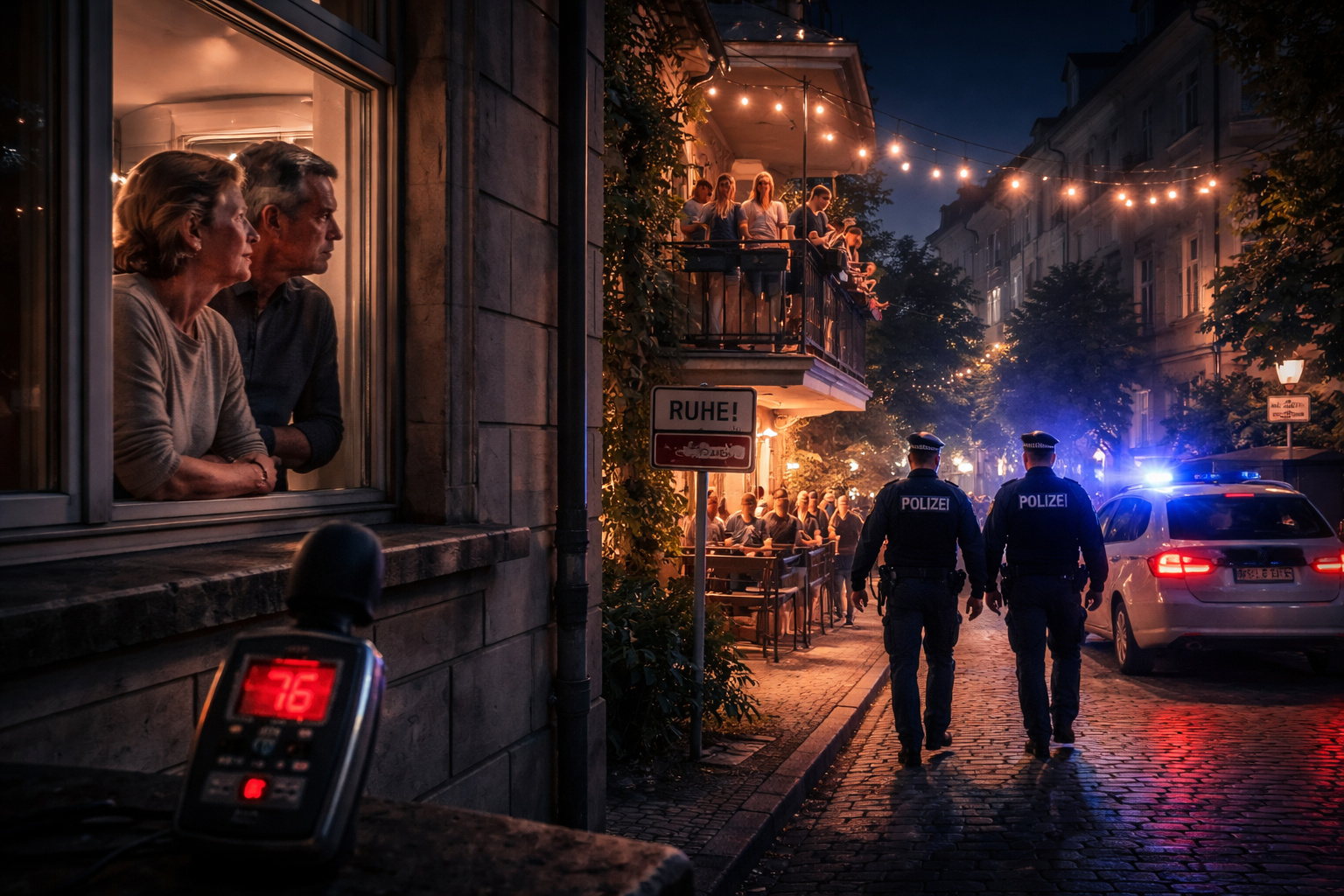
The noise law will no longer be in effect at 10 PM starting in June with a new rule valid during the 2026 World Cup.
-
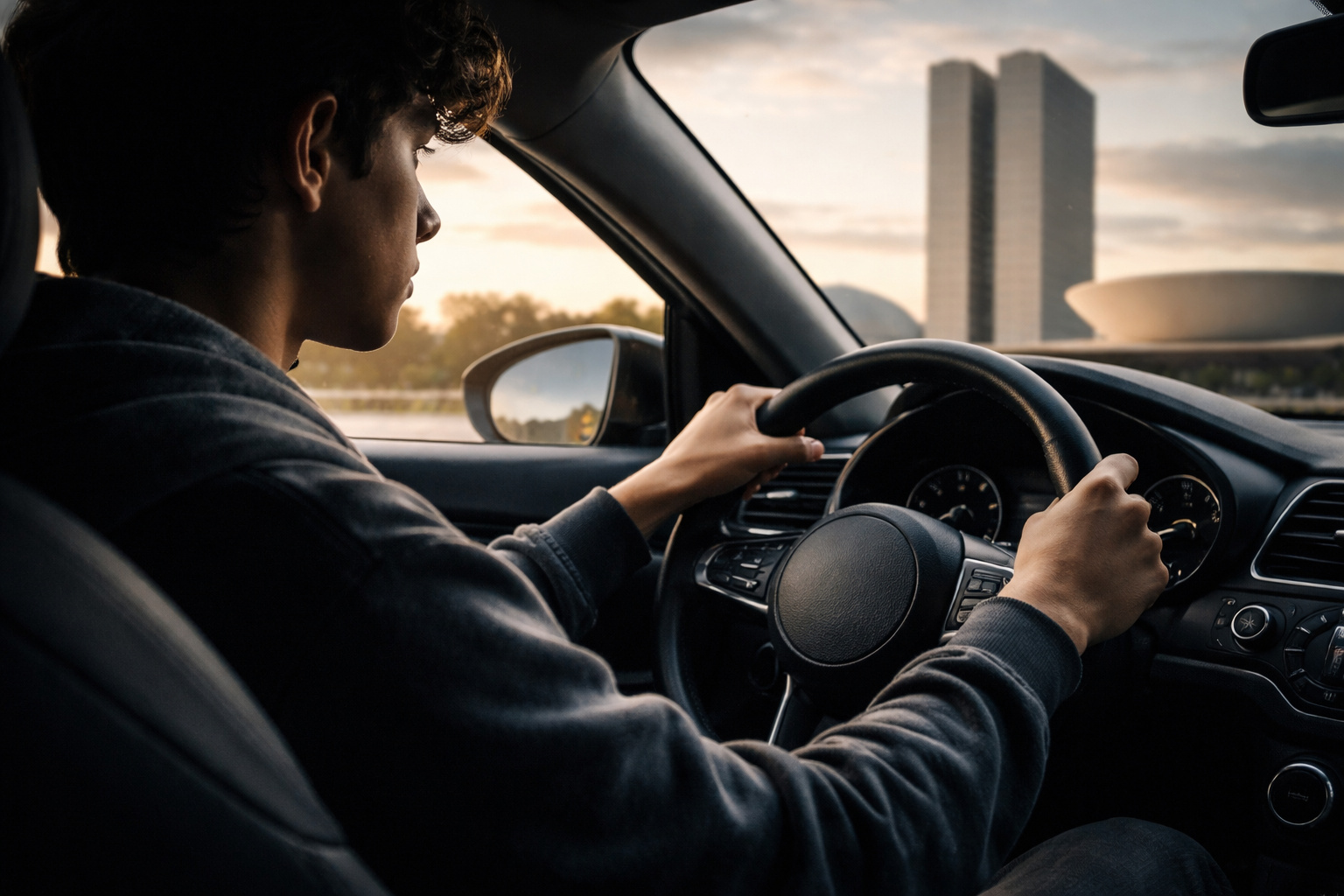
The Chamber opens a debate on driver’s licenses at 16 years old as part of a reform that includes around 270 proposals to change the Brazilian Traffic Code and may redesign rules for licensing, enforcement, and circulation in the country.
-
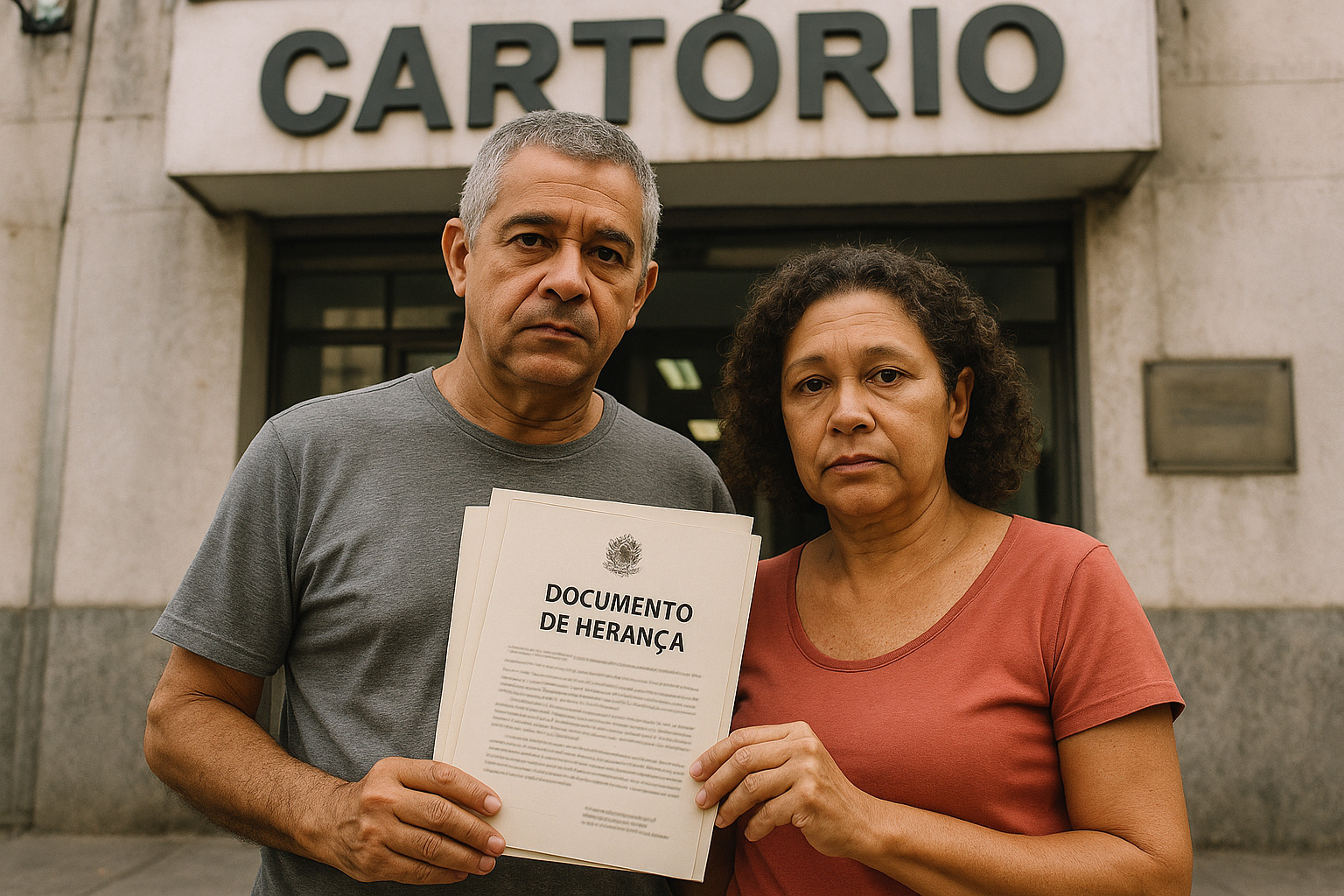
The new Civil Code could revolutionize marriages in Brazil with “express divorce” and changes that could exclude spouses from inheritance.
-
Banco do Brasil sues famous influencer for million-dollar debt and intensifies debate on delinquency, risks of seizure, and direct impact on Gkay’s credibility.


Thus, the law guarantees full compensation for material losses resulting from theft or damage, including repair, parts, labor, and any related expenses properly documented.
Furthermore, the responsibility is objective: it is not necessary to prove the establishment’s fault, just establish the damage and the connection with the service.
Printed notices or signs attempting to disclaim responsibility are considered abusive and do not prevail over the CDC.
Súmula 130 of the STJ and the Duty of Custody
Brazilian jurisprudence established the understanding through Súmula 130 of the STJ, stating that the company is responsible for thefts and damages occurring in its parking lot.
This duty of custody applies to both paid lots and free ones offered as an attraction to customers, as they generate indirect economic benefits for the provider.
In other words, by controlling entry and exit via ticket, barrier, or surveillance, the establishment assumes custody of the vehicle.
If there is an incident, the law guarantees full compensation for the loss, and it is not permissible to impose any prior waiver of the consumer’s rights.
“Signs We Are Not Responsible”: Why They Are Not Valid
Clauses that exempt or mitigate the responsibility of the service provider are null under the CDC. Signs, internal regulations, or receipts with fine print do not supersede the law.
The provider cannot place the business risk on the consumer’s shoulders.
Even when the parking is outsourced, the shopping center, supermarket, or hospital remains jointly liable.
The consumer does not need to find out who manages the lot to resolve the issue: all parties involved in the service are jointly liable.
Items Inside the Vehicle and “Full Compensation” in Practice
When items are stolen from inside the car, it is possible to seek reimbursement, provided that the existence of the items and their relation to the incident is proven (invoice, photos, entry records, witnesses).
The law guarantees full compensation for the proven damage, and this can include movable property taken from inside the vehicle.
In cases of damage to the vehicle, the rule involves quotes from repair shops, reports, photos, and police reports.
The compensation must fully cover the repair without reducing quality (part for equivalent part). Partial or “table” reparations do not meet the legal standard.
How to Act: Step by Step to Ensure Your Rights
Call the manager and report the incident immediately. Request the activation of the cameras and the preservation of footage.
File a Police Report (BO) detailing location, time, nearby spots, and damaged or stolen items.
Keep the ticket, receipts, invoices, and photograph everything (signs, barrier, vehicle position).
Formalize your complaint in writing at the establishment and request a receipt.
If there is a denial or delay, file a complaint with Procon and consider legal action to obtain the full compensation for the loss.
Practical Tip: never sign documents that acknowledge your fault or limit reimbursement. Verbal denials should be recorded via email or formal message.
And If They Try to Blame the Customer?
There are restricted exceptions, such as exclusive fault of the consumer (e.g., leaving the vehicle unlocked with the key in the ignition).
Outside clear cases like this, the duty of custody remains. The law guarantees full compensation when the incident results from security failure or inherent risk of the service.
If the establishment makes it difficult for the customer to leave, retains documents, or coerces payment to “release the car,” this may constitute serious illegalities.
In such situations, file a report and seek civil measures and, if applicable, criminal ones.
Parking Lots of Hospitals, Supermarkets, and Shopping Centers: Does Anything Change?
No. The understanding applies to all providers offering parking associated with the main service.
In hospitals and clinics, the same duty of custody applies; in supermarkets and shopping centers, the benefit to the business reinforces the responsibility.
The law guarantees full compensation for losses where there is custody of the vehicle.
When the lot is managed by third parties, joint responsibility eases the consumer’s burden: any of the responsible parties can be pursued for payment of compensation, and they can settle among themselves afterwards.
Have you ever had your car stolen or damaged in a shopping, supermarket, or hospital parking lot? Did the establishment resolve it quickly or try to evade responsibility?
How long did it take to receive compensation? Share your experience in the comments as real accounts help other consumers and pressure companies to comply with the law.










Espero nunca precisar de um serviço desse, mas se for o caso, entrarei com recurso certamente. Abç a todos
Minha filha teve a moto furtada em um hipermercado aqi da minha cidade em dezembro do ano passado,23/12/2024 e mesmo entrando com advogado,feito o B.O,pegando imagens do sistema de segurança interno,onde mostra o indivíduo no ato do furto..até agora nada de sair indenização!