





 Portuguese
  English
  Spanish
 3 min of reading
  0 comments



State Tops The Ranking Of The Most Dangerous Roads In Brazil! With High Accident Rates And Poor Infrastructure, The State’s Highways Represent A Constant Risk For Drivers And Passengers.
Santa Catarina, a state known for its stunning landscapes and vibrant economy, faces an alarming challenge that contrasts with its natural beauty.
Recently, the state led a national ranking that no place would want to top: that of the most dangerous roads in Brazil, as reported by the portal O Povo.
This concerning position raises a red flag about road safety in the region and demands attention from authorities and drivers.
-
Larger than entire cities in Brazil: BYD is building a 4.6 km² complex in Bahia with a capacity for 600,000 vehicles per year, but the discovery of 163 workers in conditions analogous to slavery has shaken the entire project.

-
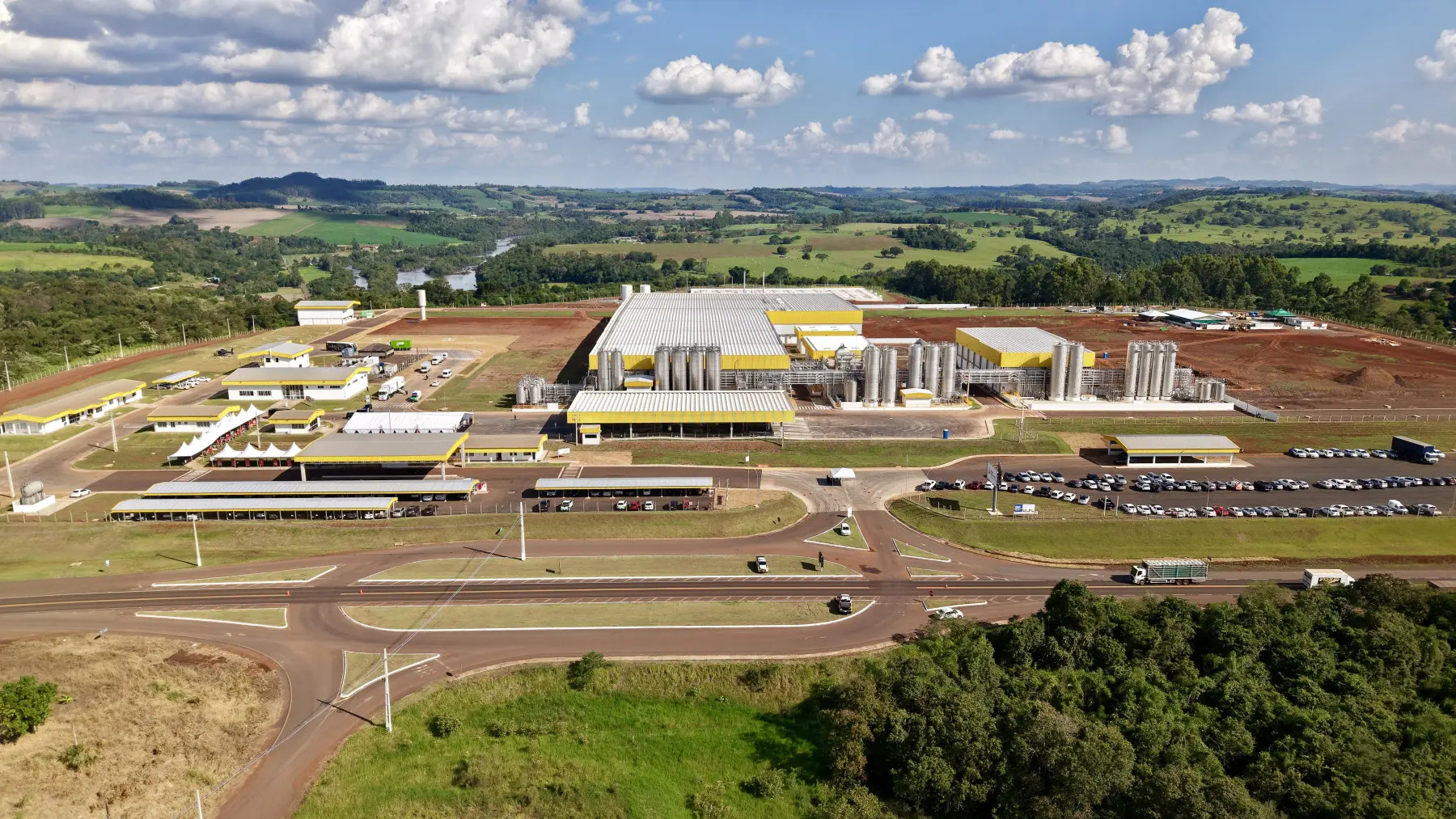
With an investment of R$ 612 million, a capacity to process 1.2 million liters of milk per day, Piracanjuba inaugurates a mega cheese factory that increases national production, reduces dependence on imports, and repositions Brazil on the global dairy map.
-
Brazilian city gains industrial hub for 85 companies that is equivalent to 55 football fields.

-
Peugeot and Citroën factory in Argentina cuts production by half and opens a layoff program for more than 2,000 employees after Brazil drastically reduced purchases of Argentine vehicles.


BR-101: The Most Dangerous Highway In The Country
According to a study by the National Transport Confederation (CNT), Santa Catarina has five of the ten most dangerous road segments in the country.
BR-101, which runs through the state from north to south, stands out negatively.
The segment between kilometers 110 and 120 recorded 235 accidents and nine deaths, while the segment between kilometers 190 and 200 accounted for 249 accidents and three deaths during the analyzed period.
Other Critical Segments In Santa Catarina
In addition to BR-101, other federal highways in Santa Catarina feature critical segments.
BR-470 has four segments with a high incidence of accidents, the most concerning being between kilometers 50 and 60, with an 88% probability of severe occurrences during Carnival 2025.
BR-280 has three critical segments, with the segment between kilometers 50 and 60 having a 75% chance of serious accidents.
Causes Of Accidents And Preventive Measures
Various factors contribute to the high accident rate on Santa Catarina’s highways.
Among the main causes are the recklessness of drivers, such as improper passing and speeding, along with adverse road conditions, including inadequate signage and lack of maintenance.
To mitigate these issues, it is essential to implement preventive measures, such as:
- Strict Enforcement: Increased enforcement operations to curb traffic violations and ensure compliance with the laws.
- Traffic Education: Educational campaigns aimed at raising drivers’ awareness of safe and responsible behaviors.
- Infrastructure Improvements: Investments in maintenance and expansion of highways, ensuring better traffic conditions and safety.
Economic And Social Impact
The high accident rates affect not only the victims and their families but also have significant repercussions on the economy and society.
The costs associated with medical care, material losses, and reduced productivity are substantial.
Furthermore, the sense of insecurity on the roads can negatively impact tourism and freight transport, vital sectors for the economy of Santa Catarina.
The Worst Highways In Brazil
The CNT survey also highlighted other highways with critical conditions.
Among the ten worst in the country are:
PE-545, from Exu to Ouricuri (PE): Features about 70 kilometers with poor paving and signage conditions.
PE-096, from Palmares to Barreiros (PE): With approximately 48 kilometers, this highway faces significant structural problems.
PB-400, from Cajazeiras to Conceição (PB): Segment with high accident rates due to lack of adequate maintenance.
RN-118, from Macau to Itajá (RN): Known for its poor conditions, negatively impacting local traffic.
PE-177, from Quipapá to Garanhuns (PE): Highway with critical segments that need urgent repairs.
RS-153, from Barros Cassal to Vera Cruz (RS): Displays infrastructure issues that compromise user safety.
RS-640, from São Vicente do Sul to Rosário do Sul (RS): Inadequate paving and signage conditions.
RJ-155, from Barra Mansa to Angra dos Reis (RJ): Highway with a history of accidents due to poor conditions.
PB-066, from Ingá to Itambé (PB): Requires improvements to ensure driver safety.
AC-010, from Porto Acre to Rio Branco (AC): Faces structural challenges that hinder safe traffic.
Perspectives For The Future
The situation of Brazilian highways requires continuous attention and strategic investments.
In addition to emergency measures to reduce accident rates, long-term planning that includes regular maintenance, efficient enforcement, and driver awareness is essential.
With the implementation of effective public policies and community engagement, it is possible to transform this scenario and reduce the negative impacts of dangerous highways.






-

-

3 pessoas reagiram a isso.