





 English
  Francês
  Alemão
  Italiano
  Japonês
  Norueguês
  Portuguese
  Spanish
 3 min of reading


São Paulo Disfavors Renewable Energy and Plans to Tax Consumers 75% to 78%
Through State Decree SP no 65.255/2020, effective for two years starting January 15, 2021, the state of São Paulo granted exemption only on 78% of the energy produced, for consumption up to 700 kWh, and 75% of the energy produced, for consumers exceeding this limit. Thus, for the next two years, 22% to 25% of all energy produced from renewable sources, under the Distributed Generation regime, will be taxed in the state of São Paulo, regardless of compensations. In direct terms, São Paulo will tax the portion of energy used by consumers and even by the producer themselves.
Read Also
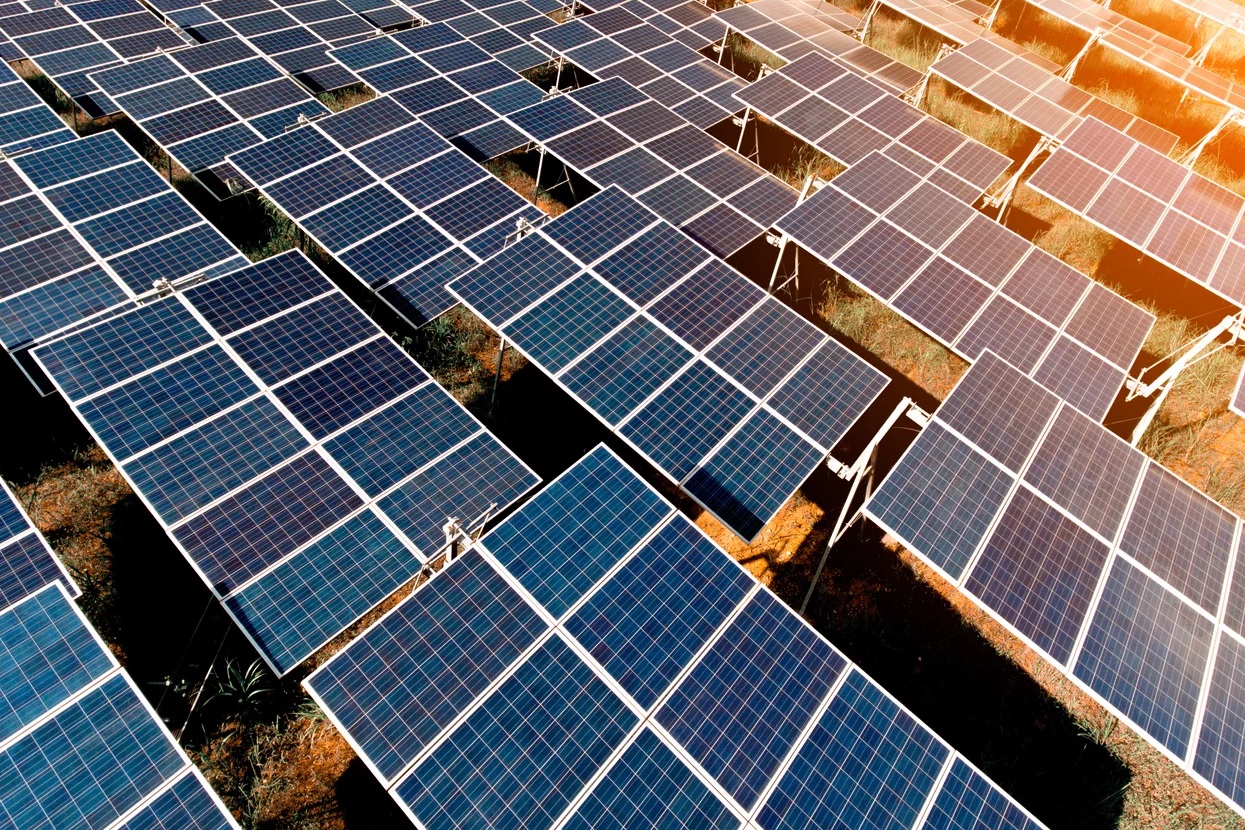
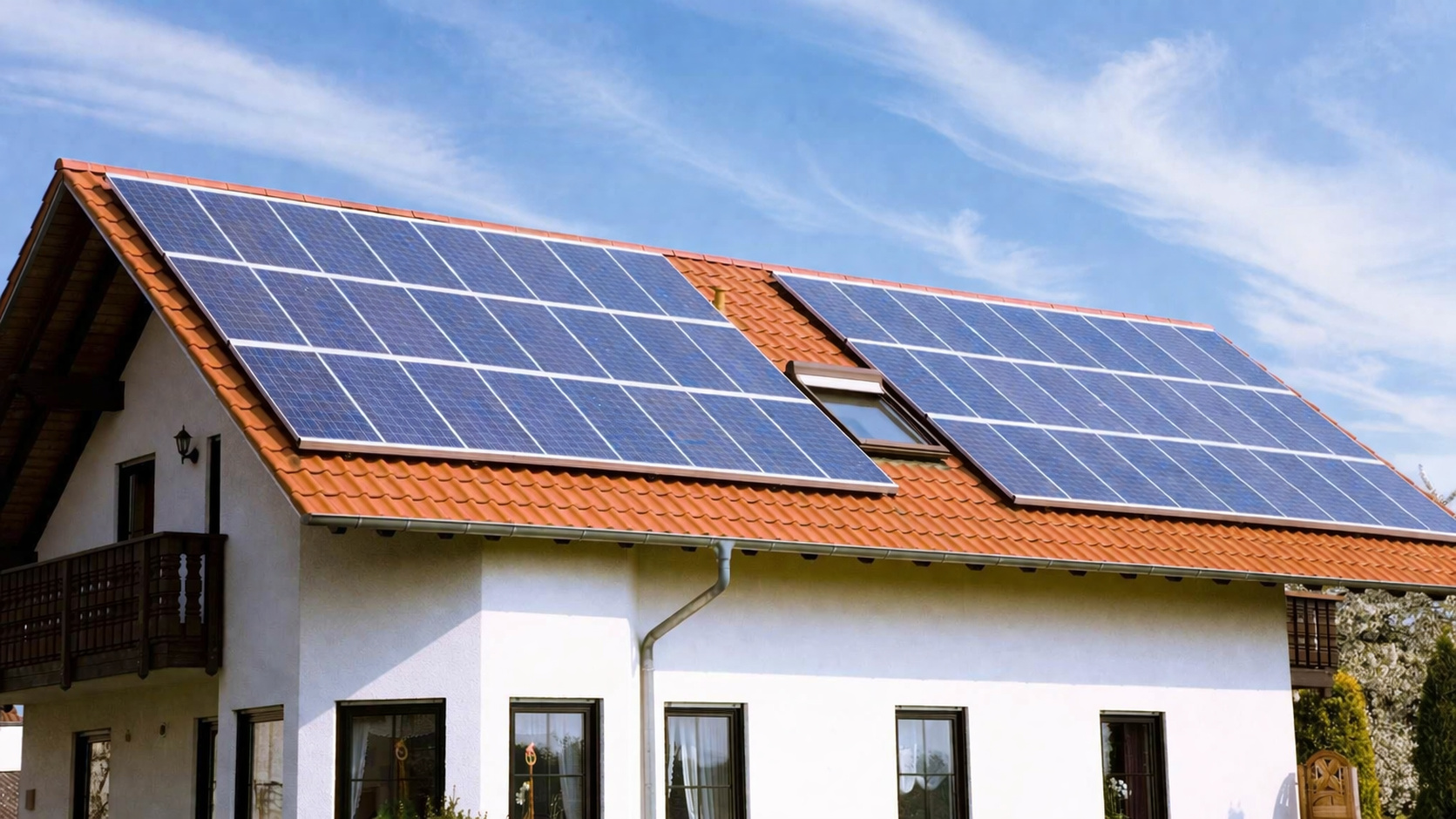
The full exemption of the amount consumed by the producer in the Distributed Generation system in São Paulo will only take effect from January 15, 2023. The state’s stance discourages producers and consumers from using renewable energy sources, such as solar panels and wind turbines, contrary to the global trend that is encouraging the installation of renewable energy models.
Renewable Energy in São Paulo
The electric utility companies operating in the state of São Paulo serve an annual electricity consumption of about 145 thousand GWh, with over 18.6 million consumer units.
-
Rio Grande do Sul accelerates energy transition: State invests in renewable technologies and consolidates decarbonization strategies and pathways to attract billions in new industrial investments.

-
With 160,000 m² of collectors, an area larger than 20 football fields, Silkeborg, in Denmark, hosts a solar thermal plant that heats 19,500 homes and could become the largest solar heating plant in the world.

-
A study reveals the expansion of renewable energy procurement in Brazil and shows how companies are taking advantage of opportunities to reduce expenses, ensure energy efficiency, and strengthen strategic environmental commitments.

-
Mato Grosso do Sul excels in the sugar-energy sector: the state reaches a milestone of 22 operating mills and accelerates the production of clean energy in MS with a focus on sustainability.


More than half of São Paulo’s energy matrix is produced from renewable sources, with the state having an installed capacity of approximately 23 GW, accounting for 15% of Brazil’s generation. Hydroelectric plants are responsible for 65% of the state’s production, biomass thermal power plants for 25%, and fossil thermal power plants for 10%.
The electricity market in São Paulo is divided between free consumers, who have the right to choose their supplier, and captive consumers, who are linked to the utility company serving their area. A consumer needs to use more than 500 kW to be included in the free market. Below this value, users rely on the captive market via local distributors.
Renewable Energy Market Grows in Brazil
Another positive point is the generation of new jobs. According to the ILO, the renewable energy industry already generates more jobs than traditional and polluting fuels.
Renewable energy does not emit greenhouse gases in the electricity generation process, making it a cleaner solution to contribute to the environment. According to the World Economic Forum, in some countries, renewable energy costs the same or even less than polluting sources.
With over 1 million jobs in the sector, Brazil is one of the largest job creators in renewable energy, and opportunities in the segment are continually growing. According to IRENA, the International Renewable Energy Agency, the country is only behind China.
This includes jobs related to biofuels, hydroelectric, wind, and solar energy, as well as biomass and biogas. But it’s not a total surprise. Since 2018, the country has had the highest number of jobs in renewable energy in Latin America.
Public Policies Attempt to Increase the Renewable Energy Matrix
A large part of Brazil’s renewable energy comes from hydroelectric plants. However, a significant portion of the country’s renewable energy stems from previous public policies that sought to increase the participation of non-traditional renewable energies (especially sugarcane used to make ethanol), and currently the state of São Paulo has been trying to increase this number even further.
43.5% of Brazilian consumption is supplied by renewable sources, while 14% of global consumption is supplied by these same sources. The data comes from Brazil’s National Energy Bulletin and is based on 2016 figures.
Brazil’s renewable energy resources consist of: 39.1% sugarcane and its derivatives, 27.6% hydroelectric, 18.8% charcoal and firewood, and 14.5% other renewable energies (solar, wind, biomass, etc.).
The following chart compares the use of various renewable energy resources in Brazil with the global use of the same resources






Seja o primeiro a reagir!