





 Portuguese
  English
  Spanish
  4 min of reading
  2 comments


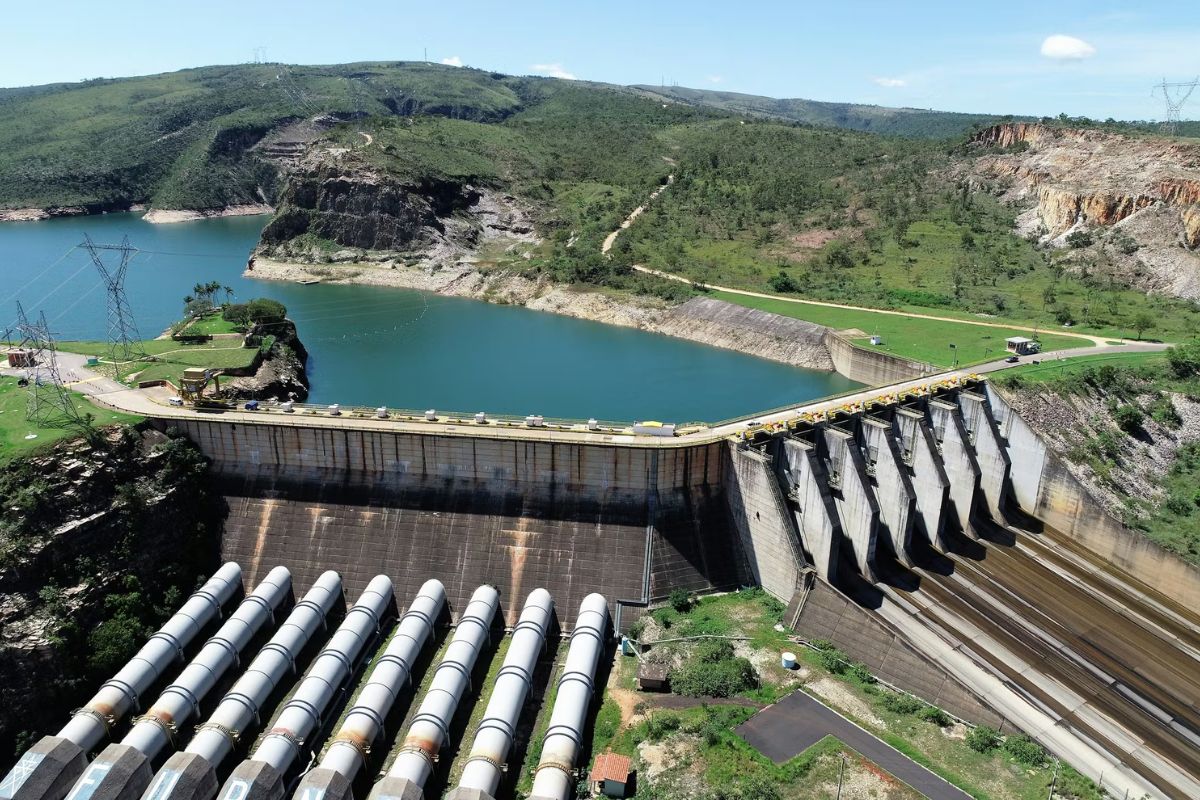


In 2024, Renewables Reached 88% of the Electricity Grid, and Hydroelectric Plants Accounted for About 55% of Generation. Minas Gerais Has 53 Plants and 12.5 Thousand MW Conceded, but Pará Leads in Installed Capacity with 22,330 Thousand MW, Followed by Paraná and São Paulo, While Summing Smaller Plants.
The Brazilian electricity grid reached 88% renewables in 2024, with highlights for solar, hydropower, biomass, and wind energy, and hydropower plants accounted for approximately 55% of national electricity production.
When I put the map of the plants on the table, the picture becomes clear: Minas Gerais Leads in the Number of Hydroelectric Plants, surpassing São Paulo and Paraná, but the leadership in power changes completely when the focus shifts to installed capacity, with Pará concentrating the giants.
Renewables on the Rise and the Weight of Hydroelectric Plants in Brazilian Generation
The combination of renewable sources maintained a high share in the electricity grid in 2024, and hydropower continued to be one of the pillars of the system.
-
Italian researchers have detected what appears to be a second Sphinx buried under the sands of Egypt, and satellite scans reveal a gigantic underground megastructure hidden beneath the Giza Plateau for over 3,000 years.

-
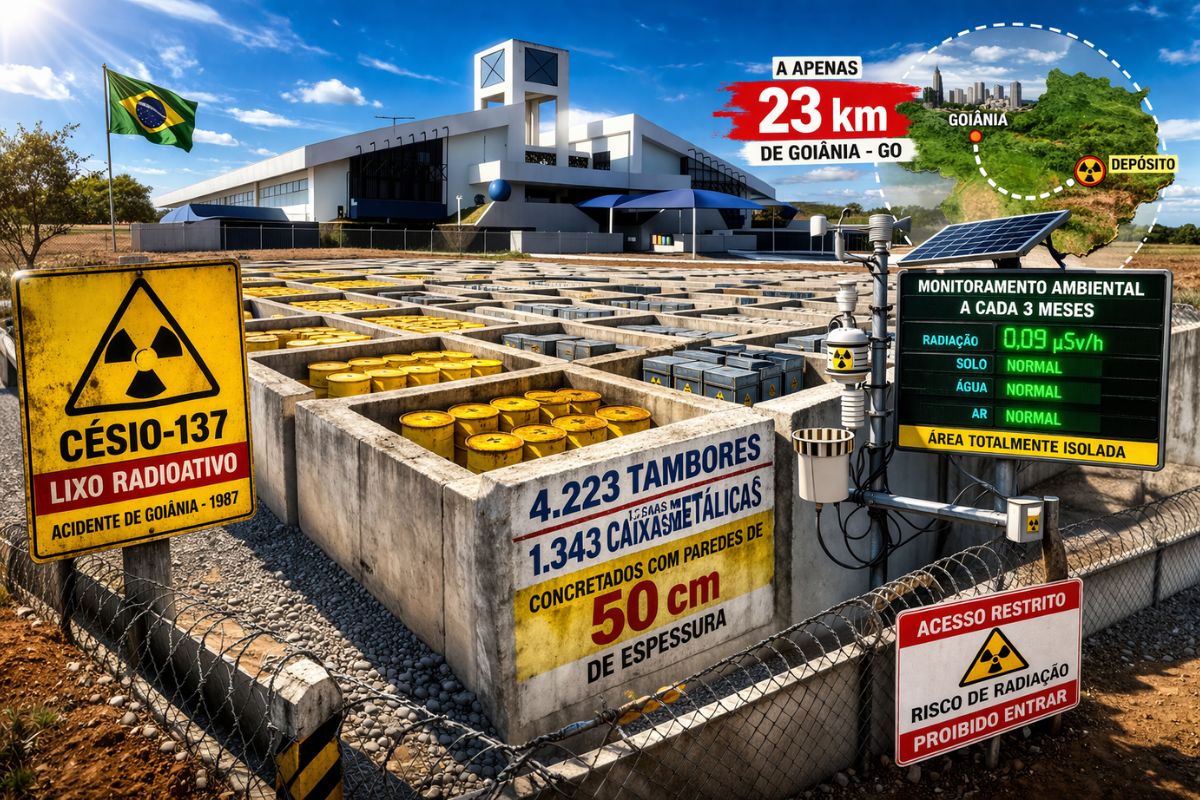
There are 4,223 drums and 1,343 metal boxes concreted with 50-centimeter walls that store the radioactive waste from Cesium-137 in the worst radiological accident in Brazil, just 23 kilometers from Goiânia, with environmental monitoring every three months.
-
Giant Roman treasure found at the bottom of Lake Neuchâtel in Switzerland reveals an advanced trade system, circulation of goods, and armed escort in the Roman Empire about two thousand years ago.

-
He buried 1,200 old tires in the walls to build his own self-sufficient house in the mountains with glass bottles, rainwater, and an integrated greenhouse.


In this scenario, hydroelectric plants are still spread across the country, but they are not distributed uniformly when the analysis separates the quantity of power.
The central point is that the number of enterprises helps to understand their reach and regional presence, while installed capacity reveals where, in fact, the greatest “weight” of generation lies.
Minas Gerais Leads in the Number of Hydroelectric Plants and Sums 53 Enterprises
In the national ranking by quantity, Minas Gerais appears as the state with the most built hydroelectric plants, not counting smaller plants, the small hydropower plants.
The state totals 53 enterprises, with about 12.5 thousand megawatts of granted generation power.
Following behind are states with significant presence in the hydropower sector, highlighted by São Paulo and Paraná at the forefront, along with an intermediate group that reinforces how hydroelectric plants are spread across different watersheds and regions.
Top 10 by Number of Hydroelectric Plants Shows Concentration in Southeast and Central-West
The list of states with the most hydroelectric plants presents this snapshot of quantity:
- Minas Gerais: 53 plants
- São Paulo: 42 plants
- Goiás: 18 plants
- Rio Grande do Sul: 17 plants
- Paraná: 16 plants
- Mato Grosso: 14 plants
- Santa Catarina: 12 plants
- Bahia: 10 plants
- Pará: 5 plants
- Rio de Janeiro: 5 plants
The picture indicates that Minas Gerais, São Paulo, and Goiás concentrate the majority of the country’s hydroelectric plants.
The explanation presented involves a set of factors, such as river abundance, favorable topography, and the Brazilian industrialization process itself.
Quantity Is Not Power, and Installed Capacity Changes the Ranking Leader
Here’s the twist: the number of plants is not synonymous with power.
Each plant has a different installed capacity, and it is this indicator that reveals the true weight of each state in national hydropower generation.
In the cut by installed capacity, described as monitored power, the top of the ranking changes and Pará takes the lead, even appearing with few plants in the previous quantity ranking.
Top 10 by Installed Capacity Places Pará at the Top with Giants Like Belo Monte and Tucuruí
The ranking by installed capacity highlights the states as follows:
- Pará: 22,330 thousand MW and 21.63%
- Paraná: 15,030 thousand MW and 14.56%
- São Paulo: 14,512 thousand MW and 14.06%
- Minas Gerais: 12,586 thousand MW and 12.19%
- Rondônia: 7,608 thousand MW and 7.37%
- Bahia: 5,612 thousand MW and 5.44%
- Goiás: 5,389 thousand MW and 5.22%
- Rio Grande do Sul: 4,805 thousand MW and 4.65%
- Sergipe: 3,162 thousand MW and 3.06%
- Santa Catarina: 2,759 thousand MW and 2.67%
The highlight is Pará, which leads in installed capacity by concentrating large plants, such as Belo Monte on the Xingu River and Tucuruí on the Tocantins River.
In the presented cut, it is noted that the state, even with only nine hydroelectric plants, occupies the top of the installed capacity ranking, reinforcing the logic of power concentration in a few large enterprises.
Paraná remains among the top-ranked because of the Brazilian part of Itaipu, described as one of the largest hydroelectric plants in the world, helping to explain why the state combines significant presence and large power output.
What the Map of Hydroelectric Plants Reveals About Brazil
The comparison between the two rankings shows a country with two profiles coexisting at the same time: on one side, states with many smaller hydroelectric plants; on the other, states that concentrate giant projects capable of accounting for a significant portion of the energy consumed.
It is this combination of scale, geography, and energy potential that helps explain why hydropower continues to be one of the pillars of renewable generation in the country, even when leadership changes depending on the criterion analyzed.
In your opinion, what weighs more for the future of hydropower plants in Brazil: having many plants spread out or concentrating a few giants with high installed capacity?










A descentralização (usinas menores espalhadas) possui vantagens como; maior segurança no caso de falhas, pois o impacto seria menor; menor impacto ambiental nas implantações e melhor distribuição.
Mas gostaria de entender uma coisa. Como que as renováveis respondem por 88% da matriz e as hidroelétricas por 55% se somadas temos 143%?
As hidroelétricas (55%) estão dentro das renováveis ( 88%).