





 Portuguese
  English
  Spanish
  5 min of reading
  0 comments


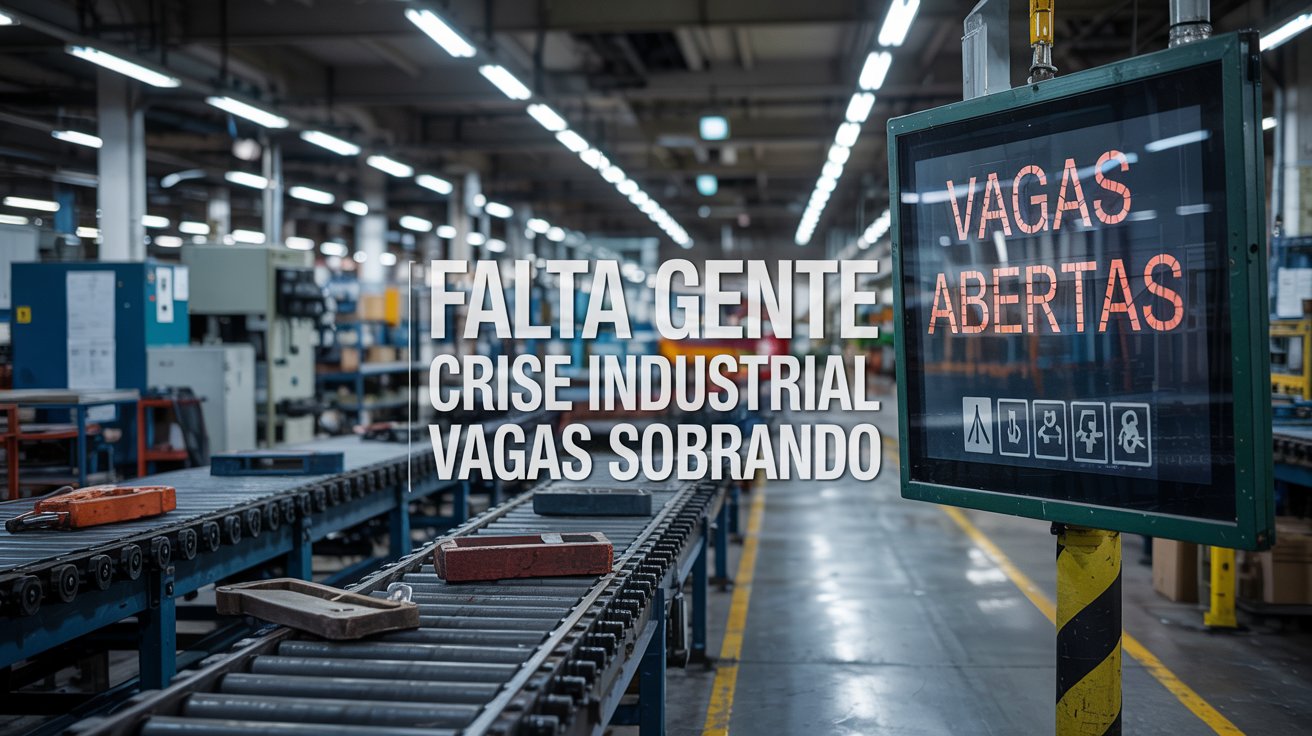
The Industry of Rio Grande do Sul Faces a Severe Labor Shortage and Even Looks to Deportees from the U.S. to Fill Vacancies! Artificial Intelligence, Mobile Technical Education, and Billion-Dollar Projects Show How the Sector is Reinventing Itself. The Future of Work Has Arrived, and Opportunities Are Exploding. Are You Prepared for This Revolution?
Labor Shortage in the Rio Grande do Sul Opens Doors for Deportees from Trump
Industrial Sector Seeks Creative Solutions to Attract Youth and Fill Positions with Technical Qualifications
The Industry of Rio Grande do Sul Faces a Growing Challenge: the Shortage of Qualified Labor.
To tackle this structural issue, entrepreneurs and sector entities are betting on unconventional strategies – including the recruitment of Brazilians deported from the United States during the Trump administration and the expansion of mobile classrooms to bring vocational training to the interior of the state.
-
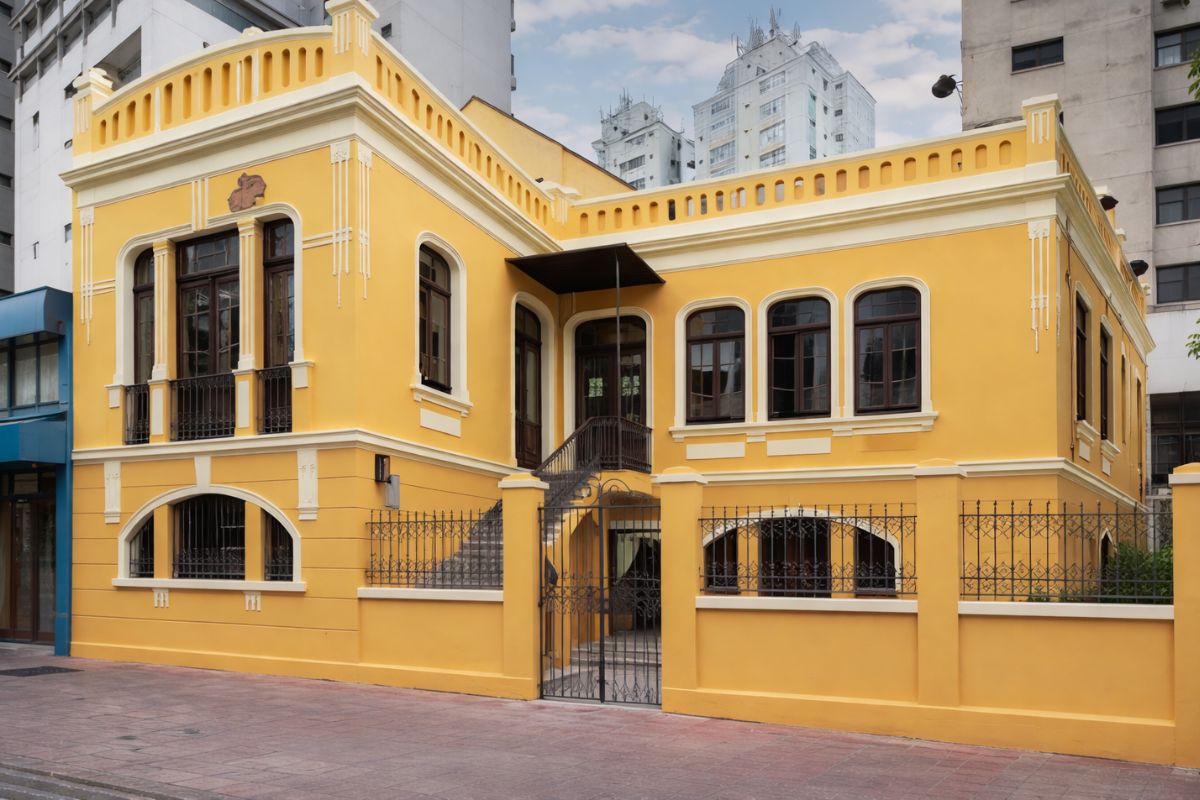
From ruin to digital culture center, the 1920 mansion on Riachuelo Street is now open and has become a showcase of the revitalization of downtown Curitiba, attracting commerce, tourists, and projects.
-
The valley that looks like another planet: fairy chimneys, churches carved into the rock, and underground cities form the labyrinth of Cappadocia in Göreme, where erosion has created a unique landscape since the 4th century AD.

-
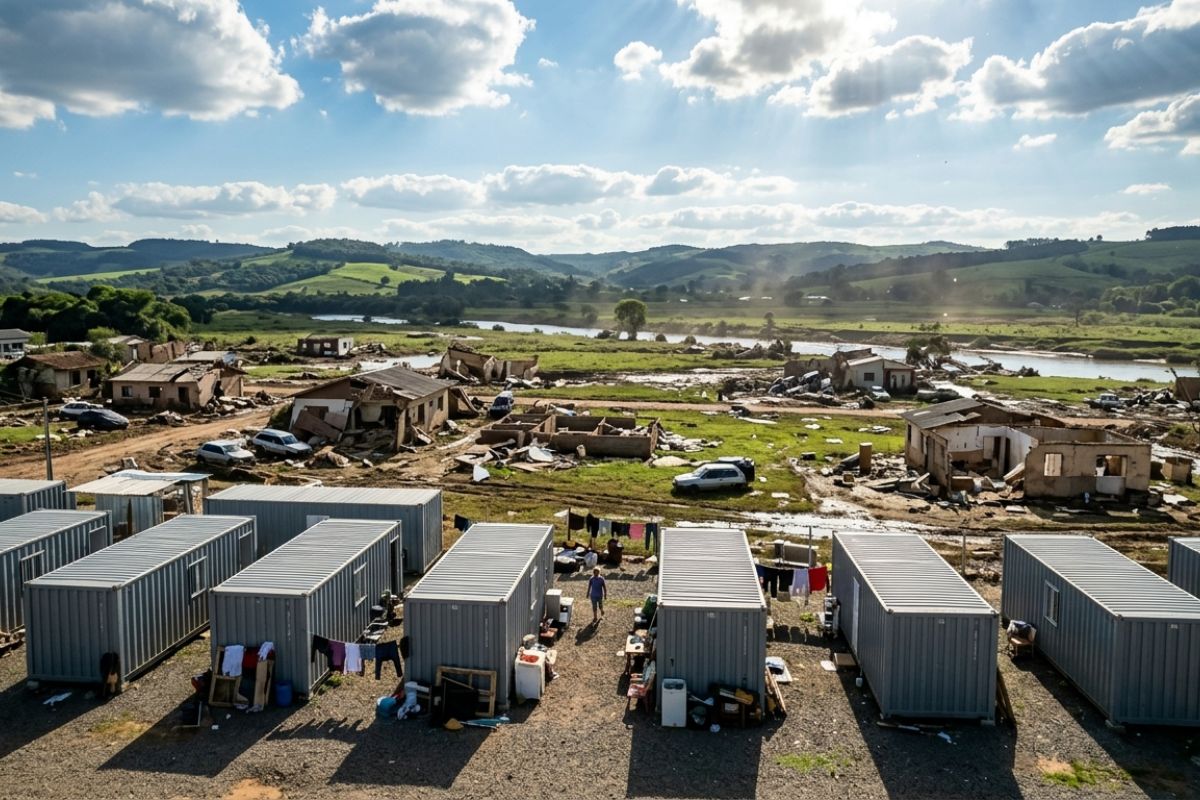
Two years after the floods, Rio Grande do Sul still has ghost villages, uprooted houses, and families in containers with sewage; unfulfilled promises without official response and donations become the last chance to start over.
-
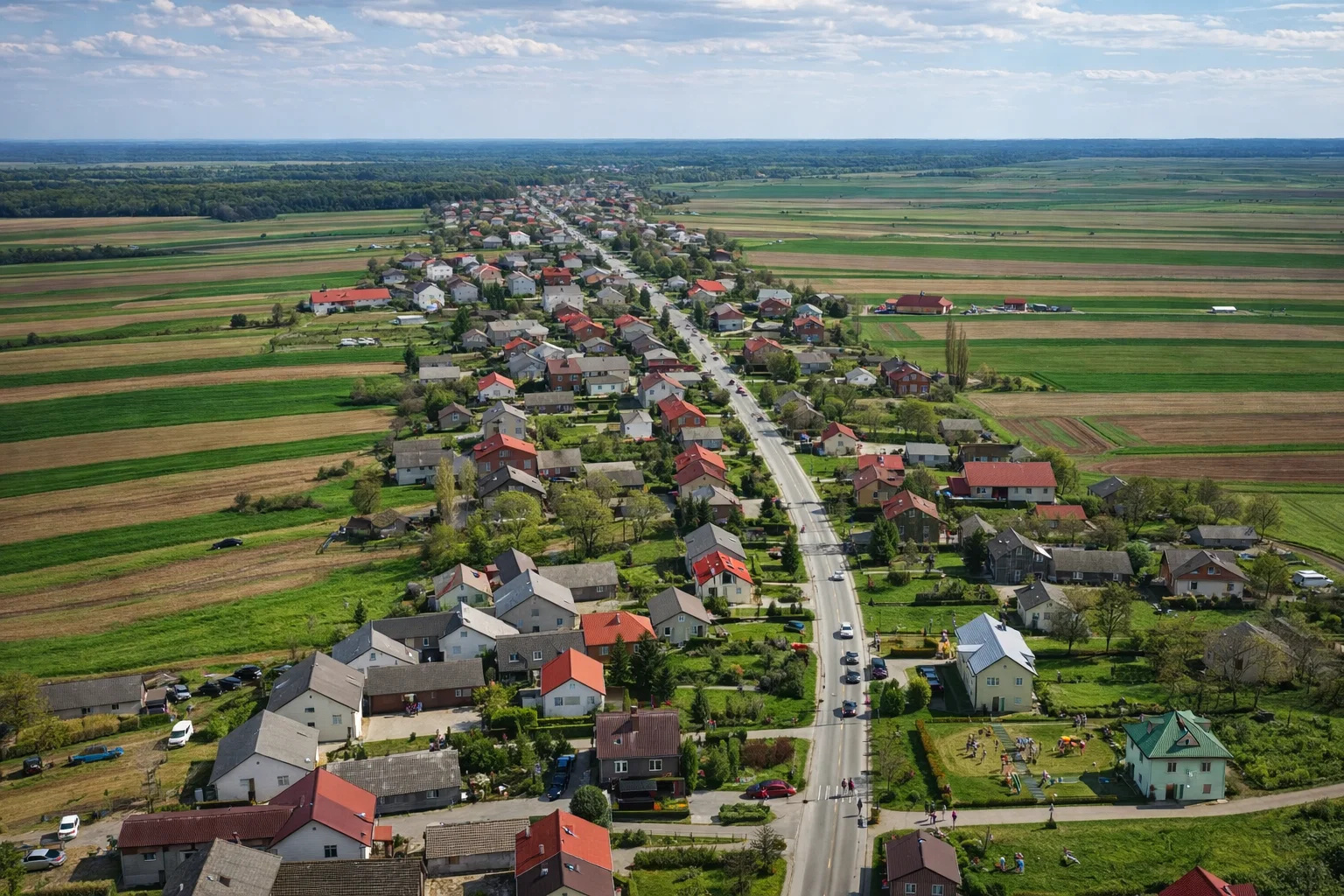
With around 6,000 residents on a single 9 km street, a village in Poland maintains a strong sense of community, cultivates strawberries and potatoes, and becomes the target of a false image created by artificial intelligence.
The initiative was presented during the Hannover Fair in Germany, one of the world’s leading industrial innovation events.
The Brazilian delegation, composed of representatives from the industry and the National Service for Industrial Learning (Senai/Sesi-RS), discussed measures to reverse the deficit of technical professionals that already affects the performance of companies in various regions of the country.
Deported Migrants on the Radar
According to journalist Susana Kakuta, current Director-General of Senai/Sesi-RS, one of the boldest strategies is the reintegration of Brazilians deported from the U.S. back into the local job market.
The idea emerged as a pragmatic response to the difficulty of filling industrial positions with local labor.
The pilot project will initially be implemented at a company located in Erechim, a city in the northern part of the state.
The action includes mapping these professionals, many of whom left the country in search of opportunities and now return to Brazil with experience but without prospects for reintegration.
According to Kakuta, the measure has a humanitarian aspect but is also practical: “These individuals have already experienced demanding work routines and possess a high capacity for adaptation”, she said during the international mission.
Furthermore, the director mentioned the importance of facilitating the immigration of qualified foreigners to work in the national industry, especially in the fields of technology and automation.
This idea was highlighted as a priority in discussions between Brazilian and European representatives at the German fair.
Technology and Artificial Intelligence Also Help
While the shortage of human professionals is discussed, machines and algorithms continue to advance.
Industrial automation, which has been implemented for decades, is now gaining new momentum with artificial intelligence (AI).
The use of AI in industry aims not only at reducing operational costs but also at replacing repetitive tasks and optimizing processes.
At the Hannover Fair, AI-based solutions caught the attention of Brazilian entrepreneurs interested in applying technology as a complement to human labor.
The goal is not to eliminate jobs but to increase productivity in a scenario of scarcity.
Mobile Classrooms
Another innovative measure is being coordinated by Márcio Basotti, General Manager of Senai/Sesi-RS.
He is leading a project that transforms truck trailers into mobile classrooms.
These units travel throughout the state, bringing vocational courses to cities that do not have adequate educational infrastructure.
“The idea is to take technical training to where people are, instead of waiting for them to travel to large centers”, explained Basotti.
The proposal is already being implemented in some municipalities and is expected to be expanded in the coming months.
According to him, the acceptance in communities has been positive, especially among young people who see technical education as a quicker entry point to the job market.
From the Army Directly to the Job Market
Another important front is the Soldado Cidadão program, which is already in operation and aims to train young individuals completing mandatory military service.
The initiative seeks to prepare these soldiers for the job market as soon as they leave the Army.
“We are creating a qualification funnel that starts while they are still in military service, so that these young people have a smooth and productive transition to the industrial sector”, highlighted Susana Kakuta.
The plan is that upon leaving the barracks, these youths will already be qualified to perform technical functions in factories and companies, reducing the time of reintegration and strengthening the sector with young, prepared labor.
Industry Also Wants to Captivate Children
One of the major challenges faced by the industry is to become more attractive to new generations.
With this in mind, SESI created, in Brasília, the SESI Lab – a space that combines science, technology, and art, aimed at children and youth.
The center, located in the central area of the federal capital, offers dozens of interactive activities that spark interest in topics such as physics, mathematics, and chemistry in a playful manner.
The space has attracted not only children but also curious adults.
The intention was to replicate the project in Rio Grande do Sul, specifically in Porto Alegre, through a partnership between Senai-RS and Embrapii (Brazilian Company for Research and Industrial Innovation), with an estimated investment of R$ 105 million.
However, the project faces hurdles. The main one is the selection of the land.
According to the President of the Federation of Industries of the State of Rio Grande do Sul (Fiergs), Cláudio Bier, the location initially planned – where the Ospa Theater would be built – would render the project financially unfeasible.
The city council even offered the Largo da Epatur, but that location was also deemed unsuitable.
Opportunities in the Industry Are Not Lacking, But Action is Required
What we see is a joint effort between industrial entities, government, and private initiatives to reverse the qualification deficit and transform the landscape of the productive sector in the state.
Rio Grande do Sul could, in the coming years, become a reference in educational innovation and labor reintegration.
For that, it will be necessary to continue investing in bold projects that are adaptable and connected with the demands of the 21st century.
According to a report by journalist José Casado from Revista Veja, the return of deported Brazilians and the adoption of technological solutions are viable paths to balance supply and demand in the job market.
If you are interested in any of the mentioned programs and want to invest in technical qualifications or seek opportunities in the Gaúcha industry, stay tuned to the courses offered by Senai-RS and ongoing selections for pilot projects in the interior of the state.
And you, do you believe that the reintegration of deportees and mobile classrooms are effective strategies to solve the labor shortage problem? Comment below and join the debate!






Seja o primeiro a reagir!