





 Portuguese
  English
  Spanish
  3 min of reading


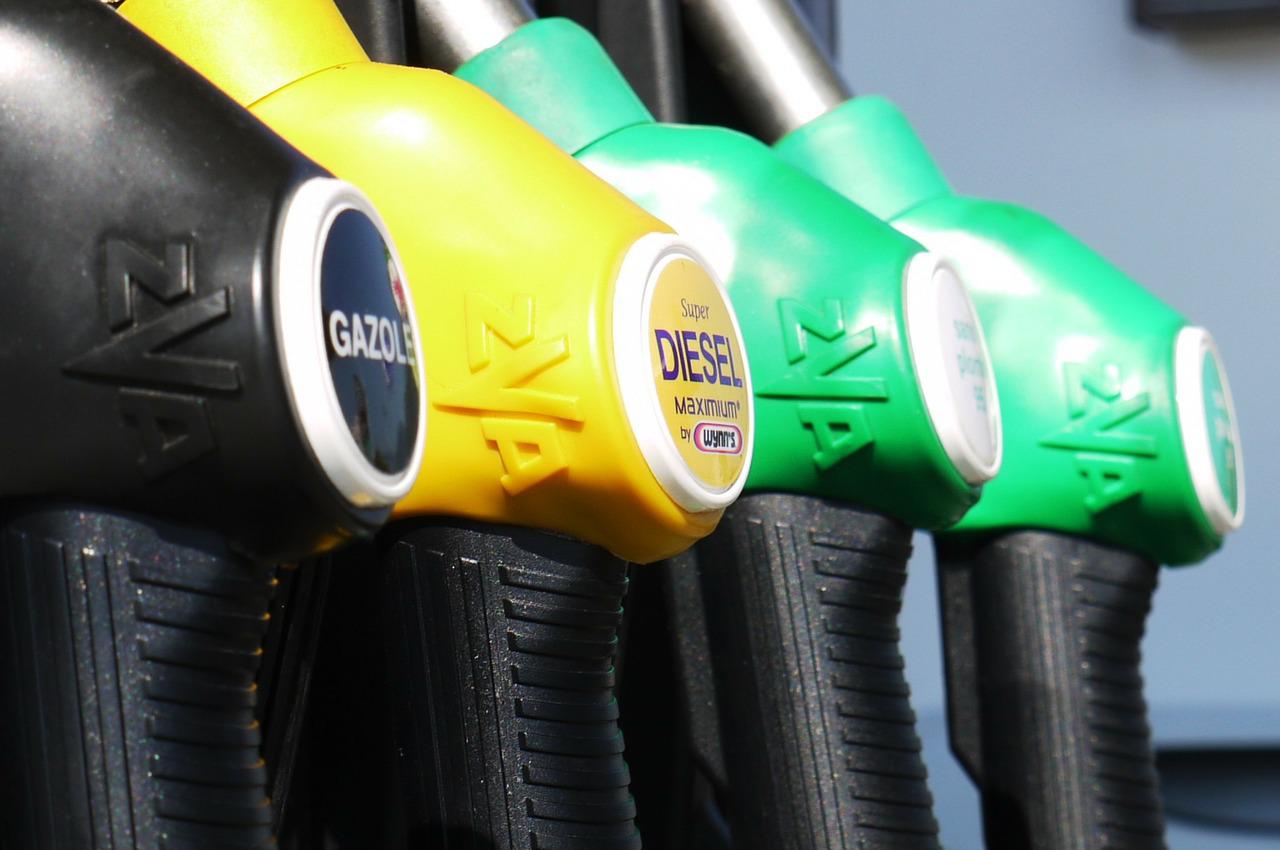
The ADI Presented to the STF Contains a Request for an Injunction Against the Bill Approved by the Chamber that Sets the ICMS Charge on Fuels and Energy in the Country, and the States Claim Irregularities in the Initiative and Loss of Financial Autonomy.
During this past Monday (06/27), governors from 11 States and the Federal District filed a Direct Action of Unconstitutionality (ADI), with a request for an injunction against law 194 approved by Congress in the Supreme Federal Court (STF). This bill sets the ICMS charge on fuels and energy at 17%, and according to the document, it removes part of the financial autonomy of the States regarding the products.
ADI Presented to the STF Aims to Overcome the Situation Created by the Setting of the ICMS Ceiling on Fuels and Energy in Brazilian States and Ensure More Autonomy
Recently, Congress approved law 194, which considers fuels, telecommunications, electricity, and public transportation essential goods and limits the ICMS charge to a maximum ceiling, between 17% and 18%. Now, the governors of 11 States and the Federal District have approached the STF with an ADI against the bill, claiming a series of irregularities in the proposal accepted by the Legislative.
The ADI was signed by the Federal District, Pernambuco, Maranhão, Paraíba, Piauí, Bahia, Mato Grosso do Sul, Rio Grande do Sul, Sergipe, Rio Grande do Norte, Alagoas, and Ceará. No State from the Southeast or North of the country has taken a position regarding the ICMS on fuels and energy.
-
Oncorp wins auction and enables biodiesel and gas thermal plants in Brazil, with strategic projects in Suape and Xavantes Aruanã.

-
Raízen Recovery: Shell Cosan May Reduce Control After R$ 65 Billion Debt

-
Outback Montes Claros: Chain Confirms First Unit in Northern Minas in 2026

-
Inpasa Creates Advisory Council and Brings José Olympio to Strengthen Corporate Governance

Among the claims in the document, the governors state that this law represents an intervention by the Union. Furthermore, the ADI also addresses the government’s strategy as a search for a “magic wand” to combat the inflationary problem in the national territory.
Moreover, the governors emphasize that the setting of the ICMS rate is still a matter decided in each State and that, therefore, the approved law constitutes an invasion of constitutional competence reserved for the States.
The argument continues by stating that it is not up to the Union to interfere in the setting of rates in tax adjustments in the country. Additionally, the ADI also stresses that this law is an offense to state governments and will result in significant losses in revenue for internal investments, causing an excessive and disproportionate burden on state and municipal coffers.
Governors Claim in ADI That the Government Seeks to Reduce State Revenues with Law that Sets the Tax Charge on Fuels and Energy
In addition to pointing out a series of irregularities in the bill approved by Congress, the States argue that the government increasingly seeks to diminish revenue in the states. Thus, one of the sections of the ADI highlights: “It cannot be accepted that, with such reckless measures, the States have their accounts compromised, to the detriment of funding for health and education, which will be the most affected when revenue plummets overnight, as will the state funds to combat poverty.”
The text also addresses the losses in the collection of ICMS on fuels and energy in the States due to the setting of the rate, stating that there will be losses of R$ 155 billion calculated by the National Committee of State Finance Secretaries. Finally, the action questions the classification of fossil and polluting fuels as essential goods and points out that it is expected and reasonable to tax fossil fuels more than other goods.
Thus, the STF Minister, Gilmar Mendes, is holding a reconciliation meeting with representatives of the States this Tuesday (28) regarding this Union appeal, to enable viable alternatives concerning the law that sets the ICMS charge and reach an agreement with state governors.








Seja o primeiro a reagir!