





 Portuguese
  English
  Spanish
  6 min of reading
  1 comment


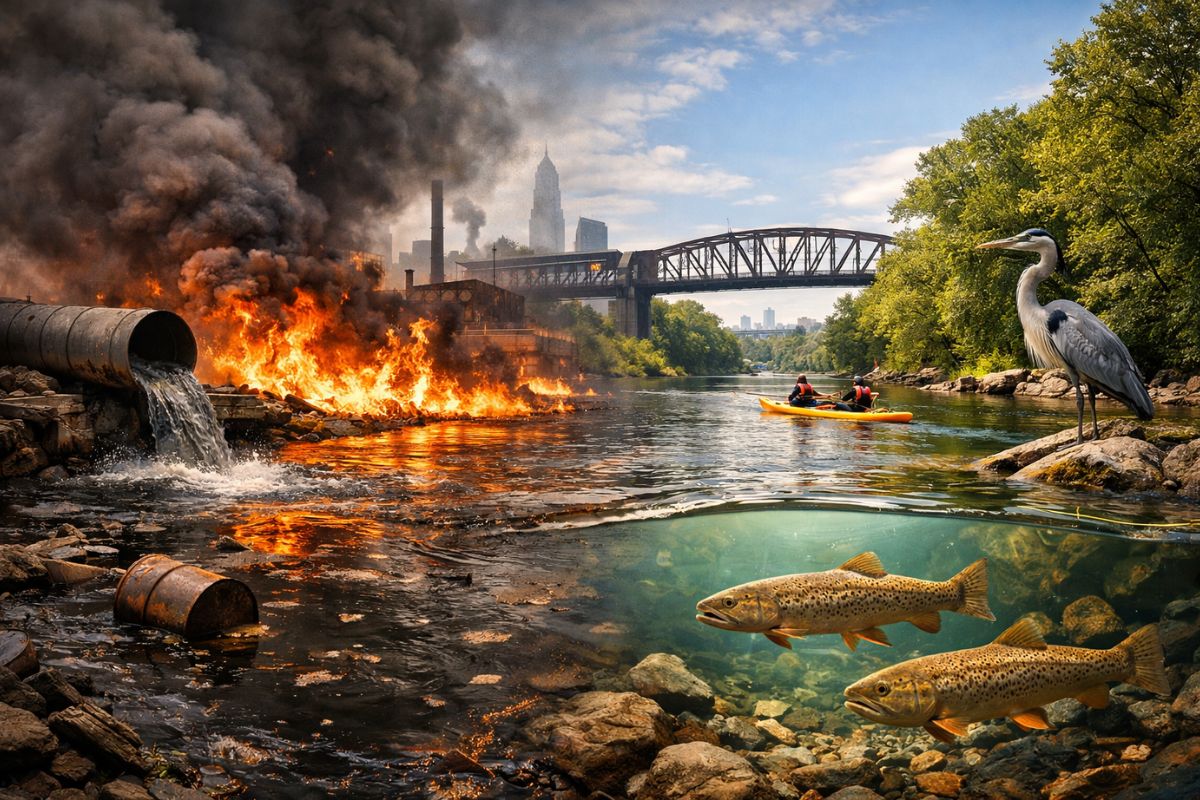

At The Industrial Heart Of Cleveland, The Cuyahoga River Transformed From Headline Of Repeated Fires To Worldwide Reference For Environmental Restoration, Combining Federal Regulation, Continuous Investment, Removal Of Dams, Return Of Sensitive Species And Cultural Change That Transformed A Historical Stigma Into A Living Laboratory Of Recovery For The Whole Country Today.
The Cuyahoga River went through a rare cycle in modern environmental history: it transitioned from being an ignitable waterway, with successive fire episodes for over a century, to entering the global debate as proof that ecological recovery can happen when public policy, engineering, and oversight work together for decades.
The turnaround did not begin with a singular gesture or an impactful announcement. It was built step by step, in Cleveland and the state of Ohio, through public pressure, legal changes, and persistent investments in sanitation, industrial discharge control, waterfront redevelopment, and removal of physical obstacles that blocked the ecological flow of the River.
From Industrial Hub To Environmental Collapse: The Context That Ignited The River

To understand the magnitude of the transformation, it’s necessary to return to the period when Cleveland grew as an industrial center. Steel mills, refineries, chemical plants, shipyards, and other facilities were discharging waste into the River with little to no control barriers.
-
A scientist proved with a thermal camera that the fan does not cool the environment but reduces the temperature of your skin by up to 6 degrees thanks to a natural mechanism of the human body that almost no one understands how it really works.

-
Scientists find a new explanation for the origin of Earth, which may have formed solely from material close to the Sun, changing an old theory and indicating that Jupiter may have been the cause of it all.

-
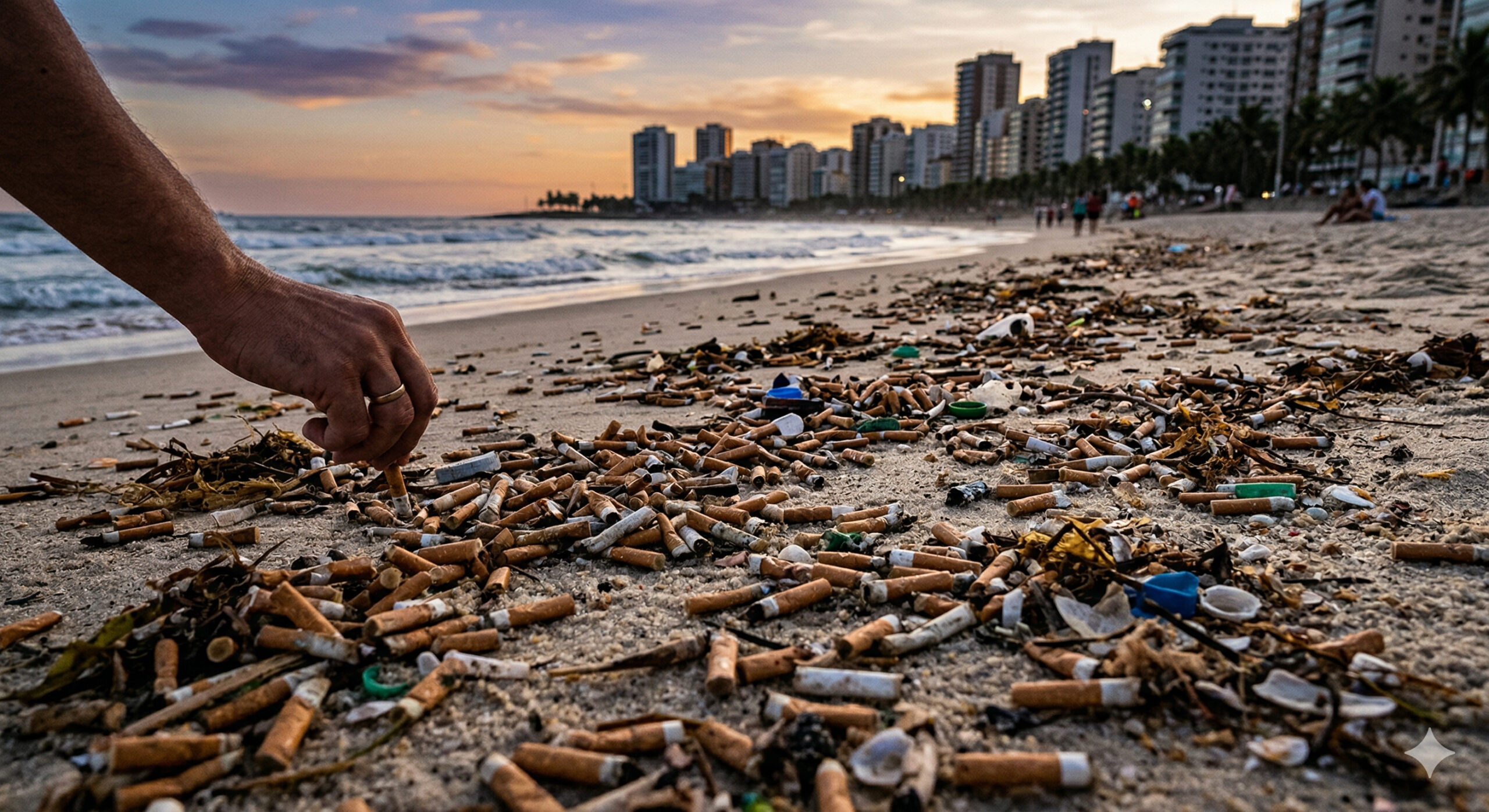
Brazilian beaches are among the most contaminated in the world by cigarette butts, with levels up to 40 times above the global average and areas where this waste already represents the majority of all the trash found.
-
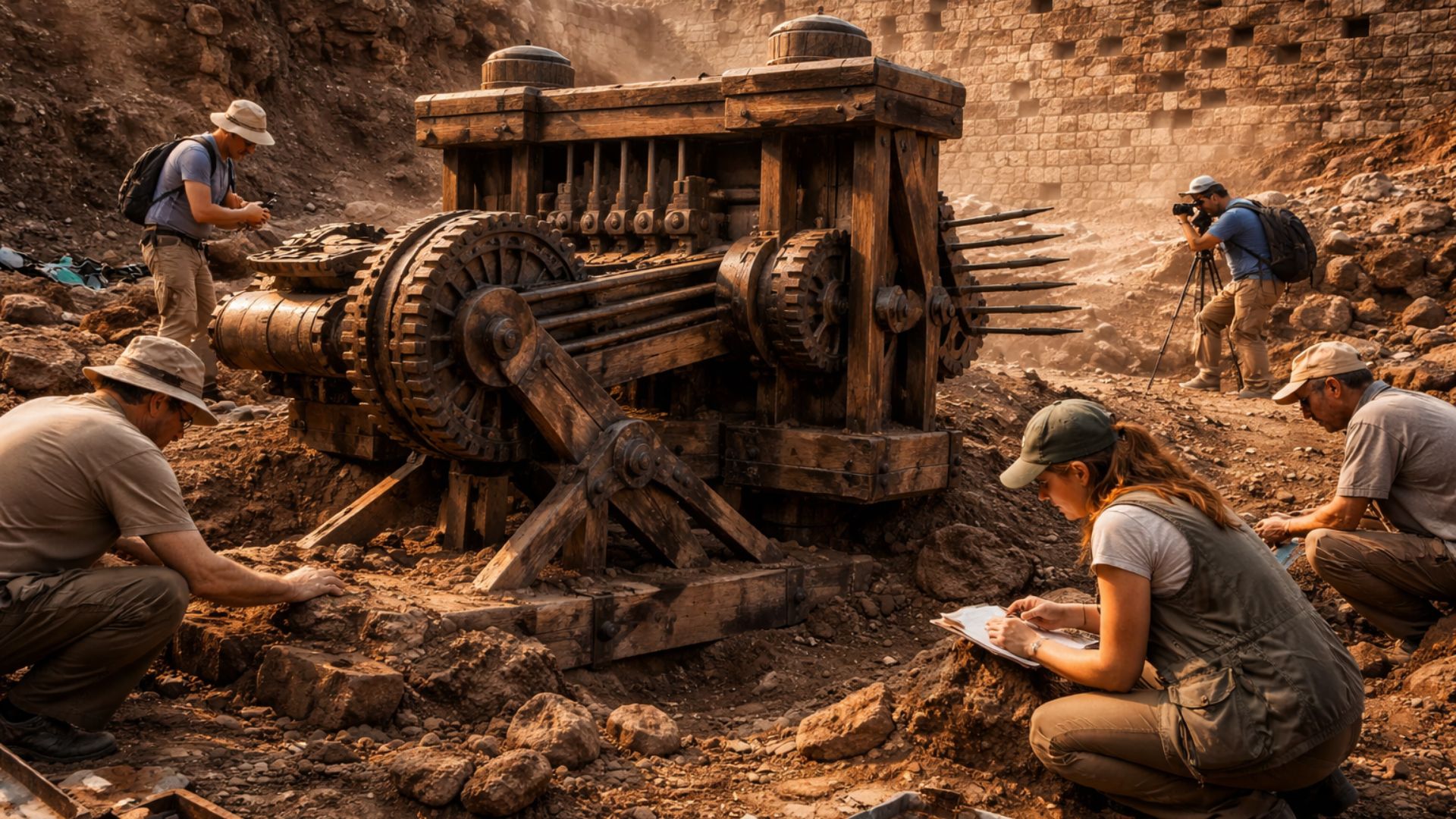
2,000-Year-Old Machine Gun: Roman weapon found in Pompeii fires arrows at 109 m/s with an automatic gear mechanism, leaving perfect geometric patterns on the walls and proving its real use in the siege of 89 B.C.
The logic of the time treated pollution as an acceptable cost of progress, and degraded water was seen as a byproduct of employment.
This pattern produced a continuous accumulation of oil, solvents, and toxic substances on the surface. Between the end of the 19th century and the 20th century, the Cuyahoga recorded at least 13 documented fires, with the first case in 1868 and one of the largest in 1952, when damages exceeded US$ 1 million. The River became a portrait of an economy growing without a clear environmental limit.
The Fire Of 1969 Was Brief, But Changed The Scale Of Discussion

On June 22, 1969, a train spark ignited an oil slick on the Cuyahoga River. The fire lasted about 20 to 30 minutes, was controlled by local teams, and caused property damage estimated at around US$ 50 thousand to the railroad bridges. There was no apocalyptic image of the event itself, and this is crucial for understanding the subsequent narrative.
The image that captured the public imagination came from an earlier fire, in 1952, used years later in a widely circulated national report.
Even with this visual noise, the symbol worked politically: the idea of “water on fire” broke through the barrier of indifference and brought the issue of the River to the center of the national agenda, reaching people who had previously ignored technical reports.
Who Pushed The Turnaround And Why The Response Moved From Local To Federal Level
The reaction did not come solely from the shock. In Cleveland, Mayor Carl Stokes played a central role in framing the crisis of the River as a structural problem linked to urban inequality, inadequate housing, and insufficient public infrastructure.
He brought the press to see evictions, sewage, and degradation in the field, shifting the focus from a specific fire to a systemic collapse.
During the same period, specialized journalistic coverage and social mobilization continued the theme. In 1968, local voters had already approved the issuance of US$ 100 million for the cleanup of the River.
Then, the debate escalated: in 1970, the federal EPA was created, and in 1972, the Clean Water Act established pollution limits, discharge permits, and funding for sewage treatment. The lesson was clear: without rules, oversight, and funding, recovery remains just talk.
From Law To Action: Sanitation, Oversight And Removal Of Dams
From 1972 onwards, the regional sewage district in northeastern Ohio began to unify and elevate treatment standards. Industries faced real consequences for illegal disposal under a permit regime.
It was the moment when “should” turned into “must”, with permanent mechanisms to reduce pollutant loads in the River.
In 1974, the establishment of the protected area of the Cuyahoga Valley added another pillar: restoration of banks and habitat recovery along significant stretches of the watercourse.
In hydrological terms, the gradual removal of dams gained prominence as it improved oxygenation, connectivity, and fish passage. Each intervention seemed small in isolation, but collectively altered the ecological trajectory of the River.
The Historical Bottleneck: Toxic Sediment And The Dam That Concealed A Waterfall For 114 Years
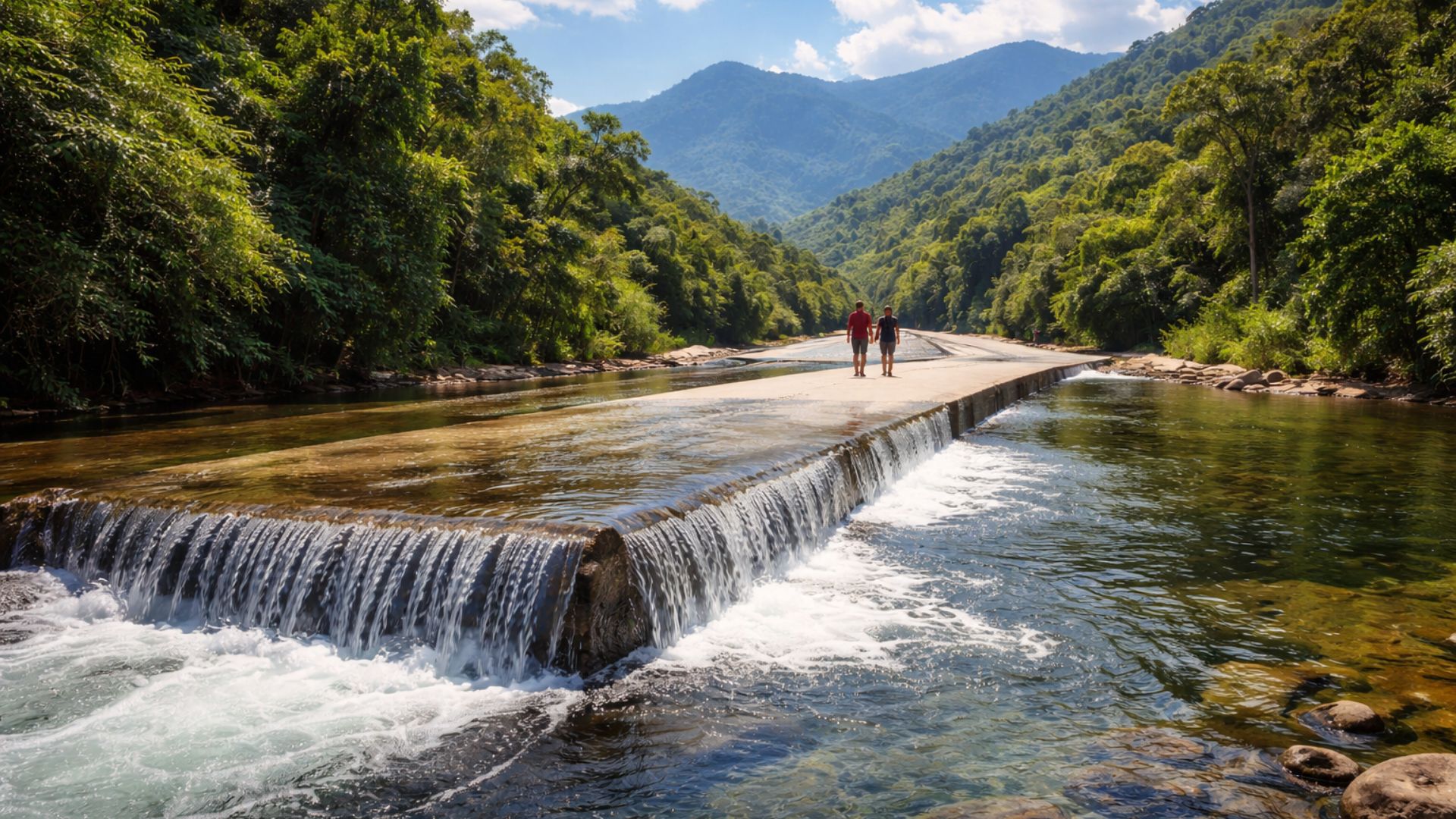
One of the most complex points is the removal of the old dam in the gorge, a structure from 1911 that ceased generating power in 1958 but maintained a significant environmental liability for decades.
Behind it, contaminated sediment composed of metals and toxic compounds accumulated, in an estimated volume of 865 thousand cubic yards. Without addressing this liability, the recovery of the River would remain incomplete.
The total project cost was estimated between US$ 130 million and US$ 180 million, with the majority dedicated to sediment cleanup and another part to the demolition of the structure.
Beyond the technical dimension, there is a strong symbolic effect: the removal allows for the reappearance of a historic waterfall that had remained submerged for 114 years. It is not just an engineering project; it is a physical and cultural reopening of the River for the city itself.
What Changed In The Water, Fauna, And Public Perception

The biological results accumulated over the decades are concrete: from a stretch considered biologically dead, the system began to support more than 60 species of fish, including species sensitive to water quality.
In 2019, the state environmental authority reported that fish from the Cuyahoga were safe for consumption under defined conditions. When demanding species return, the ecosystem shows objective signs of functionality.
The recovery also appeared in the upper food chain. Bald eagles returned to nest in the area after decades of absence, and their presence indicates a stable food supply and more balanced habitat.
There was also the reintroduction of otters and, in 2025, the release of 2,000 juvenile sturgeons into the River, a species absent for over a century. These milestones are not narrative decoration; they are verifiable ecological indicators.
From Stigma To Identity: How Cleveland Redefined Its Own Past
For years, the Cuyahoga River was a subject of national ridicule, associated with the idea of urban failure and industrial collapse.
Over time, the city converted this memory into public identity, incorporating the past into events, local brands, and community initiatives related to the “Burning River” theme. The shame was not erased; it was transformed into an active memory of collective learning.
This change matters because it reduces the risk of historical repetition. When a society acknowledges its mistakes, it creates language to defend against them in the future.
In the case of Cleveland, the River ceased to be just an environmental liability and became a reference for long-term governance, where science, budgeting, and social participation converge for ongoing goals, not just for emergency actions.
The story of the Cuyahoga shows that real recovery does not happen in headline time. It requires decades of institutional consistency, investment in sanitation, active oversight, heavy engineering, and local pacts that survive political changes.
The River that has burned more than once did not “miraculously” recover; it was rebuilt through collective decision and continued technical maintenance.
In your city, what environmental problem seems “normal” today, but could become a public crisis tomorrow if nothing changes? And, looking at the case of the Cuyahoga River, do you believe Brazil reacts too early, too late, or only when the problem becomes a national symbol impossible to ignore?






MO MOMENTO ATUAL ACHO QUE O BRASIL; NA MAIOR PORCENTAGEM DOS CASOS *******AINDA NÃO REAGE******!!!!!!!!!!!!!