





 Portuguese
  English
  Spanish
  4 min of reading
  2 comments


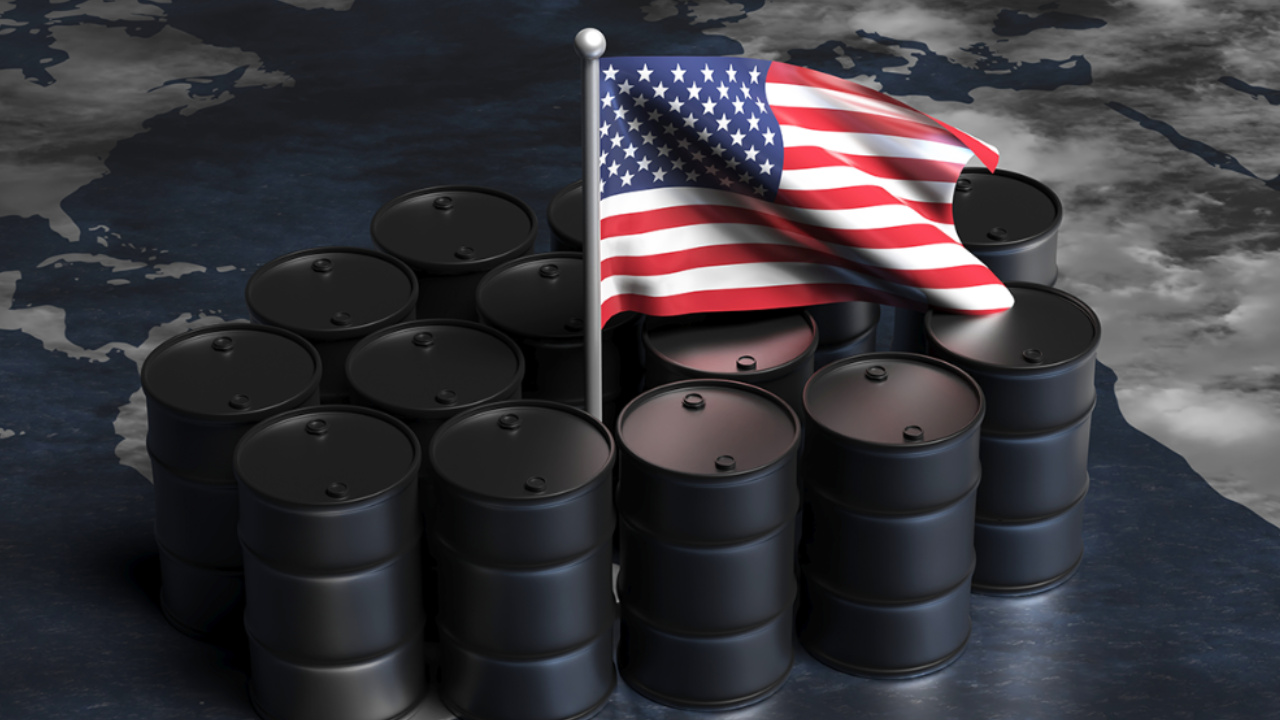


Report Reveals That 81% Of Global Oil Reserves Are In Countries Under US Influence, Increasing Geopolitical Risks, Market Instability, And Pressures On Global Energy Security.
A new international survey reignites the debate about the centrality of oil in global geopolitics. According to an analysis released by the environmental organization 350.org in partnership with Zero Carbon Analytics, 81% of global oil reserves are located in countries within the political, economic, or military sphere of influence of the United States.
Moreover, these same countries account for about 68% of the world’s commodity production.
The study indicates that this concentration amplifies systemic risks for the international energy market, as political decisions, sanctions, and armed conflicts begin to have a direct impact on oil supply and prices.
-
Brazilian giant expands borders in the Southeast: Petrobras confirms new oil discovery in ultra-deep waters in the pre-salt of the Campos Basin.

-
Alert in the global energy market: Severe tropical cyclone hits the coast and disrupts gas production at major plants in Australia, threatening global supply.

-
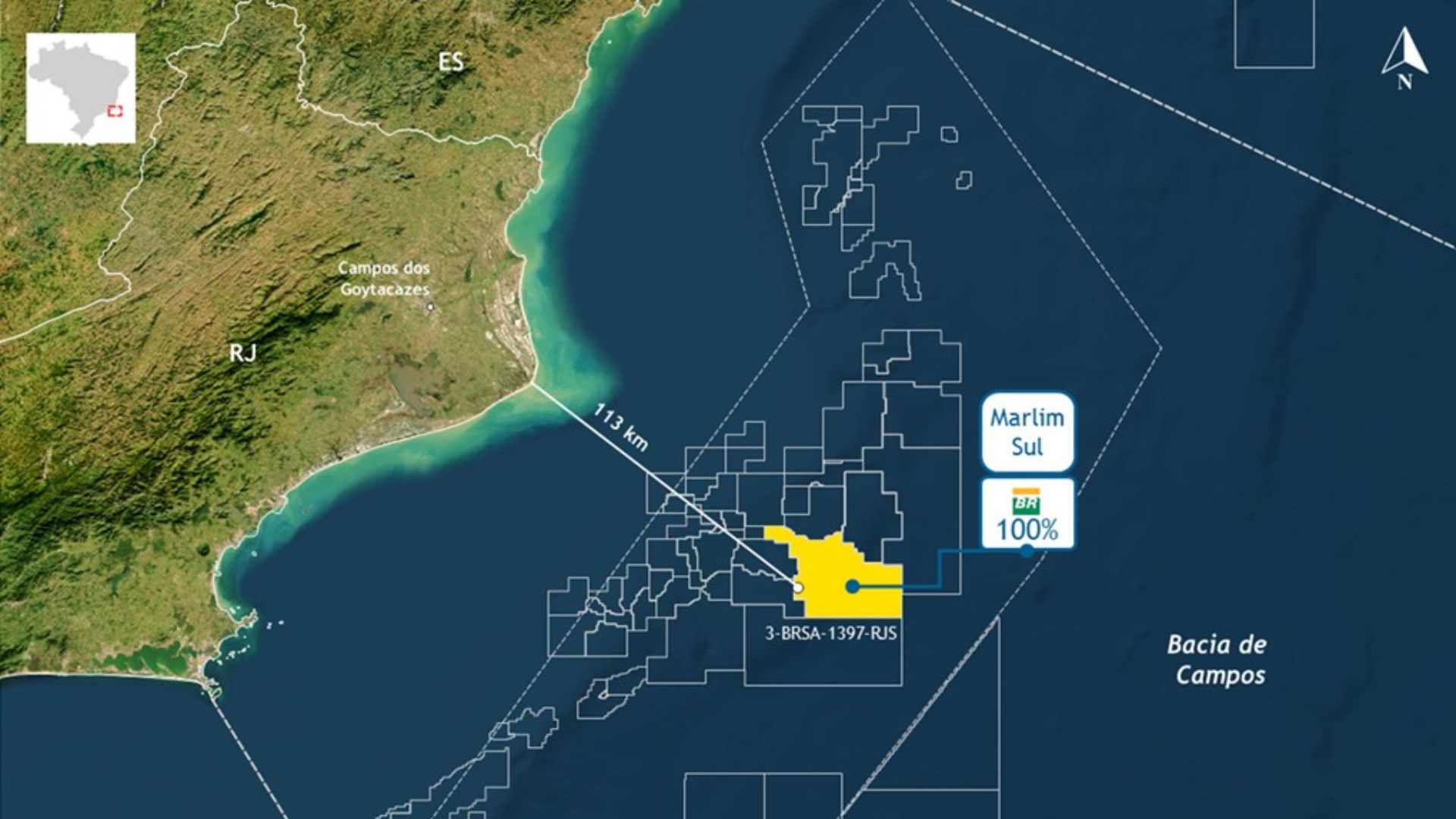
Petrobras finds high-quality oil in the pre-salt at 113 km from RJ and reignites expectations about strategic reserves in the Campos Basin.

-
Ocyan opens registrations for startups focused on innovation in the oil and gas sector and will select projects for Innovation Day with the support of Nexio.


Thus, dependence on fossil fuels remains a structural factor of economic and diplomatic instability.
Global Production Also Follows The Logic Of Power Blocs
In addition to reserves, the report highlights that 53% of the world’s natural gas production and 52% of proven reserves of this source are also in countries aligned with US strategic interests.
In this context, North America, Central America, and South America are treated as a direct part of the North American sphere of influence, reinforcing a strategy of regional control over energy resources.
According to the analysis, this configuration consolidates a scenario where access to oil and gas becomes mediated by large rival geopolitical blocs. Currently, 79% of global oil production is concentrated in countries under the direct influence of the United States or Russia, intensifying disputes and raising the level of uncertainty in the international market.
Venezuela Returns To The Center Of The Energy Board
The release of the report comes at a sensitive moment in international politics. US President Donald Trump is preparing to receive in Washington the leader of the Venezuelan opposition and Nobel Prize winner, María Corina Machado. Venezuela holds about 20% of the world’s crude oil reserves, making it one of the most strategic countries on the planet in this sector.
Following the American invasion and the capture of Nicolás Maduro, the country has returned to the center of global attention, amid signs of economic reconfiguration and geopolitical pressures related to the energy sector. In this scenario, Venezuelan oil once again emerges as a key piece in Washington’s attempt to reaffirm its influence in the hemisphere.
Security Doctrine Expands The Strategic Reach Of The US
The report links this concentration of oil to the latest National Security Strategy of the Trump administration, described by analysts as a rearticulation of the Monroe Doctrine. Dubbed by critics as the “Donroe Doctrine,” the policy makes explicit the intention to expand the political, economic, and military influence of the United States, especially in regions rich in natural resources.
Within this logic, indirect control over reserves and oil production is seen as a central instrument of power. Producing countries, even without facing direct threats, find themselves integrated into the American financial and military systems, as is the case with Saudi Arabia and the United Arab Emirates.
Escalation Of Tensions Increases Oil Volatility
According to Andreas Sieber, head of Political Strategy at 350.org, the current global dependence on oil creates a permanent risk environment. “Today, more than two-thirds of the oil available in the global market comes from countries where the Trump administration projects aggressive influence or threatens to do so.
Every military escalation, sanction, or geopolitical tension translates into price volatility, supply disruptions, and economic shocks that governments cannot control,” he states.
The study reminds us that, in just the last year, the United States carried out bombings or military interventions in Venezuela, Iran, and Iraq, in addition to issuing explicit threats against other countries and strategic territories. This history reinforces the perception that oil remains directly linked to international instability.
Dependence On Oil Exposes Economic Fragilities
In the view of Bridget Woodman, head of Policy and Finance at Zero Carbon Analytics, the current scenario represents a warning for governments that still prioritize fossil fuels. “Control of fossil fuels is becoming increasingly concentrated in ever more rival blocs, with inevitable impacts on global security and energy supply costs,” she emphasizes.
According to her, exposure to highly politicized global supply chains makes importing countries more vulnerable to external shocks, energy inflation, and supply crises. Thus, the centrality of oil is no longer just an economic issue but becomes a direct factor of national security.
Energy Transition Gains Strategic Dimension
Although the report focuses on oil, it also outlines ways to reduce dependence on this model. For the authors, the energy transition should be viewed not only as a response to the climate crisis but as a long-term security strategy.
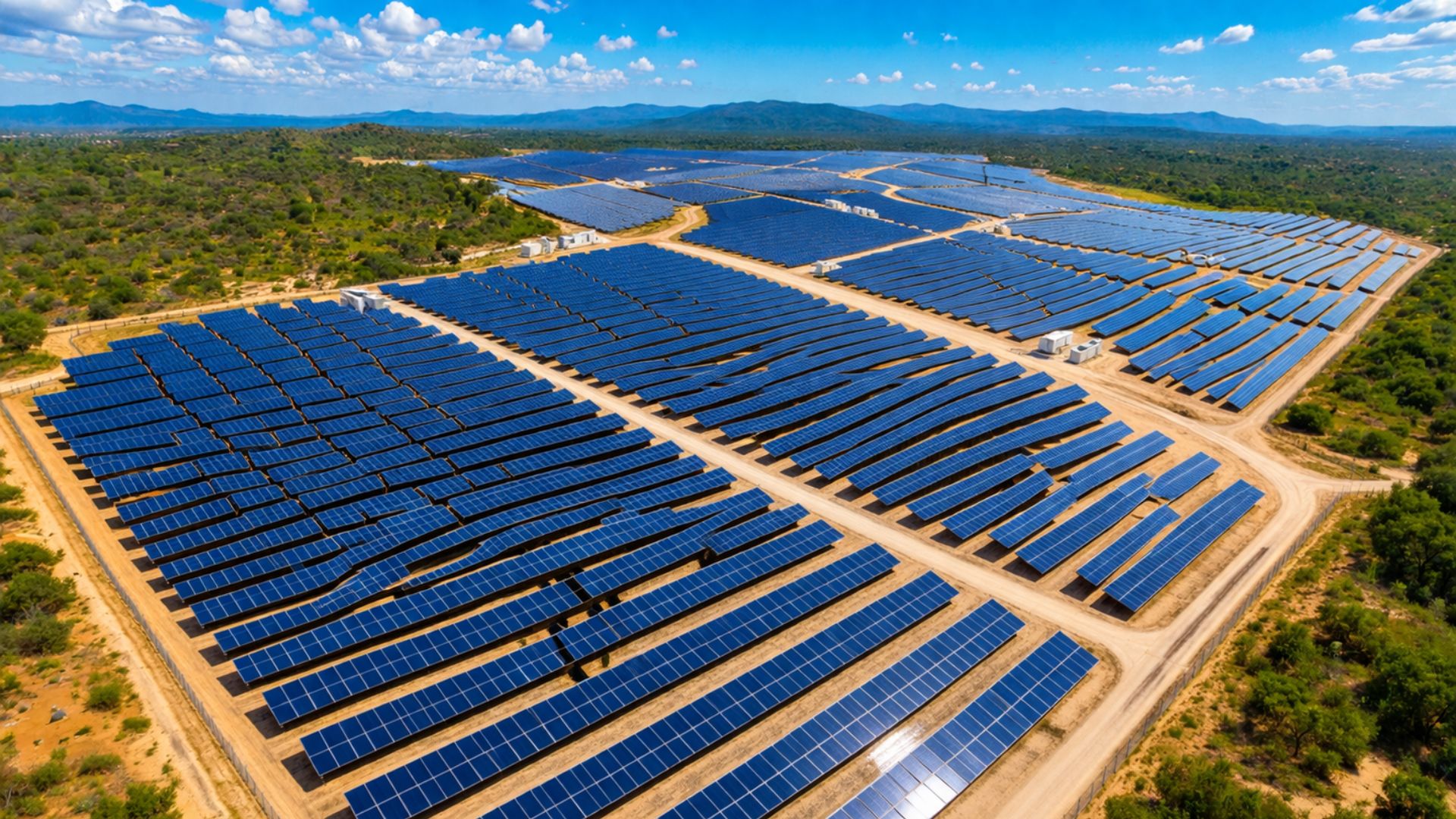
Renewable sources, such as solar and wind, as well as battery storage systems and electrification, reduce exposure to geopolitical conflicts and decrease dependence on unstable international routes.
According to the International Energy Agency (IEA), global renewable generation capacity is expected to grow by about 4,600 gigawatts between 2025 and 2030, double the amount recorded in the previous five years.
Local Energy As A Response To Global Instability
The report argues that local, decentralized energy systems managed by communities offer greater economic predictability and energy security. By reducing the centrality of oil, these models limit the impact of international disputes on the cost and availability of energy.
The analysis was based on public data from the Statistical Review of World Energy 2025, from the Energy Institute, and reinforces that as long as oil remains concentrated in a few power centers, instability will continue to be a structural element of the global energy system.






Trump O PRESIDENTE MAIS INTELIGENTE DO MUNDO SALVE TRUMP SALVE BEJAMIN
EUA E PODEROSO VIA ISRAEL SEMPREEEEEEEEE