





 Portuguese
  English
  Spanish
  3 min of reading
  0 comments


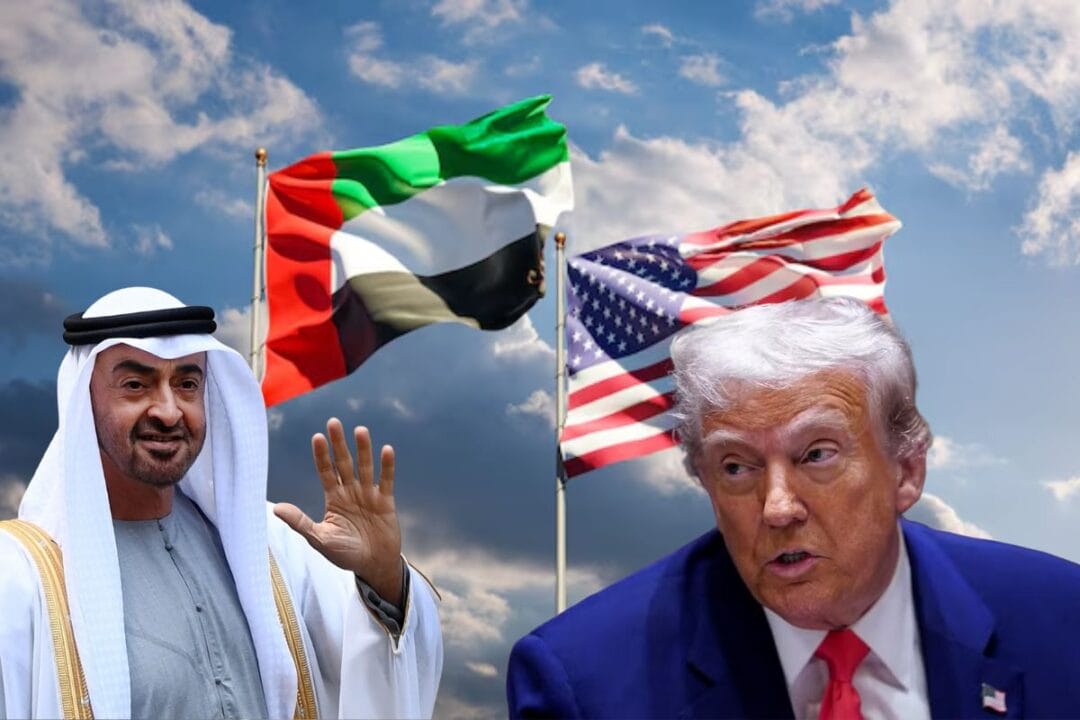
Historic Negotiation Could Open Billion-Dollar Market and Expand the UAE Energy Matrix with US Technology Under Strict Non-Proliferation Control.
The governments of the United States and United Arab Emirates have initiated negotiations to establish a new civil nuclear agreement based on Section 123 of the US Atomic Energy Act. The treaty will allow the UAE access to American nuclear technologies, provided they comply with the strict non-proliferation standards required by Washington.
The aim of the new agreement is to diversify the UAE energy matrix and boost international cooperation in clean and safe energy.
What Is at Stake in the New Civil Nuclear Agreement
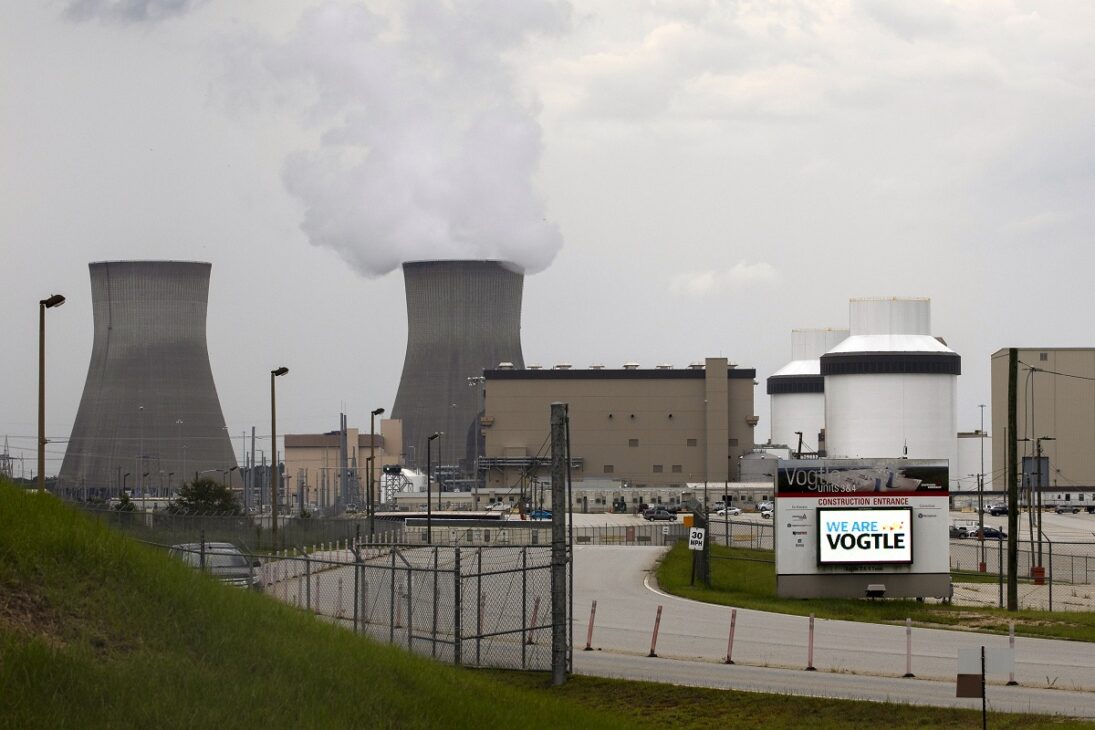
The United Arab Emirates seeks to reduce its dependence on fossil fuels by investing in civil nuclear energy to meet economic growth and climate targets.
-
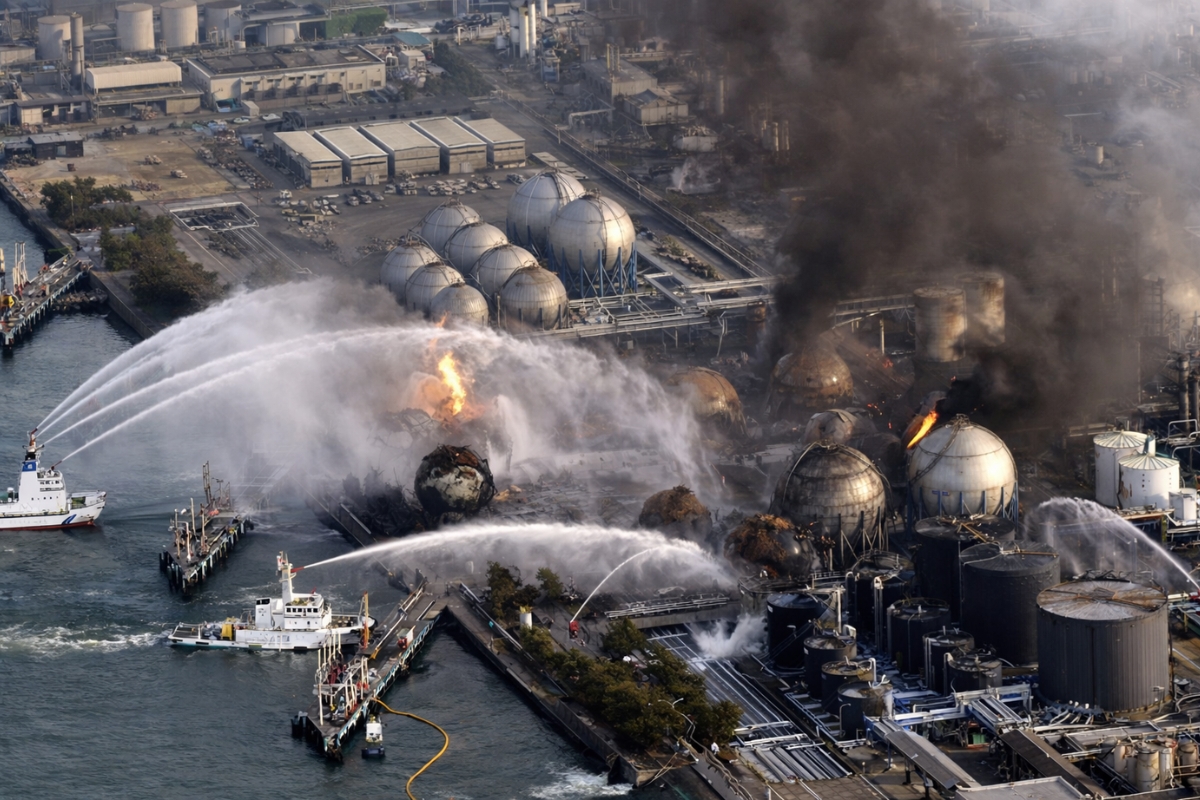
Fukushima Marks A Turning Point In Japan’s Energy Policy: After The Disaster, The Country Shut Down Its 54 Nuclear Reactors And, 15 Years Later, Only A Small Portion Have Returned To Operation
-
How Japan Overcame The Nuclear Bomb And Now Houses Millions In Hiroshima, While Ukraine Lost Chernobyl?

-
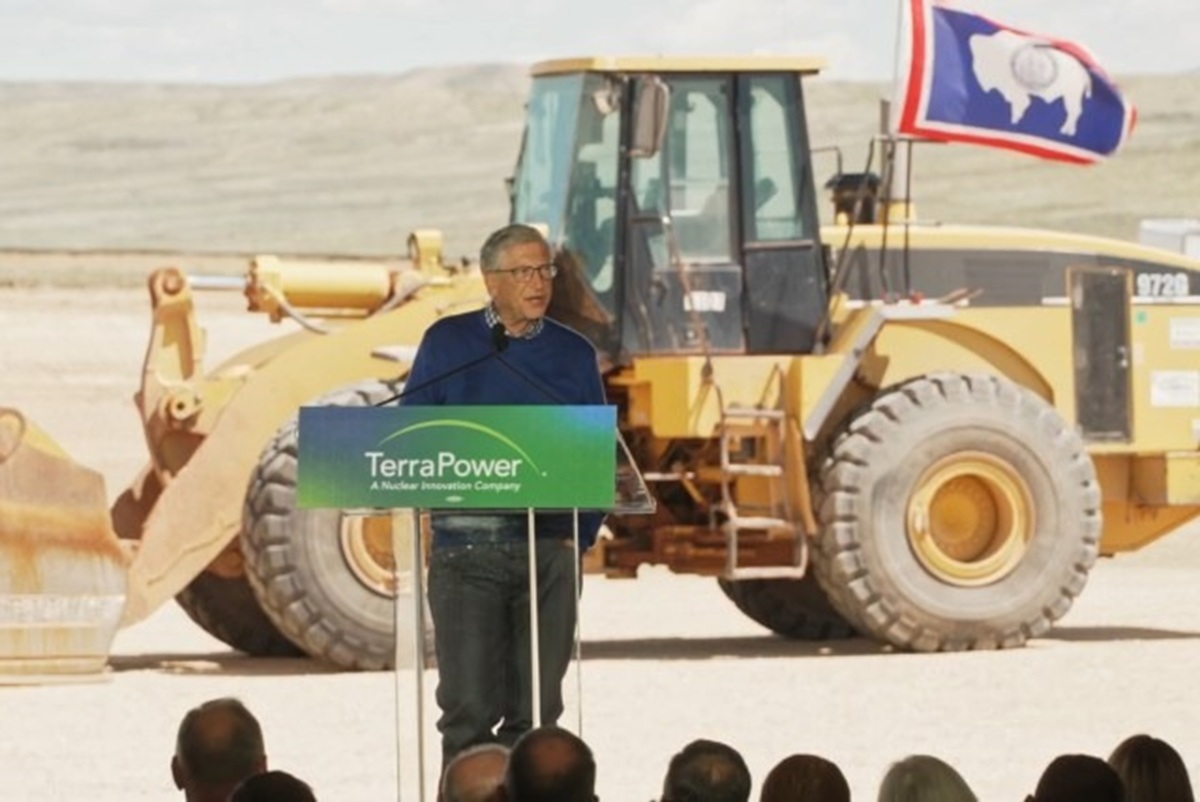
Bill Gates Receives Historic Approval to Build Giant 345 MW Nuclear Plant in the U.S. and Promises to Generate Up to 500 MW of Energy with Innovative Technology
-
India Opens Nuclear Energy to Private Capital to Accelerate Projects and Attract Billions, While Brazil Remains Stalled at Angra 3 and Discusses Who Will Foot the Bill for Completion
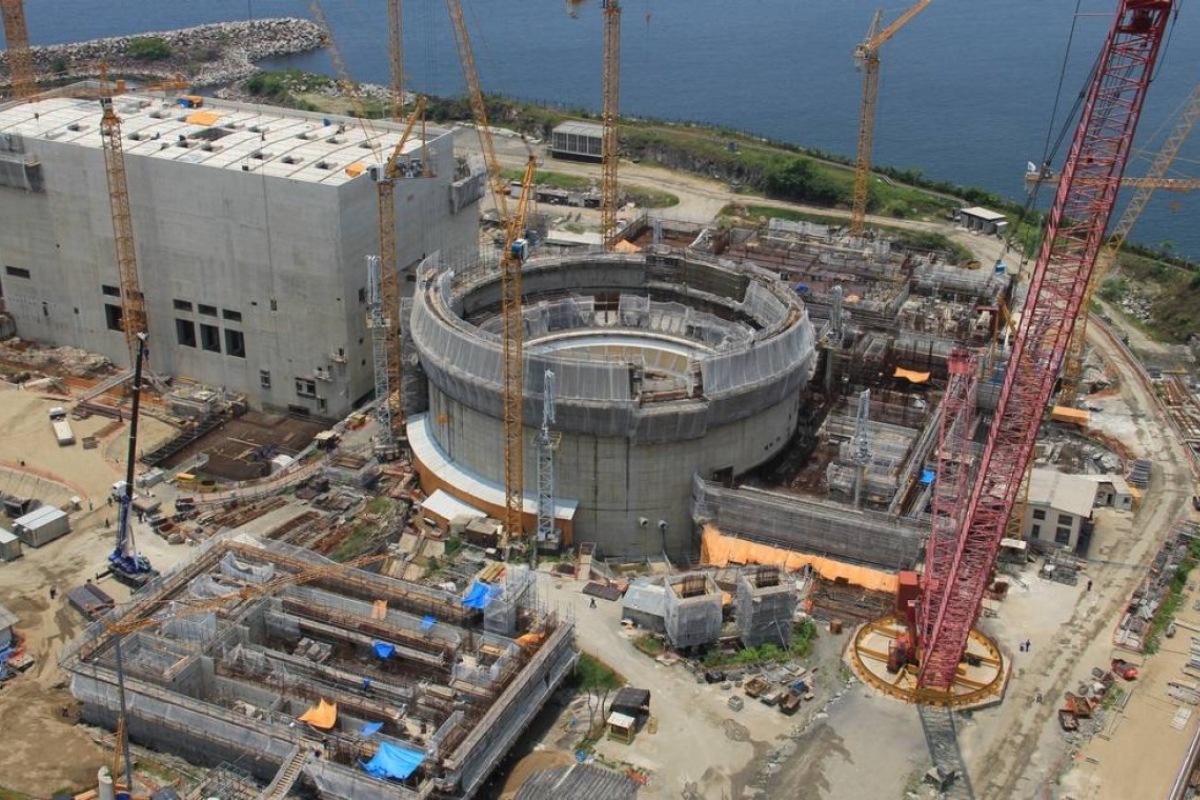

Meanwhile, the US views the partnership as a way to expand its technological influence and ensure safety standards in a sensitive sector while promoting high-value exports, such as reactors, engineering services, and infrastructure.
The new civil nuclear agreement could directly benefit the American nuclear industry by opening a billion-dollar market in the Middle East.
Security and Non-Proliferation Clauses
The main obstacle in the negotiations is the set of guarantees required by the US to ensure the peaceful use of the technology. Among the conditions are:
- Prohibition of local uranium enrichment
- Reprocessing of irradiated fuel prohibited
- Technical inspections and international audits
These clauses follow the pattern of agreements previously made by the US with other strategic partners.
Economic and Industrial Impact of the New Civil Nuclear Agreement
If realized, the agreement could generate:
- New highly skilled jobs in the UAE
- Transfer of technical-scientific knowledge
- Development of local civil nuclear infrastructure
- Expansion of the global supply chain related to nuclear energy
For American companies in the sector, it represents a strategic opportunity: preferential access to nuclear projects in the UAE, with potential for expansion to neighboring countries.
Projections and Next Steps of the Partnership
Negotiations are still ongoing, and there is no defined timeline for the signing of the treaty. Experts point out that, once approved, the new civil nuclear agreement could become a model for future partnerships between technological powers and emerging countries in nuclear energy.
There is an expectation that negotiations will advance in 2025, with political backing from both sides.









Seja o primeiro a reagir!