





 Português
  Inglês
  Espanhol
  2 min de leitura
  0 comentários


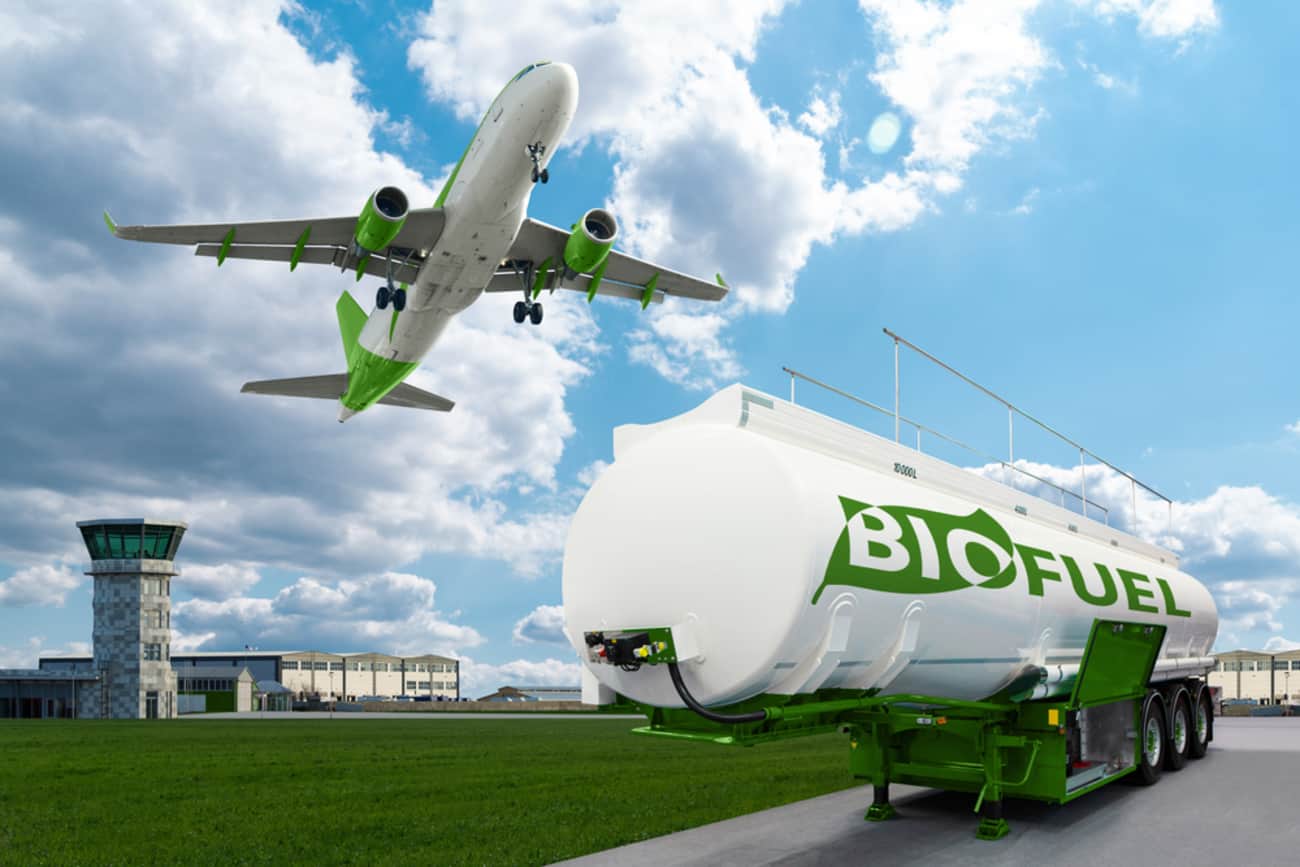
United States Uses Membrane-Assisted Anaerobic Digestion to Create Aviation Fuel from Wastewater: Cheaper and More Eco-Friendly!
A team of researchers from the Argonne National Laboratory, managed by the U.S. Department of Energy, has developed a system that converts wastewater into aviation fuel. The organic biofuel generates 70% less emissions than aviation kerosene.
How It Works. The system converts organic wastewater into butyric acid and other volatile fatty acids (VFAs), precursors to sustainable aviation fuels (SAFs). The process starts with a carbon-rich wastewater concentrate, such as those from breweries and dairy farms.
Membrane-assisted, the system performs a methane-enhanced anaerobic digestion (MAAD) to produce VFAs. This technology minimizes the production of lactic acid, a chemical compound that limits the efficiency of converting VFAs into SAFs. Therefore, it produces a VFA that is more efficient and performs better.
-
Chaos On Airplane Could Be Expensive: Proposal Aims To Prevent Disruptive Passengers From Flying For Up To 1 Year In Brazil And Face Fines Of Up To R$17,500

-
Man Arrested After Halting Takeoff of Fire Department Helicopter During Child Rescue in Guaratuba

-
With 37 Tons of Cargo, Over 8,000 km Range, and Ability to Land on Unpaved Runways, the Airbus A400M Demonstrates How Europe Created a Military Giant That Transports Armored Vehicles, Aerially Refuels Fighters, and Operates in Conflict Zones and Humanitarian Missions Worldwide
-
Emergency Landing in Campos Amarais After Bird Strike on Small Plane

An Economical and Efficient Solution for Sustainable Aviation
A more economical SAF. SAF production represents less than 1% of the fuel used in the aviation industry because it mainly relies on raw materials such as fats and oils, which are limited and expensive.
The new system produces VFAs at 60 cents per kilogram, so the derived SAF could be sold at a minimum price of $1.23 per liter. The usual price of SAF is $1.77. This is a significant reduction, although the price of aviation fuel is $0.75 per liter.
Why It Matters. Airplanes are responsible for 3% of global greenhouse gas emissions. SAFs are seen as a key solution for reducing the aviation carbon footprint and meeting global climate goals, but they have never fully taken off.
This new scalable technology addresses two of the main issues of SAFs: their production costs and their limited availability, whether due to the high costs of raw materials or insufficient production for the aviation industry.
The DOE’s Bet. The U.S. Department of Energy has set two ambitious goals for the sector: to produce 11 billion liters of SAF by 2030, and to meet 100% of the demand for commercial aviation fuel with SAF by 2050.
This approach, which turns waste such as wastewater into sustainable fuel, could be the key to achieving these goals. But more incentives and research will be needed for SAF prices to continue to fall and for airplanes to start operating on wastewater.










Seja o primeiro a reagir!