





 Portuguese
  English
  Spanish
  5 min of reading
  0 comments


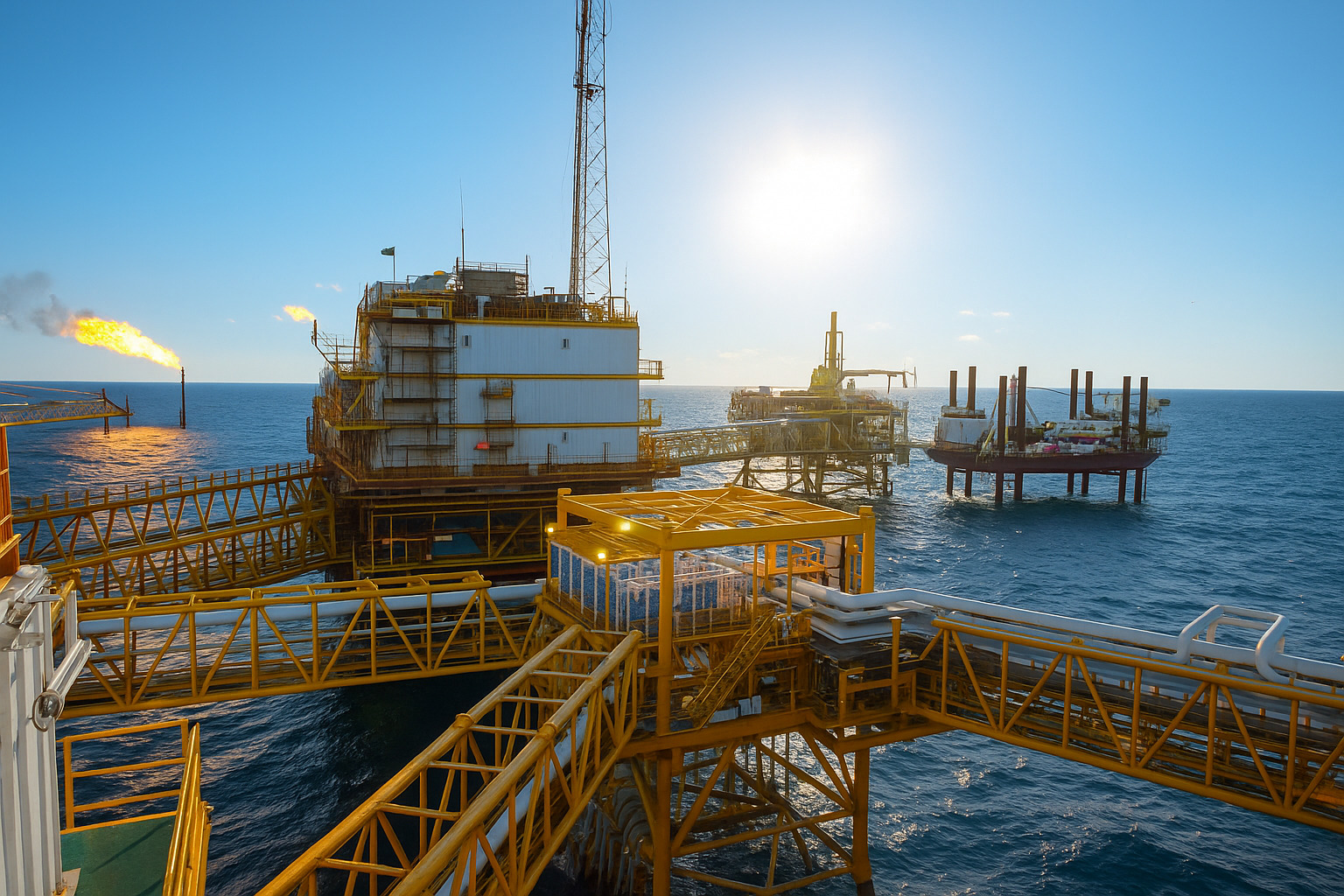
USA Wants To Discuss With China The Trade Of Russian And Iranian Oil, Increasing Pressure On Allies Of Moscow And Tehran And Strengthening Existing Sanctions.
Over the past few decades, oil has played a central role in global geopolitics. It shapes alliances, intensifies disputes, and directly interferes with the global economic balance. In this context, Russian and Iranian oil has become a sensitive point for the major powers of the planet.
Recently, the United States announced its intention to include this topic in the upcoming rounds of negotiations with China. With this, alarms are raised about possible changes in international relations and the global energy flow.
Since Russia invaded Ukraine in 2022, Western countries have imposed a series of economic sanctions. Mainly the USA and the European Union have sought to restrict Russia’s ability to finance the conflict, directly affecting strategic sectors such as energy.
-
The rise in oil prices could ensure an extra revenue of R$ 100 billion for the Federal Government, indicates a recent economic study.

-
Naturgy begins an investment of R$ 1.6 million to expand the gas network in Niterói and benefit thousands of new residences and businesses.

-
A major turn in the Justice system suspends tax increases and directly impacts oil and gas companies in Brazil by affecting costs, contracts, and financial planning, leaving uncertain what could happen to the sector if these costs had increased.

-
Brava Energia begins drilling in Papa-Terra and Atlanta and could change the game by reducing costs in oil while increasing production and strengthening competitiveness in the offshore market.
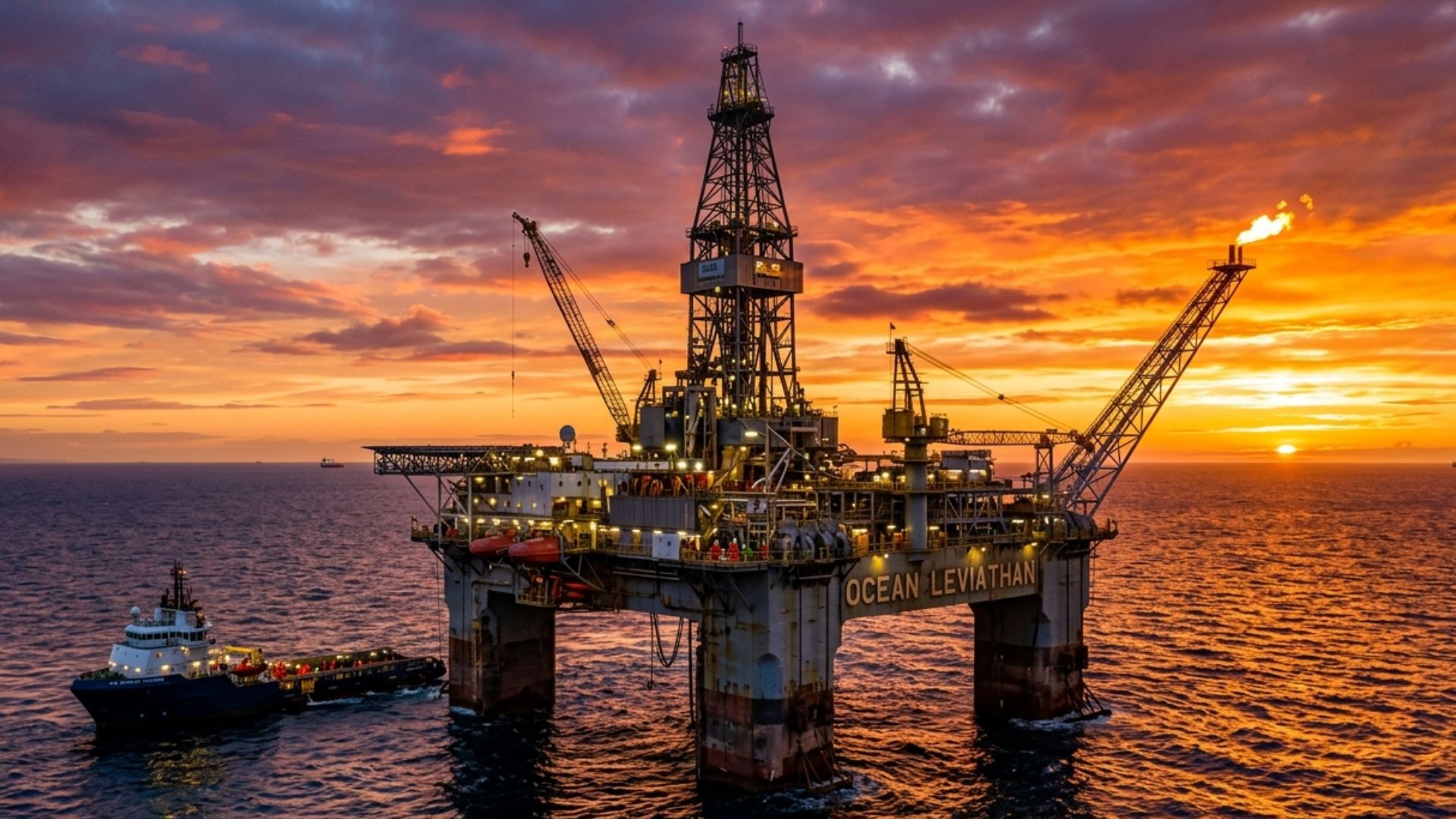

China As The Main Destination For Russian And Iranian Oil
Russian oil, the main export product of Russia, has found new markets after European blockades. As a result, Moscow redirected its shipments to nations that ignored the sanctions, such as China and India.
At the same time, Iran has leveraged its partnership with China to keep its economy active, even under U.S. sanctions that have lasted for over a decade. Therefore, the country has developed alternative ways to market Iranian oil, often through shell companies, concealed naval routes, and discreet agreements.
Thus, China has established itself as one of the largest buyers of Russian and Iranian oil, which deeply concerns the United States. After all, the constantly expanding Chinese economy relies heavily on these external sources to sustain its growth.
Moreover, the cheap oil from these countries helps keep Chinese production costs competitive. The pursuit of energy security leads China to prioritize accessible and stable sources.
Even if it means ignoring diplomatic pressures, Russia and Iran offer attractive prices, which strengthens this strategic choice for Beijing.
New US Strategy In Trade Negotiations
In this context, the U.S. government, under the leadership of Donald Trump, decided to address the issue in trade negotiations with the Chinese. Treasury Secretary Scott Bessent stated that future talks will directly include the purchase of sanctioned oil.
According to him, the two countries should discuss more than just tariffs. Bessent also presented the possibility of the U.S. applying secondary sanctions.
If implemented, these sanctions would force any country buying sanctioned Russian oil to pay tariffs of 100%. Bessent appealed to European countries to adopt the same stance if the U.S. proceeds with this policy.
With this, the United States seeks to broaden the reach of its economic measures against Moscow and Tehran. They want to pressure those who maintain energy relationships with them.
Energy Dispute And Strategic Alliances
This approach reveals the complexity of the current dispute. The USA strives to maintain its global leadership, while China reinforces its strategic alliances in search of energy stability.
Thus, energy, in this context, remains a powerful tool of foreign policy. During the Cold War, for example, the Soviet Union used its energy resources to influence Eastern European countries.
At the same time, the United States fostered partnerships with major Middle Eastern producers to ensure oil supply. Iran, isolated since the Islamic Revolution of 1979, has always found ways to continue selling oil.
With China’s support, Tehran has expanded its alternative routes and strengthened trade ties, even in the face of the risk of Western retaliation. Furthermore, Iran has created a parallel infrastructure to evade sanctions.
This network involves ships with transponders turned off and cargo transfers at sea. Therefore, this capacity for adaptation allows Iranian oil to continue circulating in the international market.
Redirecting Russian Oil And Challenges Ahead
The war in Ukraine forced Russia to rethink its trade strategies. In response, Moscow increased shipments to China and offered aggressive discounts to secure its markets.
Thus, the energy partnership between the two countries intensified. India also took advantage of low prices. However, China became the main destination for Russian and Iranian oil.
This shift in trade flow strengthened Asia’s energy dependence and challenged Western efforts to isolate Moscow. The United States now faces a dilemma.
They must maintain the firmness of the sanctions, but cannot ignore China’s economic influence. Therefore, by including the energy topic in negotiations, the USA seeks to pressure Beijing to reconsider its choices.
Washington also sees a greater risk. Allowing adversarial powers to sustain their economies with support from major consumers threatens the effectiveness of sanctions and the geopolitical balance.
Chinese Economy And Balance In Global Relations
Besides oil, the USA asks China to rebalance its economy. After all, the Asian country already represents about 30% of the world’s industrial exports.
This creates imbalances in global supply chains and pressures markets in various regions. The talks between Washington and Beijing, therefore, are not limited to the energy sector.
They involve issues such as tariffs, access to technology, intellectual property rights, and trade rules. Previous rounds in Geneva and London have already tackled sensitive topics.
Currently, the USA applies a 10% tariff on Chinese products, while China imposes 30% taxes on U.S. goods. With the energy crisis, the debate may evolve.
The oil adds to the list of strategic topics, alongside the energy transition, access to rare minerals, and control over clean technologies. Ensuring fossil fuel supply remains a priority, even in light of climate urgency.
Oil As A Strategic Piece Of Geopolitics
By placing Russian and Iranian oil at the center of negotiations, the USA adds a geopolitical layer to trade. This change amplifies the diplomatic and economic implications of the debate.
Beijing may view this attempt to impose restrictions as a threat to its energy sovereignty. If pressured, China may seek new bilateral agreements, reinforce alliances with Russia and Iran, or even accelerate internal energy projects.
What is at stake is not only the volume of barrels traded. More than that, it is about the ability to dictate the rules of global trade.
Energy remains one of the pillars of international power. Therefore, Russian and Iranian oil has ceased to be just a commodity.
It has become a geostrategic piece that shapes the present and future of relations between the world’s major powers.









Seja o primeiro a reagir!