





 English
  Francês
  Alemão
  Italiano
  Japonês
  Norueguês
  Portuguese
  Spanish
  3 min of reading
  0 comments



The Mystery of the “Void” in the Center of the Country and the Population’s Preference for the Coast. Why Do Most Americans Prefer to Live on the Coast and the Center of the U.S. Remains Practically Empty?
The United States, one of the most influential and diverse nations in the world, exhibits an intriguing demographic phenomenon: the majority of its population is concentrated on the east and west coasts, while vast areas of the center of the country remain virtually uninhabited. This pattern of distribution is particularly notable considering that the U.S. is the fourth largest country in the world in terms of area, covering approximately 6% of the global land mass, according to a video from the Incrível channel.
The Inequality in Population Distribution in the United States
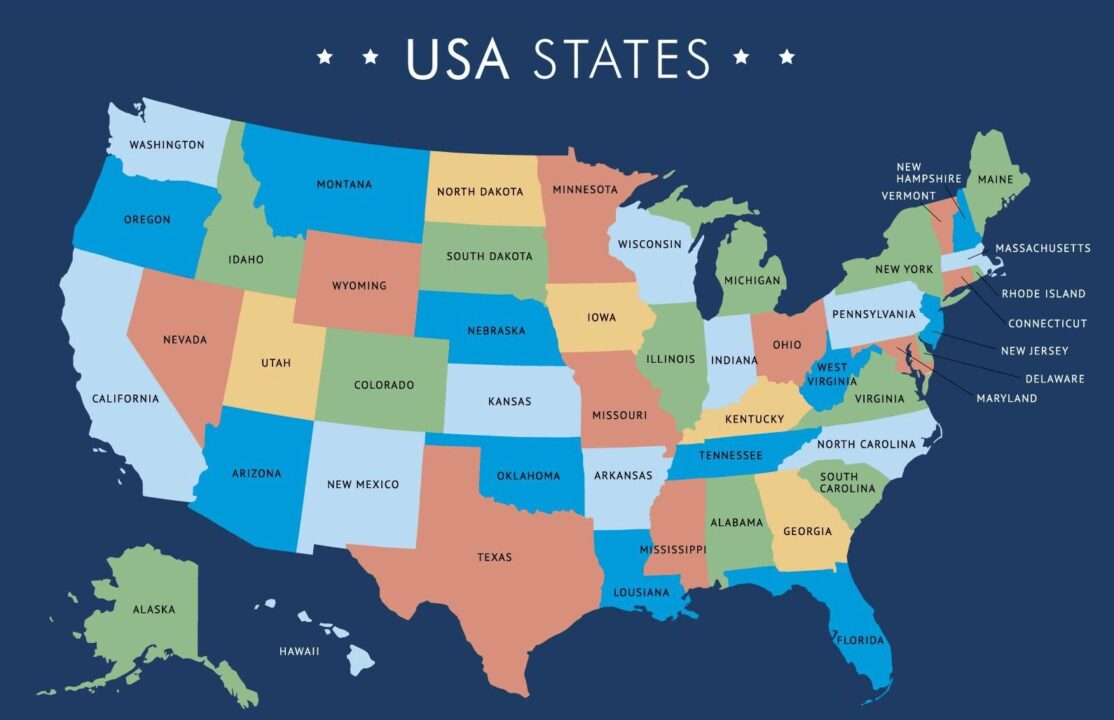
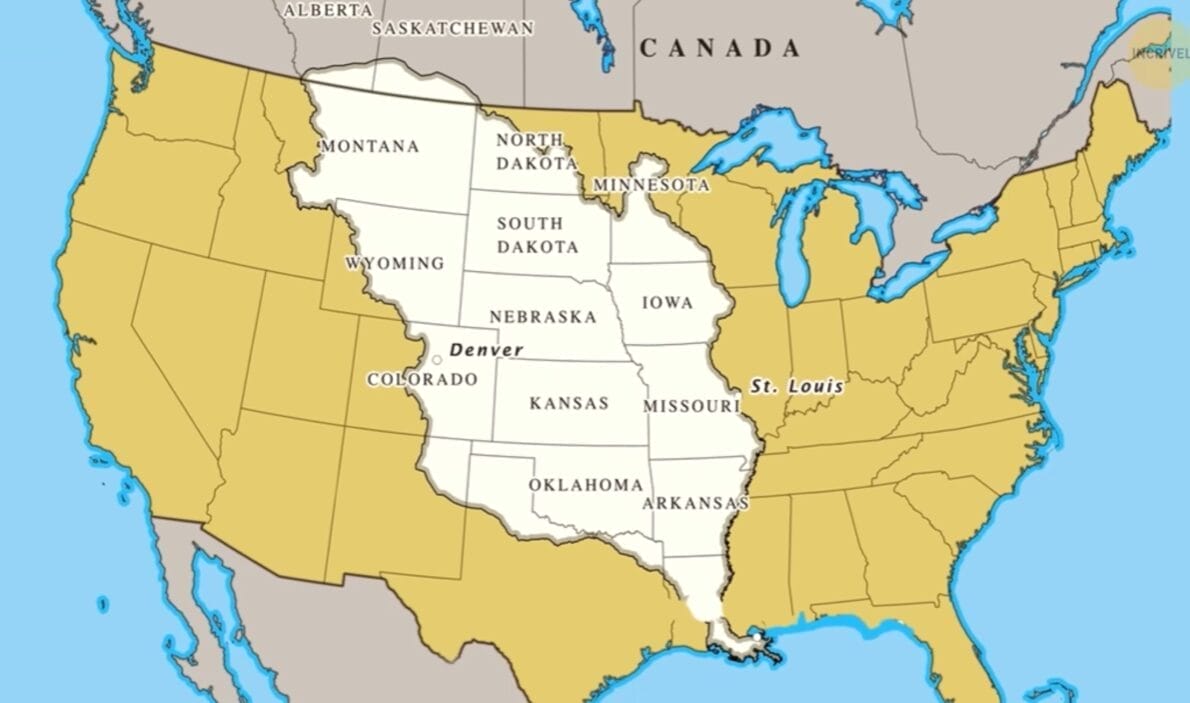
An analysis of population data reveals a significant inequality in the distribution of inhabitants in the U.S. Approximately 80% of the population lives east of an imaginary line that divides the country from north to south, meaning that only one in five Americans resides west of this line. This disparity is evident in major metropolitan areas, such as Los Angeles, San Diego, and San Francisco, which are densely populated and attract a large portion of residents.
The center of the country, known as the “underpopulated belt,” covers a vast area, equivalent to twice the size of California, but represents only 1% of the total U.S. population. This phenomenon raises the question: why is the center of the United States so sparsely populated?
-
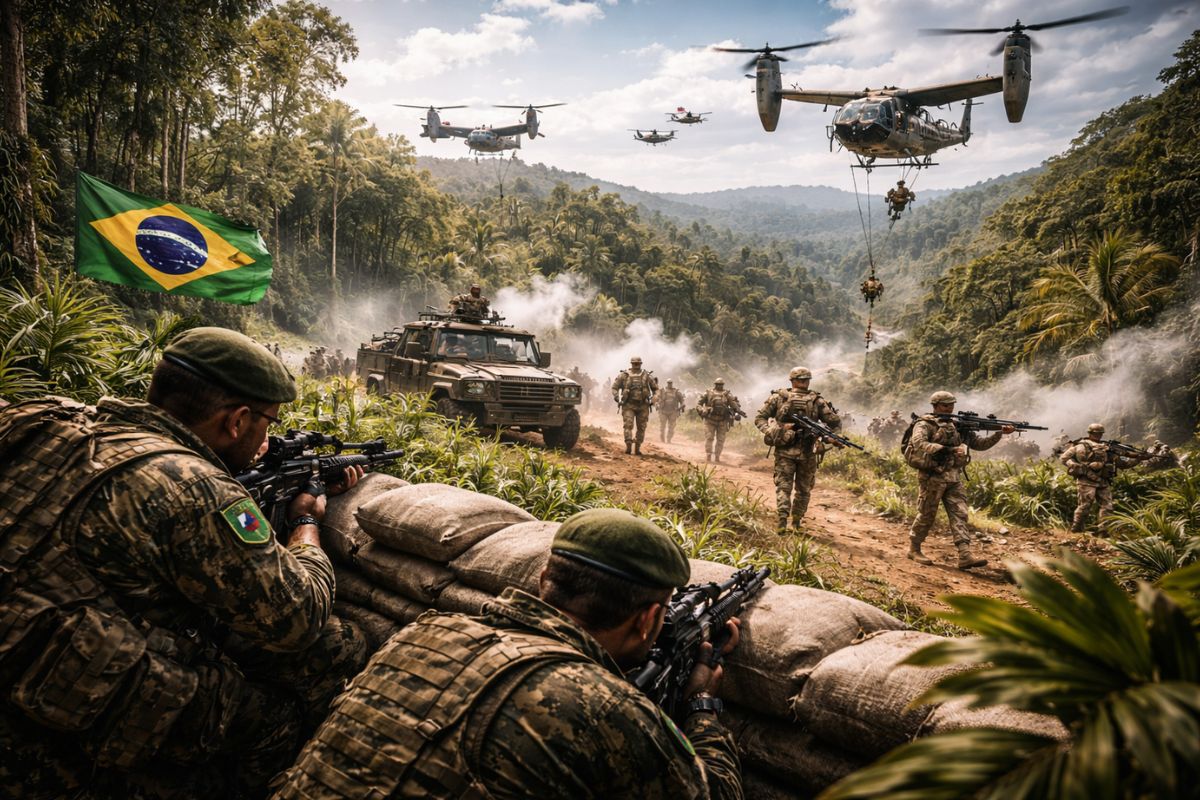
If the USA were to go to war with Brazil, Washington’s greatest fear would not be the attack itself, but facing a vast territory, prolonged resistance, and a costly, chaotic, and unpredictable occupation.
-
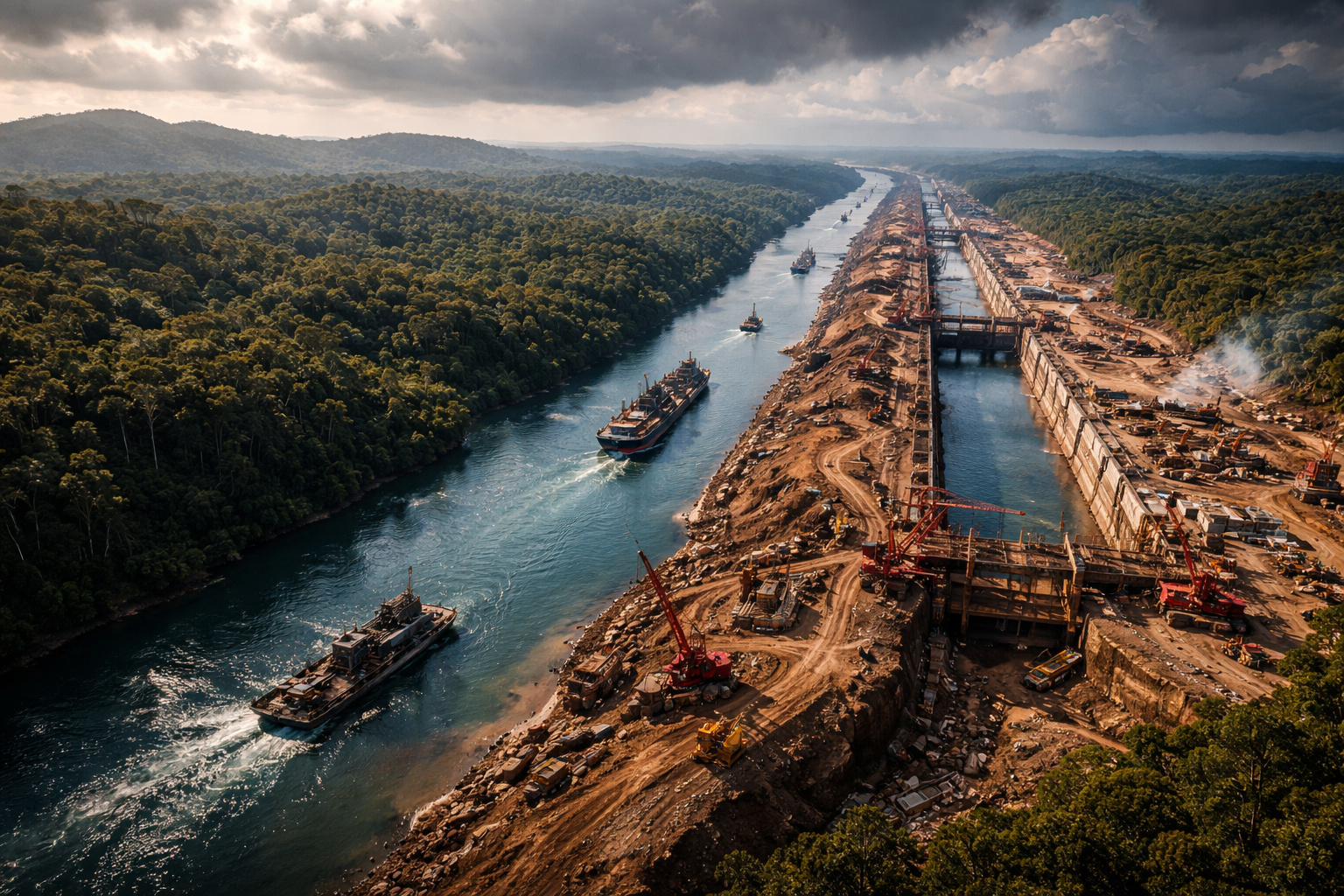
In 2013, Nicaragua sold the concession for a canal to rival Panama to a Chinese billionaire who lost 85% of his fortune, disappeared, and was declared bankrupt. Now the project resurfaces with a new route, a new Chinese partner, and a cost of $64.5 billion.
-
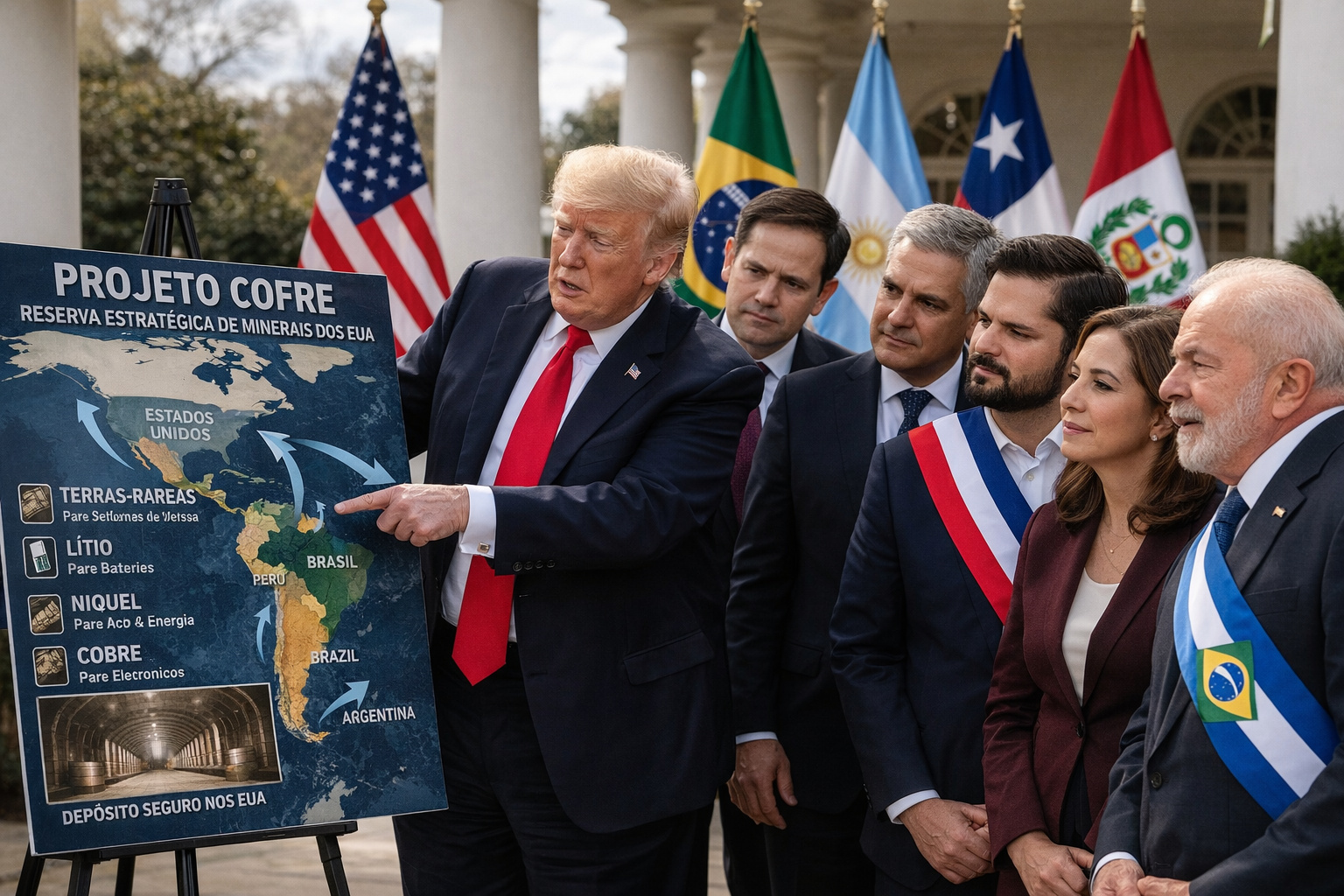
The USA announces a mysterious billion-dollar vault project to store critical minerals, but what intrigues experts is not just the plan itself, but why Latin America, including Brazil, has entered the center of this global dispute against China.
-
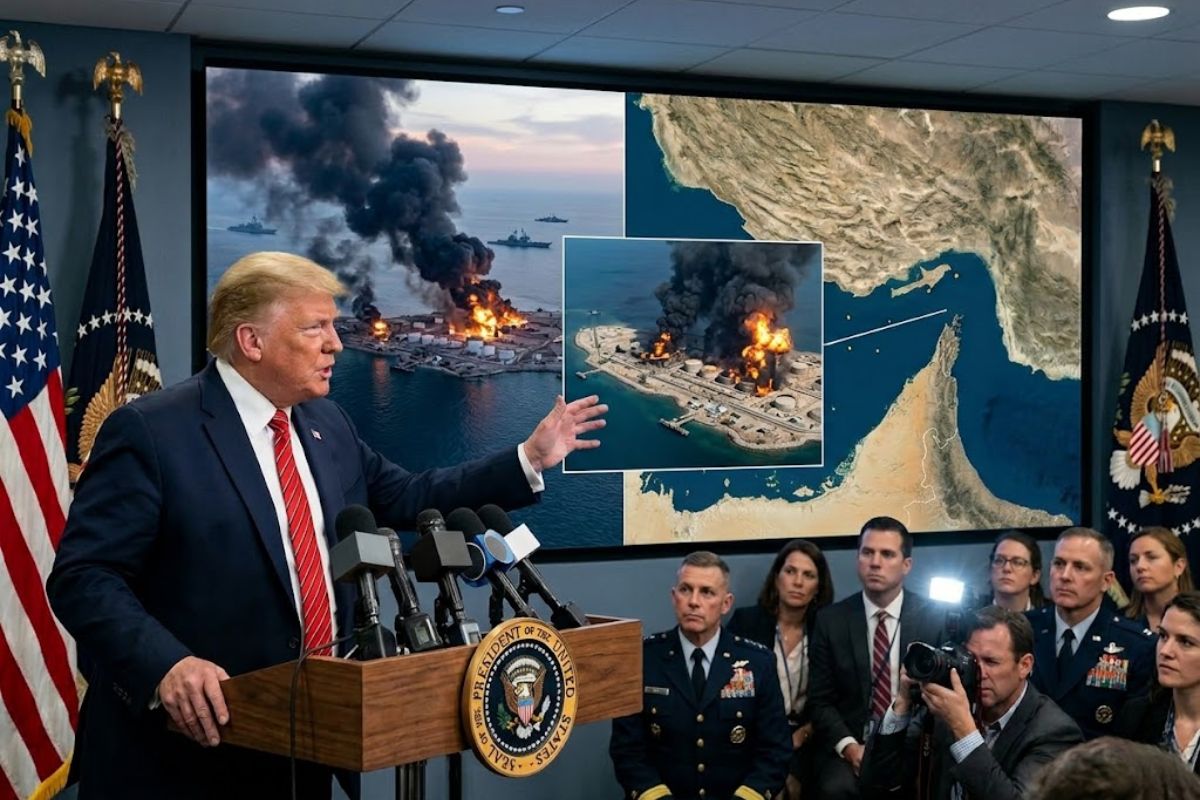
Trump Announces Bombing of U.S. Military Targets on Iranian Island Responsible for About 90% of Iran’s Oil Exports, Warns of Further Attacks if Navigation in Strategic Strait of Hormuz Is Threatened

Historical and Economic Impacts
The uneven distribution of the population can be attributed to historical and economic factors. The early economic development of the U.S. was heavily influenced by westward expansion, but the concentration of infrastructure and economic opportunities along the east and west coasts established a pattern that persists to this day. Major financial and industrial centers located in these regions attracted people seeking job opportunities and a better quality of life.
Populous Areas of the United States
The climate also plays a crucial role in the low population density of the central U.S. The region is characterized by an arid and extreme climate, with scorching summers and harsh winters. The Rocky Mountains, located to the east of this vast region, contribute to creating an environment less favorable to agriculture, with sharp temperature changes that make everyday life less comfortable.
A lack of natural resources and the difficulty in maintaining sustainable agriculture are also important factors. While coastal areas, such as California, face similar challenges with dry weather, advanced engineering, including an extensive network of irrigation canals and aqueducts, has allowed around 40 million people to settle in California, making it the most populous state in the U.S.
In The Future… Will This Change?
Although the current pattern of population distribution in the United States is the result of a complex interaction between climatic, geographical, and historical factors, it is possible that changes in the future may alter this dynamic. Technology and innovation in the field of climate engineering and construction may eventually make the central regions of the country more livable and attractive.
In summary, the concentration of the U.S. population on the coasts and the emptiness of the center of the country reflects a series of interconnected factors. The interaction between the natural environment and human needs has shaped how Americans have distributed themselves across the territory, offering a fascinating glimpse into the complex relationship between humanity and the environment.





-

Uma pessoa reagiu a isso.