





 Portuguese
  English
  Spanish
 3 min of reading


EAS, Which Has Always Invested in Ship Repairs, Now Announces a New Brand to Position Itself in New Segments of the Heavy Industry
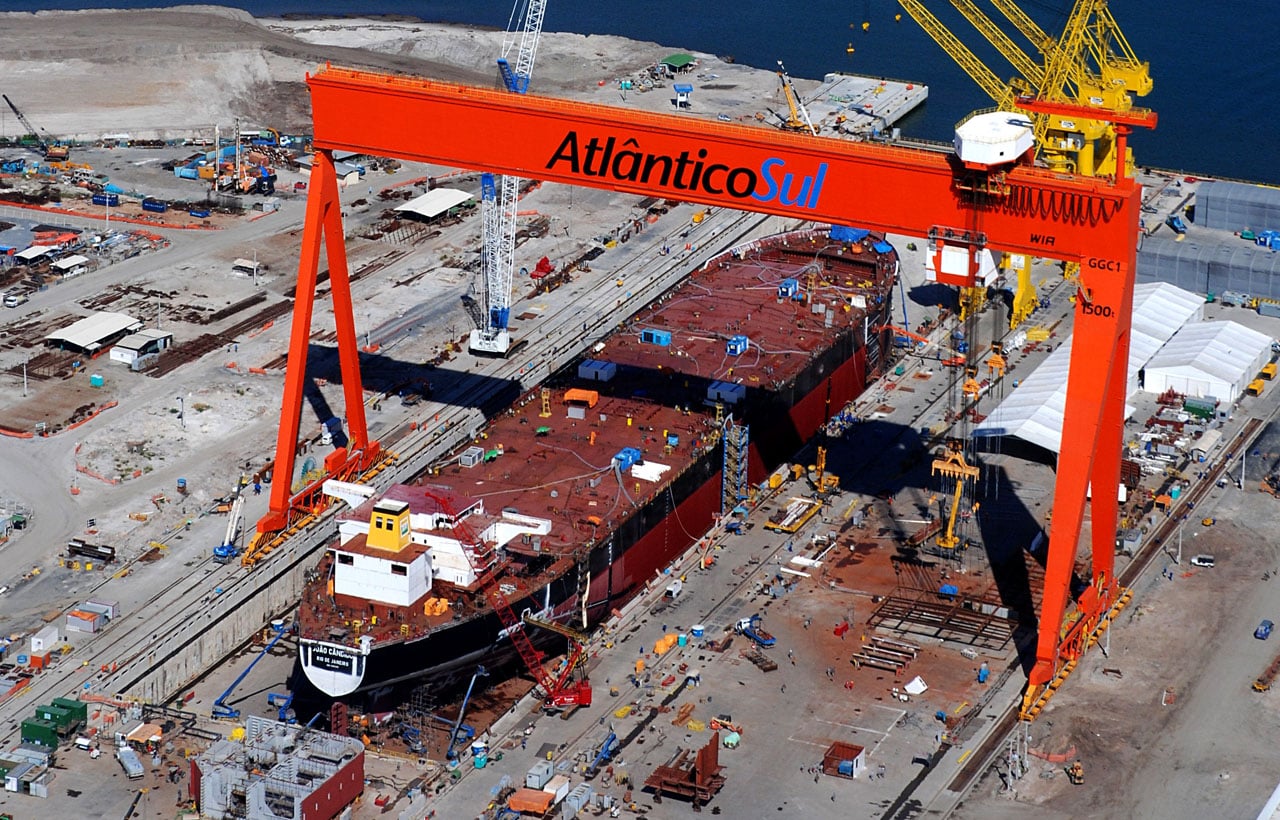
After operating for years in ship repairs, Estaleiro Atlântico Sul, located at the Port of Suape in the municipality of Cabo and Santo Agostinho in the metropolitan region of Recife (PE), now intends to reposition itself in the market, focusing on the offshore oil industry and wind energy production.
Founded in 2005, Estaleiro Atlântico Sul became one of the best references in the construction of Suezmax and Aframax oil tankers across the American continent, as well as one of the most important repair centers for vessels in the region. However, in recent years, with the crisis in the shipbuilding industry, it was forced to implement a Judicial Recovery Plan to reduce debts, including the sale of assets such as Independent Production Units and operational resumption.
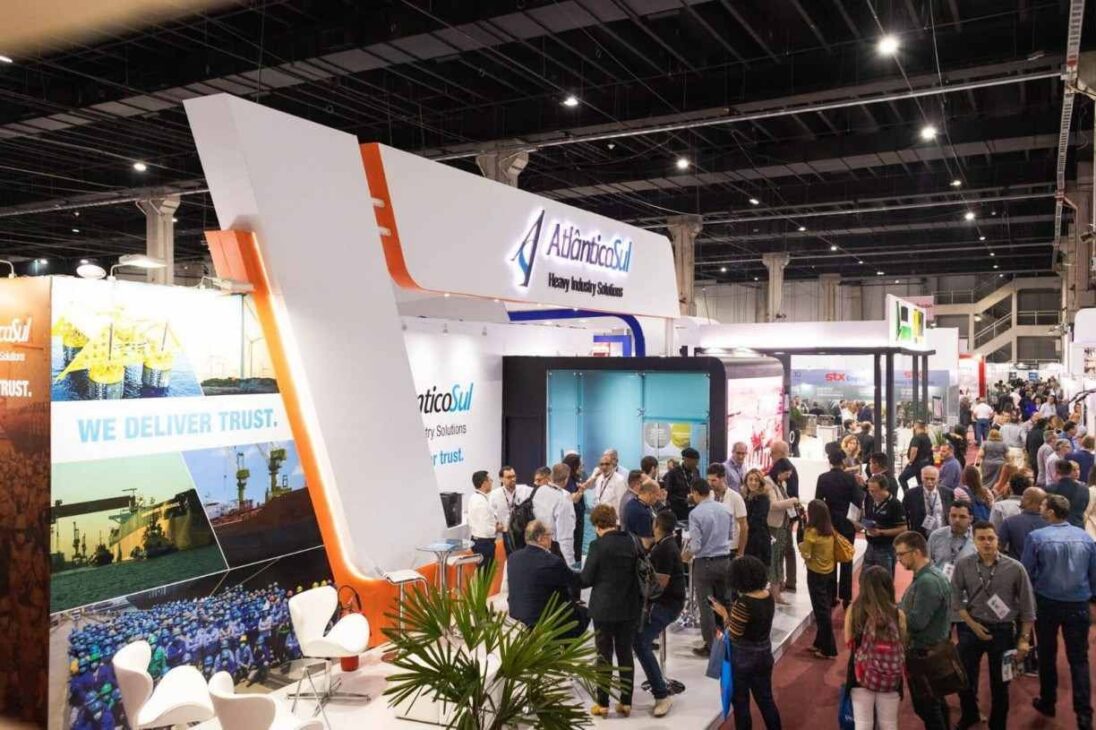
The announcement about EAS’s expansion into the offshore oil industry and wind energy market took place this week during the Navalshore, a leading event in shipbuilding, platforms, and maintenance in South America, held at the Expo MAG convention center in Rio de Janeiro.
-
With 74% of companies facing difficulties in hiring, technicians and engineers in renewable energy are becoming scarce in Brazil and are essential to support the expansion of solar, wind, and green hydrogen projects.

-
Europe is trying to create an ammonia-powered marine engine without auxiliary fuel, which could unlock the race for giant emission-free ships. The technology aims to eliminate one of the biggest obstacles to clean maritime propulsion.
-
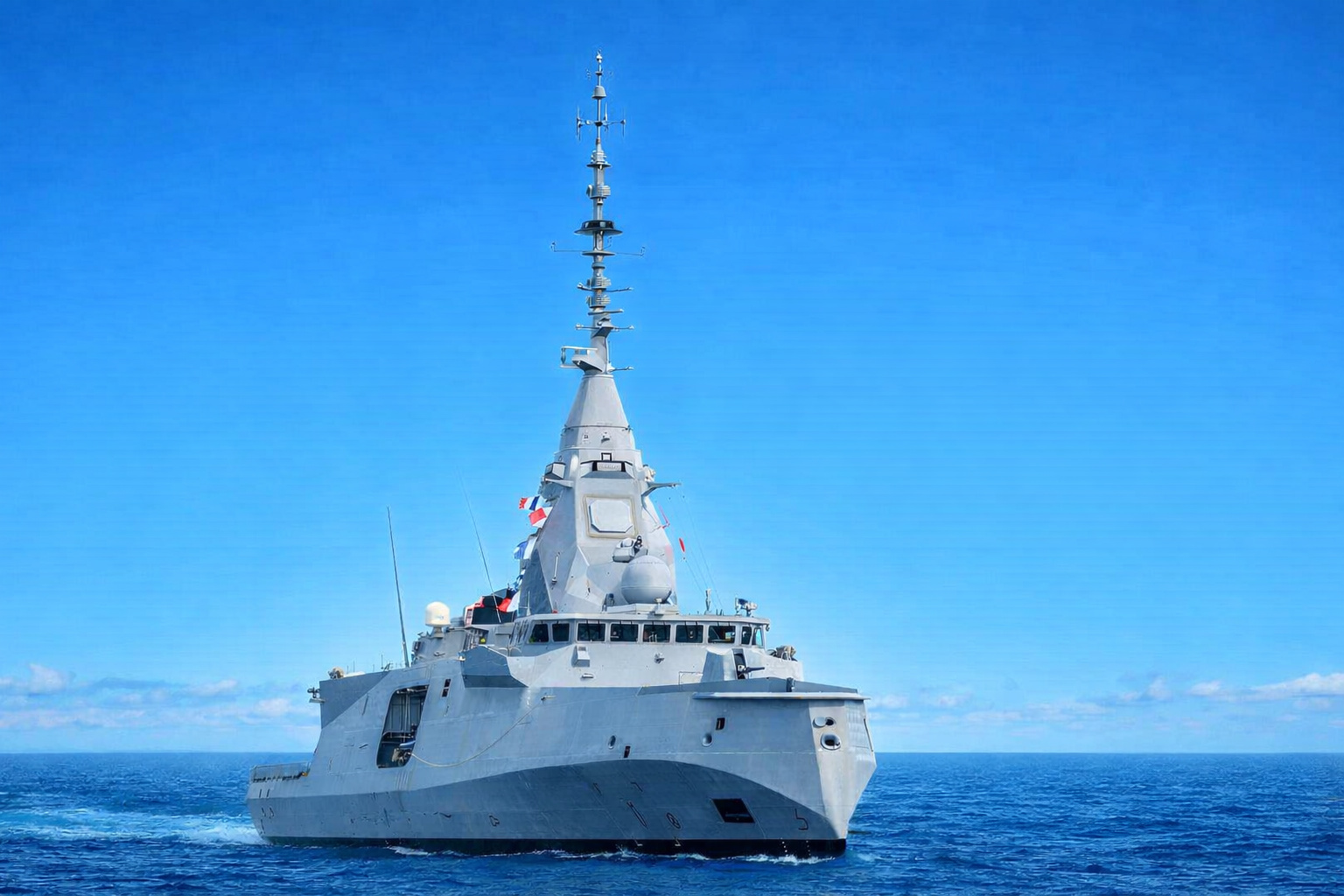
A 4,500-ton frigate with just over 100 crew members, state-of-the-art radar, and cruise missiles is being touted as the new standard of naval warfare in the 21st century.
-
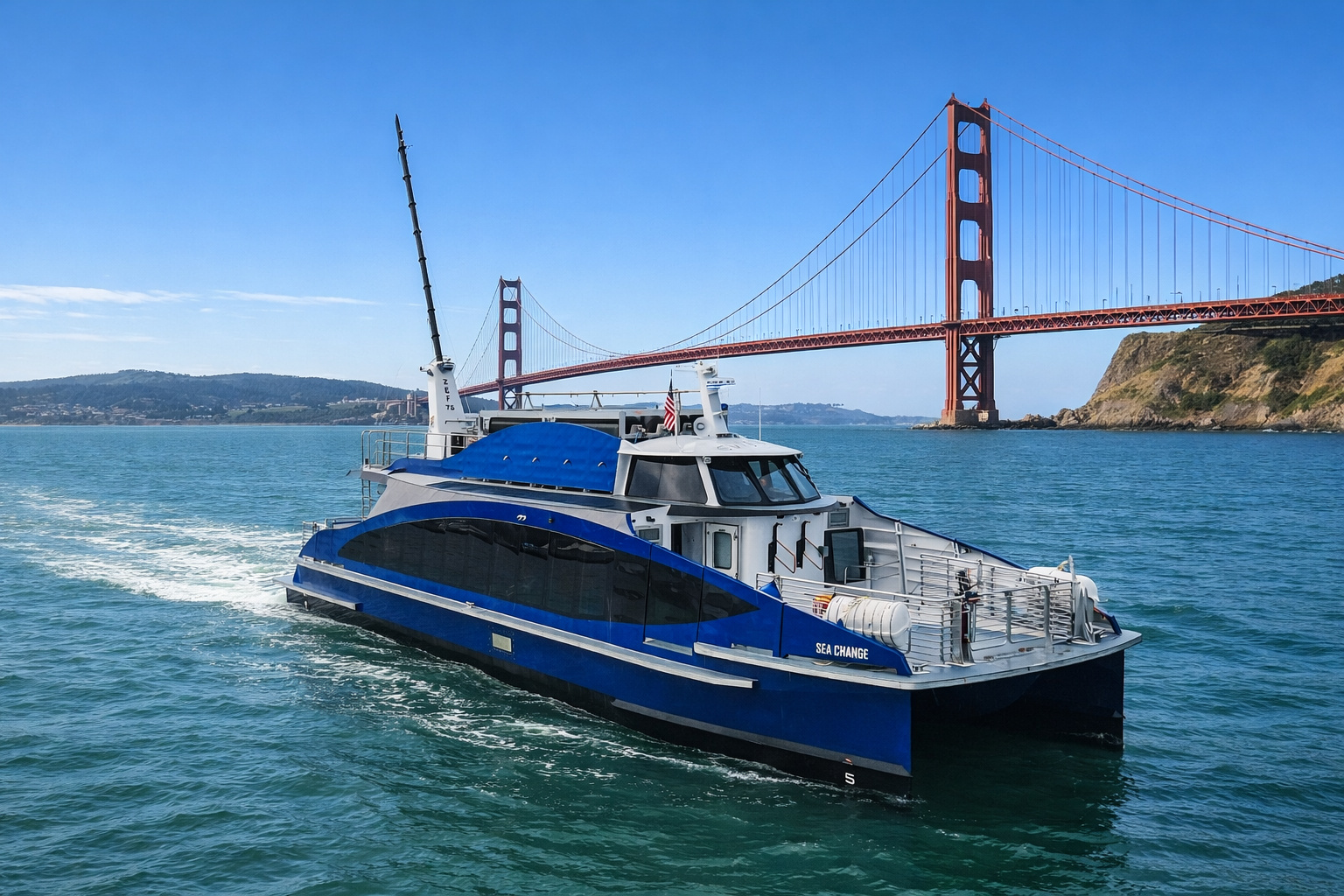
The first commercial hydrogen-powered ferry enters operation in the U.S., eliminates the use of diesel, uses fuel cells to generate clean energy on board, and transforms San Francisco Bay into a landmark of the new era of emission-free navigation.

“We believe in a gradual recovery of the shipbuilding industry, within a new context, more focused on the offshore industry and renewable energies. Anticipating this moment, we decided to expand activities aimed at this market”
Nicole Terpins – CEO of Estaleiro Atlântico Sul
The Focus Is on the Construction and Decommissioning of Offshore Oil Extraction Equipment
The new segment of Estaleiro Atlântico Sul relates to the construction and decommissioning of platforms and support structures for equipment used in offshore oil exploration.
The first contract for the decommissioning of structures is reportedly very close to being signed, with the service expected for the second half of next year. The construction of platforms would depend on the existence of demand.
Renewable Energy
EAS plans to also build onshore wind towers. Generally, these structures can reach heights of 120 meters and are capable of converting wind into clean electricity.
The company is also considering building offshore wind towers, with this specific segment anticipated for a slightly further future.
We have 8,600 km of totally exploitable coastline. Wind energy accounts for 11% of the Brazilian energy matrix, second only to hydroelectric, generating a total of 21 gigawatts, compared to 14 gigawatts generated by the Itaipu plant. In the environmental licensing phase alone, we already have over 160 gigawatts of offshore wind energy. The competition will be fierce. In Europe, this is already a reality
Júlio Goes – Consultant of EAS
Regarding the ship repair market, Atlântico Sul will sign another contract with Norsul at Navalshore, continuing its ship repair operations.
Estaleiro Atlântico Sul and the Controversial Auction of Internal Areas
The main strategy of EAS to reduce debts with creditors amidst the judicial recovery process it has been undergoing since 2020 was the sale of parts of the company’s internal dock. Thus, at the beginning of this year, the auction process began, paving the way for large international investors who could bring new life to the site and the region’s economy.
The company APM Terminals, part of the Danish group Maersk, a global giant in maritime transport, faced off against the consortium formed by Conepar and Tecon-Suape, which had the monopoly on container movement at the site since 2001, operating with the highest rates in the country, and which even took legal action to have the auction canceled, dragging the sale process for months.
In the end, the Danes won the auction after offering R$ 455 million for the Isolated Productive Unit of the Pre-constituted UPI B at Estaleiro Atlântico Sul, and they are now expected to handle around 400,000 containers at the site.








Seja o primeiro a reagir!