





 Portuguese
  English
  Spanish
  3 min of reading
  0 comments


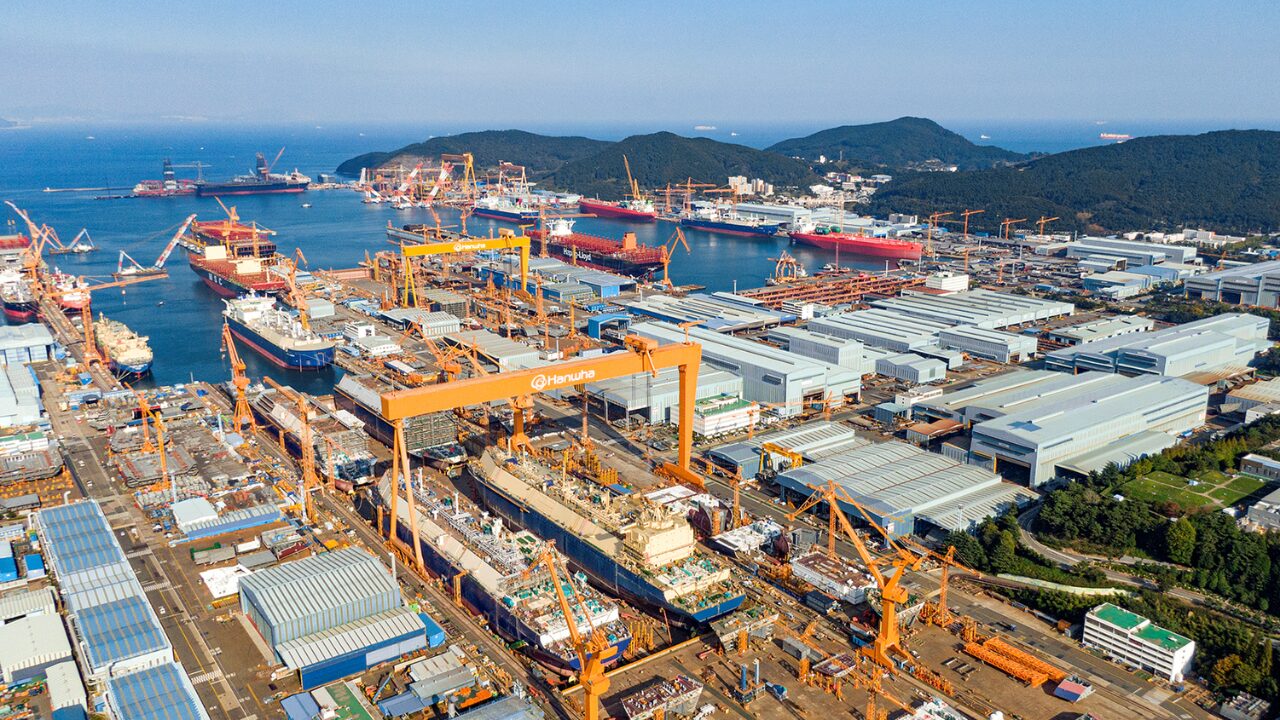
Hanwha Ocean, South Korean Shipyard, Wants to Build the First Natural Gas Ship in the US After New Rule Requiring Domestic Manufacturing and Limiting Ships Made in China.
A South Korean shipyard plans to build the first transport ship for liquefied natural gas (LNG) in the United States. The decision was driven by a recent proposal from the U.S. Trade Representative (USTR), which aims to impose tariffs on vessels built in China and require that ships exporting American natural gas be manufactured and registered on U.S. soil.
The measure aims to strengthen the U.S. presence in a sector currently dominated by Asian countries such as South Korea, Japan, and China.
LNG Ship “Made in USA”
Hanwha Ocean, the maritime arm of the South Korean giant Hanwha, announced the expansion of its operations by acquiring the Philly Shipyard, located in the United States, in June 2024.
-
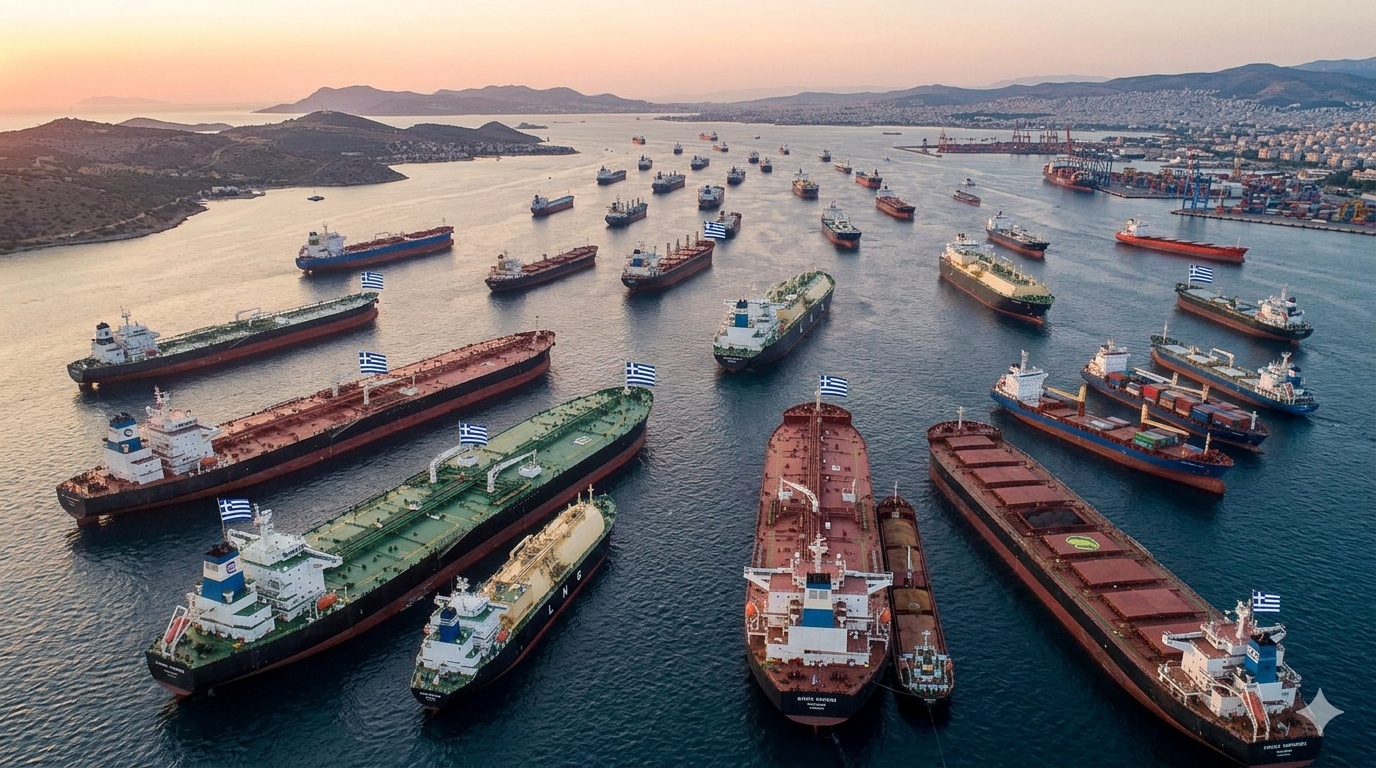
Neither the USA nor China: a small European nation has become one of the largest maritime powers on the planet, controlling one of the largest merchant fleets in the world with thousands of ships and dominating the global transportation of oil and strategic cargo.
-
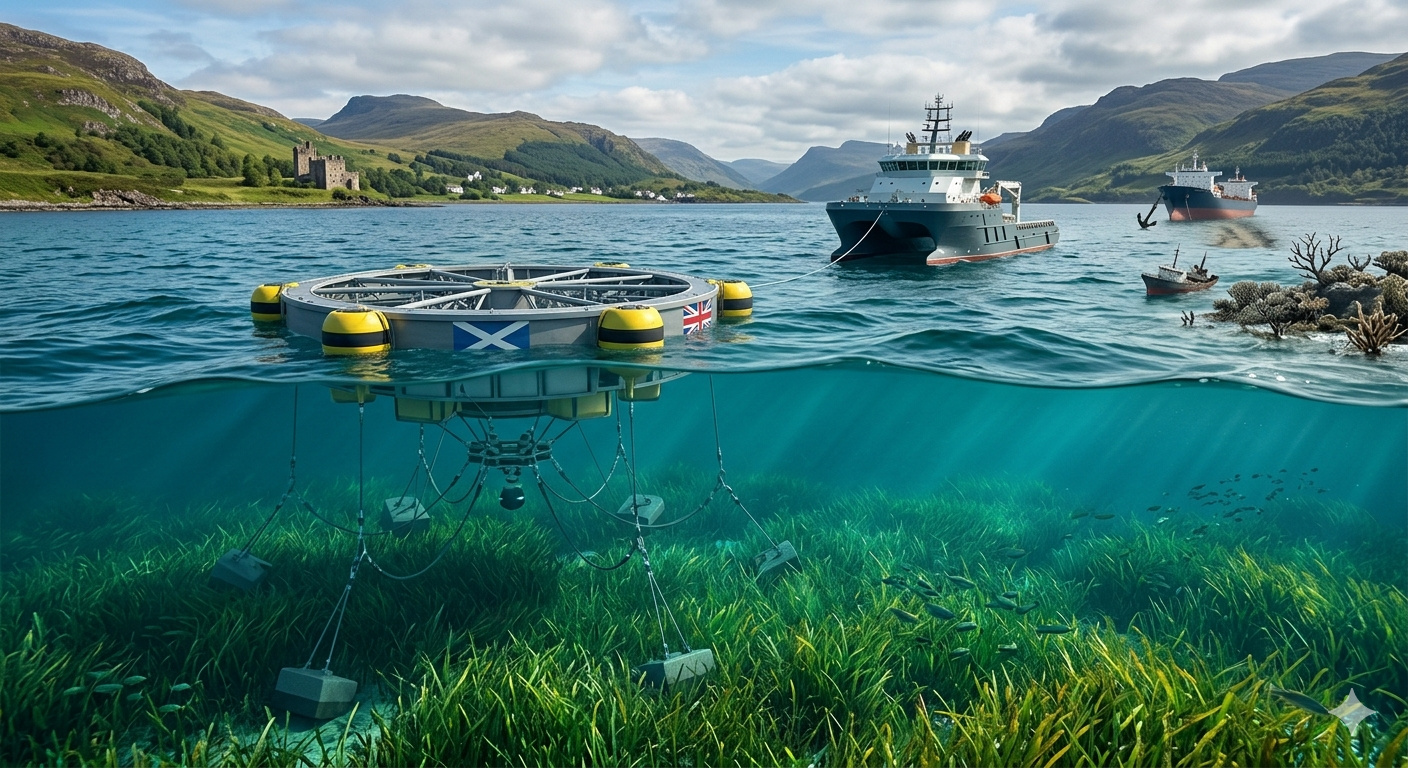
Scotland and the United Kingdom have created a new anchoring system that floats in the water without touching the seabed, after discovering that the current from a conventional anchor destroys up to 50 m² of seagrass meadow per event and that ship-damaged reefs showed no signs of recovery even ten years later.
-
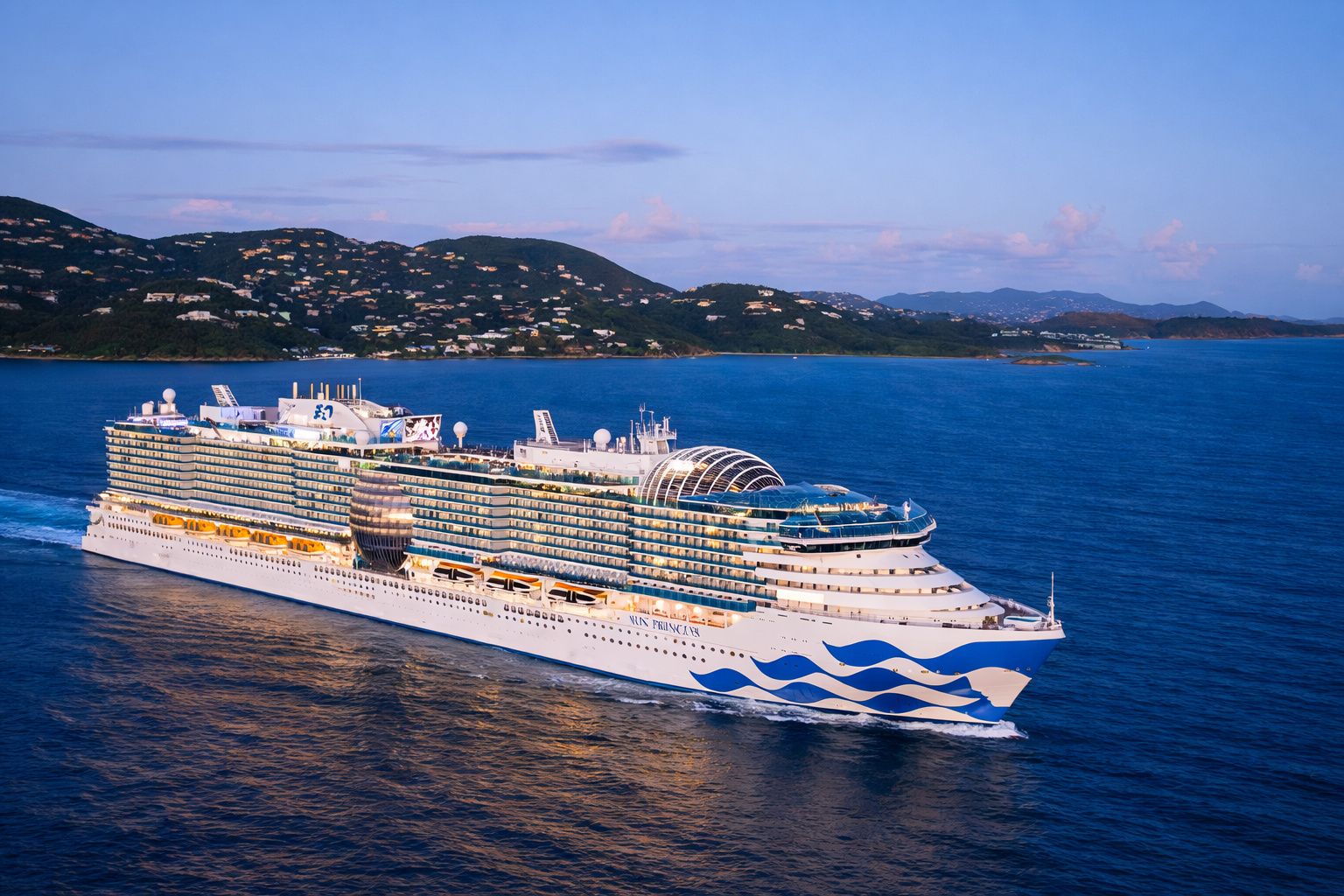
Weighing 175,500 Tons, Measuring 345 Meters Long, and With Capacity for Over 4,300 Passengers, the Sun Princess Becomes the Largest Ship Ever Built by Princess Cruises and Attracts Global Attention for Its Huge Glass Dome Inspired by Santorini’s Architecture Installed on Top of the Vessel
-
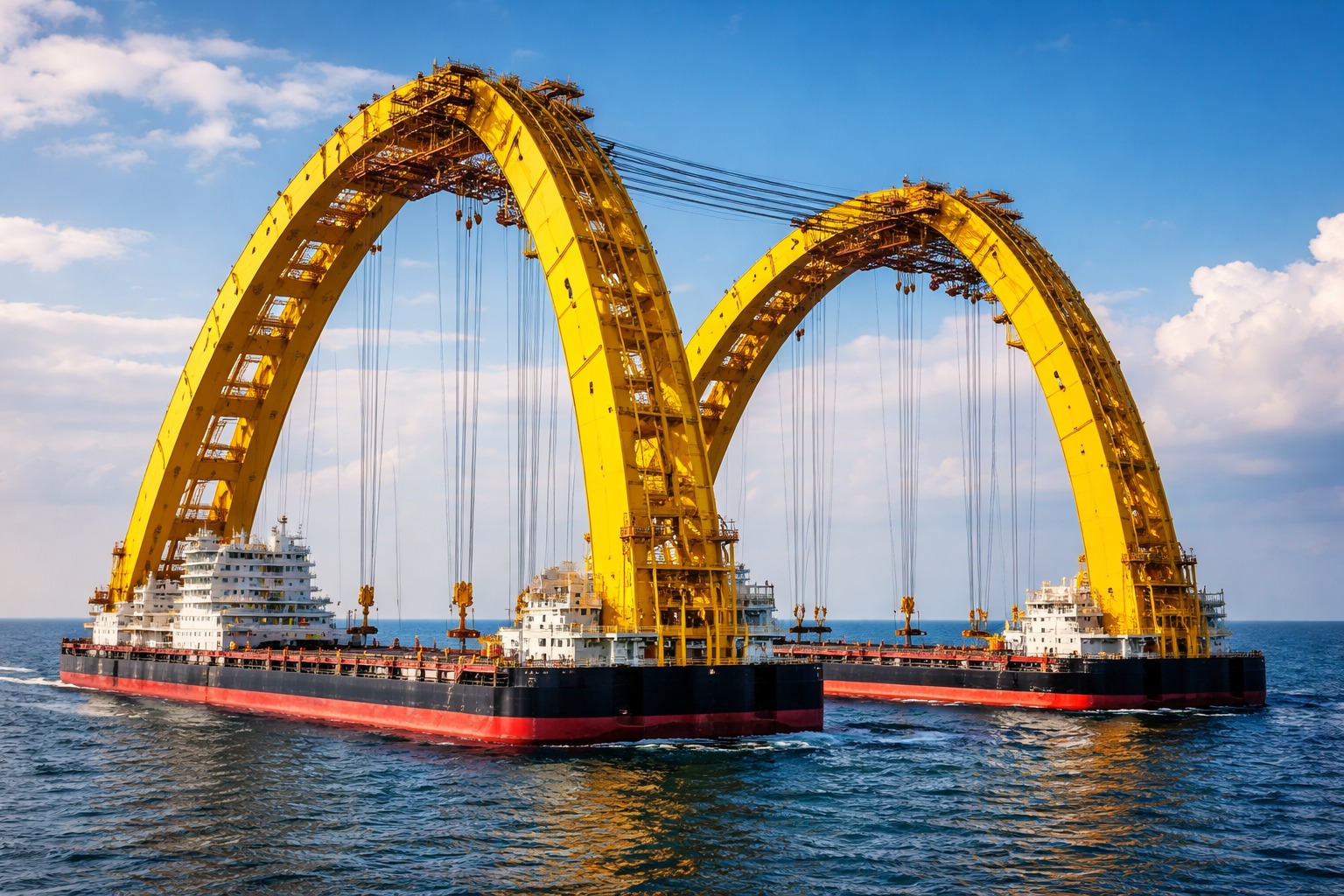
TX-10, The Colossus of The Sea: Largest Lifter Ship in The U.S., With Two Giant Barges, 73-Meter Tall Structure, and Strength to Raise 7,500 Tons of Sunken Oil Rigs
This strategic acquisition will enable the construction of the first natural gas transport ship on American soil, marking a significant advance in the country’s industrial autonomy.
The initiative arises amid regulatory pressures from the USTR, which proposes a six-month deadline before implementing tariffs for Chinese ships operating in U.S. ports.
Additionally, the proposal establishes that LNG vessels intended for export must be registered and built in the U.S.
Shipbuilding Capacity Is Still a Challenge in the US
Despite the enthusiasm, the proposal faces technical and logistical obstacles. Currently, less than 1% of the world’s transport ships for natural gas are registered in the United States, and the country lacks adequate infrastructure for building ships of this complexity.
The majority of LNG vessels are manufactured in shipyards in South Korea and Japan, with significant participation from China.
According to Ryan Lynch, Vice President of Commercial Transportation at Hanwha, between five and seven ships would be needed by the end of the decade to meet the new American requirements.
However, he acknowledges that the challenges are enormous and that current production capacity in the U.S. is not sufficient to meet this demand in the short term.
Industry Reactions and Risks to American Leadership
The new rules proposed by the U.S. government have sparked a strong reaction in the energy sector.
The Center for LNG, an organization representing American companies in the industry, warned that the measure could increase export costs, harm long-term contracts, and jeopardize the U.S. leadership as the world’s largest exporter of natural gas.
“The proposed maritime restrictions — particularly the requirement that U.S. LNG be transported on ships built and registered in the U.S. — are simply unworkable,” stated Charlie Riedl, Executive Director of the Center for LNG. “No such ships exist currently, and building them would take decades, making compliance impossible for the industry.”
The Geopolitical Dispute Behind Shipyards
The U.S. initiative also reflects the growing geopolitical dispute with China in strategic sectors. By taxing Chinese ships and encouraging domestic production, Washington aims to reduce industrial dependency on Asia and boost jobs and innovation in American shipyards.
With Hanwha Ocean entering the American shipbuilding market, the country may be taking the first steps toward the reindustrialization of a sector crucial for the energy and economic security of the United States.










Seja o primeiro a reagir!