





 Portuguese
  English
  Spanish
  3 min of reading
  0 comments


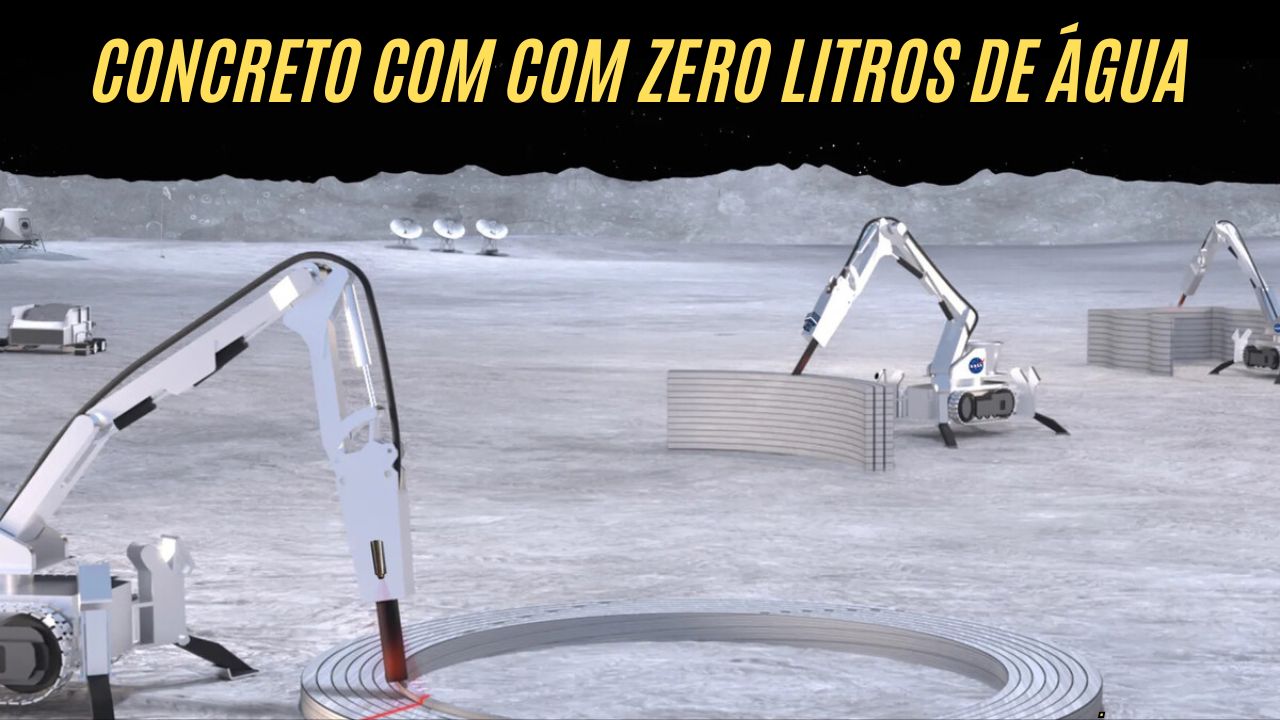
We Are Close to Achieving Waterless Concrete for Use on the Moon. New Technology Promises to Revolutionize Space Construction and May Bring Positive Impact to the Planet.
The search for alternatives to traditional concrete is about to take a giant leap, literally out of this world. Scientists are working on an innovative project to create waterless concrete for use on the Moon, a solution that not only promises to enable construction on the Earth’s natural satellite but also brings revolutionary benefits for construction here on our planet.
Why Change Traditional Concrete?
Concrete, one of the most widely used materials in the construction of buildings, roads, and bridges, carries a significant environmental cost. The production of cement, the primary component of concrete, generates an impressive carbon footprint and consumes massive amounts of water — an increasingly precious resource.
With humanity’s return to the Moon on the horizon, an additional challenge arises: how to build structures there, where water availability is extremely limited? The answer may lie in the creation of waterless concrete for use on the Moon.
-
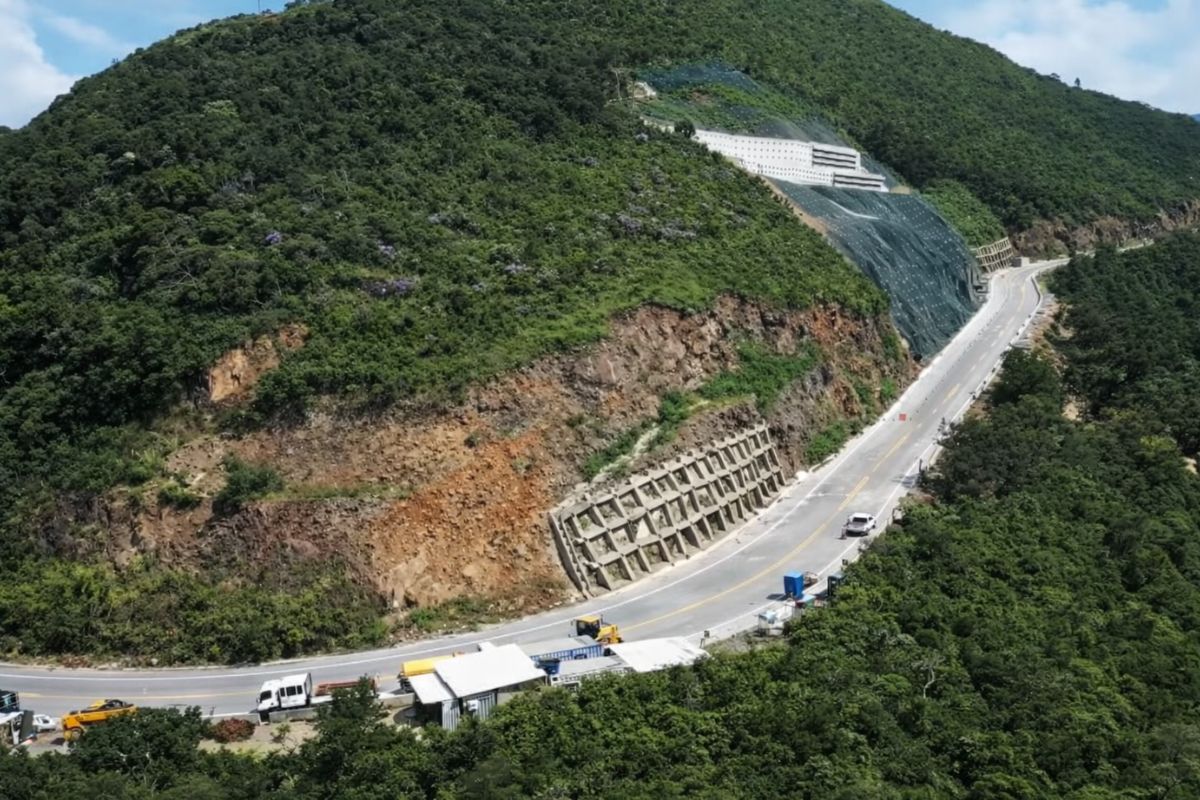
The section of Serra da Rocinha on BR-285 is now open in Timbé do Sul: 50 m tensioned curtains and top-down technique stabilize the slope, with a stairway duct controlling the water.
-
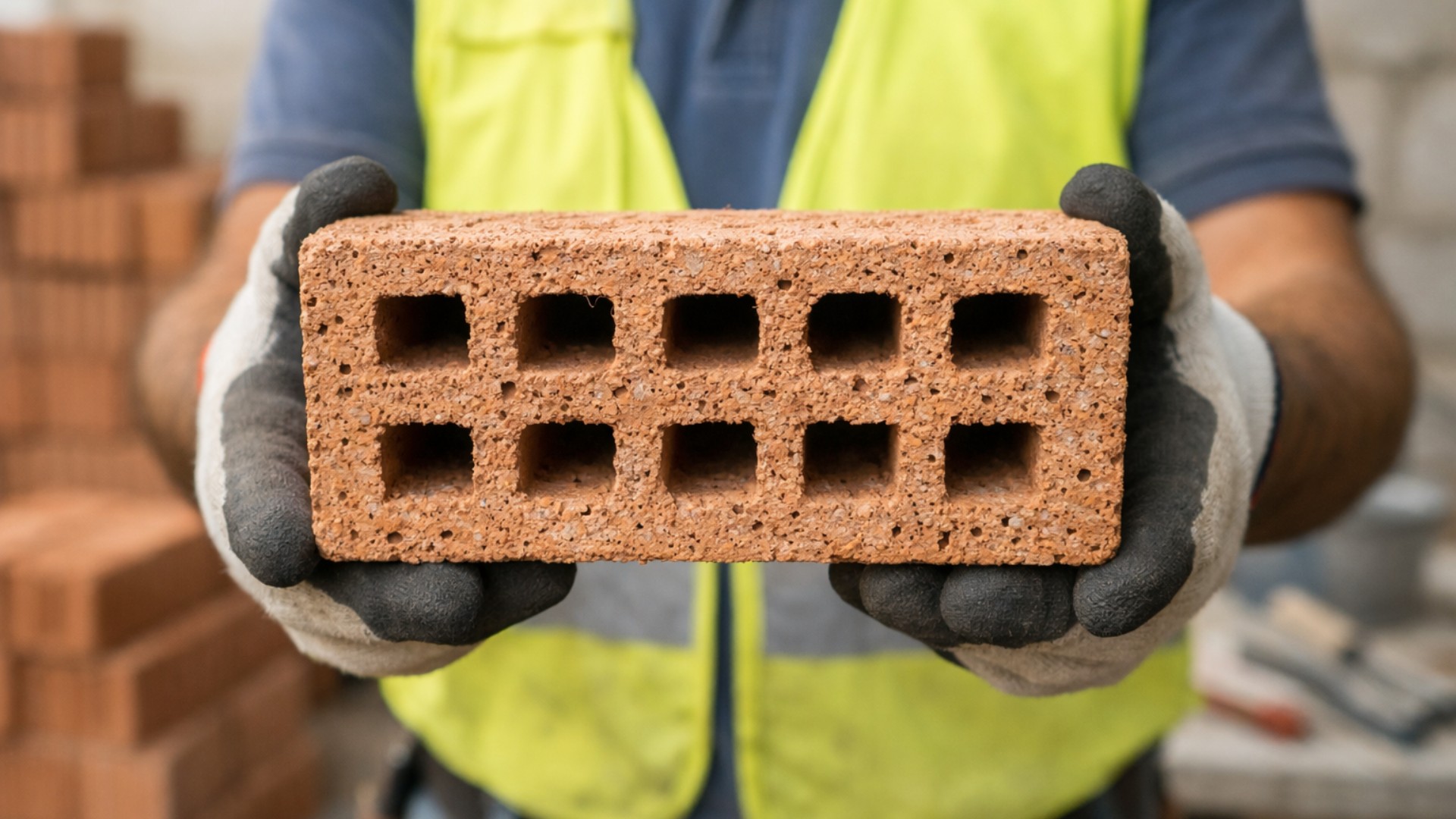
Scientists use sawdust mixed with clay to create a lighter brick, promising efficient thermal insulation and impressing by transforming waste into a solution for construction.
-
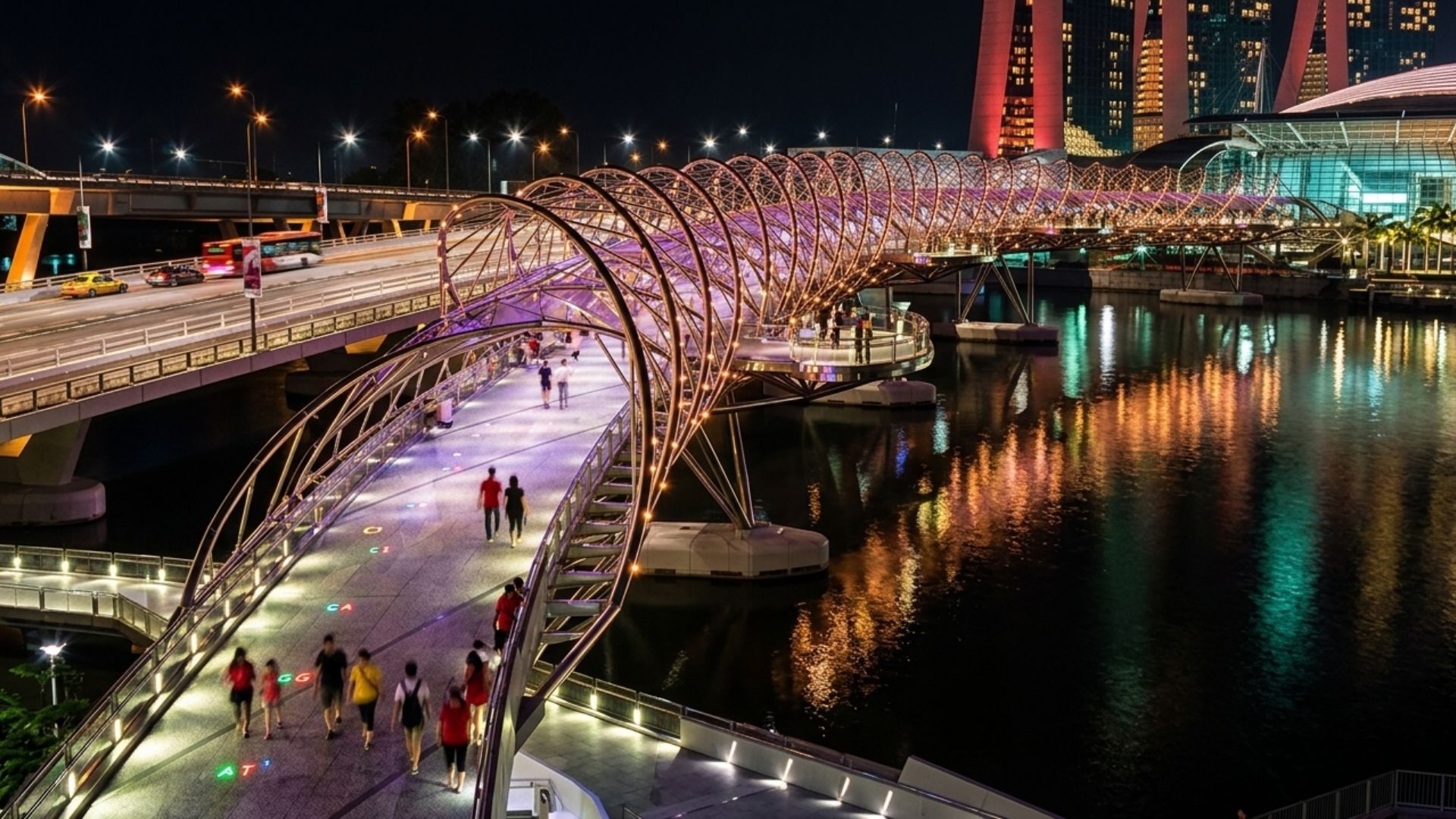
With a DNA shape, this bridge in Singapore draws attention in modern architecture and surprises tourists by transforming a simple crossing into an unforgettable visual experience in the urban heart.
-
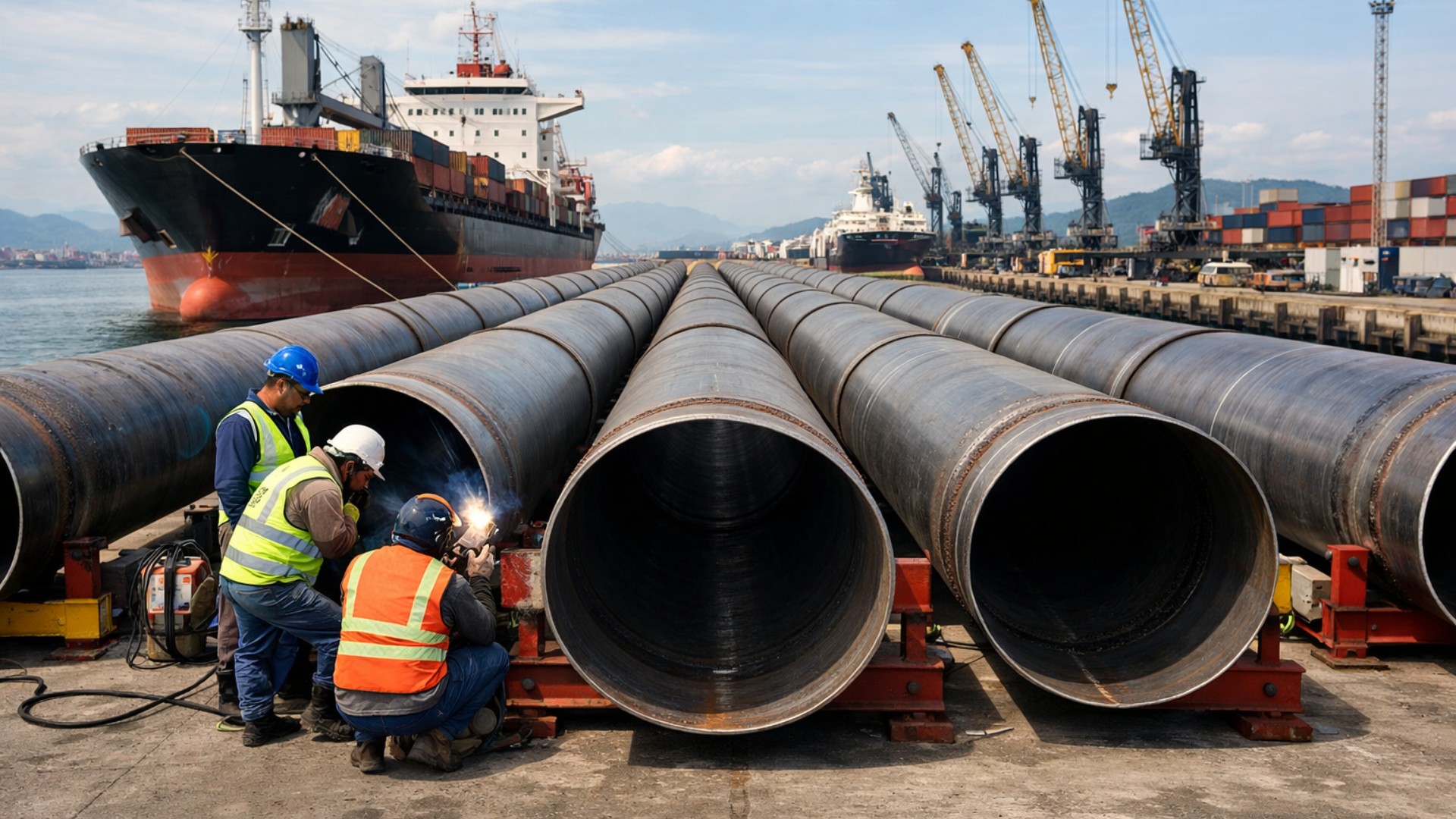
Giant underwater pipeline begins to take shape with a R$ 134.7 million project at the Port of Santos: the 1.7 km structure uses 12-meter and 700 mm pipes to supply water to 450,000 people in Guarujá.

How Does Waterless Concrete Work?

Researchers at Louisiana State University (LSU) have developed a type of sulfur-based cement. This cement is heated until it melts, eliminating the need for water in the process. To test the material, they used a compound that simulates lunar soil and were able to create concrete walls with 3D printers.
In addition to dispensing with water, this new technique offers other advantages. Structures built with the material can withstand extreme temperatures, such as those recorded on the Moon, where thermometers can range from 121°C during the day to -133°C at night.
Testing and the Future of Lunar Construction
There are still challenges ahead. Scientists need to analyze how these constructions behave in a reduced gravity environment, like that of the Moon. The good news is that LSU’s project has the support of NASA and is being evaluated at the Marshall Space Flight Center in Alabama, USA.
Philip Metzger, a planetary physicist at the University of Central Florida, explains that the real test will be during lunar missions. “When we send missions to these planetary bodies to test the technology using real soil, we may find that we need to further improve the technology to work in that environment,” he told MIT Technology Review.
Impact on Earth
If the waterless concrete technology for use on the Moon proves effective, it could be adapted for construction here on Earth. With lower water consumption and the replacement with sulfur, the solution has the potential to reduce the environmental impact of the construction industry.
As we await further advancements, it is certain that we are facing an innovation that could transform both the future of space exploration and life on our planet. Building without water could be the next big step toward a more sustainable world — and, who knows, perhaps even for new worlds.









-

-

-

-

-

-

23 pessoas reagiram a isso.