





 Portuguese
  English
  Spanish
  4 min of reading
  0 comments


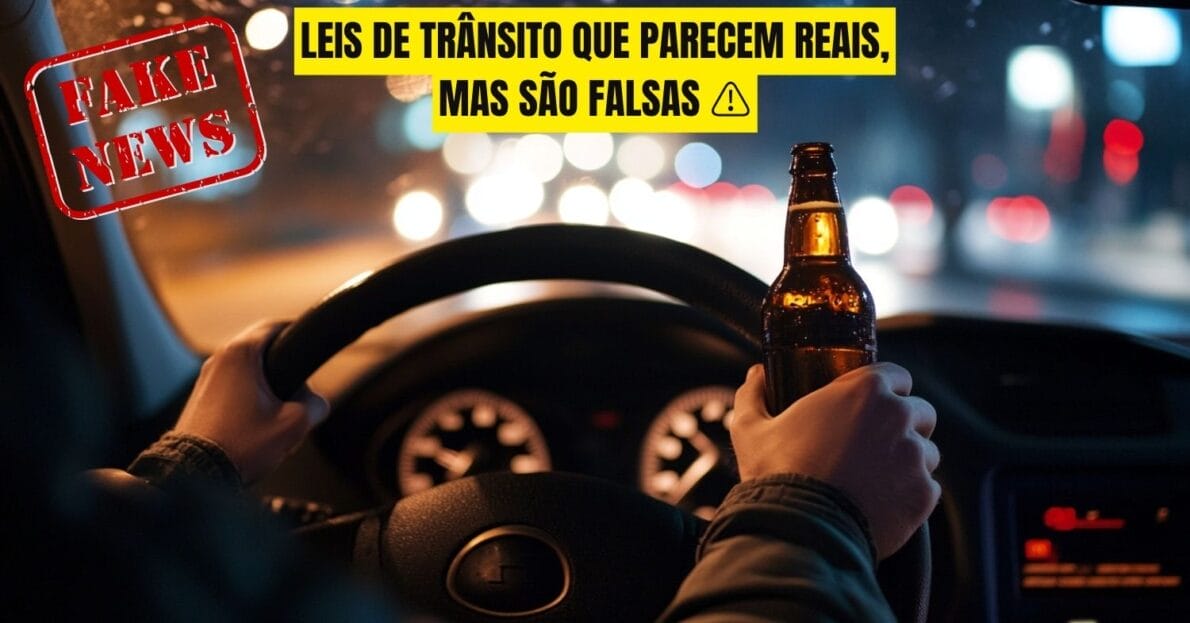
Check The Truth Behind The Most Misinterpreted Traffic Laws And The Popular Myths That Confuse Brazilian Drivers.
Have you ever wondered if you really know all the traffic laws in Brazil? It is common for many drivers to believe in rumors or confuse a traffic bill with rules that are effectively in force. To help you avoid falling for these mistakes, we will demystify some of the main misconceptions about traffic laws in the country. Get ready to discover the truth behind the false traffic laws.
Truths And Lies About Traffic Laws
The Brazilian Traffic Code (CTB) is a set of rules that all drivers must know and respect. Despite this, incorrect information is often spread, generating confusion among drivers. Below, we clarify some of the false notions and misinterpretations that persist in popular imagination:
Is There A Tolerance Margin In The Breathalyzer Test, Myth Or Truth?
It is a dangerous myth that can result in a fine of up to R$ 2,934.70, as well as possible imprisonment. Although there is a popular belief in a tolerance margin in the breathalyzer test, the policy of the National Traffic Council (Contran) is zero tolerance for alcohol behind the wheel. The existence of a “margin of error” of 0.04 mg/L is technically to measure possible inaccuracies of the device and should not be seen as a license to drive under the influence of alcohol.
-
The car stored for 38 years: when opening the barn door, what appears is breathtaking and looks like a scene from a movie!

-
Fiat works miracles in the Brazilian market, lowers the price of its 0 km hatch to R$ 69,990, reestablishes the model as the cheapest car in the country, and reignites the battle against Kwid and C3.
-
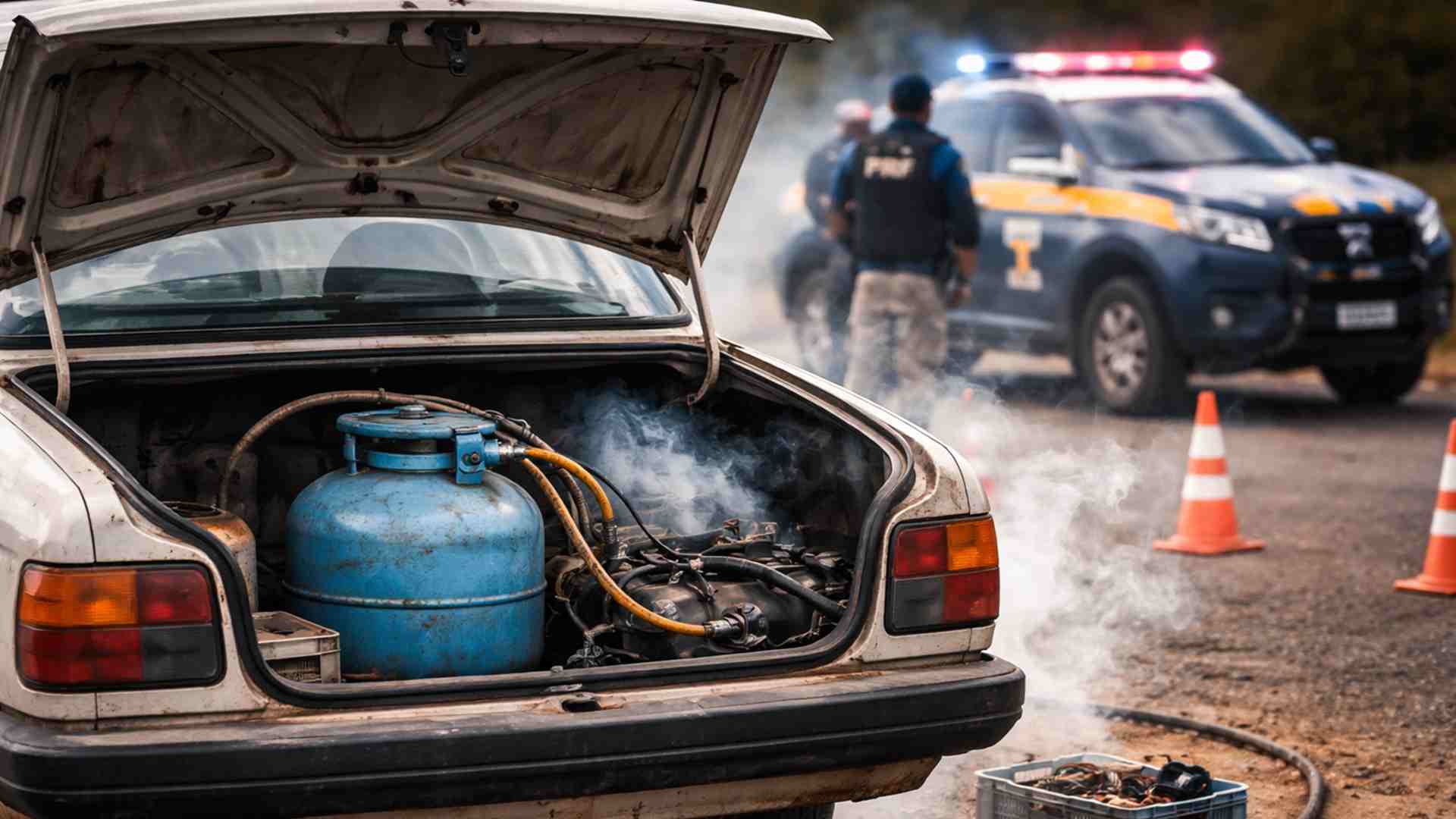
Chevette with cooking gas: How the gas cylinder ends up being used in cars clandestinely and why this makeshift solution can result in leaks, explosions, damaged engines, and seized vehicles.
-
Fiat launches the new 2027 Toro hybrid with 48V, 176 hp, an electric motor of 15.5 hp, a 0.85 kWh battery, up to 7% fuel savings, 8% fewer emissions, and possible exemption from IPVA.


Is It Prohibited To Transport Alcoholic Beverages In The Car Or Give A Ride To Drunk People? Myth Or Truth?
It is a common misconception to think that it is prohibited to transport alcoholic beverages in the cabin of the car. The CTB does not impose any restrictions on this. However, there is a bill (n° 4.116/2020) under consideration that suggests that beverages in open containers should be transported only in the trunk, but this measure is not yet a traffic law.
As for the matter of giving a ride to intoxicated people in the front seat, Bill No. 4.380/2016, which proposed this prohibition, was shelved in 2017. Therefore, this is another of the false traffic laws, as there is no current law prohibiting transporting intoxicated passengers in the front seat.
Is It Prohibited To Drive Shirtless Or Barefoot, Myth Or Truth?
This is also a myth. The Brazilian Traffic Code (CTB) does not establish any specific prohibition against driving shirtless or barefoot. However, it is important that the footwear used does not compromise safety while driving.
Footwear that does not fit well, such as flip-flops, can be considered inappropriate and result in a fine of up to R$ 130.16 and points on the license. The main rule is to ensure that nothing interferes with the ability to operate the pedals safely.
Gray Traffic Laws – When It Depends
We have gathered some misconceptions that, while having a basis in truth, can lead to fines and legal issues. Check them out below:
Running A Red Light At Night
It is a dangerous myth to believe that it is allowed to run a red light during the early morning hours without concerns. The law only allows crossing a red light in very specific situations, such as during emergencies or to yield to emergency vehicles (ambulances, fire trucks, etc.). In any other circumstance, running a red light is an infraction subject to a fine, regardless of the time of day.
Validity Of The Fine
There is a persistent rumor that fines can “expire” if they are not formally charged within five years. This is partially true. If the traffic authority does not initiate an administrative process within that timeframe, the penalty cannot be applied after that time. However, this does not imply that all fines will automatically lose their validity after five years.
Loss Of The Provisional Driver’s License Due To Fines
Many holders of a Provisional Driver’s License believe that receiving any fine will result in the loss of their license. However, the loss of the provisional license only occurs if the driver commits serious, very serious infractions or repeatedly commits medium-level infractions. It is important to understand the severity of the infractions to avoid severe penalties.
Understanding traffic laws correctly is essential to avoid fines and drive responsibly and safely. We hope this article has helped clarify some of the most common doubts and debunked the persistent myths of the false traffic laws. Always remember to verify the veracity of the information and follow only the official guidelines of the CTB. Stay informed and safe on the roads!










Seja o primeiro a reagir!