





 Portuguese
  English
  Spanish
  3 min of reading



The Brazilian Government Is Planning A New Strategy To Increase The Supply And Use Of Natural Gas In The Country, Aiming To Reduce The Price Of The Energy Input And Make It More Accessible To The Industry.
After the New Gas Law, which aimed to foster competition in the sector and lower costs, failed to achieve the expected result, the Ministry of Mines and Energy (MME) is considering using the Pre-Salt Oil State Company S.A. (PPSA) to subsidize the construction of new gas pipelines.
Pre-Salt State Company As An Alternative
The PPSA is responsible for managing sharing contracts in the exploration of reserves in ultra-deep waters and for marketing the portion of oil from these areas that belongs to the Union. The idea now is to use the state-owned company to subsidize gas pipelines that allow for the expansion of pipeline infrastructure and gas supply, reducing imports and, consequently, lowering the final price for consumers, especially in industrial sectors.
Currently, almost half of the natural gas production is reinjected into wells due to technical factors or difficulties in flow. With the construction of new gas pipelines, the expectation is that the supply of natural gas in the country will increase, making the energy source more accessible and competitive for Brazilian industries.
-
Brazilian giant expands borders in the Southeast: Petrobras confirms new oil discovery in ultra-deep waters in the pre-salt of the Campos Basin.

-
Alert in the global energy market: Severe tropical cyclone hits the coast and disrupts gas production at major plants in Australia, threatening global supply.

-
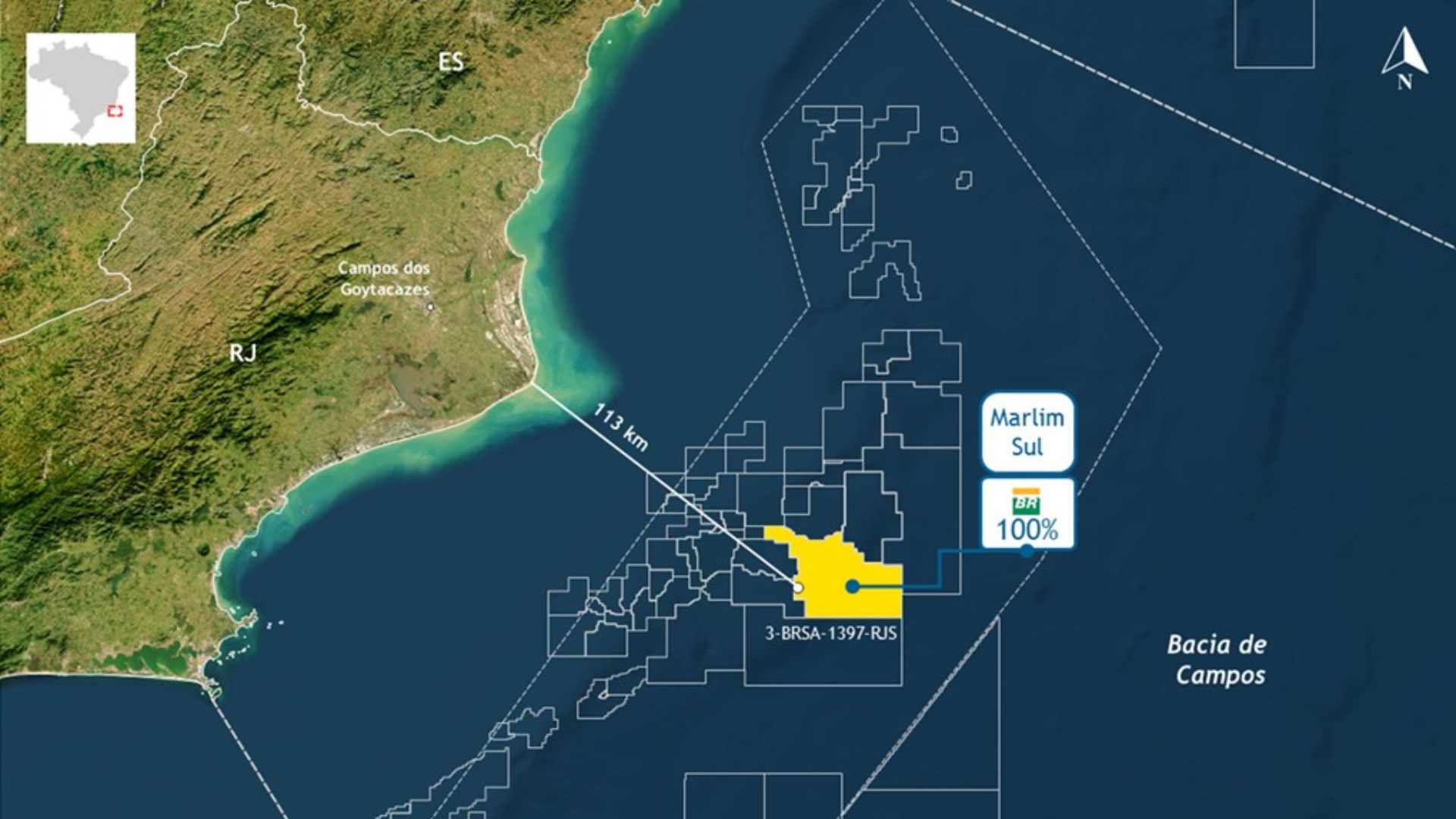
Petrobras finds high-quality oil in the pre-salt at 113 km from RJ and reignites expectations about strategic reserves in the Campos Basin.

-
Ocyan opens registrations for startups focused on innovation in the oil and gas sector and will select projects for Innovation Day with the support of Nexio.


The Expected Outcome
The government’s plan is to reduce imports and the final price of natural gas, making it cheaper for the industry, which could enhance the competitiveness of sectors that rely on this energy input.
According to data from the MME, the price of natural gas for industry has seen a significant increase in recent years, rising from US$ 13.58, the average price of 2021, to US$ 20.31 per million BTU, the average of 2022, representing a 49.5% increase. For residential consumers, the value increased from US$ 32.24 to US$ 41.70, a rise of 29.3%.
New Gas Law Failed To Achieve The Expected Outcome
The New Gas Law, sanctioned in March 2021, aimed to foster competition in the sector and lower the cost of natural gas for industry and consumers. However, after nearly two years of its implementation, the price of gas continues to rise, and Petrobras maintains a significant market dominance.
With the new strategy, the government seeks to increase the supply of natural gas and reduce costs so that the industrial sector can have access to a cheaper and more competitive energy source. The PPSA may be the necessary alternative to subsidize gas pipelines and enable the expansion of the pipeline infrastructure in the country.
The Pre-Salt Oil State Company S.A. could become an alternative to subsidize gas pipelines and allow for the expansion of natural gas in Brazil. With the goal of reducing prices and making this energy source more competitive, the government is seeking new strategies to improve infrastructure and meet the demands of Brazilian industries.
The New Gas Law did not achieve the expected result, increasing the need for complementary actions to promote the reduction of the price of natural gas in the country. The PPSA may be the key piece to making the sector more competitive and accessible for Brazilian consumers.









Seja o primeiro a reagir!