Portuguese
  Spanish


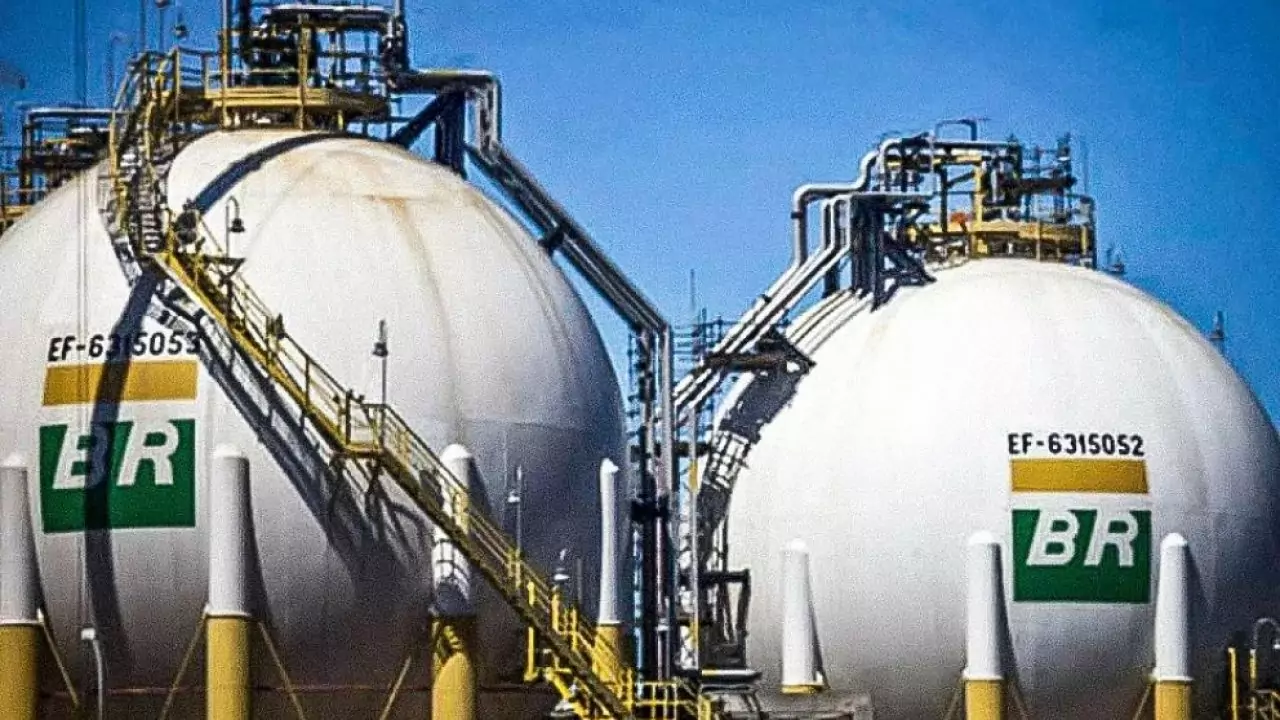

Natural Gas Is A Fossil Fuel Found Naturally Below Ground, Along With Oil And Coal.
It is primarily composed of methane, but can also contain other hydrocarbons, such as ethane, propane, and butane. Natural gas is an important energy source for many countries around the world, including those in Latin America. In this article, we will explore how exploration and production of natural gas in Brazil compares with other countries in Latin America.
Exploration and Production of Natural Gas in Brazil
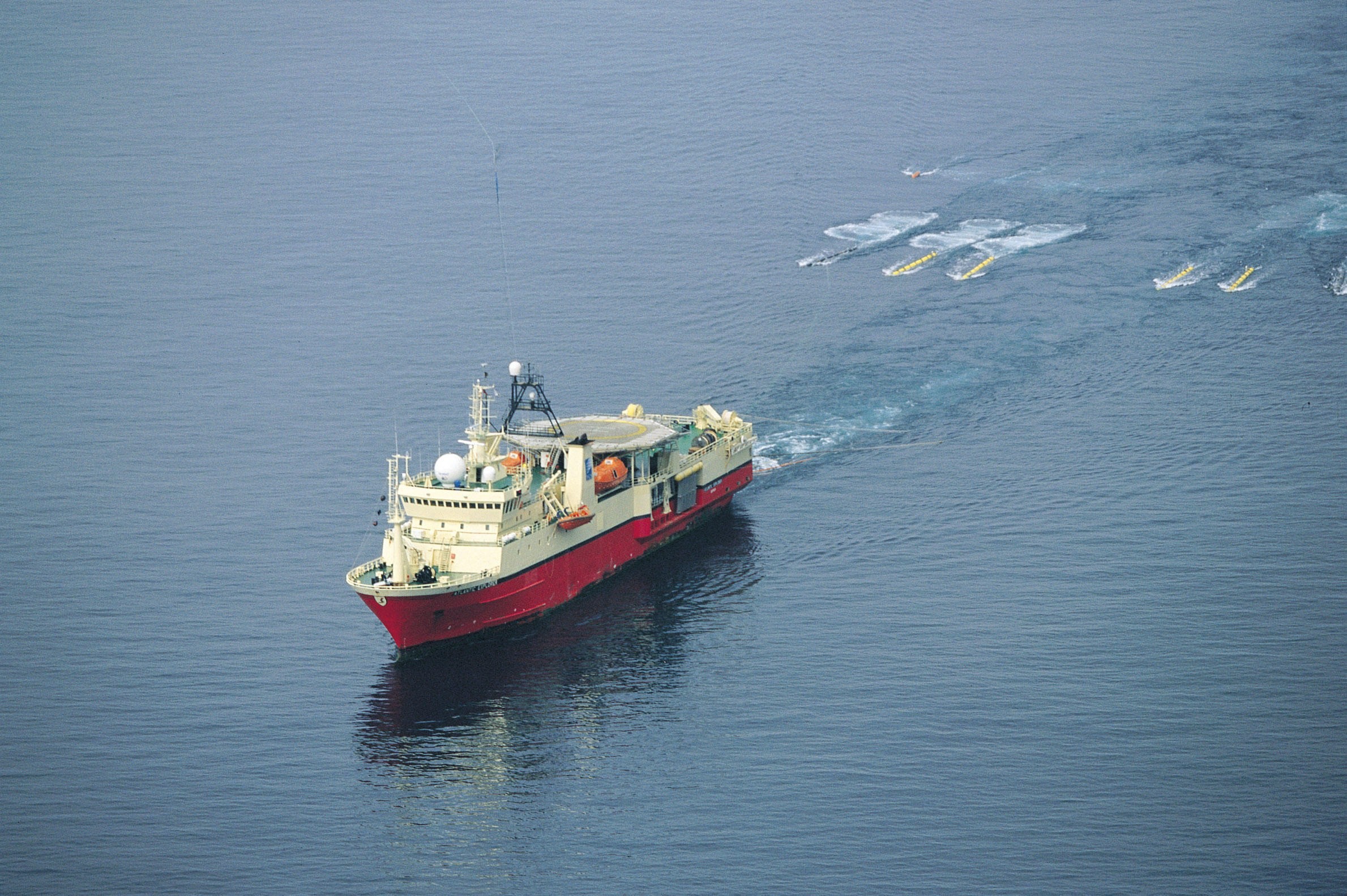
Brazil is one of the largest producers of natural gas in Latin America and has significant reserves of this fossil fuel. Most of the natural gas produced in Brazil comes from the offshore fields of the Santos Basin, located on the southern coast of the country. Natural gas production in Brazil began in the 1990s when Petrobras started exploring the Santos Basin.
Comparison With Other Countries in Latin America (Argentina, Bolivia, Mexico, and Venezuela)
Argentina is the second largest producer of natural gas in Latin America, after Brazil. Natural gas production in Argentina began in the 1940s, and the country has large reserves of natural gas, mainly in the Neuquén Basin. However, natural gas production in Argentina has struggled in recent years due to medical and political issues.
-
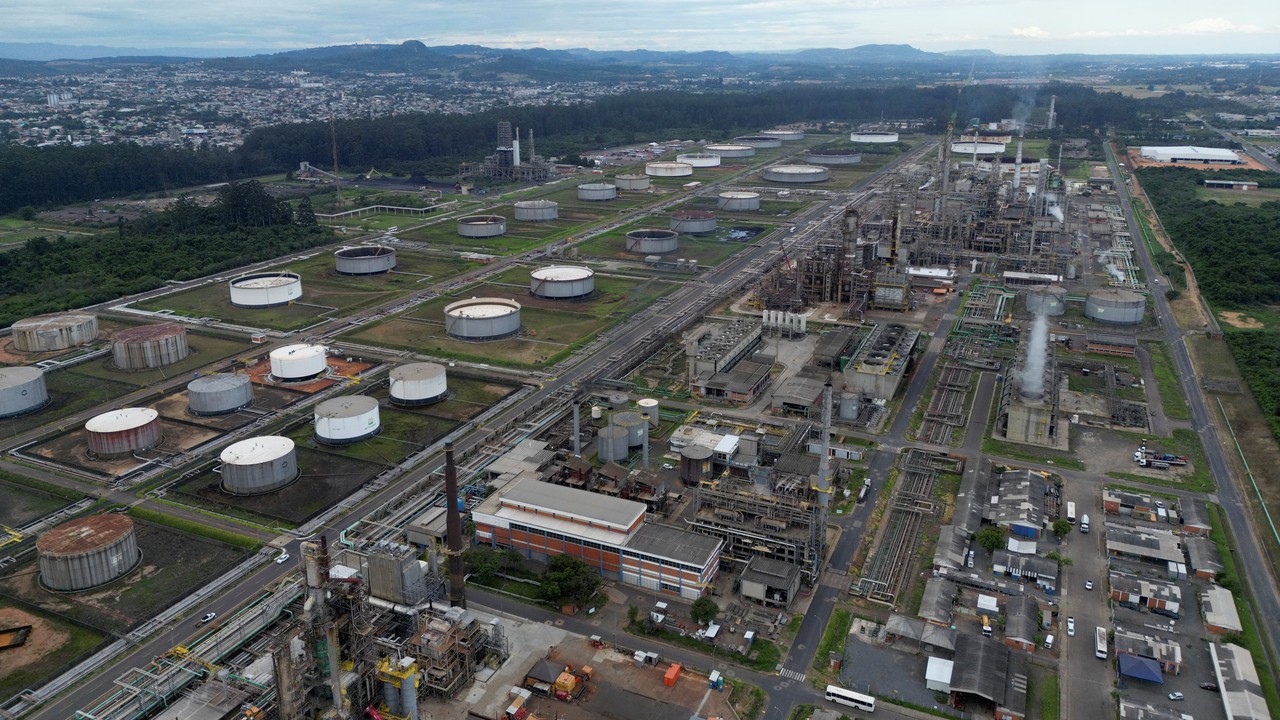
With a record production of nearly 3 million barrels per day, Petrobras resumes importing diesel in July, highlighting the bottleneck in Brazilian refining.

-
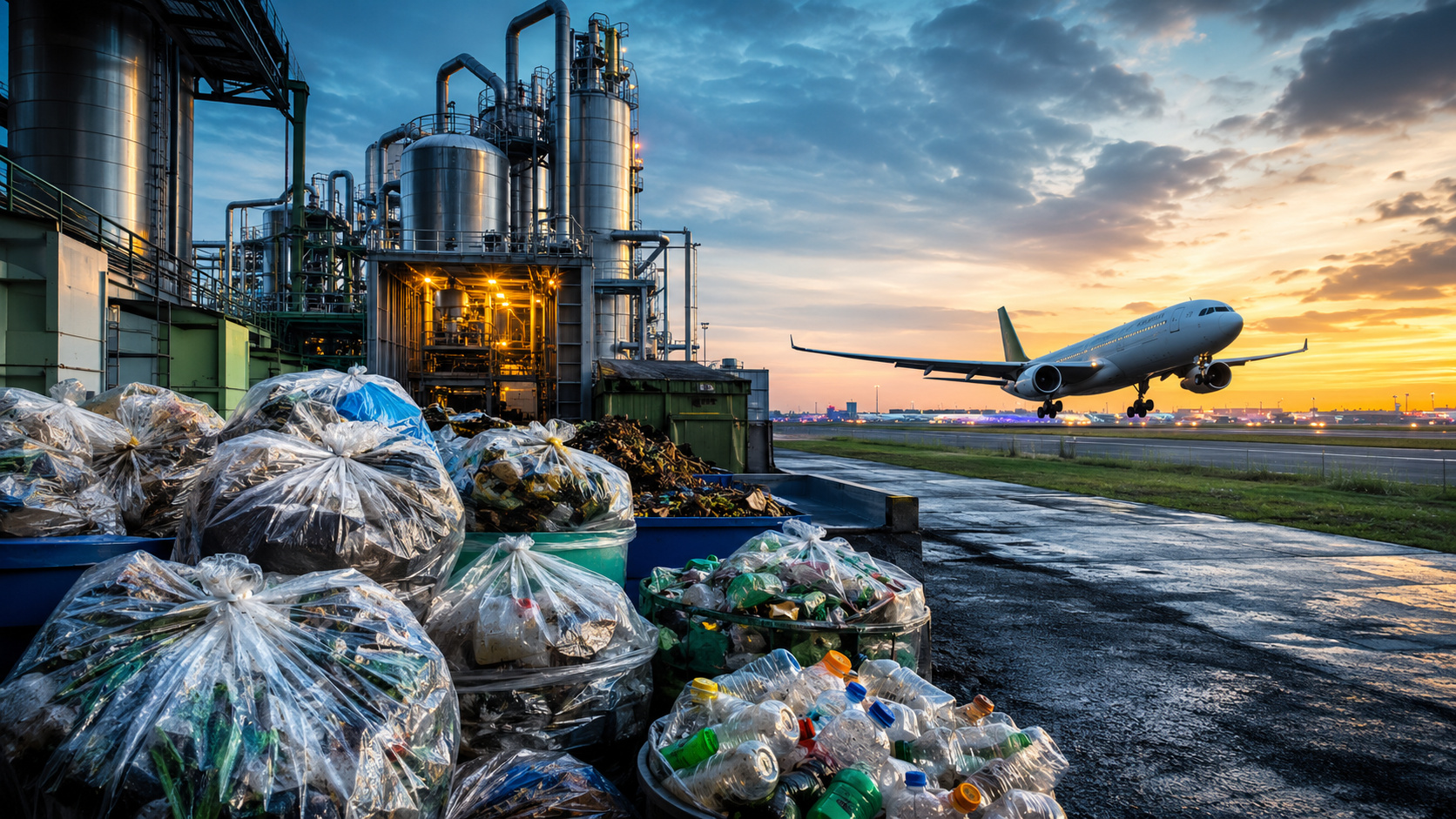
Qantas and Airbus Invest in Company Aiming to Convert Unsorted Household Trash into Jet Fuel

-
Brazil’s ANP Opens 86 New Oil Blocks in the Equatorial Margin, Expanding the Amazon River Mouth Frontier

-
OPEC+ Boosts Oil Supply by 188,000 Barrels per Day in July 2026, Leading to Price Drop from $112 to $89 per Barrel in Under Two Months
Bolivia is another major producer of natural gas in Latin America. The country has the second largest natural gas reserve in the region, second only to Venezuela. Most of the natural gas produced in Bolivia is exported to Brazil and Argentina.
Mexico is the third largest producer of natural gas in Latin America. The country has natural gas reserves, mainly in the Burgos Basin and the Sabinas Basin. Natural gas production in Mexico began in the 1930s, and the country has been an important supplier of natural gas to the United States.
Venezuela has the largest natural gas reserve in Latin America, but its natural gas production is relatively low compared to other countries in the region. Natural gas production in Venezuela has been hindered by medical and political issues, as well as technical problems.
Challenges for Exploration and Production of Natural Gas in Latin America
Although many countries in Latin America have large natural gas reserves, the exploration and production of this fossil fuel in the region faces several challenges. Consequently, Mexico has proven to be a leader in natural gas production in Latin America.
The country possesses a large amount of unconventional natural gas resources, such as shale gas and tight gas, which are extracted through fracking. Additionally, Mexico is the largest importer of natural gas from the United States, increasing its availability of natural gas for domestic use.
In Brazil, the exploration and production of natural gas began in the 1940s, but it was only in the 1970s that commercial production started to grow. Currently, natural gas production in the country is dominated by Petrobras, which is responsible for about 80% of the total natural gas production in the country.