





 Portuguese
  English
  Spanish
 4 min of reading
  0 comments


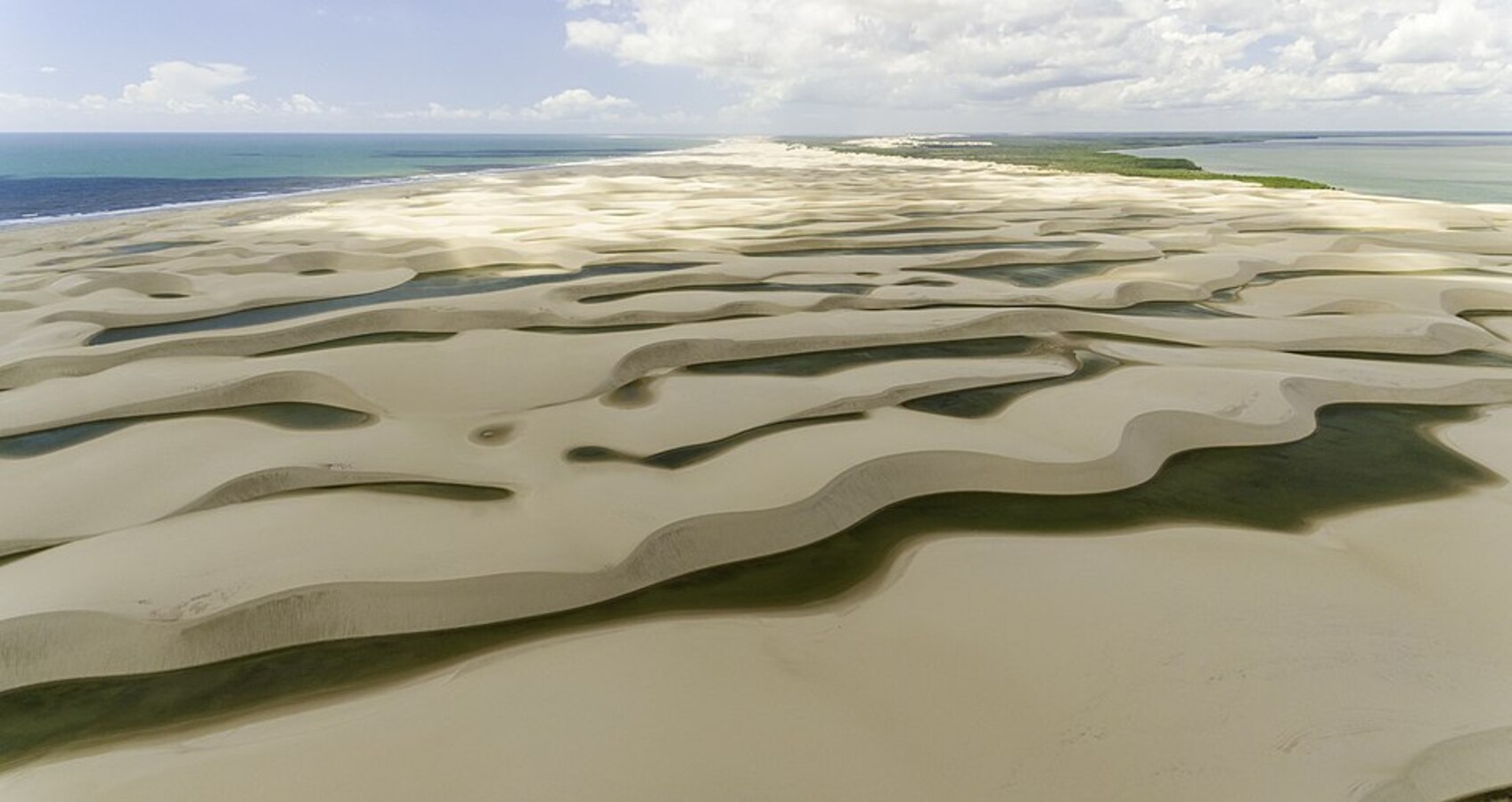
Parnaíba Offers The Delta Of Parnaíba, Paradisiacal Beaches And Historical Heritage, With Sustainable Ecotourism And Preserved Cultural Traditions On The Piauiense Coast
Parnaíba, on the Piauiense coast, is 340 km from Teresina and close to Luís Correia and Ilha Grande. Known as “Gateway To The Delta,” it houses the only delta in open sea in the Americas. With a rich port history and natural beauties, the city is an ideal destination for those seeking aquatic adventures and direct contact with nature.
Delta Of Parnaíba And Its Islands
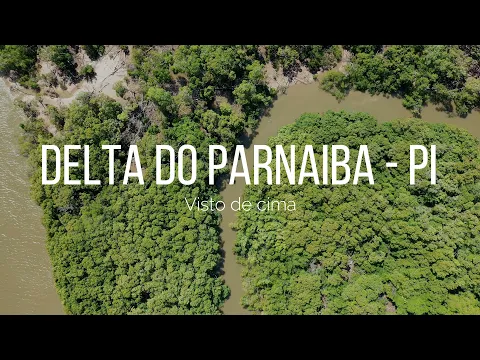
The Delta Of Parnaíba impresses with its uniqueness. The mouth of the Parnaíba River divides into five arms, forming 73 islands covered by mangroves.
It is considered an ecological sanctuary, with exceptional biodiversity, according to TripAdvisor.
-
Friends have been building a small “town” for 30 years to grow old together, with compact houses, a common area, nature surrounding it, and a collective life project designed for friendship, coexistence, and simplicity.

-
This small town in Germany created its own currency 24 years ago, today it circulates millions per year, is accepted in over 300 stores, and the German government allowed all of this to happen under one condition.

-
Curitiba is shrinking and is expected to lose 97,000 residents by 2050, while inland cities in Paraná such as Sarandi, Araucária, and Toledo are experiencing accelerated growth that is changing the entire state’s map.

-
Tourists were poisoned on Everest in a million-dollar fraud scheme involving helicopters that diverted over $19 million and shocked international authorities.


Ilha Grande de Santa Isabel stands out as the largest in the archipelago. Traditional fishing communities maintain sustainable practices and an ancestral way of life. Boat rides reveal igarapés, mangroves, and preserved aquatic fauna.
Preserved Historical Heritage
The Porto das Barcas is a landmark in the historic center, listed by IPHAN. The warehouses, built by slaves, served to store colonial products. Today, they house craft shops, restaurants, and ecotourism agencies.
Praia de Pedra do Sal offers 15 km of golden sand and colorful cliffs. The rock formations create natural pools, ideal for bathing at low tide. The place is famous for its sunset.
Meanwhile, Lagoa do Portinho has calm waters surrounded by moving dunes and native vegetation. It serves as a natural nursery for migratory and resident birds, with trails for observing the fauna.

Culture And Traditions Of Parnaíba
Parnaíba pulses with the Parnaíba Literary Festival (FLIPAR), held in August at the Porto das Barcas. The event brings together northeast writers and promotes debates, readings, and workshops.
In March, the Festa de São José gathers fishermen and merchants in terrestrial processions and religious activities. Stalls with typical foods and folk presentations complete the scene.
The Carnival in February brings traditional blocks and regional marches to the historic center. It is a participatory celebration that integrates locals and visitors.
The gastronomy is a highlight, featuring dishes made with fresh seafood, such as crab, sururu, and shrimp. Typical recipes include fish stew, Piauiense moqueca, and crab farofa.
Sustainable Ecotourism
The city is a reference in sustainable ecotourism, according to the Piauí Tourism Secretariat. It operates as a base for exploring the Delta of Parnaíba with support from specialized agencies and local guides.
Conservation projects protect mangroves, birds, and traditional communities. Universities conduct research on biodiversity and sustainable tourism, while ecotourism generates income for fishermen and artisans.
For those interested in archaeology, the Serra da Capivara National Park is nearby, allowing for combined tours of the delta and visits to archaeological sites.
Origins And History
The name Parnaíba comes from the Parnaíba River, a Tupi term meaning “bad river for navigation.” Despite this, the city developed as a strategic river port for colonial trade.
Officially founded in 1762, it was a point for exporting jerked beef, cotton, and leather. The Porto das Barcas connected the interior of Piauí to European markets.
With the decline of port activity in the 20th century, the local economy began investing in sustainable tourism. The preservation of historical and natural heritage helped reinvent the municipality as a tourist destination.
When To Visit Parnaíba
From July to December, temperatures range from 24°C to 32°C, with constant winds and a dry season. It is ideal for delta tours and enjoying FLIPAR in August.
From January to June, the rainy season brings temperatures from 26°C to 35°C. This period is favorable for seeing the green vegetation and vibrant nature.
From September to November, migratory birds arrive, attracting photographers and specialized observers.
Between December and February, the northeastern summer heats up the beaches and fills hotels. Early reservations are recommended.
An Invitation To The Visitor
Parnaíba combines unique nature, historical heritage, and vibrant culture. From the delta with its 73 islands to the Porto das Barcas, the city maintains traditions and invests in responsible tourism.
Visiting the “Gateway To The Delta” is to dive into an ecological and cultural sanctuary of northeastern Brazil, where each landscape tells a part of the story.
With information from Correio Brasiliense.









-

Uma pessoa reagiu a isso.