





 Portuguese
  English
  Spanish
  4 min of reading
  5 comments


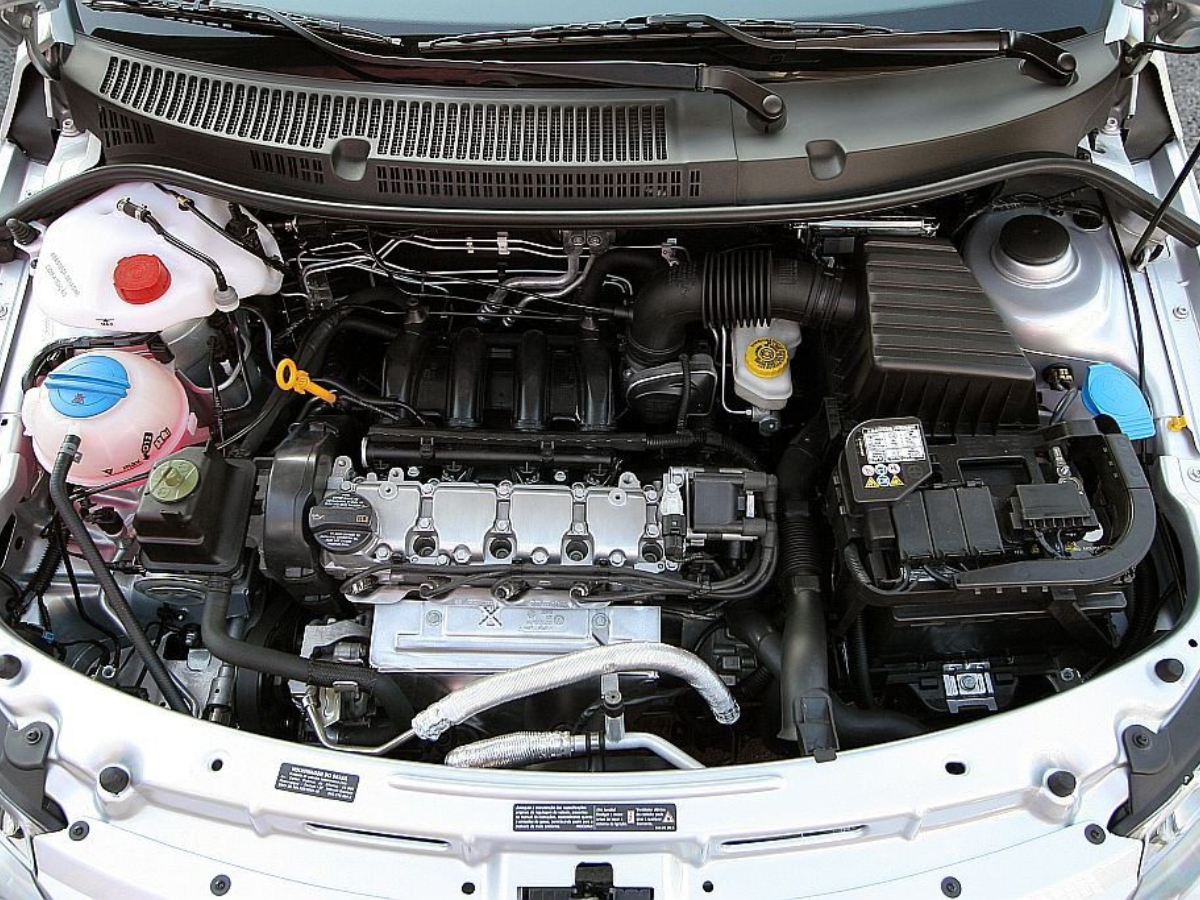


Understand The Causes Of Excessive Oil Consumption That Affected The Gol, Fox, And Voyage, The Costs To Owners, And The Essential Care When Buying A Used With This Volkswagen Engine
Understand a deep analysis of the chronic problem of this Volkswagen engine. We uncover the true technical causes, the manufacturer’s response, and what you need to know so that the dream of owning a car does not turn into a maintenance nightmare.
The EA111 engine from Volkswagen equipped millions of popular cars in Brazil, but its history was marked by controversy: excessive lubricating oil consumption that frustrated thousands of owners and generated the infamous expression that it “drank more oil than gasoline.” Models such as Gol, Fox, and Voyage, manufactured mainly between 2008 and 2013, were the most affected.
What Was The Problem Of The EA111 Engine? From “Normal Consumption” To The Nightmare Of Owners
The problem concentrated on the Volkswagen Gol G5, Fox, and Voyage models equipped with the Volkswagen EA111 1.0 (VHT) and 1.6 engines, manufactured mainly between 2008 and 2013. Owners began to report oil consumption well above expectations, requiring constant replenishments between scheduled oil changes.
-
Drought may be creating stronger superbugs in the soil and helping antibiotic resistance reach hospitals, warns a study highlighting a problem that could grow alongside extreme weather.

-
The biggest scam in history: Napoleon’s France deceived the United States by selling them a territory that was Spanish.

-
Why is the Danakil Desert so dangerous? It has unstable terrain and how extreme temperatures and toxic gases turn the region into one of the most hostile environments on Earth.

-
With a height of 221 meters and a capacity for trillions of liters, Hoover Dam still holds a trick that makes water defy logic.


The controversy intensified with Volkswagen’s position. In the owner’s manuals, the company stated that an oil consumption of up to 0.5 liters per 1,000 km was considered “normal”. For a popular car, this could mean needing to add up to 5 liters of oil between 10,000 km services, an unexpected cost and care for many. The most common symptoms were the constant low oil level, bluish smoke coming from the exhaust, and, in extreme cases, a “seized engine” due to lack of lubrication.
Was It A Design Flaw In The Rings And Pistons?
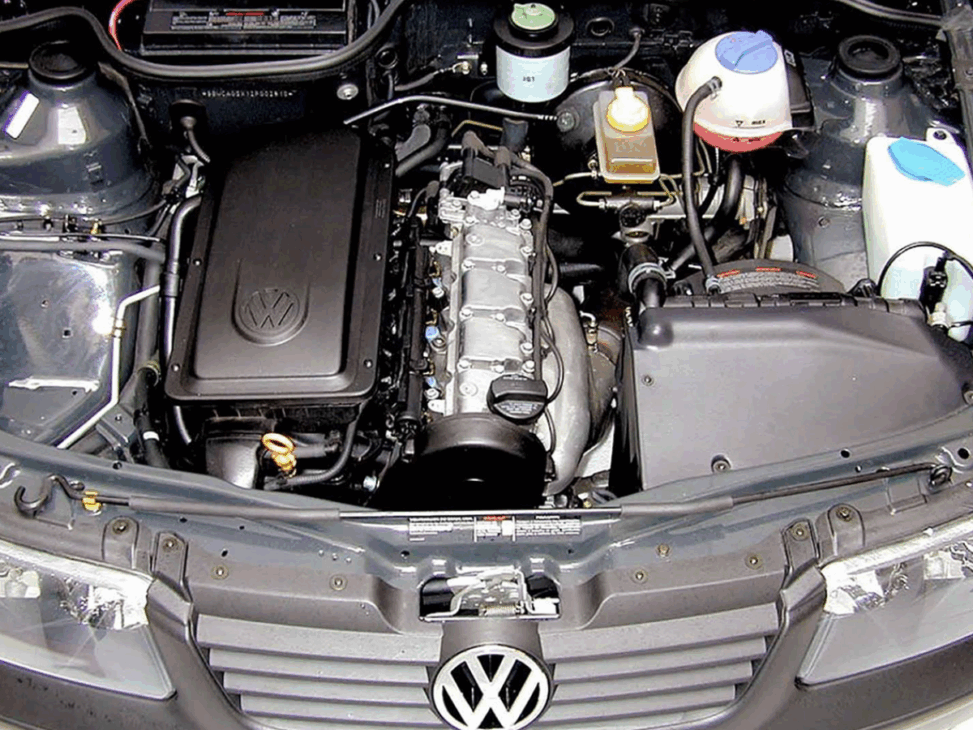
Many owners attributed the problem to a design flaw in the rings and pistons. However, technical analyses point to a more complex and multifactorial cause.
The main trigger for the problems was a change in the specification of the lubricating oil promoted by Volkswagen in April 2008. This new oil, according to investigations, reacted adversely with ethanol, a fuel widely used in Brazil, losing its essential lubricating properties.
This poor lubrication, in turn, exposed existing “sensitivities” in the design of the EA111 Volkswagen engine, such as excessive clearances in bearings and camshafts, and possible failures in oil pressure regulating valves. As a direct consequence of this lack of adequate lubrication, there was accelerated wear of vital components, including the rings and pistons. Therefore, the failure of these components was the final symptom of a cascade of problems, not the root cause.
The Response From Volkswagen, Recalls, Legal Actions, And The Controversial Engine Swaps
With increasing public and media pressure, Volkswagen found itself forced to act. In 2009, the company issued a clarification note and later conducted service campaigns. A notable recall involved the Gol, Voyage, and Fox 1.0 VHT models (2009/2010), including oil changes and extending the engine warranty due to an “admitted lubrication deficit by the factory.”
However, the initial response was considered insufficient by many, leading to intervention by the Public Prosecutor’s Office and to lawsuits that forced Volkswagen to carry out broader recalls, covering about 400,000 vehicles due to “premature engine wear.” In more severe cases, the factory even replaced entire engine blocks, but reports indicate that sometimes this replacement was made without proper rectification in the car’s documentation, a serious problem that could affect the legality and resale value of the vehicle.
The Repair Costs And The Depreciation Of The Volkswagen EA111 Engine
For owners, the financial impact was severe. A complete engine overhaul, often the only solution, had an estimated cost of R$ 6,300 at the time. This amount could represent more than 20% of the market value of a used Gol G5, making the repair financially unviable for many.
The notorious reputation of the Volkswagen EA111 engine generated a sharp depreciation of these models in the used car market. The reputation of being an “unbreakable car” that models like the Gol had was shaken, and distrust settled among buyers.
What To Do If You Have Or Want To Buy A Car With This Volkswagen Engine


Despite the history, it is possible to coexist with the EA111 engine, but with extra care.
For Owners:
Constant Vigilance: check the engine oil level frequently, ideally at every refueling.
Rigorous Maintenance: use exclusively the oil with the correct specification (generally synthetic 5W40 with VW norm 502.00) and respect the change intervals.
Attention To Signs: do not ignore noises, smoke, or high consumption. Look for a trusted mechanic immediately.
For Used Car Buyers:
Professional Inspection: before buying, take the car to an experienced mechanic for a complete assessment of the engine.
Check The Engine Number: compare the number engraved on the engine block with that in the vehicle documentation. Discrepancies are a major warning sign.
Consider Alternatives: evaluate whether a lower price compensates for the risk. Models from other brands or from VW itself with newer engines, such as the EA211, may be safer options.
The saga of the Volkswagen EA111 engine serves as an important lesson about the need for preventive maintenance and the risks of chronic problems in the automotive industry.









O bobagem. Era vendedor nesta época. Rodei com dois gols g5 1.0 um 2010 fiz 238mil km sem passar em oficina o outro 192mil 2013 sem nenhum problema e depois uma saveiro Cross mais 160 mil só troquei uma bobina e cabos de vela. Isso é igual ao câmbio power schift do focus. Meu carro particular era um focus titanium 2014 e depois 2016 fastback titanium. Sem problemas de câmbio. O maior problema dos veículos é o cupim de ferro. E a mania de usar óleos é peças de baixo custo e usar até moer. Ai reclamar.
O maior FIASCO e demora em reconhecer um VÍCIO OCULTO. não existe outro Adjetivo a colocar, a VW foi desonesta ao extremo com os seus clientes, imagine depois de 400 mil casos ela RECONHECE ainda Sob Júdice o defeito de projeto no motor VHT EA111 QUE P…A louca essa VW hein!! Desde esse epis**** NUNCA MAIS comprei um VW
CARROS sem Acabamento e CAROS
e quando tem acabamento cobram os olhos da CARA. Nunca mais VW
Olá, discordo em partes do seu comentário a respeito do motor VW EA111 sobre o consumo de óleo lubrificante. Sou proprietário de um CrossFox ano 2007 1.6 flex, com 172.000 km rodados adquirido Zero Km no mesmo ano em uma concessionária VW. Nunca coloquei uma gota de óleo no motor para completar. Só coloco óleo no período das trocas na quantidade recomendada pelo fabricante. Grato.
Mas a reportagem não cita modelos 2007 seriam modelos de 2008 a 2013. Preste atenção no que lê antes de comentar.
Interpretar texto faz parte do bom entendimento, motores fabricados de 2008 a 2013….e não o seu 2007, entendeu????