





 Portuguese
  English
  Spanish
  6 min of reading
  0 comments


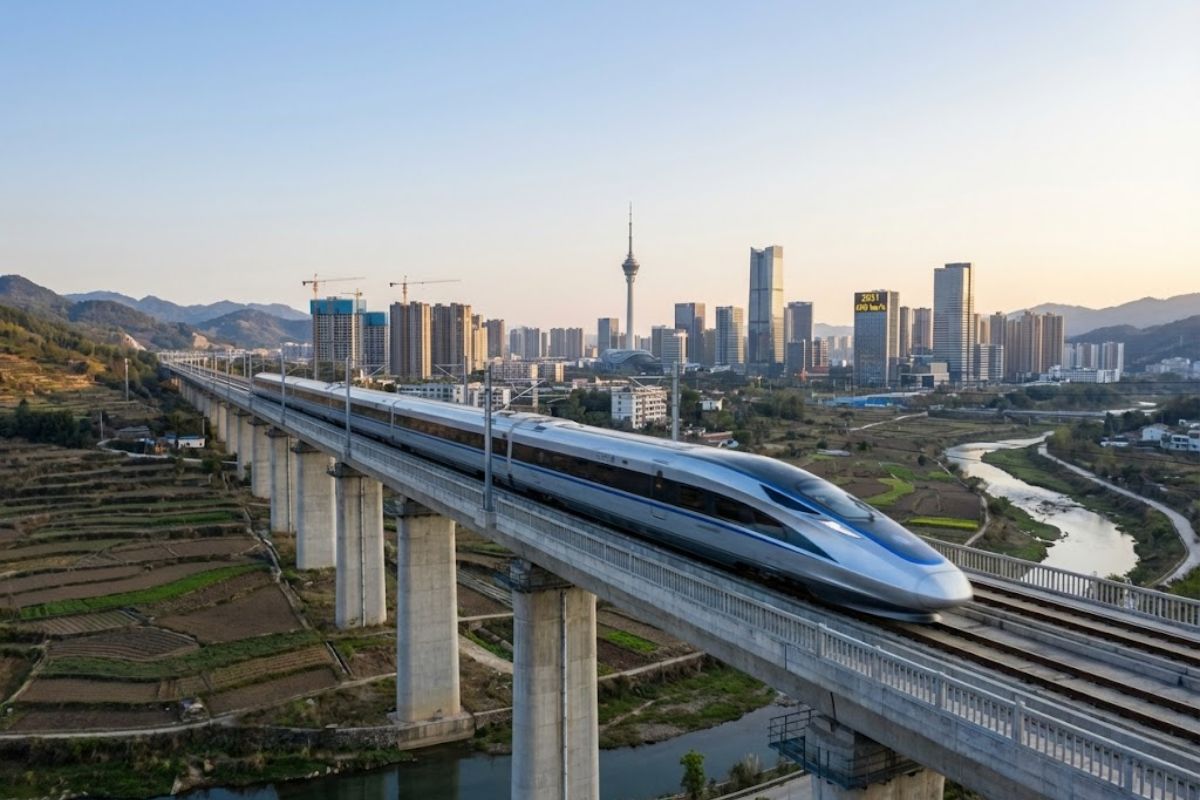
Announced On December 22, 2025, The EMU-370 Puts South Korea In The Race For The Second Fastest Train In The World, With Public Operation In 2031, Commercial Speed Of 370 Km/h, Technical Goal Of 407 Km/h, 479 Seats And Works On The Track To Reduce The Seoul-Busan Trip
The Government And The Ministry Of Land, Infrastructure And Transport Of South Korea Presented The EMU-370 As The Second Fastest Train In The World, With A Schedule That Foresees Tests In 2030 And Entry Into Operation For The Public In 2031, Reaching 370 Km/h In Service.
The Plan Detailed That The Project Was Supported By Research And Development From April 2022 To December 2025, With A Total Cost Of US$ 15.23 Million, Equivalent To 22.5 Billion Won, Led By The Korea Railroad Research Institute, The KRRI, With Support From Seven Public And Private Organizations.
What Is The EMU-370 And Why Does It Enter As The Second Fastest Train In The World

The EMU-370 Is The High-Speed Train Announced By South Korea To Operate In 2031 With A Commercial Speed Of 370 Km/h.
-
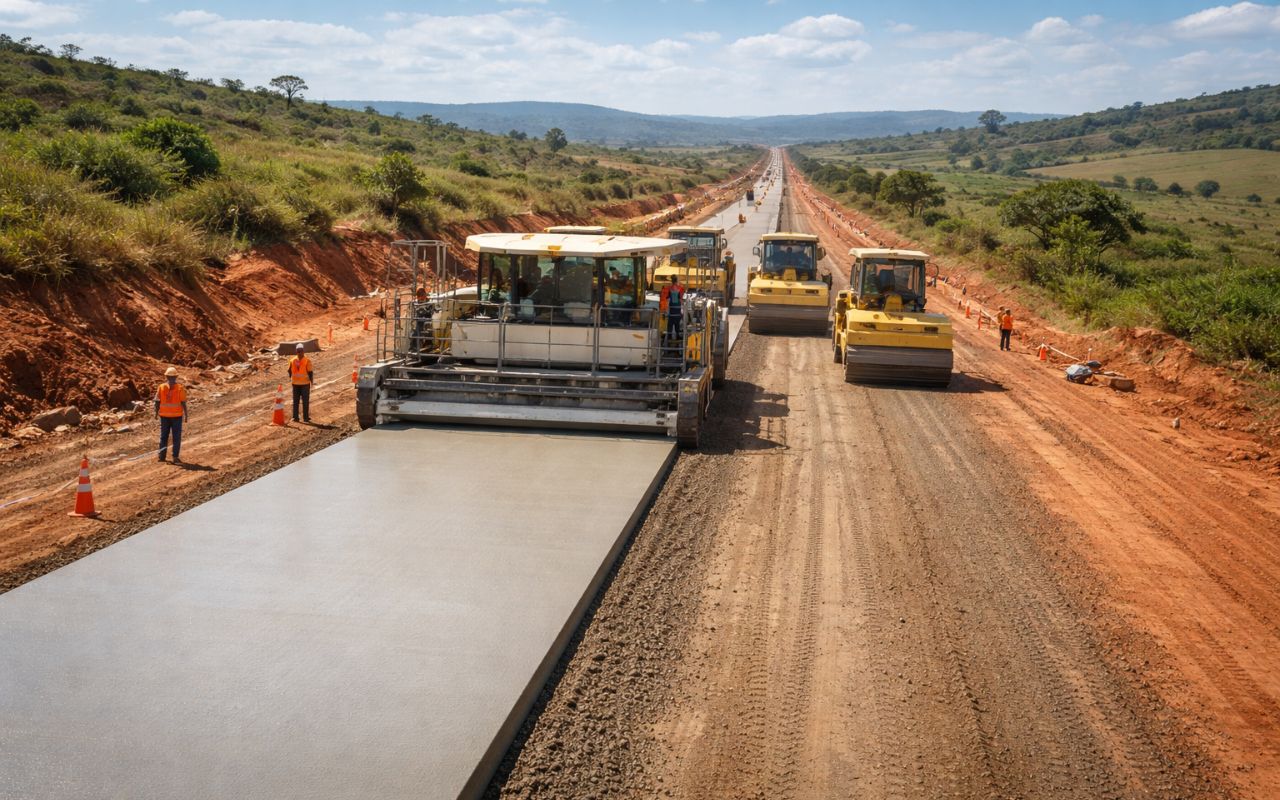
New CCR concrete paving technology promises roads up to 3x more durable, less maintenance, and cost reduction in Brazil.
-
Made from recycled plastic, plastic wood is gaining space in the construction industry because it does not rot, resists moisture, and reduces maintenance costs over the years.

-
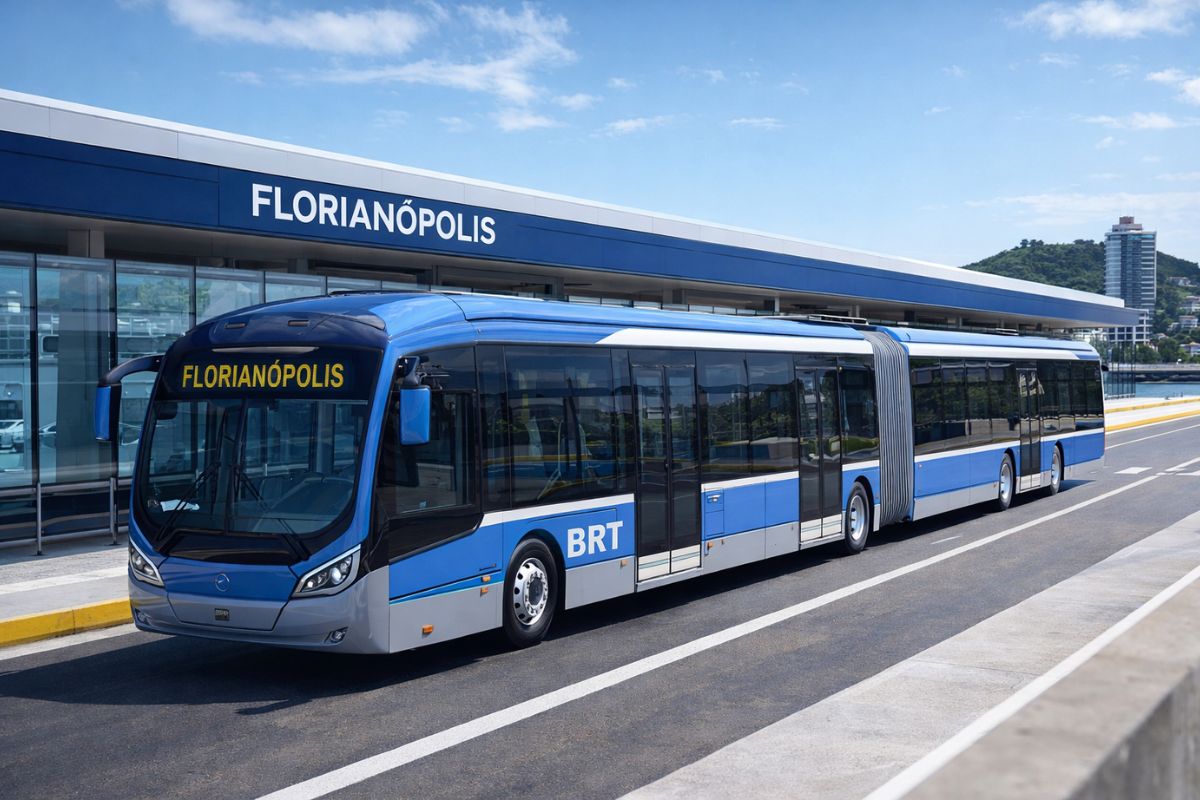
Florianópolis will receive a million-dollar BRT that will begin construction in 2026 with nearly 400 million in funding from the federal government and the Inter-American Development Bank, and the map already shows the routes for the exclusive bus corridors.
-
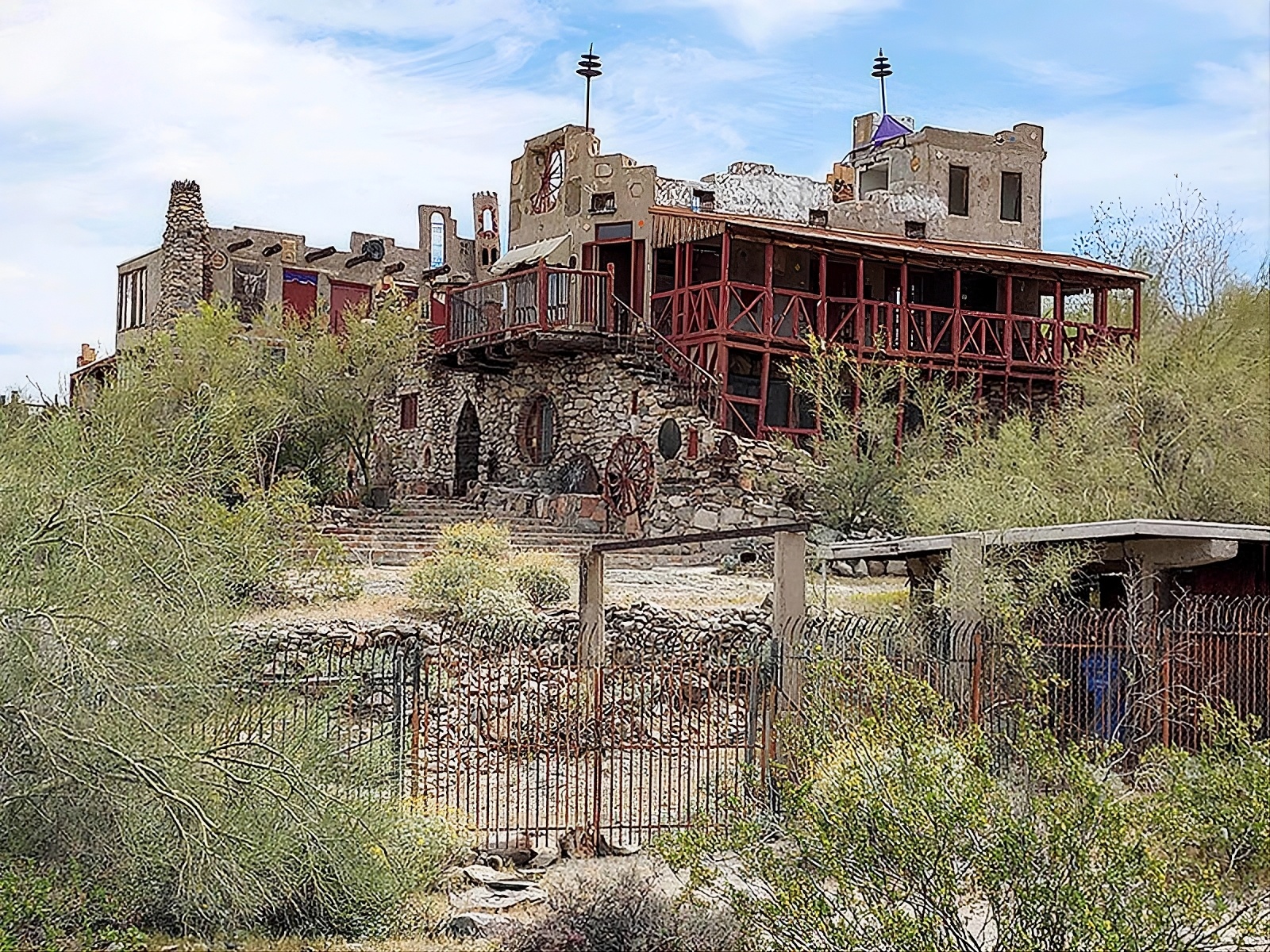
Without a blueprint, without an engineer, and using scrap from the dump, a father spends 15 years building an 18-room castle for his daughter, featuring tram tracks, 13 fireplaces, and over 700 m², which may now be demolished.

The Central Point Is The Official Positioning: South Korea Claims That The EMU-370 Will Be The Second Fastest Train In The World When It Is Marketed In 2031, With Tests In 2030 Already Scheduled In The Calendar.
This Definition Is Relevant Because It Ties The Narrative To Verifiable Numbers And Dates.
Second Fastest Train In The World, Here, Does Not Appear As A Loose Adjective: It Comes Accompanied By The Operational Level Of 370 Km/h And The Milestone 2031 For The Start Of Public Operation, With A Testing Phase In 2030 Along The Way.
Timeline Until 2031: Tests In 2030 And Full Commercialization To The Public
The Informed Timeline Separates Two Objective Stages.
The First Is 2030, When The EMU-370 Should Enter Testing Operations, A Necessary Stage To Validate Performance Under Controlled Conditions And, Progressively, In Scenarios Closer To Real Service.
The Second Is 2031, Described As Full Commercialization For The Public.
For South Korea, Putting The EMU-370 Into Tests In 2030 And Into Service In 2031 Requires Coordination Between Train, Track, And Operation, Because The Base Itself States That There Will Be A Need To Modernize Sections Of The Railway Infrastructure Without Disrupting Regular Operations.
370 Km/h In Service And 407 Km/h As Technical Ceiling Of The Project


The Base Differentiates Two Numbers That Often Create Confusion. The Speed Associated With Passenger Service Is 370 Km/h. The Maximum Project Speed Is Cited As Up To 407 Km/h.
In Practical Terms, This Means That The “Second Fastest Train In The World” Is Defended Based On 370 Km/h As The Speed Of Operation In 2031, While 407 Km/h Works As An Engineering Reference, Not As A Promise Of Daily Use.
This Detail Changes The Reading Of The Project. Many Announcements Focus Only On The Theoretical Maximum Speed.
Here, The Focus Presented By South Korea Highlights 370 Km/h As The Operational Goal, With 2031 As The Delivery Milestone To The Public, While Maintaining 407 Km/h As The Technical Margin Of The EMU-370 Design.
Seoul To Busan In Less Than Two Hours: The Declared Impact On Travel Time
The Project Is Described As Capable Of Taking The Trip From Seoul To Busan To Just Under Two Hours, Compared To A Usual Time Of About Two And A Half Hours.
The Promise Of Time Savings Is Directly Linked To The Level Of 370 Km/h And The 2031 Timeline, Because Reducing Travel Time Requires More Than Speed Peaks.
To Sustain 370 Km/h, The System Needs To Maintain A High Average Speed, Which Depends On Compatible Tracks, Safety Standards, Signaling, And Operation.
Therefore, The Base Reinforces That Significant Improvements In Railway Infrastructure Are Necessary For The EMU-370 To Achieve The Expected Performance Regularly.
Capacity, Noise, And Power: The Numbers That Accompany The EMU-370
The EMU-370 Was Described With A Capacity Of 479 Passengers And An Internal Noise Reduction Of Two Decibels.
An Engine With A Power Of 560 Kilowatts Was Also Reported, With A Mention Of A Jump Of 47.4% More Power.
These Numbers Help To Understand That The Goal Of 370 Km/h Is Not Just Speed, But Also Control Of Comfort And Performance Under Load.
The Base Also Compares The Current Situation In South Korea, Citing The EMU-320, Identified As KTX-Cheongyong, As The Fastest Train In The Country Today.
In This Context, 2031 Becomes A Milestone Of Change: The Transition From A Domestic Peak To A Project That Seeks To Reposition South Korea In The Global Elite Of Speed With The EMU-370.
Infrastructure: Why The Track Needs To Change To Sustain 370 Km/h
The Modernization Of The Track Appears As An Explicit Requirement.
The Material States That Significant Improvements Will Be Necessary For The EMU-370 To Reach The Expected Maximum Speed, And Cites A Specific Method: Replacing The Ballast With Concrete Tracks In Some Sections, Executing The Intervention During A Four-Hour Window When Trains Are Not Circulating.
In Technical Terms, Ballast Is The Layer Of Gravel That Supports And Stabilizes The Track, Helping To Distribute Load And Control Vibration.
By Indicating A Replacement With Concrete Solutions In Selected Sections, South Korea Signals A Search For Greater Geometric Stability, Something Critical To Operate At 370 Km/h Regularly, Reducing Limitations Of Comfort And Safety At High Speeds.
Research And Development Between April 2022 And December 2025: Who Led And How Much It Cost
The EMU-370 Was Described As The Result Of A National Research And Development Program Lasting Three Years, From April 2022 To December 2025.
Leadership Was Attributed To The KRRI, In Partnership With Seven Public And Private Organizations.
The Total Cost Was Reported As US$ 15.23 Million, Equivalent To 22.5 Billion Won.
This Time Interval Helps To Explain The Sequence Of Announcements.
The Base Indicates That The Presentation Of The Project Occurred On December 22, 2025, Already At The End Of The Development Cycle, And That The Matter From January 2, 2026 Detailed The Scope Of The Program And The Numbers Of The Train, Connecting The Completion Of Development In December 2025 To The Timeline Of Tests In 2030 And Operation In 2031.
China, 2027 And The Standard Of 320 Km/h: Where South Korea Wants To Fit
The Text Points Out That China Is Testing The CR450, With Speeds Of Approximately 400 Km/h, And Plans To Launch Commercially In 2027.
This Data Serves As Context For The Label Of The Second Fastest Train In The World In 2031 Attributed To The EMU-370: Speed Leadership Is Associated With China, While South Korea Seeks The Second Position By Putting 370 Km/h Into Public Operation In 2031.
In Contrast, France, Germany, And Japan Are Cited With Maximum Speeds Of Approximately 320 Km/h.
Japan Appears As A Pioneer Since 1964 With The Shinkansen, But The Current Focus Presented By The Material Places The Recent Race Above The Level Of 320 Km/h.
Thus, When The Text Reinforces That “It Is Not Japan,” It Highlights That The Second Fastest Train In The World Expected For 2031, In The Report, Is South Korean And Is Called EMU-370.
What Changes For The Passenger In 2031 And What Risks Remain On The Way
If The Timeline Is Maintained, 2031 Marks The Start Of Public Operation At 370 Km/h, With The Goal Of Shortening The Travel Time From Seoul To Busan And Delivering A Cabin With Reduced Internal Noise.
The Base, However, Makes It Clear That Infrastructure Is Part Of The Problem: Modernizing Track Sections Without Disrupting Regular Operations Is An Operational And Engineering Bottleneck.
The Strategy Described Itself, Using A Four-Hour Window Without Circulating Trains To Carry Out Interventions, Shows That The Project Depends On Disciplined Execution And Fine Coordination.
In This Scenario, 2030 And 2031 Become Dates That Can Only Be Sustained If The Modernization Of The Track Keeps Up With The Ambition Of The EMU-370.
South Korea Presented On December 22, 2025 A Plan That Combines Research Concluded In December 2025, Tests In 2030, And Public Operation In 2031, With The EMU-370 Described As The Second Fastest Train In The World For Operating At 370 Km/h.
The Package Includes Capacity For 479 Passengers, Reduced Internal Noise, And Announced Power, But Depends On Works On The Track To Transform 370 Km/h Into An Operational Standard.
If You Want To Follow The Project With Pragmatism, The Realistic Step Is To Observe Two Milestones: The Start Of Tests In 2030 And, Most Importantly, Whether Infrastructure Improvements Are Advancing At The Necessary Pace To Sustain 370 Km/h When 2031 Arrives.
Do You Think 2031 Is A Realistic Deadline To Deliver The Second Fastest Train In The World At 370 Km/h, Or Will The Infrastructure Stall The Timeline Even Before The EMU-370?








-

-

-

-

9 pessoas reagiram a isso.