





 Portuguese
  English
  Spanish
  3 min of reading
  0 comments


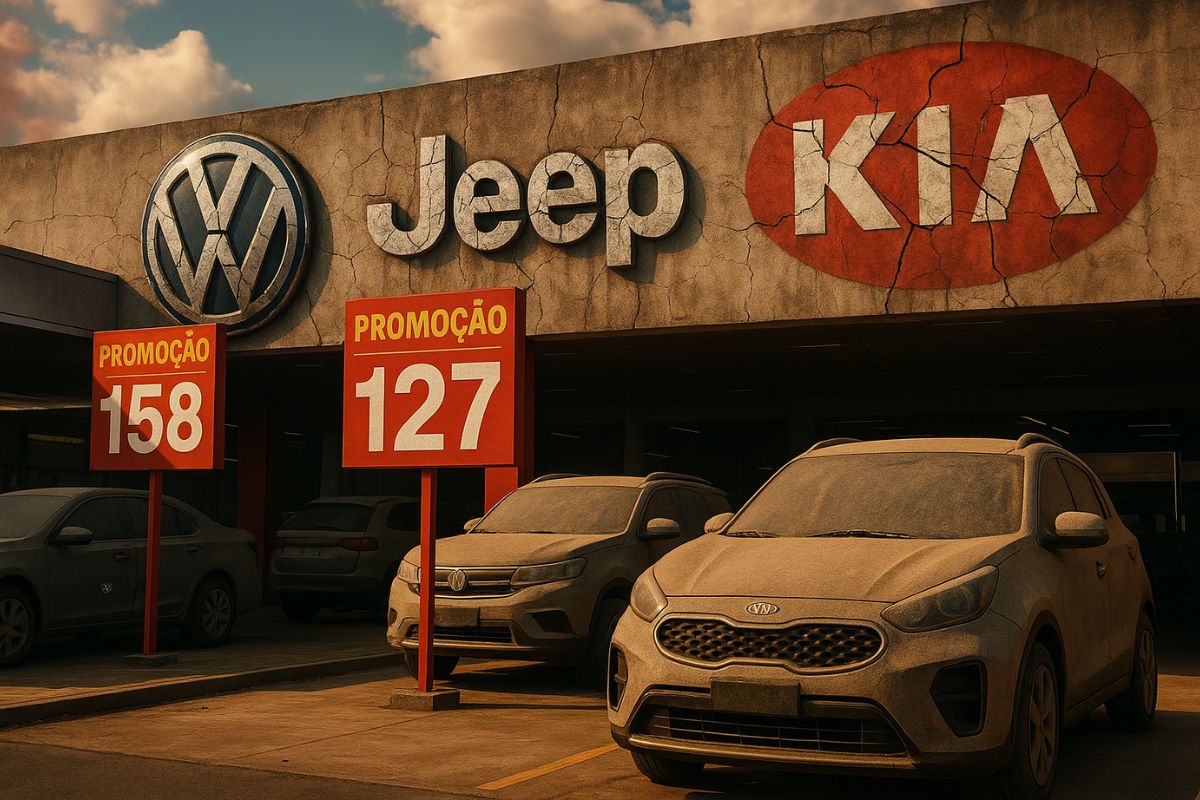
These Cars Are Destroying the Reputation of Car Brands in Brazil. Models Stagnating in Dealerships Show How Poor Strategic Decisions Harm Car Brands in Brazil
Automotive sales are in a delicate moment: some models are undermining consumer confidence and harming the image of car brands in Brazil. Even with competitive technical specifications, eye-catching design, and a high level of equipment, these vehicles are unable to gain traction in the market and have become a burden for their manufacturers.
According to a recent survey, there are cases where models sold fewer than 20 units in an entire month, exposing strategic weaknesses, pricing, and acceptance. This sharp decline calls into question the positioning of traditional manufacturers and whether it’s still worth insisting on these projects.
Volkswagen Jetta: A Forgotten Classic
The Volkswagen Jetta used to be a reference among midsize sedans, but today it has become one of the biggest problems for the brand’s reputation in Brazil. Available only in the GLI version, the model features a 2.0 turbo engine with 231 hp, a seven-speed automated transmission, high-quality finishing, and a robust technology package.
-
While the industry rushes towards automation, Omoda & Jaecoo bets on technology with a human touch and reveals its global mobility plan for 2026.
-
In just 1 year, JAECOO surpasses 7,000 units of the J5 EV delivered in Indonesia and consolidates trust in the Asian market.
-
With awards in various countries, the Jaecoo 7 is establishing itself globally and accelerating the expansion of Omoda & Jaecoo in the hybrid SUV market.
-
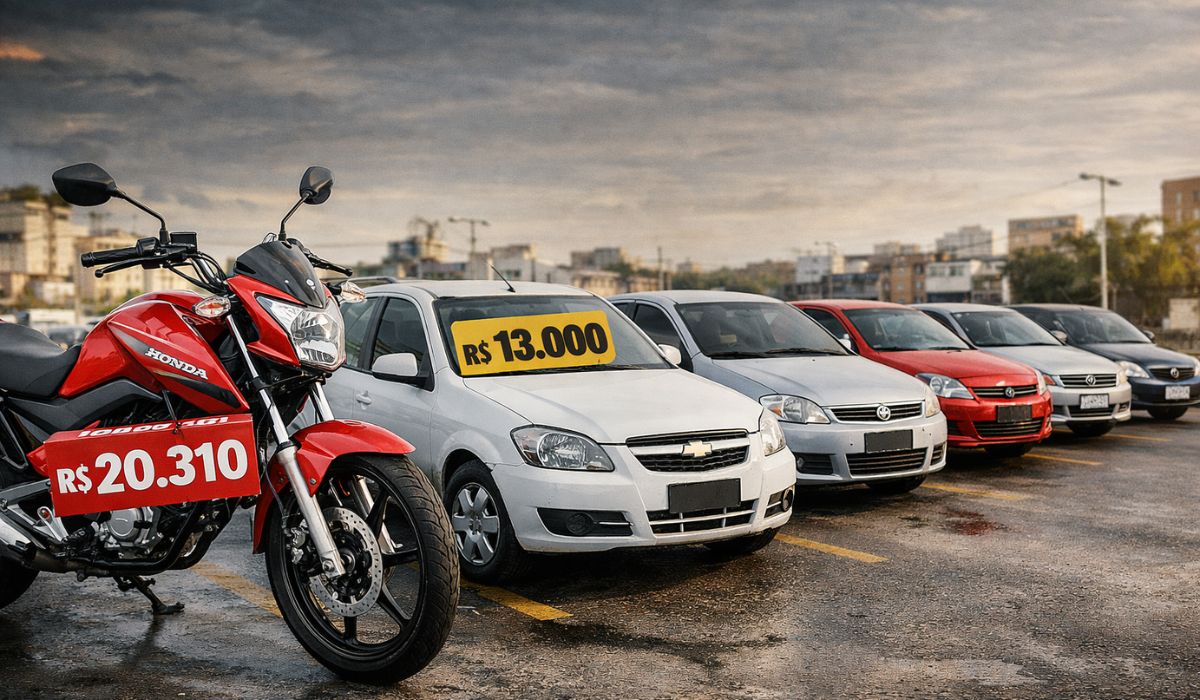
5 cheapest used cars than a Honda CG 160 Titan 0 km, with options starting at R$ 13,000 for those who want to trade their motorcycle for a car and escape the rain, sun, and risks of riding.

Even so, only 23 units of the Jetta were sold in June. Experts point out that the expectation for the facelift, scheduled for the end of the year, combined with the high price and intense competition, helps explain the lack of interest.
Kia Niro: The Hybrid That Didn’t Win Over Consumers
The Kia Niro arrived with a sustainable proposal and impressive fuel efficiency, nearing 20 km/l in the city, but failed to convince Brazilian consumers. The bold design, comprehensive technology package, and hybrid setup with 141 hp seemed sufficient to attract buyers.
However, the reality is harsh: only 13 units were sold in June. The failure of the Niro illustrates how car brands in Brazil struggle to convince the public to pay a premium for new technologies without local tradition.
Volkswagen Amarok: Out of Production Due to Emissions
The Volkswagen Amarok maintained a loyal base for years, but today it is an example of how car brands in Brazil can lose ground due to lack of updates. Still based on its first generation, the pickup received visual touches but remains outdated compared to its rivals.
Additionally, the absence of the Arla 32 system has taken it out of compliance with emission standards, causing its sales to plummet. In June, only 10 units of the Amarok were registered, highlighting the risk of delaying mandatory innovations.
Jeep Grand Cherokee: Luxury Without an Audience
The Jeep Grand Cherokee is the most awarded SUV in history, but in Brazil it has become a symbol of excessive pricing and lack of appeal. With a 380 hp plug-in hybrid engine, refined finishing, and a full technology package, it seemed to have everything to stand out.
In practice, only five units were sold in June. The model’s poor performance shows how car brands in Brazil still face barriers to selling hybrid luxury SUVs at scale.
Jeep Gladiator: An Exotic That No One Buys
The Jeep Gladiator catches attention on the streets with its robust look inspired by the Wrangler, but it has failed to carve out a real space in the market. Equipped with a 3.6L V6 engine, 284 hp, and a price of nearly R$ 500,000, the pickup has become a rarity.
The result is telling: only one unit was sold in June. This reinforces how certain exotic bets can end up damaging the reputation of car brands in Brazil when consumers realize they are facing an impractical model for daily use.
The analysis shows that car brands in Brazil can have their reputation shaken by misguided choices, whether by delaying updates, insisting on unrealistic prices, or launching products without market adherence. The reflection appears in the numbers: models that barely exceed a few dozen units sold in a month.
In your opinion, which of these cars most harms the image of car brands in Brazil? Do you believe there is still room for them in the market, or should they be removed from dealerships altogether? Leave your comment below and join the discussion.









Seja o primeiro a reagir!