





 Portuguese
  English
  Spanish
  5 min of reading
  0 comments


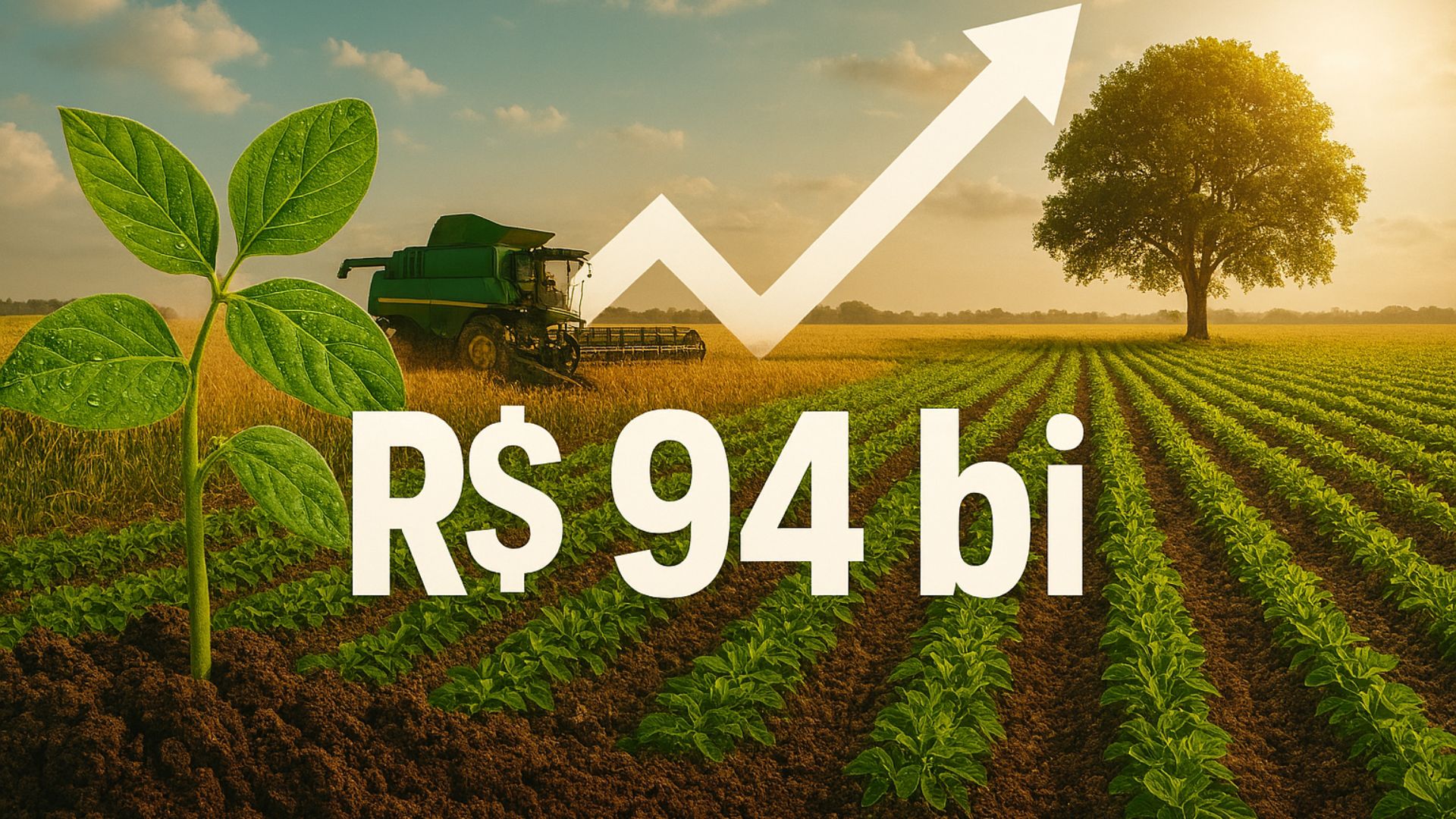
FGV Study Asserts That Advances in Sustainable Practices and Agricultural Technologies Can Drive Brazilian Agribusiness, Boosting Economic Gains and Strengthening Sustainability in the Field
On October 30, 2025, the Getulio Vargas Foundation (FGV), through the Bioeconomy Observatory, published a study that could redefine the future of Brazilian agribusiness. According to the research, the expanded adoption of sustainable practices could generate up to R$ 94.8 billion annually for Brazil’s Gross Domestic Product (GDP) by 2030. The study considers already available agricultural technologies and highlights the role of sustainability as an economic and environmental driver.
FGV Points to Paths for a More Sustainable Agribusiness
The research analyzed four main practices: biofuels, bioinputs, no-till farming, and intensive cattle finishing. All these solutions have the potential to increase productivity, reduce environmental impacts, and improve Brazil’s competitiveness in the international market.
The FGV study was based on technical and economic data from various production chains. According to the analysis, the isolated adoption of biofuels has the potential to add R$ 71.4 billion to Brazil’s GDP annually.
-
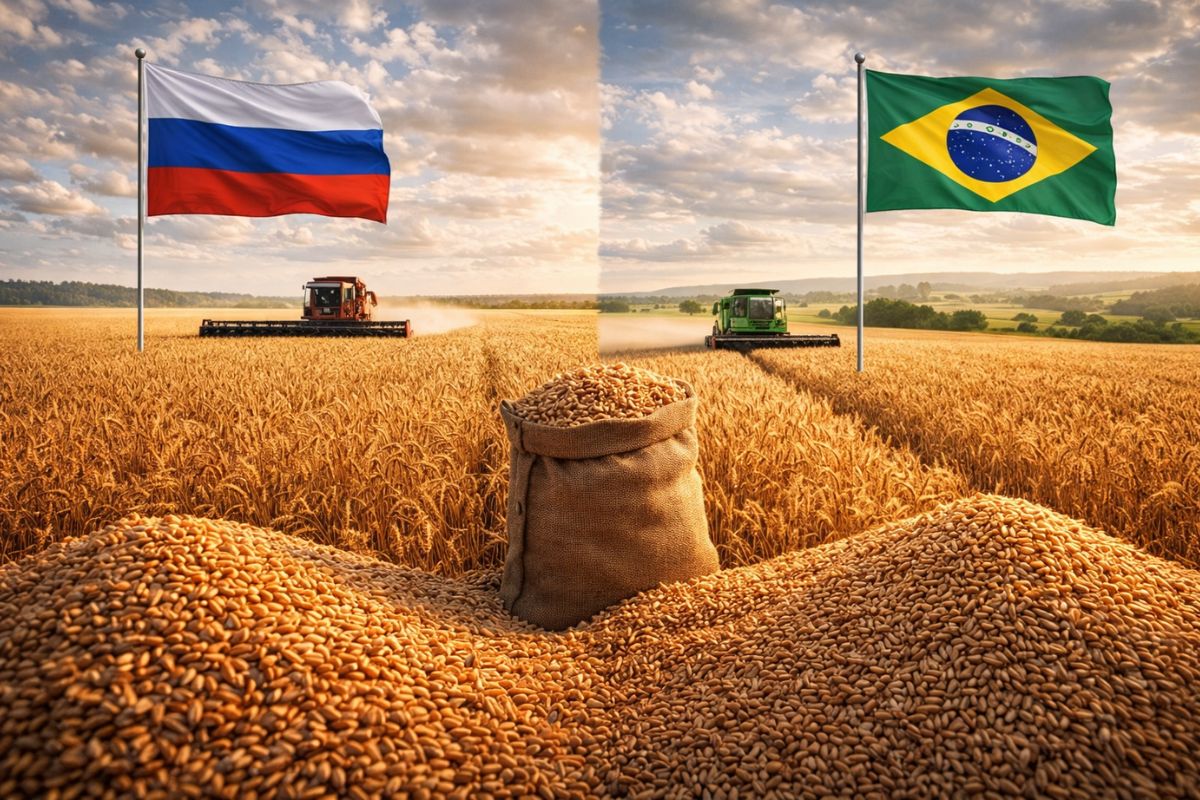
While Russia dominates the global wheat market, Brazil emerges as an unexpected competitor in the Cerrado, offering grain available in July and August when stocks in the Northern Hemisphere are at their lowest point of the year.
-
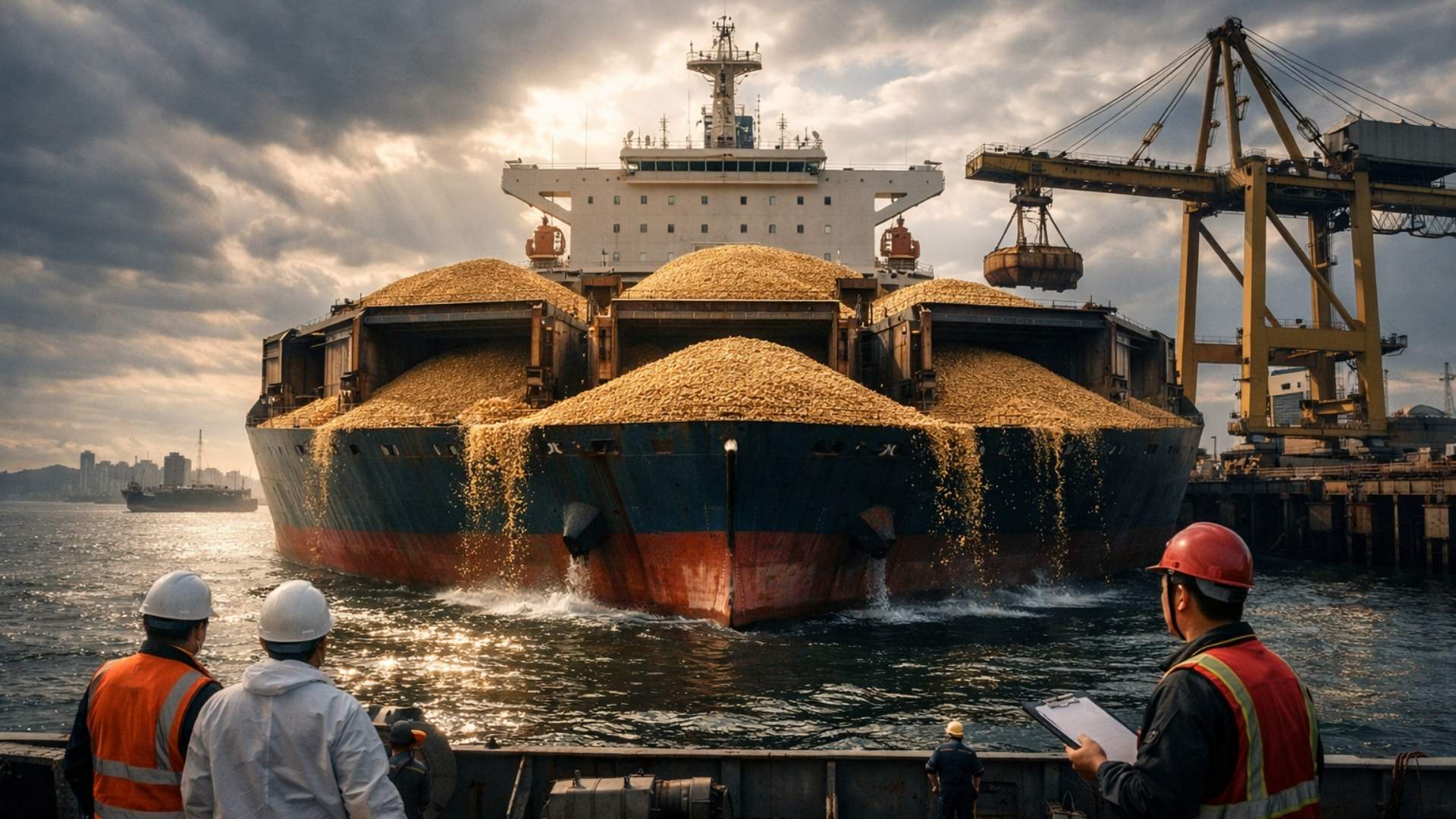
China returned almost 20 Brazilian ships with soybeans, but now everything could change: the country that buys 80% of the grain is considering relaxing regulations after impurities held up shipments of thousands of tons and caused million-dollar losses.
-
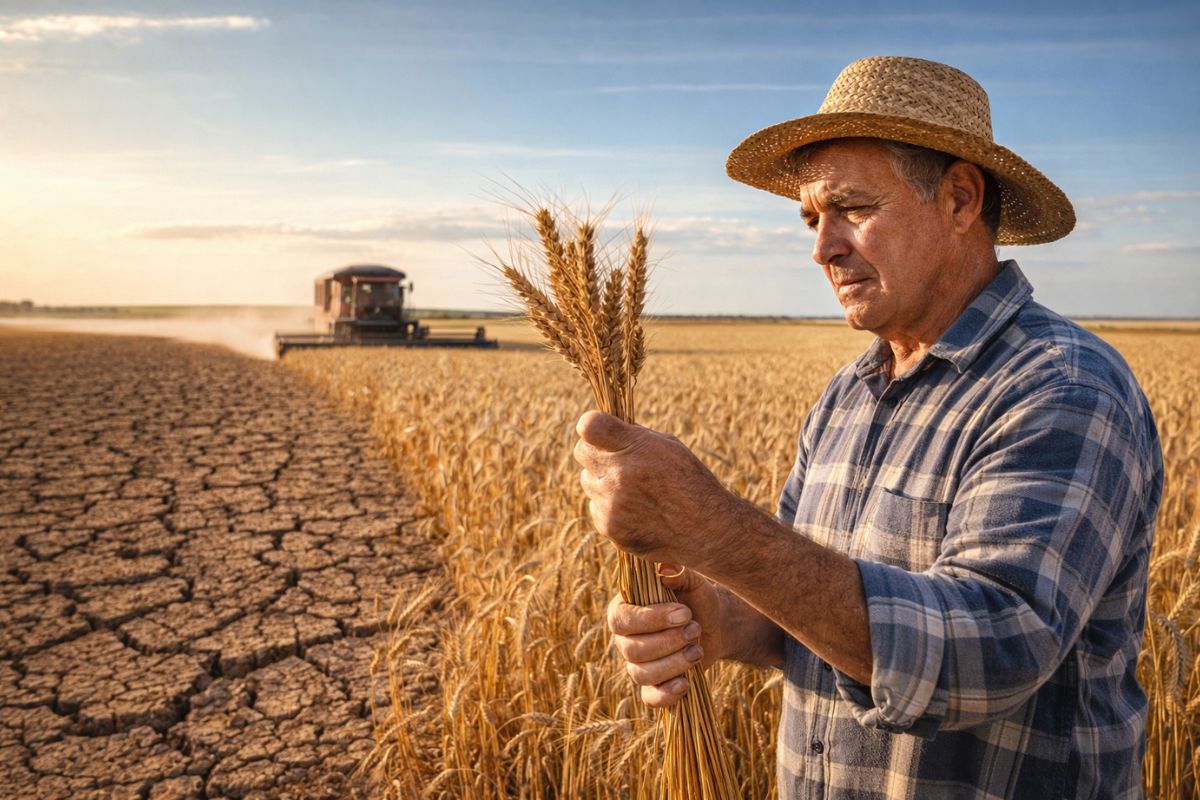
The drought of the cerrado was considered an enemy of wheat, but Brazilian scientists turned the lack of rain into a competitive advantage by creating a grain with quality that is already attracting the attention of international mills around the world.
-
THE OWNER of Brazil: a farmer who came from laundries, created an ’empire’ and today runs a company valued at R$ 42 billion after tripling its value in less than a year and receiving a billion-dollar investment from the USA.


The increased use of bioinputs could contribute an additional R$ 15.2 billion, while the advancement of the no-till system would represent an increase of R$ 4.7 billion. Meanwhile, the intensification of cattle finishing would have an estimated impact of R$ 3.5 billion per year.
These agricultural technologies are already available and can be scaled with public and private support. The study also suggests that the adoption of these practices can create jobs, attract investments, and strengthen Brazil’s image as a leader in sustainability.
Sustainability in Agribusiness: Economic and Environmental Gains
Sustainability has ceased to be merely an environmental issue and has become a competitive advantage for Brazilian agribusiness. According to FGV, the transition to sustainable practices can:
- Increase productivity per hectare.
- Reduce operational costs in the medium and long term.
- Expand access to demanding markets, such as the European Union and the United States.
- Improve Brazil’s reputation as a global food supplier.
Sustainability is a strategic advantage for Brazilian agribusiness, states the FGV report. Additionally, sustainable practices help mitigate climate risks, such as droughts and floods, which directly impact agricultural production.
The No-Till System (SPD), which minimizes soil disturbance and contributes to carbon retention, has the potential to expand its application area from 10.8 million to 34.1 million hectares by 2030. This expansion could result in a reduction of approximately 7.4 million tons of CO₂ equivalent, due to increased carbon sequestration in the soil.
In the livestock sector, intensifying finishing — a method that accelerates slaughter and optimizes weight gain in animals — could raise the number of heads in intensive management from 8 million to 13.5 million by the end of the decade. This change would contribute to an estimated reduction of 19.3 million tons of CO₂ equivalent, thanks to the shorter time cattle spend in the system.
Barriers to the Adoption of Sustainable Practices in the Field
Despite the potential, large-scale adoption still faces challenges. Among the main obstacles are:
- Lack of rural credit directed towards sustainable technologies.
- Low technical training in some regions.
- Cultural resistance to changing traditional practices.
- Absence of integrated and long-term public policies.
To overcome these barriers, the FGV study proposes:
- Creation of specific financing lines for sustainable practices.
- Investment in technical training and rural extension.
- Tax incentives for producers adopting sustainable agricultural technologies.
- A awareness campaigns about the economic and environmental benefits of sustainability.
Environmental and Social Impacts of Sustainable Practices
In addition to the economic gains, sustainable practices in agribusiness have positive effects on the environment and society:
- Significant reduction in greenhouse gas emissions, according to study estimates.
- Preservation of biodiversity and water resources.
- Creation of green jobs and inclusion of small producers.
- Strengthening of national and global food security.
According to Cícero Lima, FGV researcher, the study demonstrates that just one technology — such as bioinputs — has the potential to add up to 0.13% to GDP annually.
In a scenario where the country grows about 2% per year, this would represent over 6% of the total growth driven by a single low-carbon practice. In addition to the macroeconomic impact, the research estimates that large-scale adoption of these solutions could generate more than 700,000 direct jobs by the end of the decade.
The Role of the Public and Private Sectors in the Transformation of Agribusiness
The transformation of Brazilian agribusiness depends on the collaboration between government, companies, and producers. FGV suggests the creation of a national pact for sustainability in agriculture, with clear goals and performance indicators.
Companies in the sector also play a fundamental role, whether by investing in innovation or demanding sustainable practices within their supply chains. Collaboration between sectors is essential to accelerate the adoption of sustainable agricultural technologies.
Eduardo Bastos, CEO of the Equilibrium Institute — an entity that collaborated in the study’s development — highlighted the importance of bringing this debate to COP30, which will be held in Belém this month. According to him, discussing the topic during the climate conference is essential for guiding the formulation of the next Crop Plan, emphasizing that investments in sustainable practices in agribusiness can yield significant environmental gains and increase producers’ income.
Agribusiness and Sustainability: A Strategic Agenda for Brazil
The study by the Getulio Vargas Foundation, released on October 30, 2025, makes it clear: sustainability is the most promising path for the growth of the Brazilian agribusiness. With the potential to generate up to R$ 94.8 billion annually, the adoption of sustainable practices represents an economic, environmental, and social opportunity.
For this scenario to materialize, it is necessary to overcome structural barriers, expand access to agricultural technologies, and promote effective public policies. Brazil has the resources, knowledge, and market — it just needs to transform potential into reality.








Seja o primeiro a reagir!