





 English
  Francês
  Alemão
  Italiano
  Japonês
  Norueguês
  Portuguese
  Spanish
 5 min of reading
  0 comments


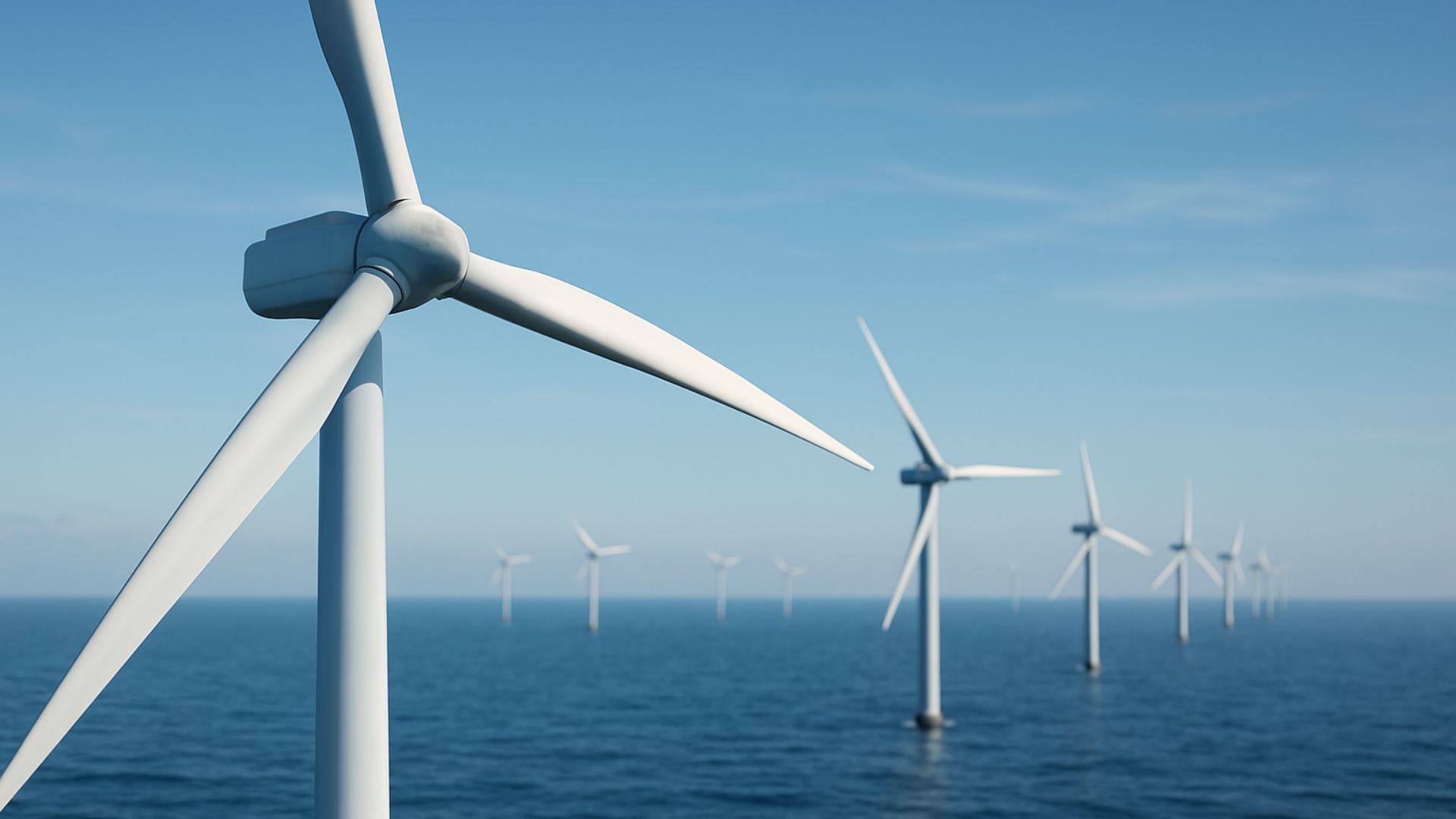
The Research by Senai in Partnership with Codern Advances in the Equatorial Margin and Indicates How Offshore Wind Energy Can Accelerate the Energy Transition and Drive New Investments in Brazil
The National Service for Industrial Training of Rio Grande do Norte (Senai-RN), the Senai Institute of Innovation in Renewable Energies (ISI-ER), and the Port Authority of Rio Grande do Norte (Codern) signed, on October 28, 2025, a technical and scientific cooperation agreement aimed at the expansion of offshore wind energy in the Equatorial Margin.
Equatorial Margin: New Frontier of Offshore Wind Energy
According to an article from the MegaWhat website, the announcement was made during Brazil WindPower, the main event in the sector in the country. The initiative could position Brazil as a leader in the global energy transition.
The focus is on the Equatorial Margin, a coastal region extending from Amapá to Rio Grande do Norte, with high potential for generating clean and renewable energy. The Equatorial Margin is considered one of the most promising areas for the development of offshore wind energy in the country.
-
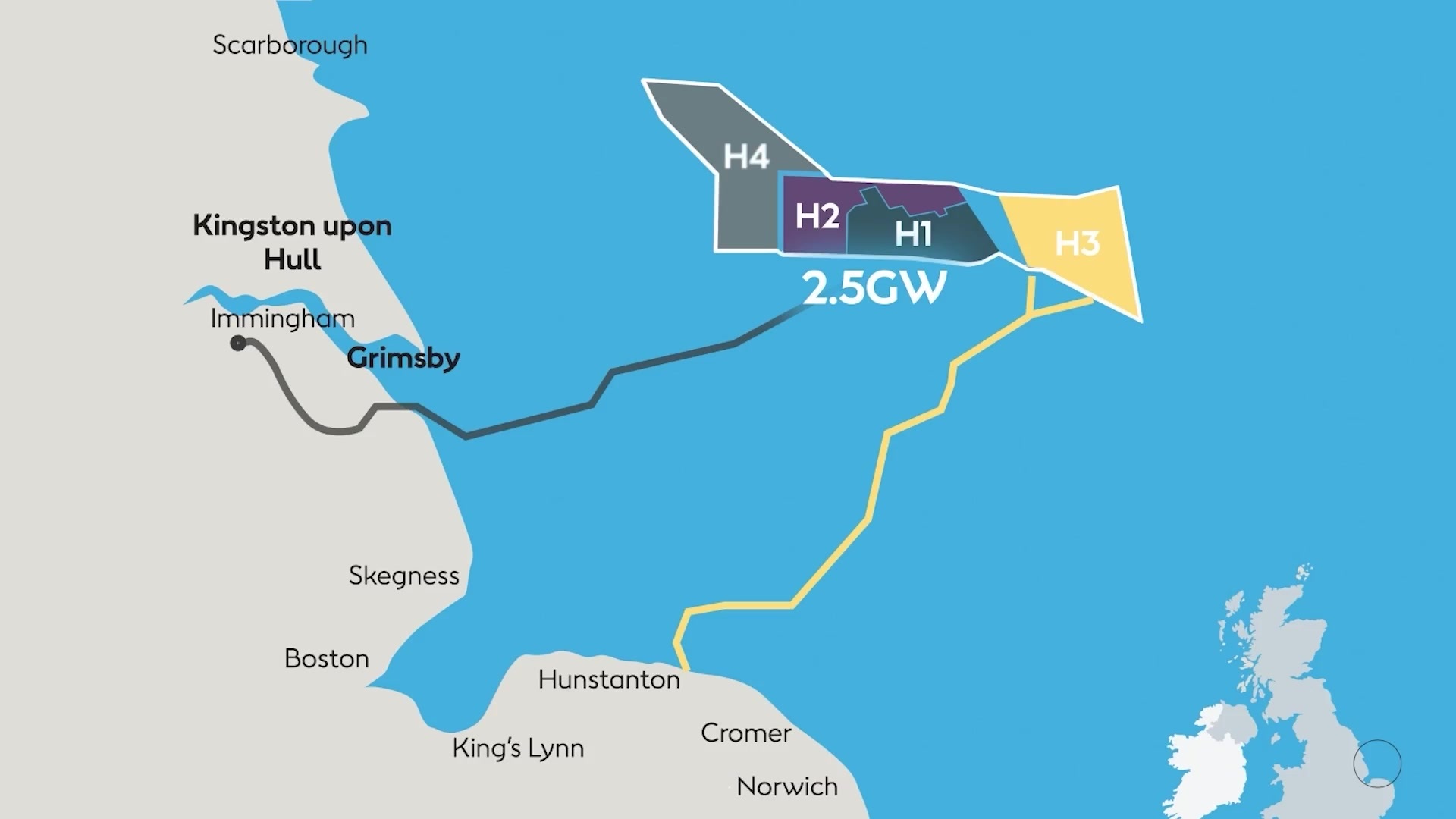
231 turbines of 260 meters at 160 km from the coast, monopiles weighing as much as nine blue whales embedded in the North Sea, and a crane ship taller than the Eiffel Tower: Hornsea 3 will be the largest offshore wind farm on the planet by 2027, and its first components have already arrived in England.
-
International Certification Puts Senai Norte on the Renewable Energy Map and Expands Access to Essential Training for Qualified Wind Power Professionals
-
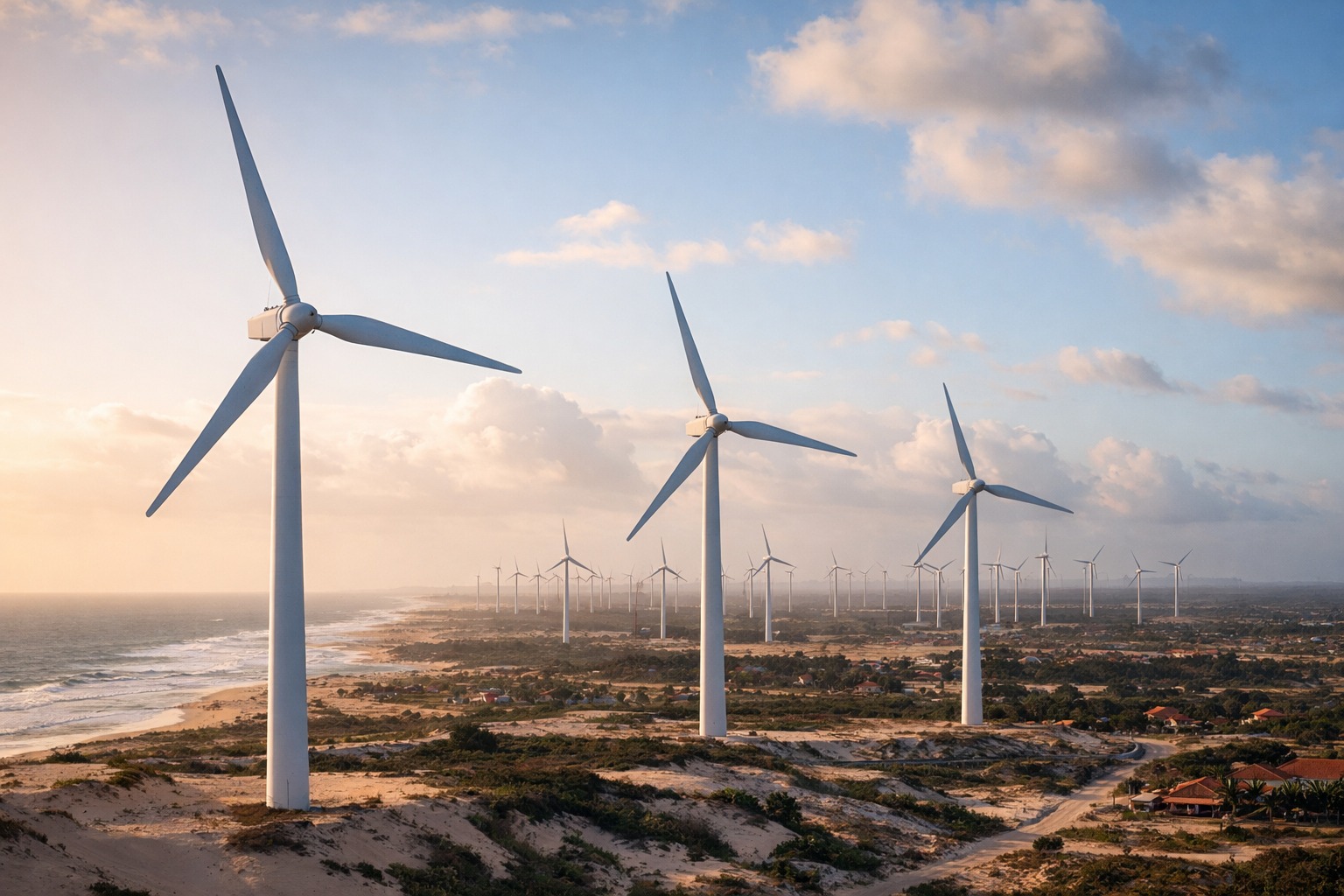
The Winds of the Northeast Are in Foreign Hands: Nearly 70% of the Region’s Wind Farms Are Owned by International Companies, with France, China, and Italy Leading Investments in Wind Energy in Brazil
-
Echoenergia’s Wind Farms Receive Diamond and Platinum Seals and Boost Carbon Credits with Projects that Prevent Large Volumes of Annual Emissions
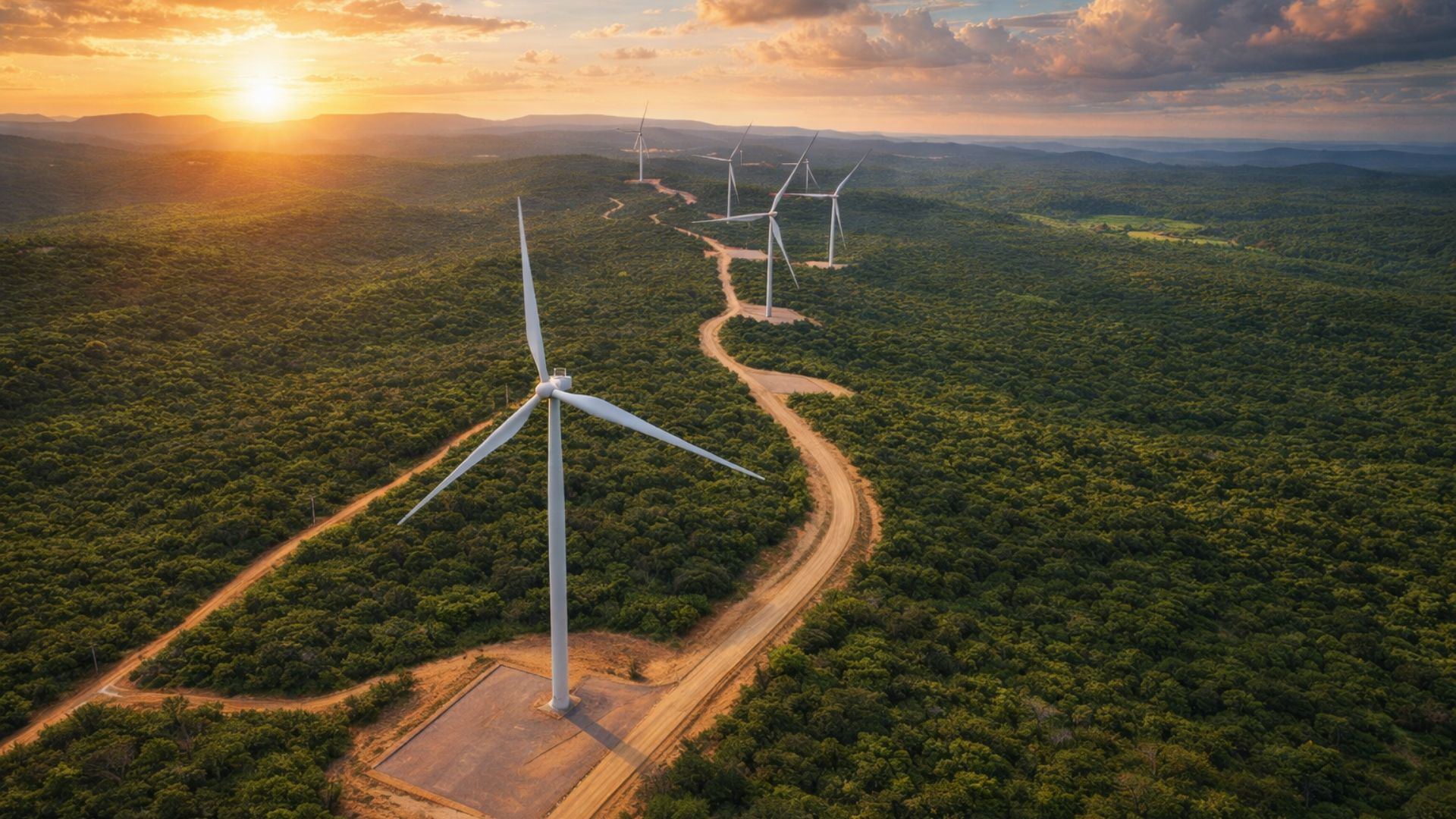

Studies by ISI-ER indicate that the region has consistent winds and ideal depths for installing turbines offshore. Additionally, proximity to urban centers and ports facilitates the logistics of transporting the generated energy.
According to mapping conducted by the Senai Institute, about 59.7 km of stretches along the coast of Rio Grande do Norte present viability for the installation of submarine cables and transmission lines.
This data reinforces the importance of the Equatorial Margin as a driver of sustainable growth and technological innovation. Offshore wind energy in the Equatorial Margin could become one of the main pillars of Brazil’s energy matrix.
Partnership Between Senai and Codern Accelerates the Energy Transition
Senai-RN, in partnership with the Senai Institute of Innovation in Renewable Energies (ISI-ER), is developing a structure dedicated to managing Brazil’s first offshore wind energy pilot project, already previously licensed by Ibama.
The goal is to create a technical and operational environment that allows for accelerated research on this energy source and promote the training of professionals and companies, strengthening the national production chain focused on this new industry. The area allocated for the project is located about 330 kilometers from Natal, and will be equipped with facilities geared towards training local communities and providing logistical support for the pilot project.
In the scope of Research, Development, and Innovation (R&D), the center will serve as a base for activities such as collecting anemometric and metoceanographic data, as well as developing technologies aimed at energy transmission in underwater environments.
The land grant will be made under a loan agreement, with an initial duration of 20 years. This initiative reinforces the role of Senai as a catalyst for the energy transition, promoting technical knowledge, professional qualification, and creating opportunities in one of the most promising regions of the Brazilian economy.
Offshore Wind Energy: Technical Potential and Structural Challenges
Offshore wind energy is one of the most promising sources for diversifying Brazil’s energy matrix. According to the Energy Research Company (EPE), Brazil’s technical potential for offshore wind generation exceeds 700 GW, which is more than five times the current installed capacity of all sources in the country.
However, the development of this technology requires robust investments in infrastructure, regulation, and training. The agreement between Senai and Codern arises as a response to these challenges, promoting synergy between the public sector, industry, and academia.
The Equatorial Margin stands out as a protagonist in this scenario, gathering natural and strategic conditions to lead the advancement of offshore wind energy in Brazil.
Economic and Environmental Impacts of Offshore Wind Energy
The transformation of the Equatorial Margin into a strategic hub for offshore wind energy could generate significant impacts on the Brazilian economy. It is estimated that offshore projects will involve billions in investments in the coming years, with direct effects on the production chain, job creation, and tax revenue.
From an environmental perspective, the replacement of fossil sources with renewables contributes to reducing greenhouse gas emissions and mitigating climate change.
Offshore wind energy, being clean and abundant, is a key player in the global energy transition. Brazil has the chance to become a world reference in renewable energy, combining innovation, sustainability, and social inclusion.
Technical Training and Innovation: Pillars of Sustainable Growth
Training qualified professionals is essential for the success of offshore projects. Senai, recognized for its excellence in technical education, leads training programs focused on the demands of the energy sector.
In addition, the Senai Institute of Innovation in Renewable Energies works in applied research, developing technological solutions to optimize the generation, transmission, and storage of offshore wind energy.
Codern, responsible for managing the Port of Natal, plays a strategic role in enabling the logistics of offshore wind energy projects. Port infrastructure is essential for transporting equipment, assembling turbines, and distributing the generated energy.
The agreement with Senai provides for the modernization of port facilities and the creation of a base for technical and operational support. This includes areas for storage, maintenance, and testing of offshore components.
The union between training and innovation strengthens Brazil’s competitiveness in the global clean energy market. Codern establishes itself as a facilitator of the energy transition, connecting technological innovation to efficient logistics.
Opportunities for Sustainable Growth in the Equatorial Margin
The Equatorial Margin combines unique characteristics that favor sustainable development. In addition to its energy potential, the region has rich biodiversity, traditional communities, and a vocation for economic activities such as fishing, tourism, and agriculture.
Offshore wind energy projects, when planned responsibly, can coexist with these activities, promoting social inclusion and environmental protection.
The involvement of local communities is essential to ensure that benefits are widely distributed. The Equatorial Margin can become an example of sustainable development, integrating clean energy, social justice, and environmental preservation.
Paths for the Future of Offshore Wind Energy in Brazil
The agreement signed between Senai-RN, Codern, and ISI-ER represents a milestone in Brazil’s energy trajectory. By transforming the Equatorial Margin into a strategic hub for offshore wind energy, the country takes a decisive step toward a sustainable energy transition.
The initiative combines technical potential, strategic vision, and socio-environmental commitment, creating real opportunities for economic growth and social inclusion. With investments in research, training, and infrastructure, Brazil positions itself as a leader in clean and renewable energy generation.
The Equatorial Margin, previously little explored, now becomes a symbol of innovation and hope for a fairer and more sustainable energy future.










-

Uma pessoa reagiu a isso.