





 English
  Francês
  Alemão
  Italiano
  Japonês
  Norueguês
  Portuguese
  Spanish
 3 min of reading


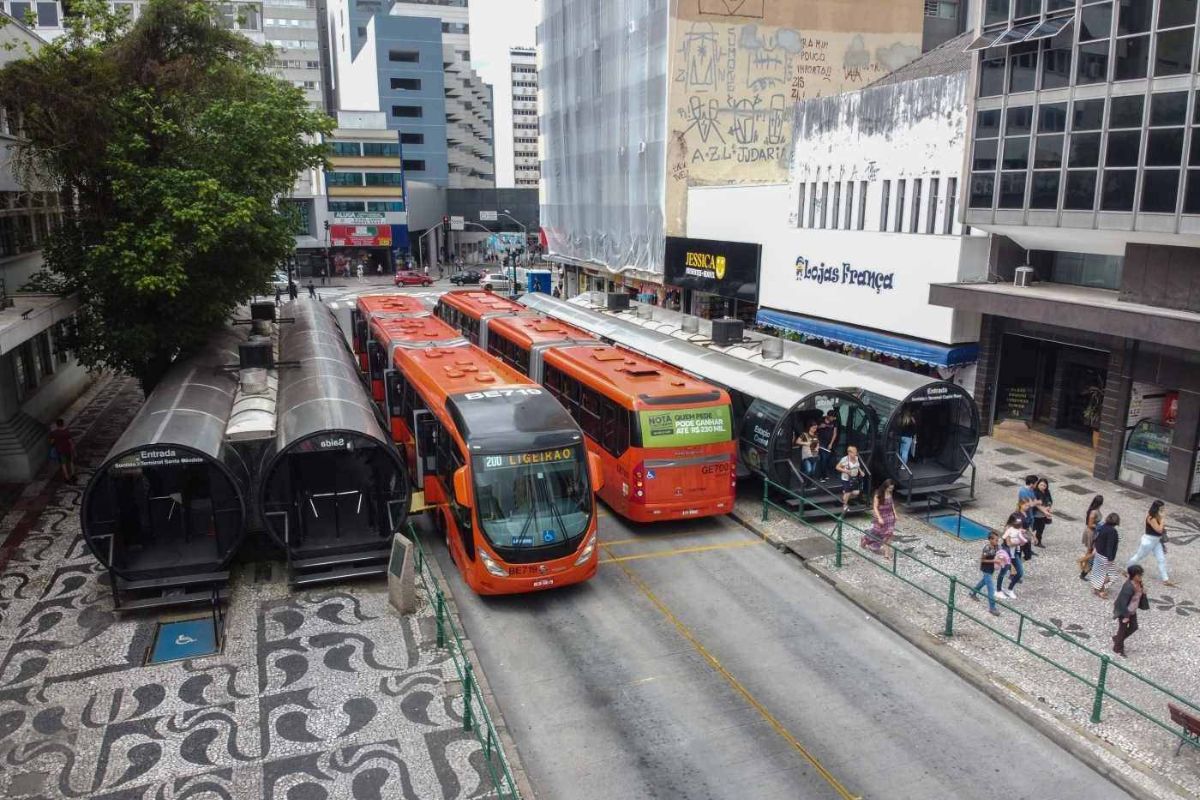
Federal University of Paraná (UFPR) Study Shows an Exponential Increase in People Using Public Transport in Recent Years
Surely you have thought that, with the increase in gasoline prices, people would switch cars for buses. Researchers from the Federal University of Paraná, in partnership with the Pontifical Catholic University of Paraná (PUC-PR), decided to prove this theory through a study in the city of Curitiba, using the bus rapid transit (BRT) system. Through some statistical analyses and mathematical models, they were able to demonstrate this shift in transportation among people, based on the model of the city studied.
The study results indicate that each time the price of gasoline rises by R$0.10, there is an increase of 5,000 BRT passengers circulating per month in the capital Curitiba. The study took into account variations in fuel prices, public transport fares, the number of passengers, and the volume of vehicles on the streets from January 2010 to December 2019. To learn more, read the article.
Learn More About the Shift from Cars to Public Transport Happening Across Brazil in the Video Below


Factors Such as Comfort, Travel Duration, and Safety Are Also Considered by People, Aside from Gasoline Prices Which Influence Consumer Behavior
As the study demonstrated, people consider other factors beyond fuel prices, such as comfort, travel duration, and safety when making decisions. However, researchers found that if fuel prices remain stable, people tend not to change their preferred mode of transport.
-
Chinese giant worth nearly R$ 4 billion that manufactures cables for electric cars, solar energy, and robotics wants to open a factory in SC.
-
Many employers do not know, but the law guarantees domestic workers a 25% increase in salary during trips, 50% for overtime, 20% for night shifts, and 17 additional benefits that can lead to labor lawsuits if not paid.

-
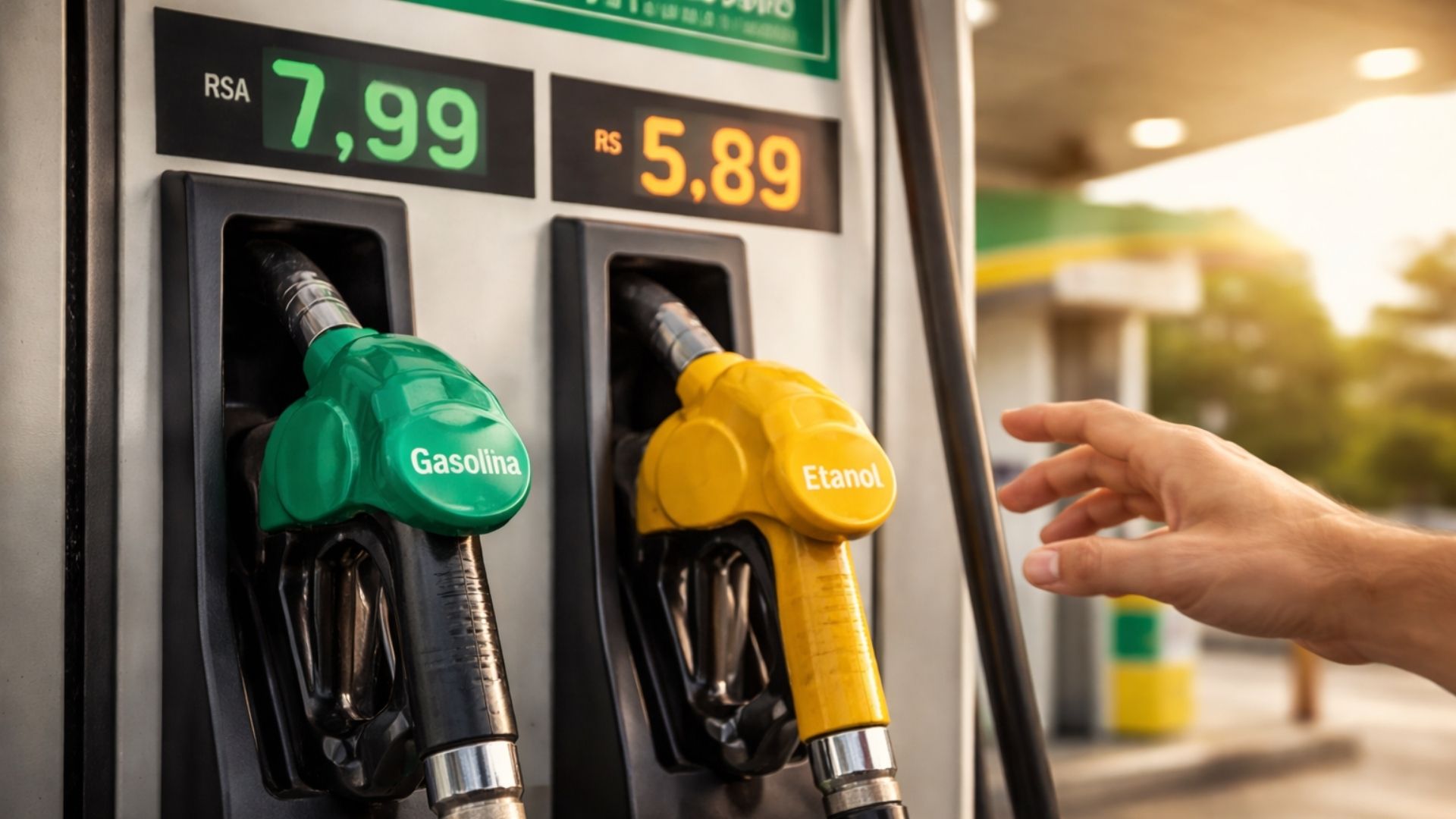
Gasoline prices soar and the question arises: is ethanol more advantageous? The 70% rule reveals the limit with gasoline.
-
The government has made a decision and is starting a test with more ethanol in gasoline, anticipating a mixture of up to 35%, diesel with 25% biodiesel, and a study to assess the impacts on engines.

According to the data, each car on the street is equivalent to 25 bus fares that go unsold. Interestingly, people who own cars do not sell them immediately with the rise in fuel prices; instead, they leave them in the garage and start using public transport. However, over time, when fuel prices drop, they return to using their own vehicle.
On the other hand, people who use motorcycles are unlikely to revert to using buses, given their superior mobility and low fuel consumption. This reflects the significant increase in motorcycle users in Curitiba.
This Research Will Help the Government Develop Better Strategic Management to Serve the Population
From this data, it will be possible to think of new strategies for the economic development of the Curitiba region and encourage other places in Brazil to do the same. Thus, better allocation of financial resources is achievable.
“The municipality needs to invest in public transport, in road infrastructure, and in traffic management to accommodate, for example, motorcycles. With a greater number of motorcycles on the streets, more accidents usually occur. In the case of public transport, the number of passengers is increasingly lower. And the service needs to be economically viable.”
Luis André Wernecke Fumagalli, one of the authors of the research, in an interview with Portal Agência Brasil (2022)
The researcher also points out that seeking to reduce the number of people on buses is not beneficial, while increasing the number of cars on the streets is not either. After all, in the first case, you have public transport that is not economically sustainable, and in the second, an increase in traffic jams.
The Proposed Gasoline Price Control Model by Curitiba May Be Ideal for Other Brazilian States
In the large capital of Paraná, Curitiba, the city hall established a successful model of compensation for the increase in fuel prices, especially related to public transport. Only in specific situations does the city hall pass some fare to users, and even then, it is very small compared to the actual cost.
However, some places in Brazil have already adopted this measure, but other capitals can still follow this model to avoid greater financial strain on public transport users. Nonetheless, according to the researcher, the big challenge remains finding a balance among cars, buses, motorcycles, bicycles, and any alternative means of transport to keep the ecosystem functional while fuel prices do not decrease.





Seja o primeiro a reagir!