





 Portuguese
  English
  Spanish
  3 min of reading
  0 comments



SC, RS, PR and MS Will Study Route of New Common Railroad. Southern and Central-Western States Are Articulating an Integrated Project to Expand the Railway Network and Discuss the Future of the South Network Concession.
Santa Catarina, Rio Grande do Sul, Paraná, and Mato Grosso do Sul have taken a joint step to evaluate the creation of a new railroad connecting the four states. The decision was made on Monday (18) in Curitiba during a meeting of the Interstate Commission for Railway Affairs, linked to Codesul.
The study should analyze the feasibility of a route that takes advantage of existing lines and anticipates the construction of new strategic branches. The initiative also includes negotiations with the federal government regarding the early renewal of the South Network concession, whose current contract expires in 2027.
Objective of the New Railroad
The proposal for a common railroad seeks to enhance logistical integration among the states, reduce transportation costs, and improve the flow of grains, meats, and industrialized products. Codesul will be responsible for conducting the technical analysis of the route, assessing connections already in operation, such as the branch between Mafra (SC) and São Francisco do Sul (SC), which currently carries soybeans and corn for export.
-
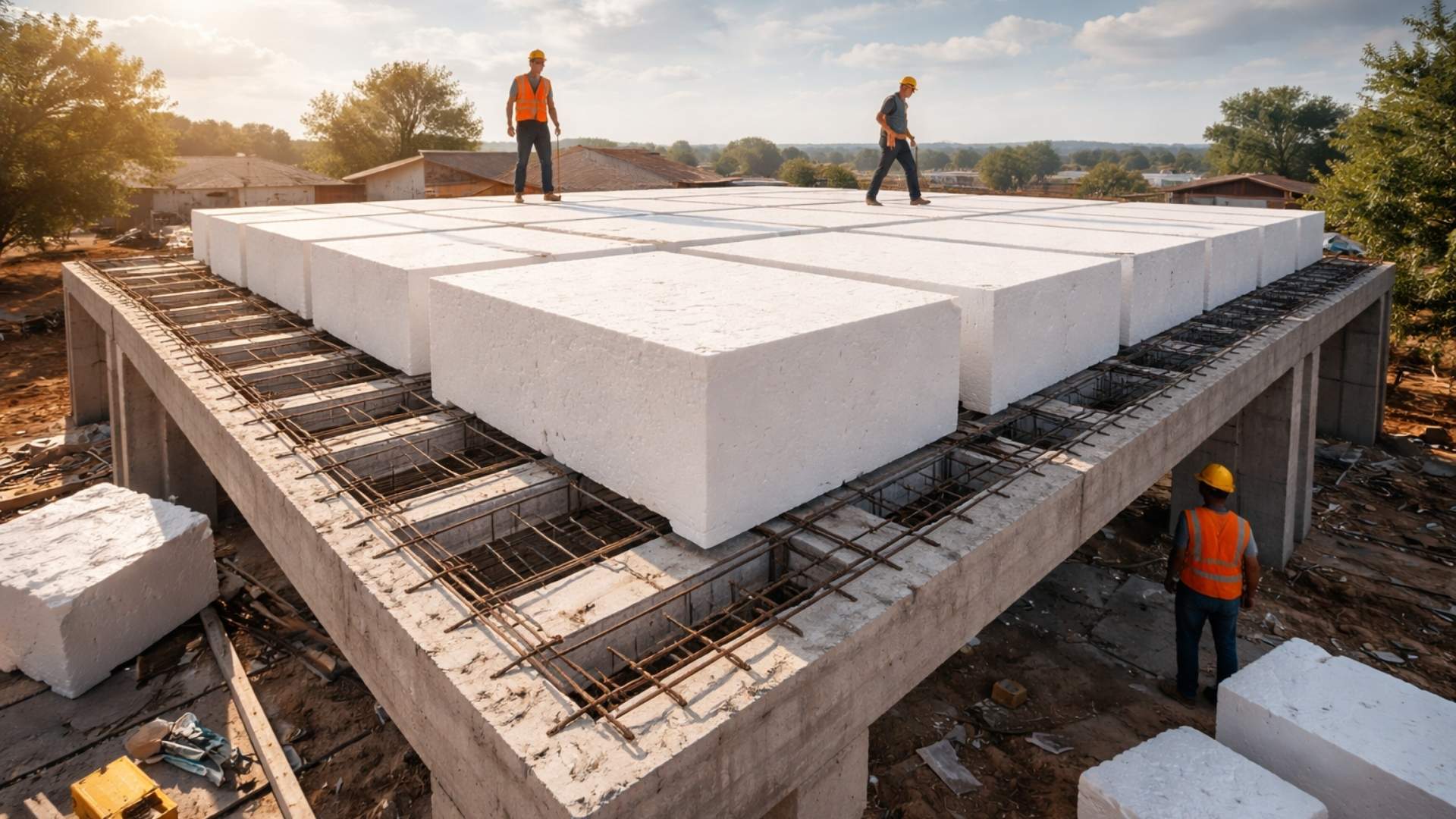
Forget concrete: architects are replacing tons of concrete with giant blocks of expanded polystyrene to build the roofs of houses and reduce structural weight by up to 50%, cut costs, improve thermal insulation, and speed up construction.
-
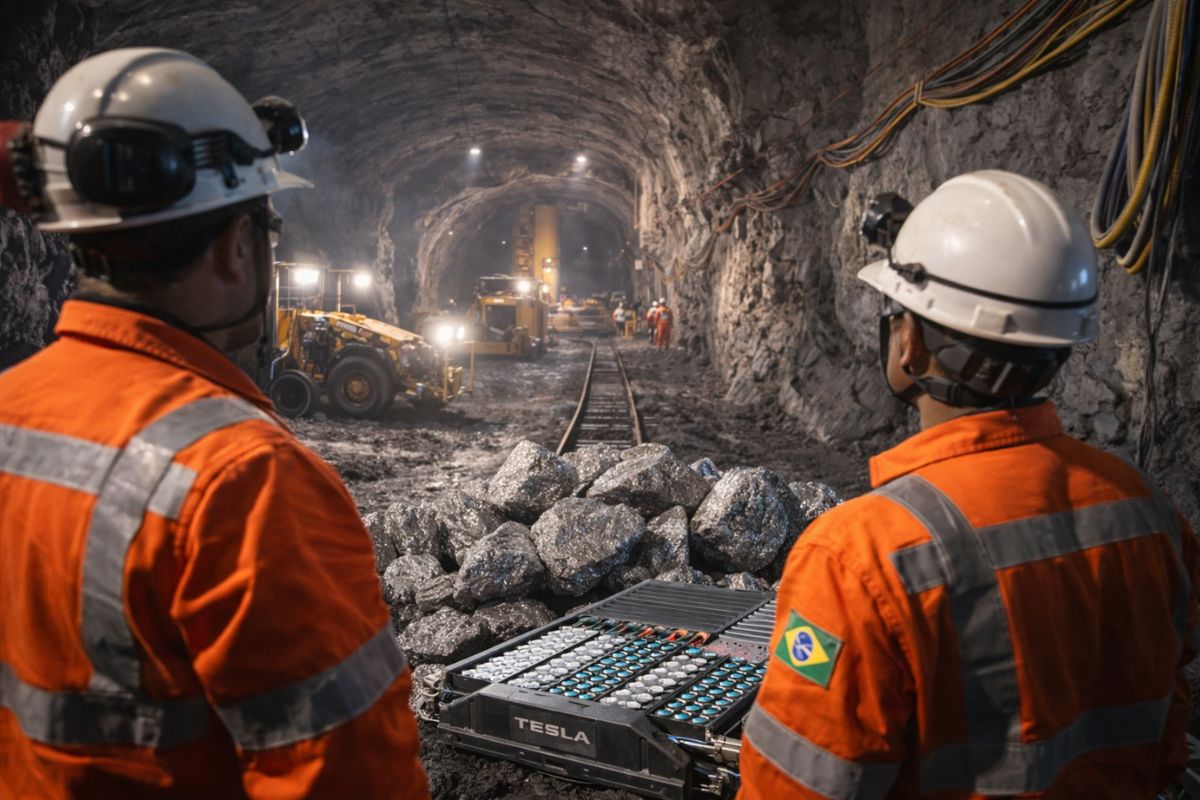
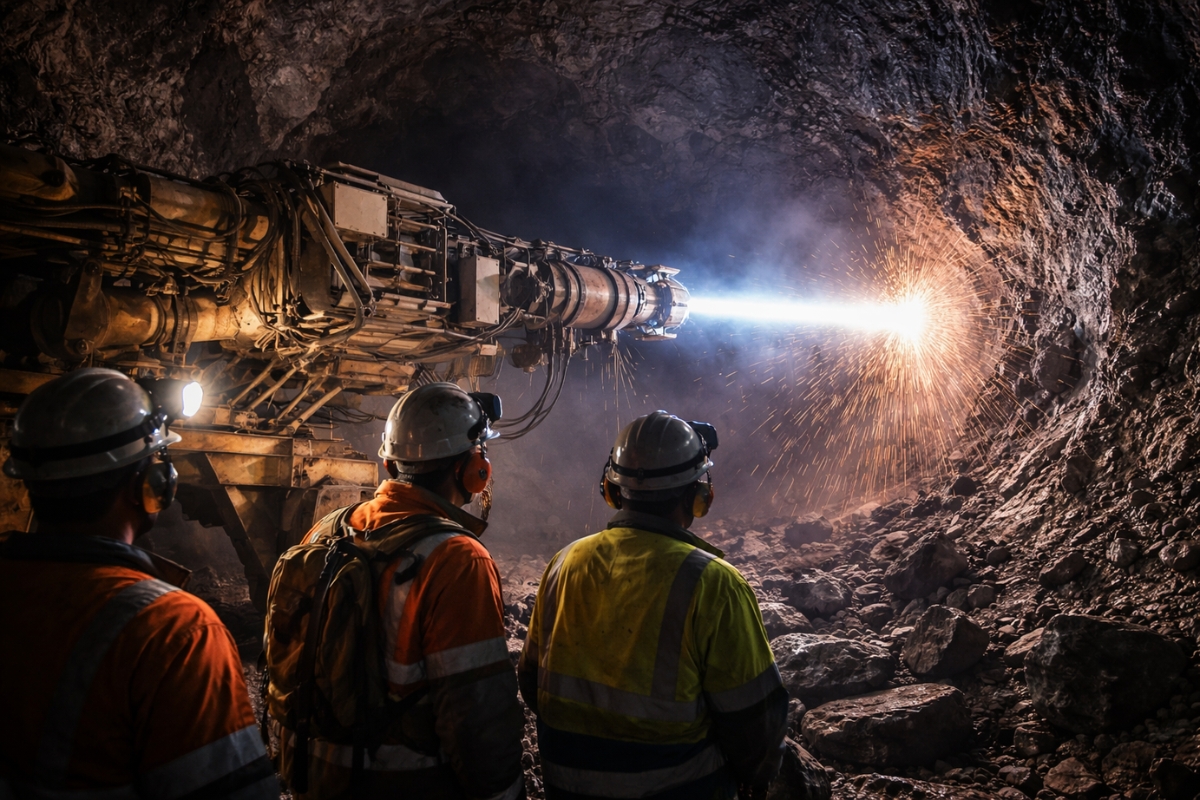
The Brazilian state enters the center of the global race for critical minerals by starting the construction of the largest underground nickel mine in Latin America, a mineral essential for electric car batteries that the entire world is competing for at this moment.
-
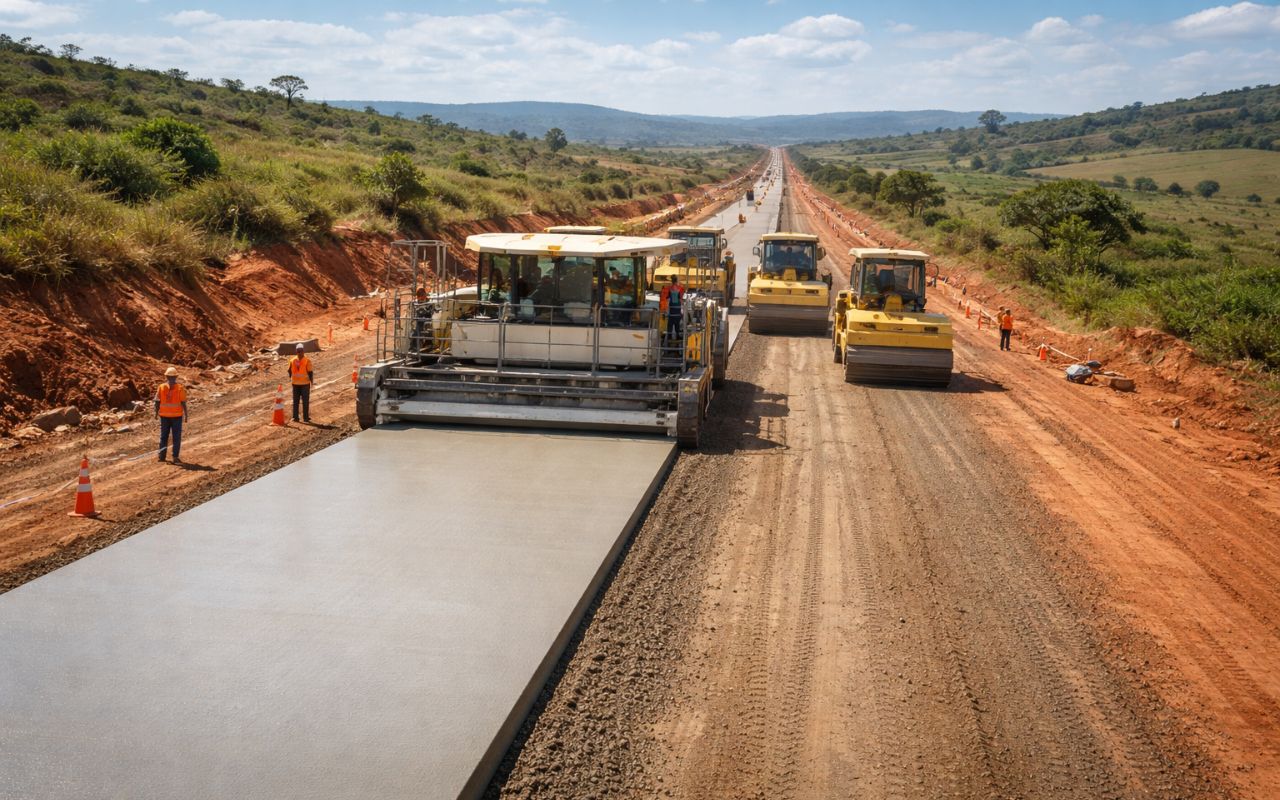
New CCR concrete paving technology promises roads up to 3x more durable, less maintenance, and cost reduction in Brazil.
-
Made from recycled plastic, plastic wood is gaining space in the construction industry because it does not rot, resists moisture, and reduces maintenance costs over the years.

According to state representatives, the project has the potential to generate greater international competitiveness for southern ports and increase the railway’s share in the Brazilian transport matrix, which is currently dominated by highways.
South Network in Debate
In addition to the new route, governors want to actively participate in the definition of the renewal of the South Network concession, currently operated by Rumo. The concession expires in 2027, but the Ministry of Transport, ANTT, and TCU are evaluating the possibility of early extension.
The states’ concern is to ensure that the modernization and investments required in the contract also cover regional branches, which often receive less attention from concessionaires. To address this, technical meetings will be held with DNIT and the National Secretariat of Railway Transportation.
Expected Regional Impact
In recent years, southern states have sought to expand their participation in defining railway policy. In Santa Catarina, for example, the last major work in the sector was the connection between Lages and Vacaria, in Rio Grande do Sul. The current articulation aims to prevent strategic decisions from being restricted solely to the federal sphere.
According to Beto Martins, Secretary of Ports, Airports, and Railways of SC, the union demonstrates political strength: “The states will show federal agencies that we are united around a solution for the South Network. We cannot remain sidelined in this discussion”, he stated.
Is It Worth Investing in This Integration?
The expectation is that a new railroad will bring logistical gains and reduce dependence on road transport, which is responsible for high costs and frequent bottlenecks. However, experts warn that studies will need to demonstrate economic returns to justify the investment, as well as consider environmental and land use issues.
There are no estimated costs for the project yet, but the possibility of including existing sections may reduce costs and accelerate the timeline. The final decision will depend on the technical analysis and the interest of private investors.
The articulation between SC, RS, PR, and MS shows that the railway issue has returned to the center of regional discussions. The project for an integrated new railroad could redefine the future of logistics in the South and Central-West, but it will depend on the states’ ability to influence the federal concession process and facilitate large-scale investments.
Do you believe that this union of states can really accelerate the construction of a new railroad? Or do you fear that the project will remain on paper, like others announced in the past? Leave your opinion in the comments — your view can enrich the debate.








Seja o primeiro a reagir!