





 Portuguese
  English
  Spanish
  4 min of reading
  0 comments


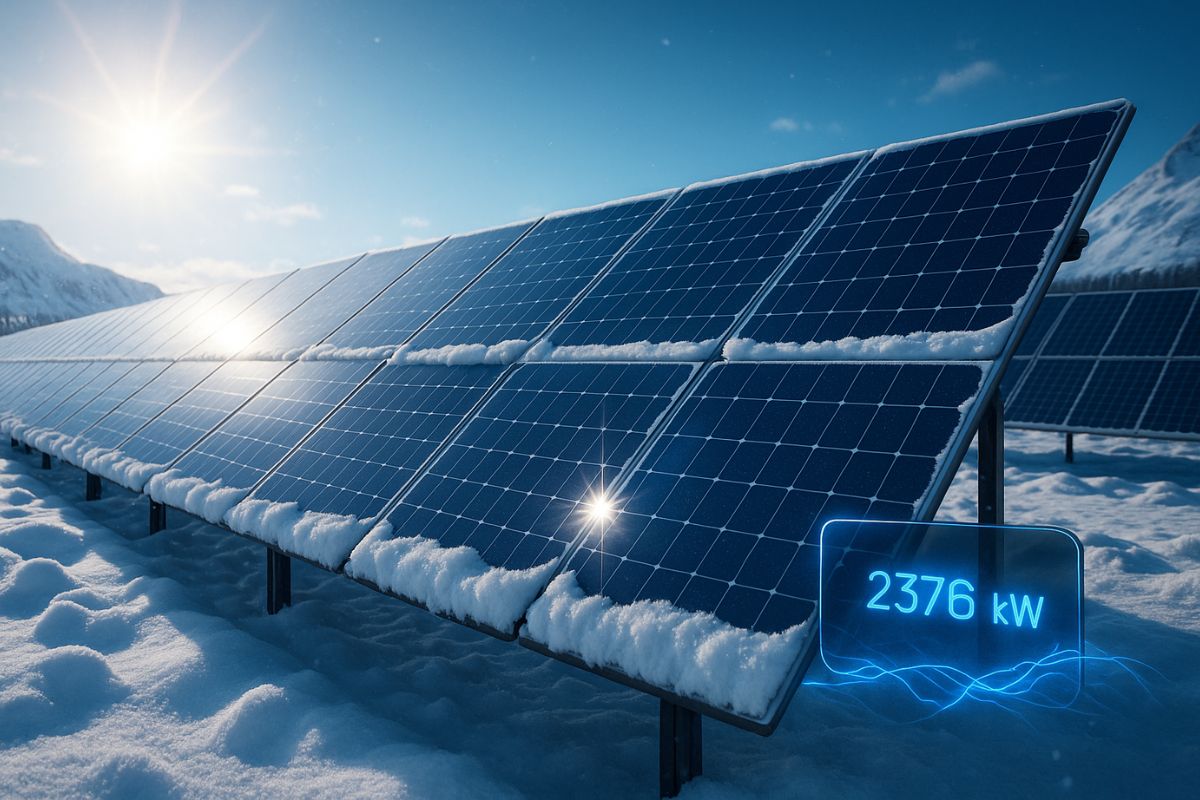
EnergySage Research Shows That Solar Panels Maintain Efficiency Even in Rigorously Cold Climates, Ensuring Economy and Sustainability in Cold Countries.
For many years, one of the most repeated arguments against solar energy was that solar panels would not work well in cold, cloudy, or snowy locations. The logic seemed simple: if solar radiation is lower in these regions, efficiency would drop to the point of making the technology unfeasible. However, a recent study by EnergySage, a platform specializing in clean energy, debunked this idea.
According to experts, solar panels work in all seasons, including in countries that face harsh winters. The research shows that, in addition to withstanding extreme temperatures, the equipment can maintain a sufficient production level to offset the investment, as long as they are installed correctly and within the right tilt conditions.
How Solar Panels React to Snow
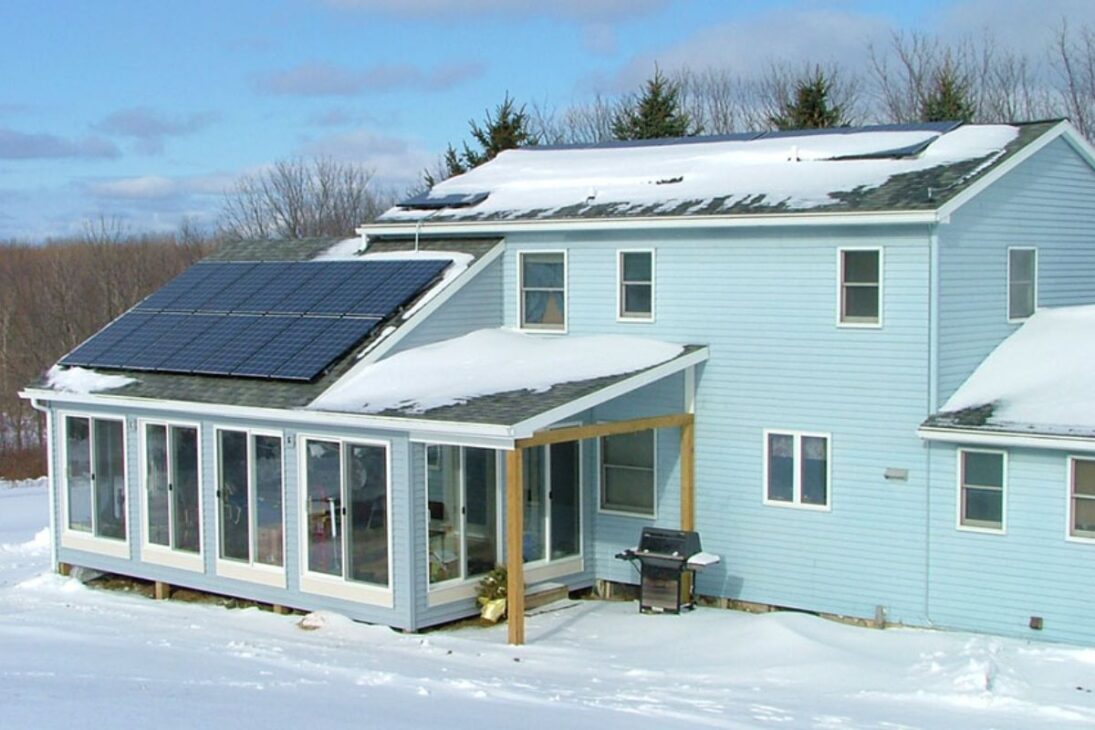
Thanks to the smooth surfaces and the tilt of the panel, most of the snow naturally slides off, allowing sunlight to reach the photovoltaic cells.
-
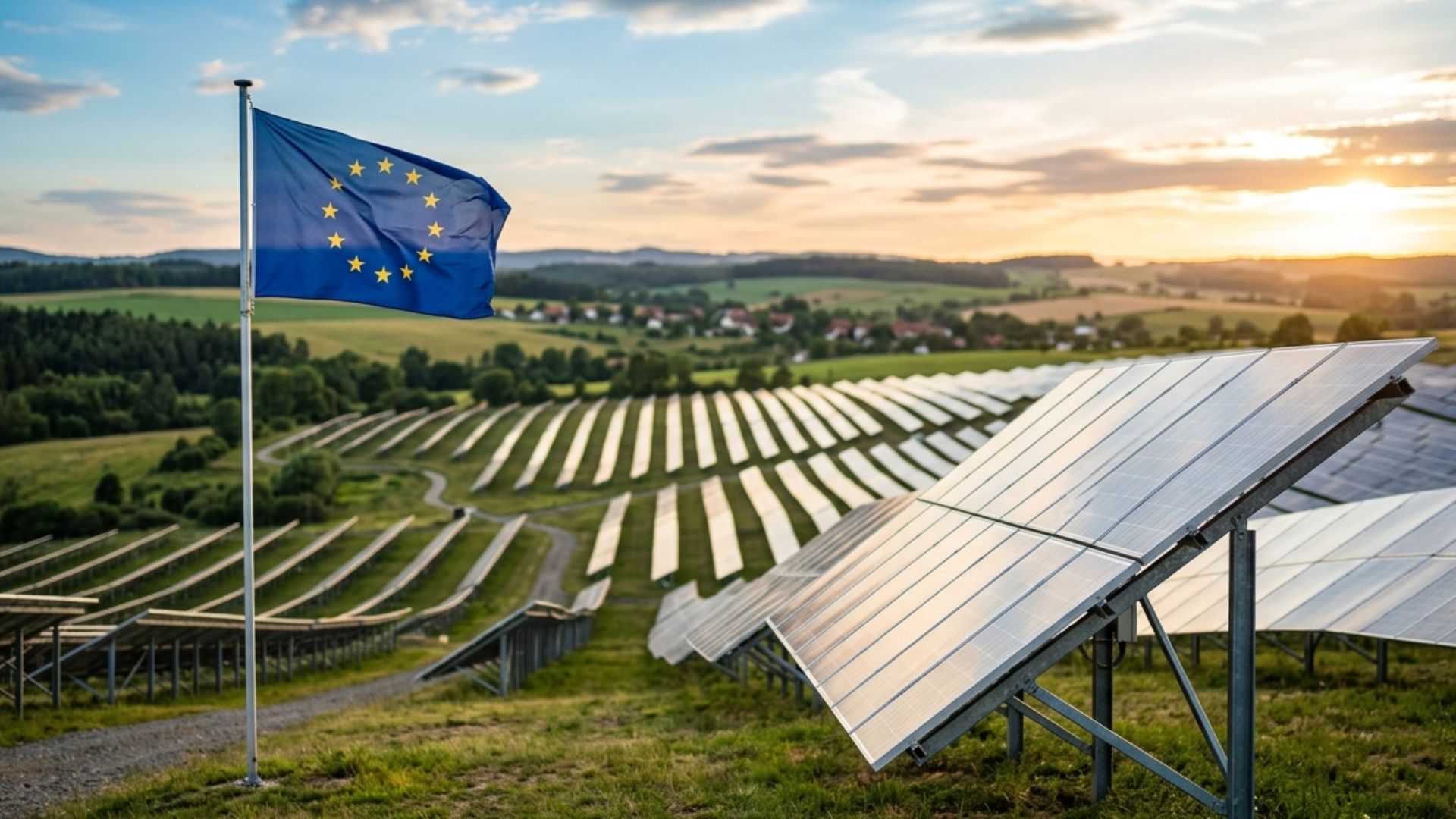
Europe records strong euro economy with solar energy in March and sparks curiosity about which country leads growth that redefines the energy market and reduces costs.
-
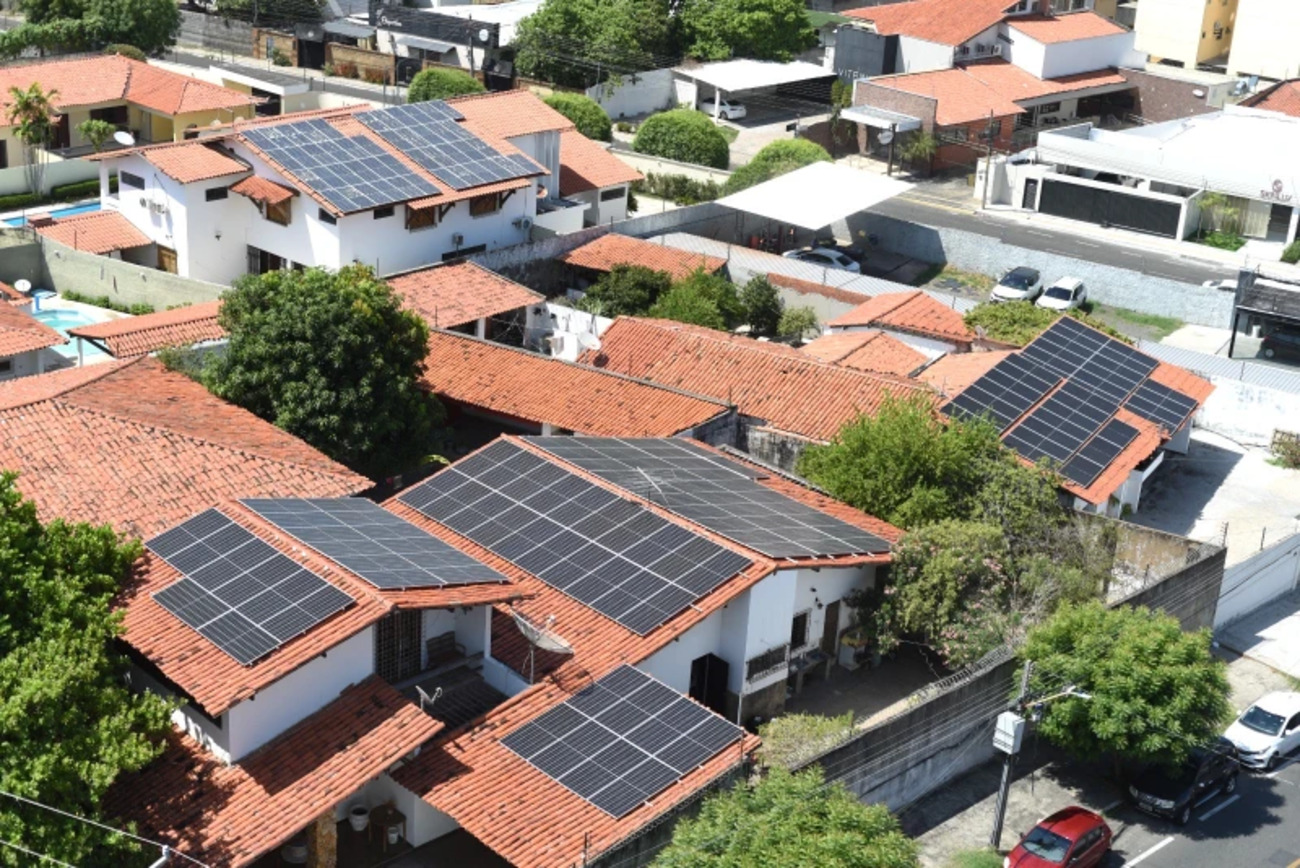
Piauí reaches a historic milestone in energy transition: State records nearly 160,000 households powered by solar energy and leads growth in the Northeast.
-
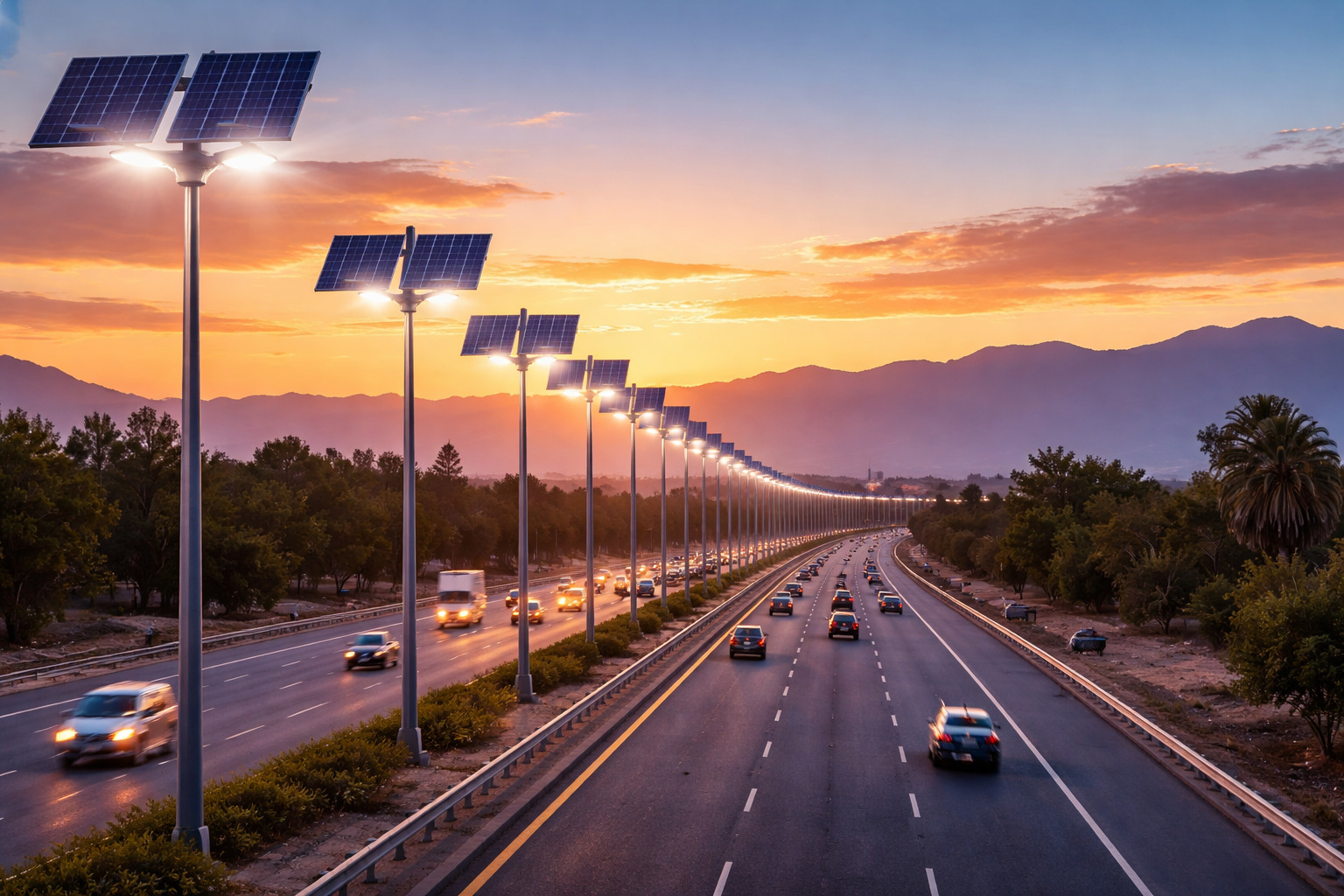
Argentina debuts its first 100% solar-powered highway and transforms an entire road into a showcase of clean energy.
-
Minas Gerais reaches a historic record and surpasses the power of Itaipu, but network costs generate debate: Understand why solar energy in MG impacts the electricity bill of those without panels.
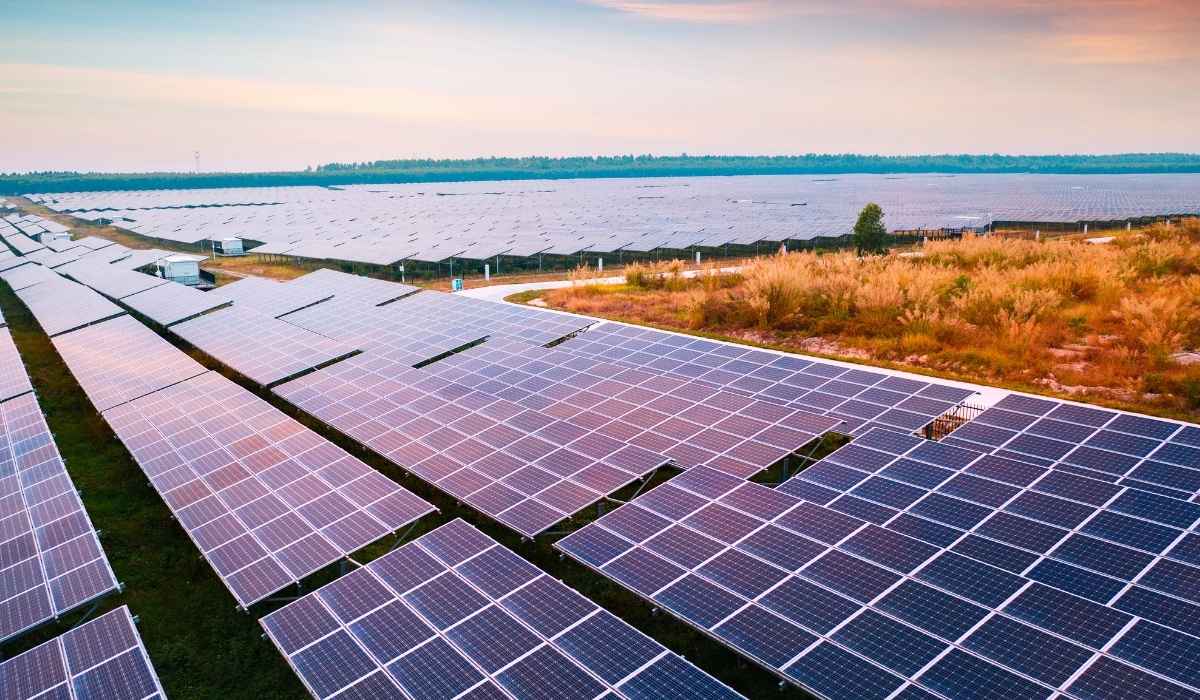

This means that users do not have to risk climbing on roofs to manually clean the modules, a dangerous practice that can damage the equipment.
In many cases, the winter wind and accumulated heat from the sun are enough to remove the layer of snow within a few hours or days.
Additionally, studies show that a thin layer of snow even helps to reflect more light onto the panels, momentarily increasing radiation absorption.
In practice, even the harsh winters of Europe, Canada, or the northern United States do not make the use of the technology unfeasible.
Energy Even on Cloudy Days
Another myth debunked is that solar panels do not work on cloudy days.
The truth is they continue to generate energy through diffused light, which passes through the clouds.
Although efficiency is reduced compared to sunny days, the system maintains a constant minimum output.
Users on digital communities, such as Reddit forums, report that even in areas with frequent snow, the long-term savings are noticeable.
This reinforces the understanding that solar energy is a viable and reliable solution in any climate.
Economy and Financial Incentives

From an economic standpoint, the data is even more encouraging.
EnergySage estimates that the average savings from installing a solar energy system can reach US$ 10,000 when considering subsidies and tax credits offered by governments.
The warning, however, is for the future: these incentives may be reduced in the coming years, as many countries are reviewing their renewable energy programs.
This means that the best time to invest is now, taking advantage of the available support and financing conditions.
Environmental Impacts of Solar Energy
More than just savings, solar energy has a direct impact on combating climate change.
Every home or business that adopts the technology reduces dependence on polluting sources, such as coal and natural gas, which are the main culprits of carbon dioxide emissions.
In practice, this substitution helps to curb ocean warming, glacier melting, and rising sea levels — environmental issues that are already affecting various regions of the planet.
Therefore, the expansion of solar energy is seen as one of the main global solutions to curb the climate crisis.
Resistance to Extreme Temperatures
Another little-known aspect is that solar panels are designed to withstand significant temperature variations.
Leading manufacturers guarantee that the equipment works under both intense heat and extreme cold.
What really affects the lifespan is not the temperature itself, but improper installation or lack of preventive maintenance.
Experts recommend that panels be installed on roofs with proper tilt, allowing ventilation and preventing the accumulation of excessive heat in the summer or snow in the winter.
Thus, the durability of the modules can exceed 25 years of continuous use.
The Future of Solar Energy
The combination of savings, sustainability, and reliability positions solar energy as one of the main global bets for the 21st century.
The myth that solar panels “would not work in cold countries” proves unsustainable against scientific evidence and practical reports from users worldwide.
The EnergySage study reinforces that solar panels are here to stay, and their adoption is likely to grow even in regions with harsh winters.
The technology adapts, remains efficient, and plays a central role in the global energy transition.
The advancement of solar energy proves that efficiency does not depend solely on full sunlight, but on technology and installation strategy.
Even under snow and intense cold, the panels continue to function, ensuring financial savings and environmental benefits.
And you, do you believe that solar energy can be a viable solution even in cold regions? Have you considered installing solar panels in your home or business? Share your opinion in the comments — we want to hear from those who experience this reality firsthand.








Seja o primeiro a reagir!