





 Portuguese
  English
  Spanish
  3 min of reading
  0 comments


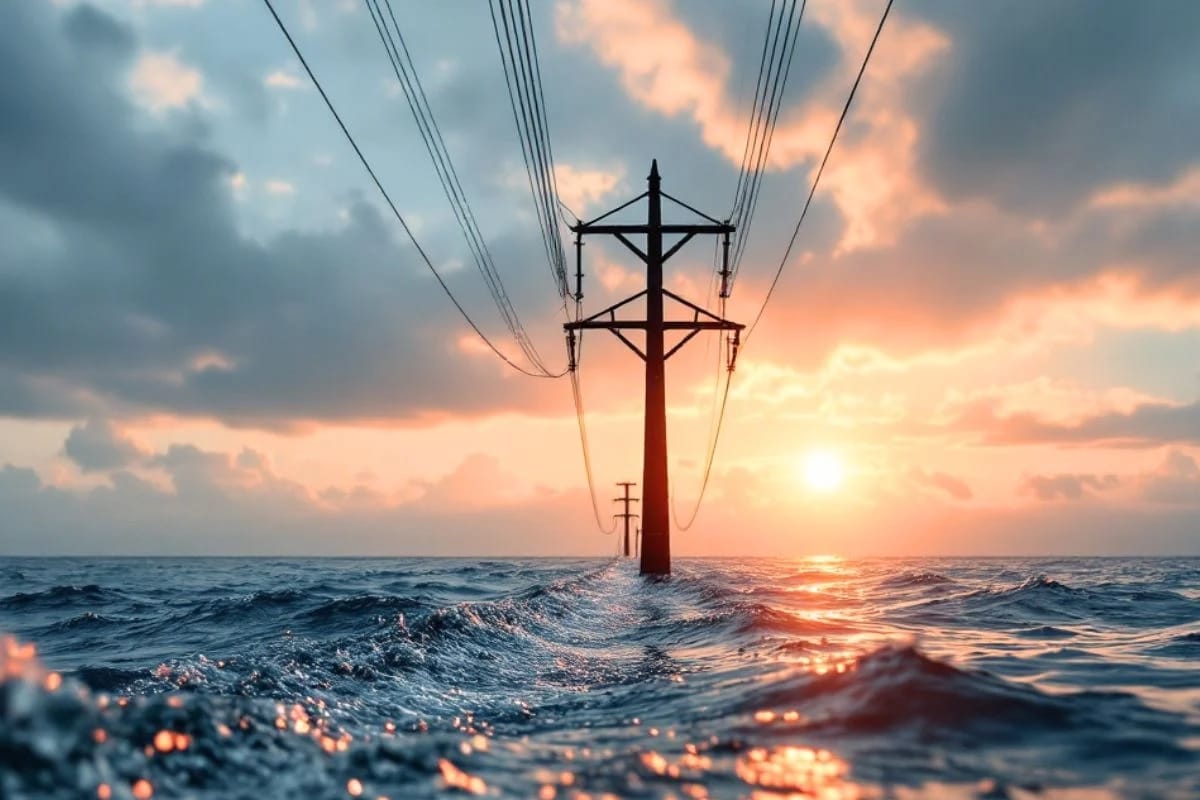
An Innovative Study Proposes the Construction of a Monumental Structure That Would Connect Europe and the United States, Eliminating Barriers to Renewable Energy Transmission
A study suggests that an innovative structure could transform the way Europe and North America manage renewable energy, eliminating one of the main challenges of the renewable sector: intermittency.
The main idea is to create a transatlantic power cable to connect the electrical grids of these two continents, ensuring a stable supply of electricity and driving the transition to a carbon-free energy matrix .
The Construction Would Be a Historic Leap in Energy Cooperation
According to a recent study by Ember, with a link available at the end of the text, the transatlantic interconnection could significantly increase energy reliability by leveraging the climatic differences between the two continents.
-
A Canadian retiree creates a hydroelectric system on a real river, generating energy continuously throughout the day and demonstrating how the power of water can supply a house with stability even in a simple structure.

-
Petrobras reaffirms its commitment to the market and ensures that it will carry out the energy transition safely to maintain national sovereignty.

-
Researchers discover a possible hydrogen deposit of up to 46 million tons beneath an ancient coal basin, and the volume could exceed half of the entire global production.

-
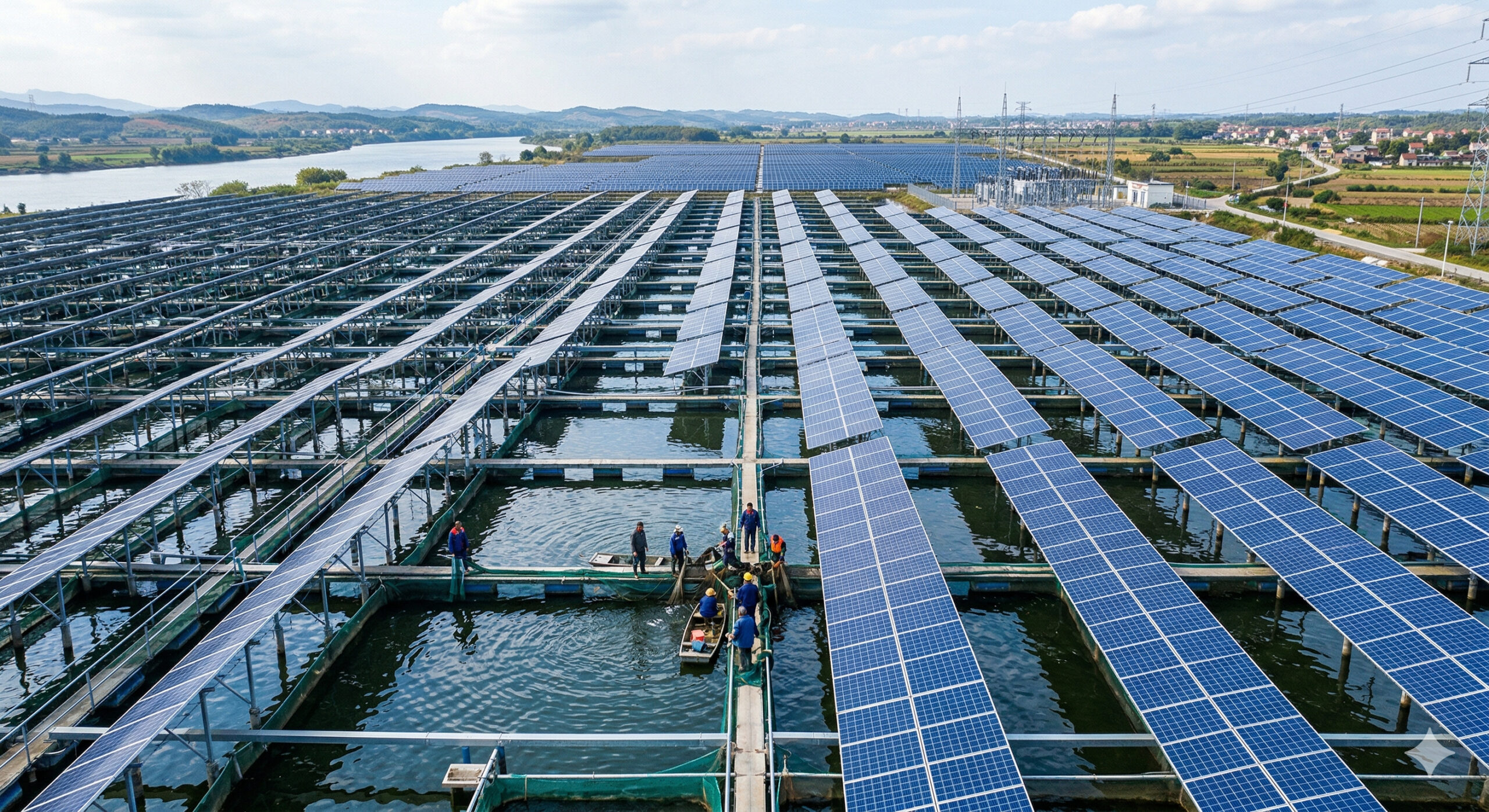
China bets on the Fishery-PV model and transforms fish farms into giant solar plants, covering ponds with panels that generate energy while utilizing the same space for large-scale aquaculture production.

The logic is simple: when solar or wind energy production decreases in one region, the other can compensate, ensuring a more stable and resilient electrical grid.
This project harkens back to the historic feat of Charles Tilston Bright, the engineer responsible for creating the first transatlantic telegraph cable in the 19th century.
This time, however, the proposal is to transport electricity on a large scale, providing real-time energy exchange between continents.
Solving the Biggest Weakness of Renewable Energy
One of the main challenges of renewable energy is its intermittency. Electricity generation from wind and solar varies with weather conditions and the seasons.
In France, for example, wind energy production can fluctuate from 46.7 GW to just 0.4 GW. Solar energy also shows fluctuations, ranging between 1.3 GW and 33.6 GW throughout the year.
In January 2019, the combination of solar and wind energy in the country provided only 0.65 GW, representing 1% of the national demand.
With the interconnection between Europe and North America, these fluctuations could be minimized. The sharing of electricity would allow for a more stable and reliable supply, reducing dependence on fossil fuels as backup energy sources.
Strengthening Energy Security and Efficiency
In addition to improving efficiency, the transatlantic cable also represents a significant advance in energy security.
By connecting two of the world’s largest economies, it could serve as a buffer against energy crises, market fluctuations, and geopolitical instability. Practically, this would mean:
- Lower energy costs for consumers, thanks to optimized supply and demand;
- Reduction of dependence on fossil fuels to cover energy shortfalls;
- A more resilient electrical grid in the face of natural disasters or political tensions.
Transforming Global Energy Markets
In addition to stabilizing supply, this project could also boost investments in renewable energy.
With the transatlantic interconnection, the surplus hydropower and wind energy from North America could be directed to the European market, while Europe’s offshore solar and wind energy could help meet North American demand.
Regions like Québec in Canada could significantly benefit from this project. The area is one of the largest hydropower producers in the world and could leverage this connection to access a highly demanding European market.
A Necessary Step for the Future
With the growing global demand for electricity, driven by the expansion of electric vehicles, heating systems, data centers, and industrial electrification, it becomes increasingly essential to ensure a stable and efficient energy grid.
Analysts from Ember emphasize that, in the coming decades, most of the increased energy demand will need to be met with carbon-free sources. The transatlantic interconnection thus emerges as a strategic solution to ensure this transition.
If realized, this monumental project could redefine the future of renewable energy, proving that international cooperation is essential for a cleaner and more sustainable electrical grid.
Study available at Ember.






Seja o primeiro a reagir!