





 English
  Francês
  Alemão
  Italiano
  Japonês
  Norueguês
  Portuguese
  Spanish
  4 min of reading


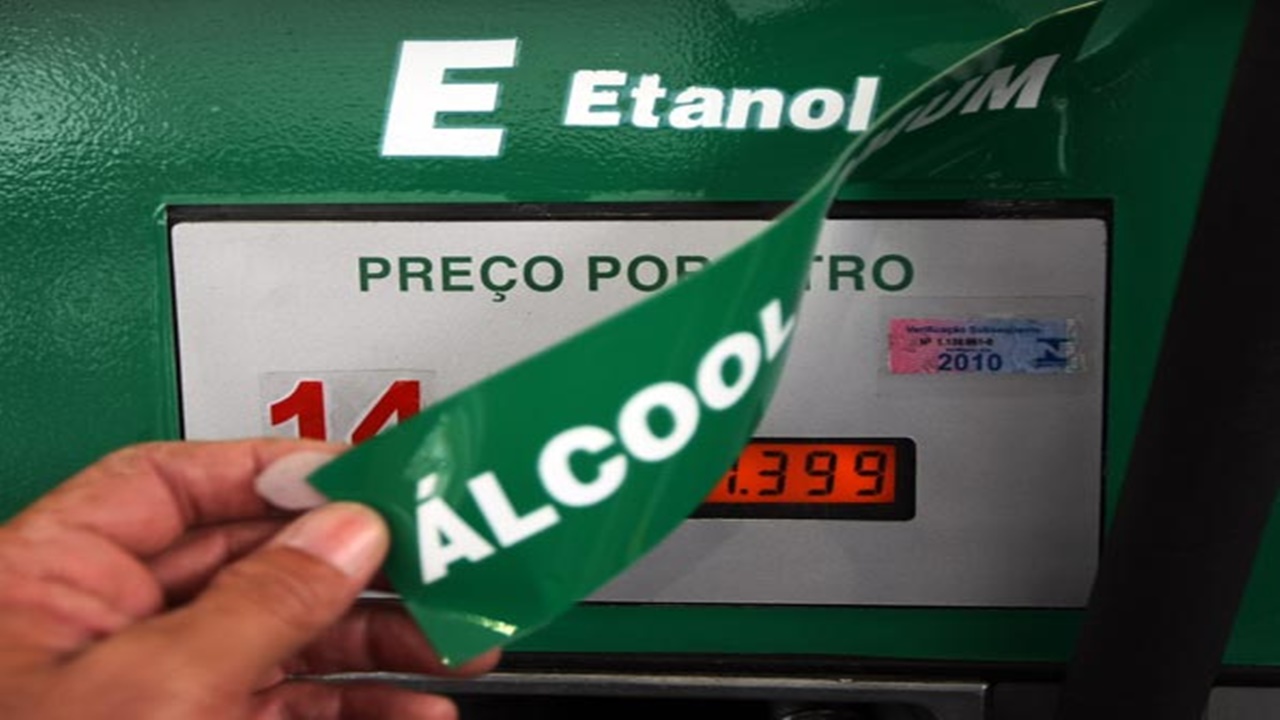
According to specialists, anhydrous ethanol does not increase gasoline prices. The price of oil in the international market is the main villain for the surge in fuel prices and the consumer pays the bill
According to the National Agency of Petroleum (ANP), the average price of gasoline has risen for the 8th consecutive week in Brazil. The constant increases in fuel prices have led to frequent complaints from consumers, who are having to bear the spikes in gasoline prices. According to a survey released earlier this week by the ANP, the average price of regular gasoline in Paraíba is R$ 5.943, but some pay over R$ 7 in other Brazilian regions!
Law Also
- Despite the crisis, the automotive sector remains strongly heated
- Company listed as one of the fastest growing in the Americas opens selection process for remote or hybrid job vacancies in Rio de Janeiro
- Offshore contracts in Brazil from the oil and gas multinational GranIHC demand today (30/09) many job vacancies for elementary, high school, and technical education
- Truck drivers threaten a strike and may stop at any moment against the new diesel increase and the fuel prices charged by Petrobras
Government Has No Interest in Reducing the Ethanol Blend in Gasoline
The federal government has no concrete project aimed at reducing the blend of ethanol in gasoline, inform sources from the Ministry of Mines and Energy and the National Agency of Petroleum, Natural Gas, and Biofuels (ANP).
With the rising inflation scenario, the Alcohol Industry Union in the State of Paraíba (Sindalcool-PB) emphasizes that anhydrous ethanol, which is added to gasoline in a proportion of 27%, allows better use of oil in gasoline production by refineries by raising the octane rating.
-
Brazilian giant expands borders in the Southeast: Petrobras confirms new oil discovery in ultra-deep waters in the pre-salt of the Campos Basin.

-
Alert in the global energy market: Severe tropical cyclone hits the coast and disrupts gas production at major plants in Australia, threatening global supply.

-
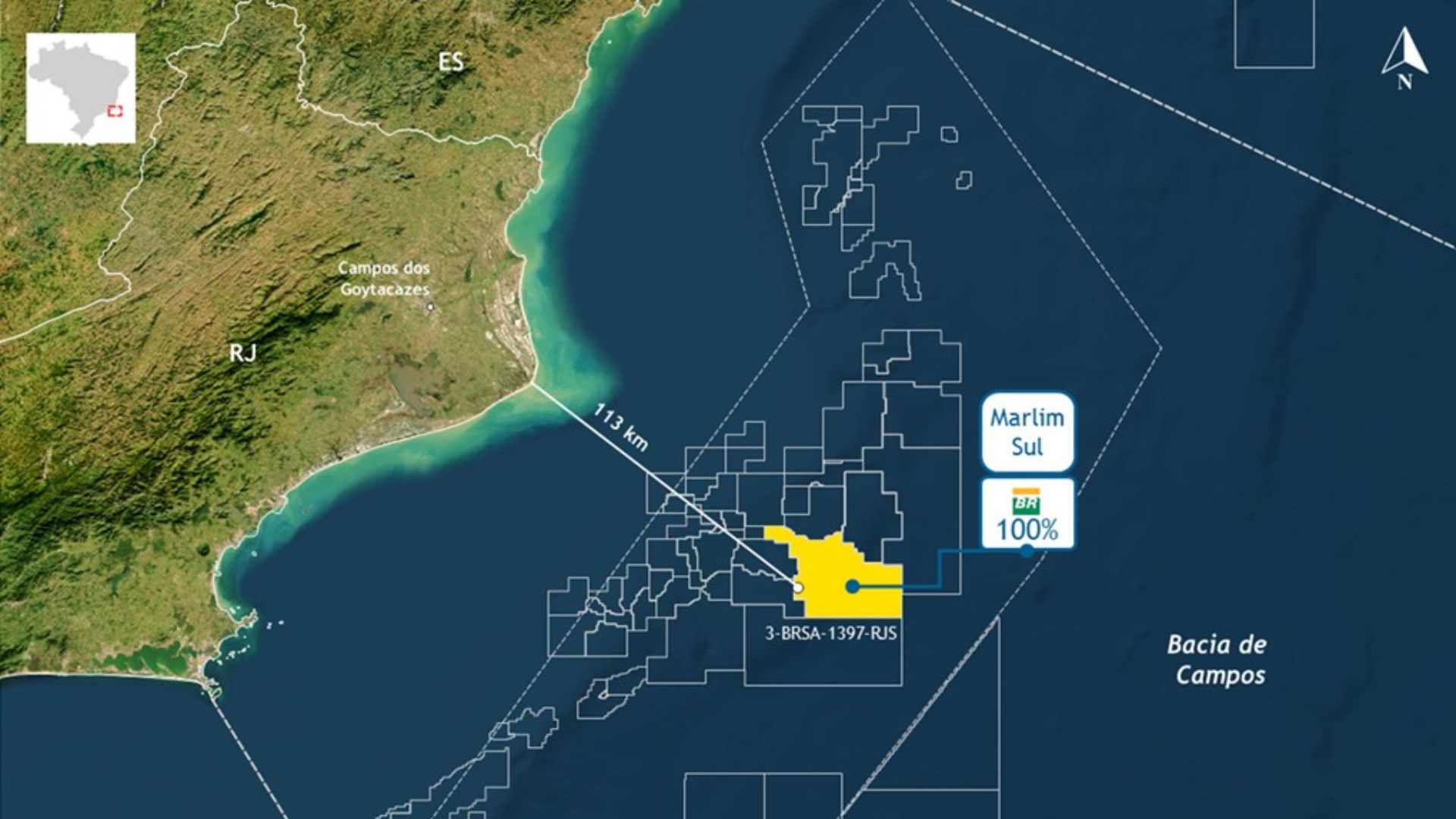
Petrobras finds high-quality oil in the pre-salt at 113 km from RJ and reignites expectations about strategic reserves in the Campos Basin.

-
Ocyan opens registrations for startups focused on innovation in the oil and gas sector and will select projects for Innovation Day with the support of Nexio.


The price of oil in the international market is responsible for increasing fuel prices, as suggested by President Jair Bolsonaro in a live stream that took place on September 23 on social media.
The Sindalcool-PB also emphasizes that a possible percentage reduction in anhydrous ethanol in gasoline would have little or no impact on the final price reduction of this fuel at the pumps. For this reason, it will not be adopted as it would lead to greater unemployment.
Taxes, Distributor and Reseller Margins at Gas Stations, and Logistics Costs Influence the Final Cost of Fuel
In the final composition of the average price of gasoline C, in addition to anhydrous ethanol, there are other costs such as taxes, distributor and reseller margins at gas stations, and logistics costs. In Paraíba, the state receives R$1.7353 for every liter of gasoline supplied. For ethanol, the Government of Paraíba collects R$1.2467 for each liter consumed.
According to consultant Geraldo Lucena, with the Brent oil barrel hitting $80.00, there is no other option but to adjust fuel prices. “Diesel already shows a shortfall of R$ 0.4250 and gasoline now R$ 0.2250,” said Lucena.
The president of Sindalcool-PB, Edmundo Barbosa, highlighted the contribution of anhydrous ethanol to gasoline. “Ethanol contributes to reducing the final price of gasoline to the consumer. The plants in Paraíba and the Northeast are operating at full capacity for maximum ethanol production to supply the market and are also committed to the success of the Federal Government’s positive agenda. The companies encourage the fight against tax evasion and all forms of unfair competition that may cause losses to states and consumers,” said the leader.
The projection for the 2020/2021 harvest indicates that ethanol plants in Paraíba increased the production of anhydrous ethanol by 16% compared to previous harvests, demonstrating the commitment and responsibility of these companies towards national supply.
Consulting Firm Points Out How Reduction of Anhydrous Ethanol Percentage Does Not Reflect on Gasoline Price
Data released in the report “What Would Be the Impact on Gasoline Prices to Consumers if There Were a Reduction in the Blend of Anhydrous Ethanol in Gasoline in Brazil?”, prepared by the agricultural consulting firm (DATAGRO), and released on September 28, shows how the reduction of anhydrous ethanol would be minimal in the state of São Paulo.
In this example, if the reduction from the mix of 27% to 18% were made today, the average price of gasoline C to consumers in São Paulo would drop only 0.6% at the pump, from R$ 5.775/liter to R$ 5.742/liter.
The consulting firm also points out that, “on average, a 1 percentage point reduction in the blend could imply a drop of 32 million liters in the demand for anhydrous ethanol per month, a volume that would basically be replaced by gasoline imports.” The result would be an additional cost to the country of US$ 157.27 million per month for gasoline imports.
Addition of Anhydrous Ethanol to Gasoline Preserves Health and the Environment
Brazil leads in reducing emissions in transportation through the RenovaBio program implemented in 2020 to increase investments and reduce the price of ethanol to consumers. Another key point regarding the importance of anhydrous ethanol added to gasoline is the benefits that this blend represents. Thanks to ethanol, Brazil became the pioneer in eliminating tetraethyl lead, used to raise octane, but considered poisonous and causing serious health damage, such as lead poisoning and brain contamination in children.
Anhydrous ethanol also replaces cancer-causing aromatic chemical compounds in gasoline, such as toluene. Additionally, ethanol does not generate particulate matter emissions, a pollutant element that is also very harmful to human health.






Seja o primeiro a reagir!