





 Portuguese
  English
  Spanish
  3 min of reading


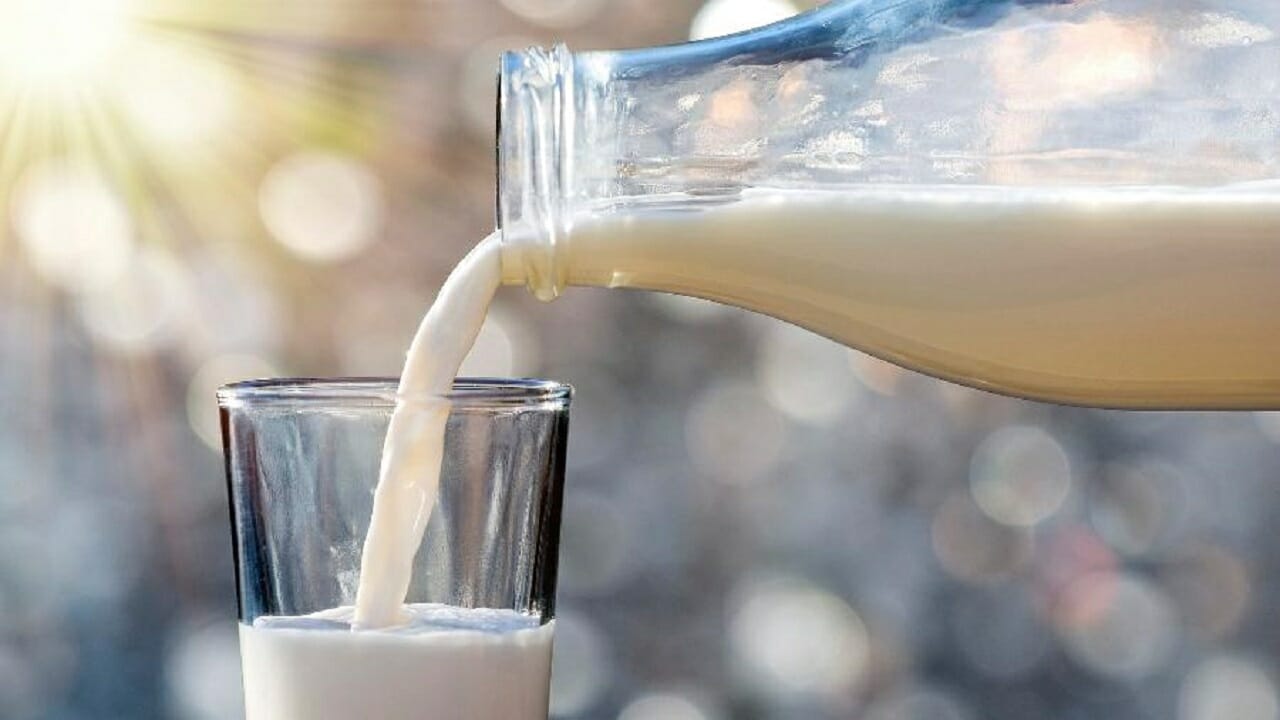
Canadian Company Discovers Method To Produce Clean Fuel And Invests Millions Of Dollars In Ethanol Production From Milk.
Milk producers in the state of Michigan, in the United States of America, are forming a unique new partnership with Dairy Distiller, a distillery located in Ontario, Canada. The company, which produces Vodkow, a vodka developed from milk, is undertaking a project that transforms dairy byproducts into clean fuel. In this process, the sugars from milk permeate, a product generated during the ultrafiltration phase, are turned into ethanol.
Ethanol From Milk Receives Million-Dollar Investments
The company, which until now only used ethanol in vodka production, plans to expand its activities and begin supplying vehicles in the United States with clean fuel in the coming years.
To make this possible, the partner companies are investing approximately US$ 41 million, the equivalent to R$ 200 million in direct conversion, in a new ethanol production facility from milk, which will be inaugurated in 2025.
-
Petrobras reaffirms its commitment to the market and ensures that it will carry out the energy transition safely to maintain national sovereignty.

-
Researchers discover a possible hydrogen deposit of up to 46 million tons beneath an ancient coal basin, and the volume could exceed half of the entire global production.

-
While the world looks at oil, the war with Iran is already disrupting helium supply from Qatar, affecting car and iPhone chips, threatening AI expansion, and putting pressure on aluminum packaging at the highest value in four years.

-
Global warming will expose a treasure hidden under the ice of Antarctica and may spark an international dispute over gold and valuable minerals.




The facility will be built near a Michigan Milk Producers Association (MMPA) unit in Constantine, where 14,000 tons of milk permeate are produced each year. The new plant will have the capacity to process this lactose-rich material and produce 2.2 million gallons of ethanol from milk annually.
Advantages Of The New Clean Fuel Developed
The partnership will build a low-carbon ethanol plant from milk in southwestern Michigan to ensure the necessary biocombustible supplies and help reduce carbon emissions from the dairy industry.
Thus, in addition to boosting the production of clean fuel, the new industry will also bring environmental benefits. With the support of US$ 2.5 million (approximately R$ 12 million at the current exchange rate) from the Michigan Strategic Fund, the factory will help offset 14,500 tons of annual carbon when the ethanol is mixed with fuel.
The estimate is that the new project for ethanol production from milk will further reduce the impact of dairy on the environment, which currently accounts for about 2% of total greenhouse gas emissions in the United States and 20% of emissions from the agricultural sector.
New Fuels Promise To Assist In The Decarbonization Of The Global Industry
In addition to clean fuel from milk, researchers at the University of Cambridge in the United Kingdom have developed a technology capable of recreating the process of photosynthesis to transform CO2 and water into renewable fuel.
The highlight of the research is that it can be used as fuel for vehicles already on the market. With the whole world seeking ways to distance itself from fossil fuels, electric forms of transport are being promoted while discouraging the sale of combustion engine vehicles.
Although the policy has the right intention, a mandatory shift to electric cars will leave millions of carcasses in junkyards while expanding the demand for rare earth minerals to generate batteries for electric cars. A clean fuel like this, produced with solar energy, which emits no pollutants, could extend the lifespan of combustion models without raising concerns about environmental damage.
The technology research conducted at Cambridge promises to make this possibility a reality in the near future. Biofuels, such as ethanol, have been suggested as substitutes for fossil fuels. Countries have already started using them as substitutes in smaller proportions.







Seja o primeiro a reagir!