





 Portuguese
  English
  Spanish
  3 min of reading
  0 comments



Novel Tests with Food Waste Ethanol Show Surprising Results When Comparing Efficiency and Performance to Traditional Cane Ethanol. See How Technology Can Transform the Brazilian Automotive Sector.
A comparative test conducted by the Autoesporte team and published this Monday (04) evaluated the performance of traditional ethanol produced from sugarcane and sustainable ethanol obtained from food waste such as candies, chocolates, and other discarded products from the industry.
Developed by the environmental management company Ambipar, as CPG has already published, this new fuel utilizes inputs that would be destined for disposal to produce automotive ethanol.
Ambipar provided 30 liters of the product, named Ambiálcool, for the tests, which involved performance, consumption, and technical characteristic measurements compared to conventional ethanol sold at gas stations.
-
From sertanejo star to international investor: Ana Castela invests millions in a mansion in the USA, creates a themed accommodation in Orlando, and shows that the “boiadeira” also wants to grow away from the stage.

-
The 10 most stunning motorhomes in the world: a $3 million trailer with a rooftop nightclub and garage for a Ferrari, “palaces on wheels” with Italian marble, private cinema, and five-star hotel luxury for billionaires.

-
Trump wanted to spend $400 million on the White House, but the courts prohibited the million-dollar construction.

-
How the Egyptians erected giant structures like pyramids, temples, and obelisks without modern technology, cranes, or engines still amazes the world and reveals the power of engineering based on ramps, levers, ropes, and colossal organization.


Gabriel Estevam, research and innovation director at Ambipar, provided information about the manufacturing process, while the fuels director of the Brazilian Association of Automotive Engineering (AEA), Rogério Gonçalves, analyzed the results.
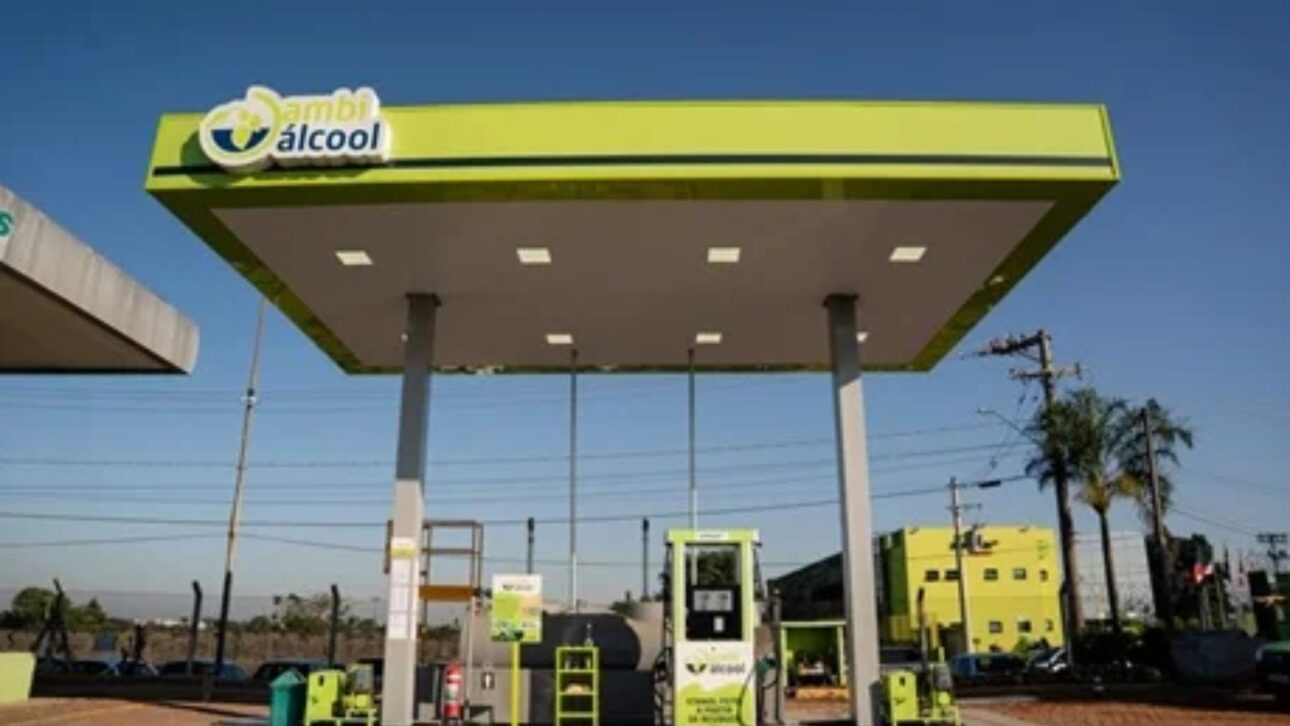
Production of Sustainable Ethanol
According to Gabriel Estevam, Ambiálcool is produced from food waste from rejected batches due to expiry dates, raw material issues, or not meeting industry standards.
The waste undergoes biological fermentation and distillation, resulting in hydrated ethanol with up to 95% purity.
For every 500 tons of waste, the average production is approximately 300 thousand liters of sustainable ethanol.
The company maintains partnerships with industries like Mondelēz and with plants responsible for processing the discarded material.
Practical Test with Recycled Ethanol
Autoesporte conducted the tests with a Citroën Basalt 1.0 manual, flex engine three-cylinder, using identical protocols to those adopted in conventional evaluations.
The vehicle traveled urban and highway routes and underwent instrumented measurements of acceleration and recovery, following standards from the National Institute of Metrology, Quality and Technology (Inmetro).
According to the site, the test was divided into two phases: first with gas station ethanol and then with Ambiálcool, ensuring complete tank cleaning between phases to avoid contamination.
The refueling followed Inmetro’s standard for fuel transportation.
Consumption and Performance of Sustainable Ethanol
In urban consumption, the Citroën Basalt achieved 9.3 km/l with sustainable ethanol and 10.1 km/l with traditional ethanol, values higher than the record by Inmetro for the model (8.4 km/l).
In highway cycle, consumption was 11.9 km/l with Ambiálcool and 12.5 km/l with cane ethanol, both above the official standard of 9.6 km/l.
As for performance, the results showed small differences.
The acceleration from 0 to 100 km/h was recorded at 15.7 seconds with sustainable ethanol and 15.2 seconds with traditional ethanol, a difference of 3.8%.
In tests of speed after 1,000 meters and recovery, the variation was less than 4% between fuels.
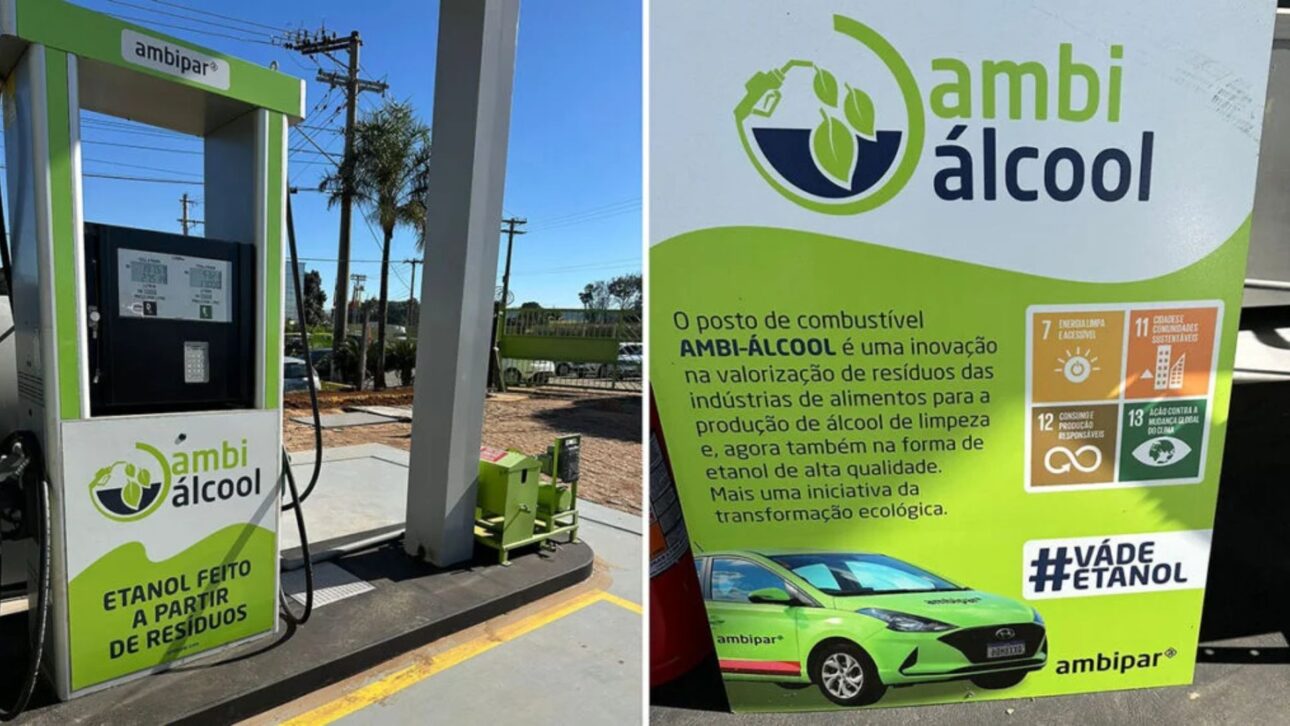
During the evaluation, pilot Alexandre Silvestre stated: “The car was practically the same. They don’t even seem like different fuels.”
Rogério Gonçalves from AEA analyzed: “The numbers prove that recycled ethanol works as well as gas station ethanol in a regular car. There is a technical tie between the fuels in terms of consumption and performance.”
Characteristics and Price of Recycled Ethanol
A difference in the odor of sustainable ethanol was observed, resembling hospital alcohol, attributed to the purity level and the composition of the waste used.
The commercial ethanol sold at gas stations, derived from cane, has an odor similar to that of cachaça.
According to Ambipar, the production cost of recycled ethanol is equivalent to the average price charged at gas stations in Brazil, currently at R$ 4.27 per liter, according to the National Agency of Petroleum, Natural Gas, and Biofuels (ANP).
The fuel is used experimentally in the company’s own fleet and is not available to the general public.
Do you believe that soon it will be common to refuel with fuel made from candies, chocolates, and other food waste in Brazil?





Seja o primeiro a reagir!