





 English
  Francês
  Alemão
  Italiano
  Japonês
  Norueguês
  Portuguese
  Spanish
  4 min of reading


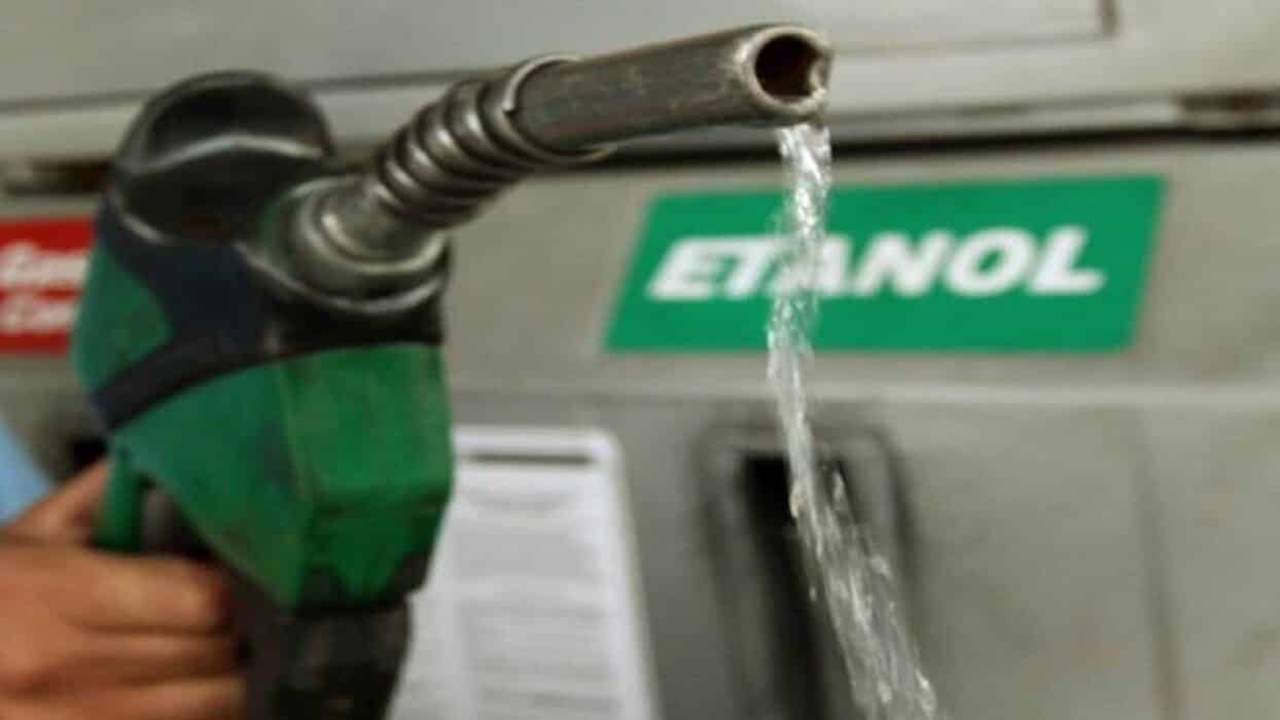
The Arrival of Electric Cars in Brazil May Threaten the Fuel Market, but Ethanol Is Far From Being Counted Out!
Gasoline, diesel, ethanol, and biodiesel have been put against the wall with electric cars entering the Brazilian market. Despite the pressure, according to Santander Brasil, ethanol is not being counted out, quite the contrary. But why?
Read Also
- Heineken and Itaipava Grow, and the Dispute with Ambev Will Heat Up Among the Giant Suppliers of Alcoholic Beverages
- Ethanol Plant in Bahia Will Require More Than 8,000 Job Openings in Construction, Maintenance, and Logistics
- Bosch, Nissan, and Volkswagen Bet on Technology That Extracts Hydrogen From Ethanol; The Fuel Is Set to Revolutionize the Automotive Industry Worldwide
- Raízen, the Global Ethanol Producer Licensed by the Shell Brand in Brazil, Is Open for Job Applications in the Technology Sector at Its Plant in São Paulo and Other Brazilian Regions
- After Bosch and Volkswagen, Nissan Invests in Ethanol Cell Technology for Powering Electric Car Engines and Partners with the Institute of Energetic and Nuclear Research Linked to USP to Develop Bioethanol in Brazil
According to a report obtained by Money Times, the consumption of biofuels is expected to remain solid, even with the penetration of electric vehicles (EVs) in the country.
The time factor explains much of the analysis conducted by Santander after discussions with the Energy team at Bain & Company regarding the outlook for ethanol and the potential impact of electric vehicles entering the Brazilian market.
-
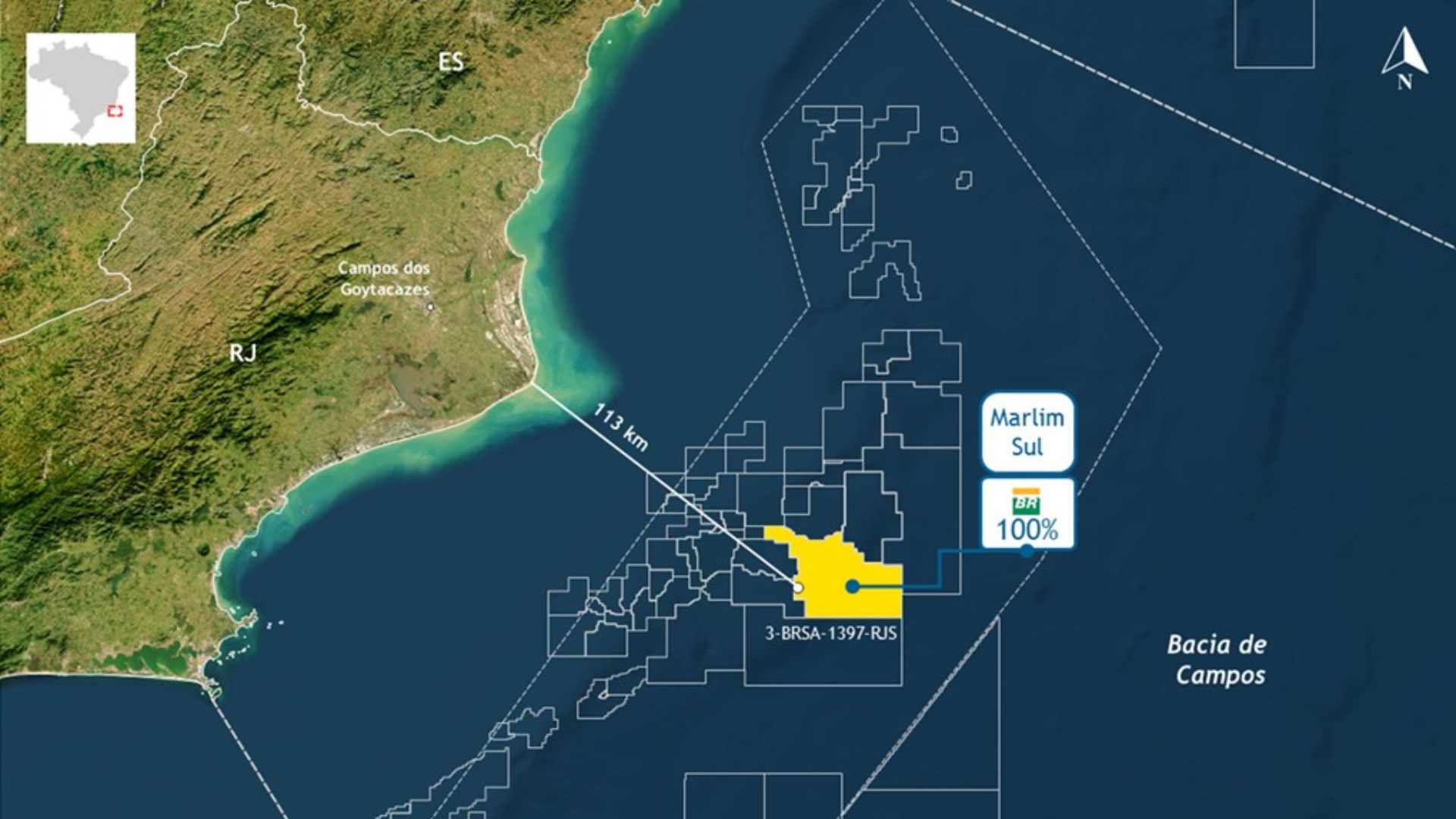
Brazilian giant expands borders in the Southeast: Petrobras confirms new oil discovery in ultra-deep waters in the pre-salt of the Campos Basin.

-
Alert in the global energy market: Severe tropical cyclone hits the coast and disrupts gas production at major plants in Australia, threatening global supply.

-
Petrobras finds high-quality oil in the pre-salt at 113 km from RJ and reignites expectations about strategic reserves in the Campos Basin.

-
Ocyan opens registrations for startups focused on innovation in the oil and gas sector and will select projects for Innovation Day with the support of Nexio.


“The number of electric cars is not expected to start growing significantly until 2030 and beyond, due to the high penetration of ethanol and potential limitations on Brazilian government subsidies for electric vehicles,” is the first reason identified by sector analysts Christian Audi and Rodrigo Almeida, who authored the report.
RenovaBio Should Continue to Encourage the Production of Biofuels
Furthermore, Santander explains that RenovaBio should continue to incentivize the production of biofuels — mainly through economic incentives for producers — keeping ethanol alive and competitive in the game.
Another important factor is that the demand for biofuels is also expected to continue rising globally due to aggressive blending targets; analysts cite, for example, India’s recent shift to launch E20 by 2023.
According to a study led by an influential executive in the sugar and ethanol sector, Brazil is poised to flood the global sugar market because the country’s transition to electric vehicles will reduce the demand for agricultural-based biofuels.
The demand for ethanol, which in some years accounts for over 50% of all sugarcane crushed in Brazil, may begin to decrease starting in 2025 and fall about 40% by 2035, according to the most pessimistic scenario outlined in the study.
Gasoline Prices Surge Again, Ethanol Sees Significant Increase at the Plant, GNV Hits Record R$ 5 at Fuel Stations and Consumers Have No Options Left
Research conducted between May 30 and June 5 by the National Agency of Petroleum, Natural Gas and Biofuels (ANP) shows that fuel prices have risen again in Brazil, and consumers have no options left. The price of common gasoline reached R$5.89, and the additive version went up to R$6.29. Meanwhile, ethano prices saw a significant increase at the plant, and the parity with gasoline surpassed 70%, not to mention GNV, the fuel widely used by ride-hailing and taxi drivers, exceeded R$ 5.00 per cubic meter, setting a record!
To give an idea, without freight, without ICMS, and without PIS/Cofins, the price per liter of hydrated ethanol closed the week at R$ 2.9983 at the plants and distilleries in São Paulo, a significant disparity of 4.17%.
The best-selling biofuel in Brazil has lost competitiveness, with parity against gasoline prices exceeding 70%, depending on the rate of markup from distributors to stations, alongside the 2.14% variation in the price increases in the bases of Paulínia during that week.
According to data collected by Cepea, during the five working days immediately preceding (24 to 28), the price of ethanol reached R$ 2.8783 at the plants.
The slower ethanol production season, with reduced sugarcane availability, and slightly higher sugar output compared to more favorable international prices dictate supply laws against firmer demand.
Moreover, the price of oil also contributed to the rise in ethanol prices. On June 4, the crude oil barrel in London closed above US$ 71.60, but the dollar, following a decline (R$ 5.04, down 0.95%, also on Friday) is giving Petrobras room to raise gasoline prices, increasing the parity between the fuels.
Gasoline, Ethanol, Diesel, and GNV Prices Keep Rising and the Newest Fuel, Biogas, Has Come to ‘Save’ Ride-Hailing Drivers, Taxi Drivers, and Workers
With each passing day, the prices of gasoline, ethanol, and diesel increase, and thus, Brazilians who work in passenger transport, such as taxi drivers and ride-hailing drivers, are shifting to biogas, as GNV is also starting to hit their wallets. Biogas can be used without issues in vehicles equipped with gas kits.
Petrobras has announced a new price hike for GNV, increasing it by 39% for distributors. According to a survey conducted by the National Agency of Petroleum, Natural Gas, and Biofuels (ANP), in the last week of May, the price of vehicular gas for final consumers already reached R$ 5.00 in some areas of the city of Rio de Janeiro. In light of this, although it is not a new solution, biogas has been gaining popularity for being more efficient and cheaper.








Seja o primeiro a reagir!