





 English
  Francês
  Alemão
  Italiano
  Japonês
  Norueguês
  Portuguese
  Spanish
 4 min of reading


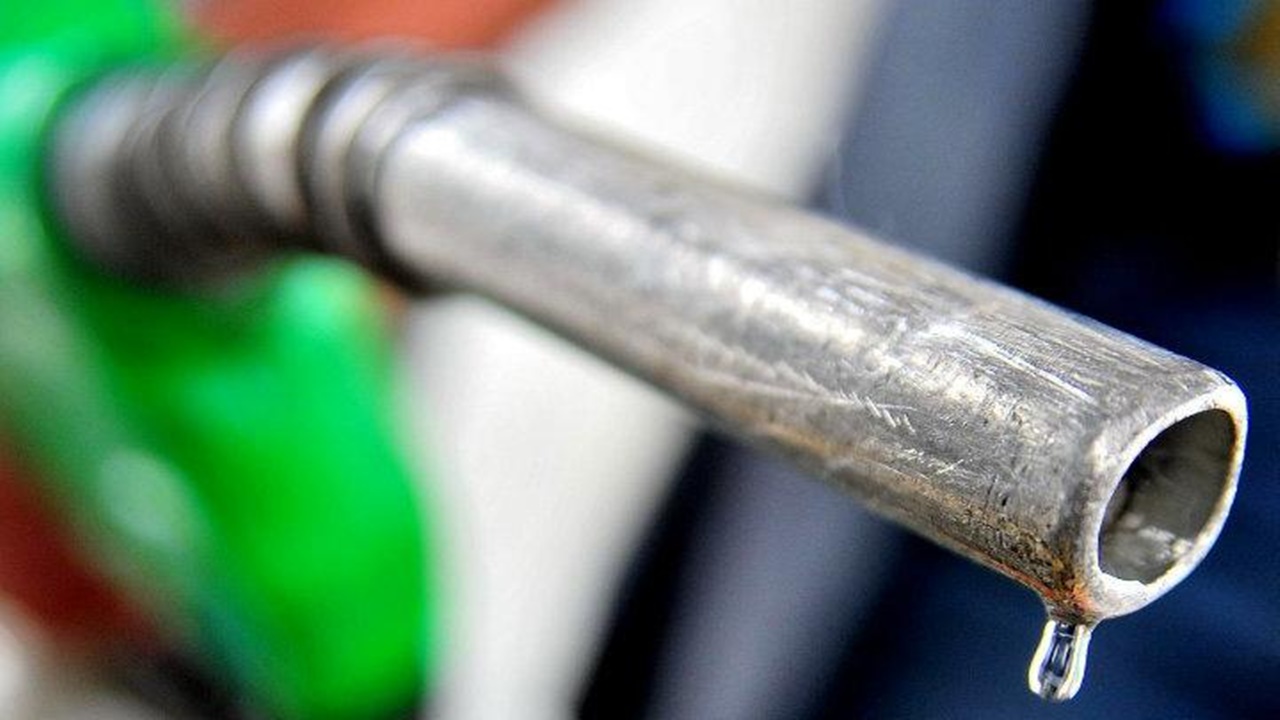
Federal University of Espírito Santo (Ufes) Obtains Patent for Process That Transforms Coconut Husk into Ethanol. The Discovery Could Revolutionize Renewable Energy Worldwide
“Innovative” and “highly sustainable” process in the field of biotechnology, created by the Federal University of Espírito Santo (Ufes), transforms coconut husk into ethanol and has the potential to revolutionize the renewable energy world! Ufes’s new and seventh patent was granted on April 29 by the National Institute of Industrial Property (Inpi).
Read Also
- Demand for Ethanol and Gasoline Plummets While Diesel Consumption Soars in Brazil
- 308 Job Openings to Work at Ambev, the Largest Brewery in the World, Today May 14
- Fertilizer Factory Fafen in Sergipe Reopens with Full Production, Creating 500 Jobs and Opening Over 1000 Positions
- Looking for a Job? Pepsico Calls for Candidates Without Experience in All Areas for Openings in Its Factories in SP, RJ, BA, and PE as Part of Its Internship Program
- Direct Sale of Ethanol from Plants Is Approved by CCJ and Promises to Stimulate Competition and Curb the Increase in Gasoline Prices at Fuel Stations
- Loyalty to Fuel Brands at Stations Will End, and Fuel Sales via Delivery Will Be Allowed; Measure Could Reduce Gasoline Prices by Up to 50 Cents per Liter!
The transformation of green coconut husk into ethanol was developed by the Applied Biotechnology Laboratory linked to the Graduate Program in Biotechnology at Ufes. The initiative involved PhD student Érica Albuquerque and professors Antônio Alberto Fernandes and Patrícia Fernandes.
According to Professor Fernandes, “The process uses cellulase enzymes under high hydrostatic pressure and moderate temperature for cellulase activity as part of the saccharification process for the production of cellulosic bioethanol. This method can be used in the biofuel industry, which utilizes enzymatic hydrolysis as part of the saccharification process for ethanol production.”
-
While Russia dominates the global wheat market, Brazil emerges as an unexpected competitor in the Cerrado, offering grain available in July and August when stocks in the Northern Hemisphere are at their lowest point of the year.

-
China returned almost 20 Brazilian ships with soybeans, but now everything could change: the country that buys 80% of the grain is considering relaxing regulations after impurities held up shipments of thousands of tons and caused million-dollar losses.

-
Chinese giant worth nearly R$ 4 billion that manufactures cables for electric cars, solar energy, and robotics wants to open a factory in SC.

-
Many employers do not know, but the law guarantees domestic workers a 25% increase in salary during trips, 50% for overtime, 20% for night shifts, and 17 additional benefits that can lead to labor lawsuits if not paid.


“The process is an economically viable alternative in the search for alternative sources of ethanol. Furthermore, it promotes the utilization and elimination of waste generated by agro-industrial activities,” indicates the university in a statement.
In an interview with Radio CBN Vitória, Professor Antônio Alberto highlighted that the patent utilizes a material that is very abundant on the beaches of Espírito Santo, which, according to him, can produce up to 500 tons of husk per month!


Hydrogen-Ethanol Mixture Promises to Revolutionize Efficiency and Reduce Fuel Consumption in Flex Engines
Another major Brazilian research project was recently approved! The approved project aims to improve the energy efficiency of flex engines, utilizing hydrogen enrichment techniques extracted through catalytic reforming within the vehicle. The technology combines ethanol and hydrogen to enhance engine performance and reduce pollutant emissions.
The partnership agreement signed between the FEI University Center and the Federal Government’s Priority Program Rota 2030 aims to stimulate technological development and increase the competitiveness of the national vehicle industry.
“The ethanol-hydrogen mixture has the advantage of being applied directly in the engine without significant structural modifications. In addition to meeting a demand from the Brazilian automotive industry, the project has the potential to mobilize various productive sectors, including the chemical, petrochemical, and materials sectors, fostering the development of national technologies, expanding the market, and exploring new industrial applications,” explains Professor Ricardo Belchior Torres, the program’s general coordinator and of the chemical engineering course at FEI.
The project will have an investment of R$ 3 million from the Research Development Foundation (Fundep), and about R$ 2.4 million as an economic counterpart from the private sector and participating S&TIs (Science and Technology Institutions).
Raízen, part of the Shell Group, Aims to Build Three Ethanol Plants Using Bagasse and Sugarcane Straw
Raízen, the global giant producer of ethanol with Shell, plans to build three more cellulosic ethanol plants — or second-generation plants. The good news was announced by businessman Rubens Ometto from Cosan on Monday (03/15)
The technology for producing cellulosic ethanol emerged from a partnership between Shell and Canadian company logen, specialized in biotechnology. In the last harvest (2019/20), the Piracicaba unit produced 226 liters of ethanol for each ton of dry biomass.








-

Uma pessoa reagiu a isso.