Portuguese
  Spanish


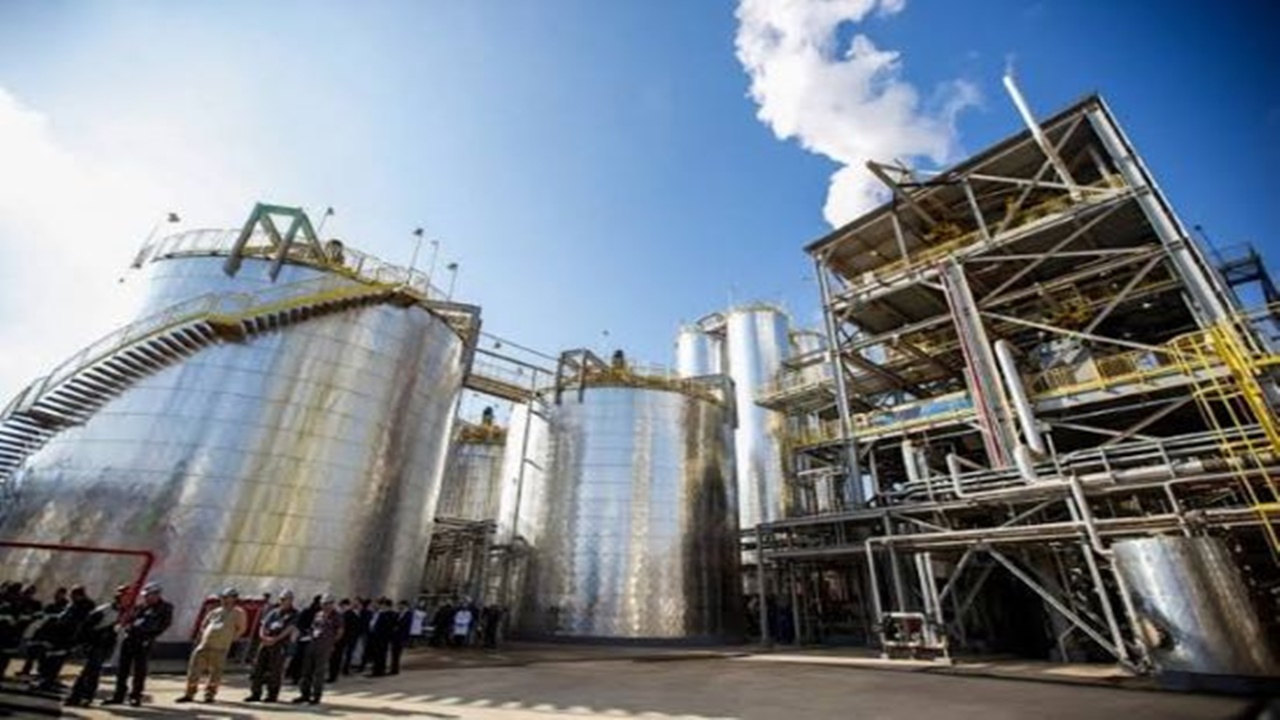

High Price of Ethanol and Gasoline and Social Isolation Cause Demand for Fuels to Plummet in Brazil, the Opposite of Diesel, Which Had Sustained Surge by Sectors Such as Agriculture and Transport
The crisis caused by the coronavirus, which generated mobility restrictions, along with the spike in fuel prices, led to a sharp decline in demand for ethanol and gasoline in Brazil in March. Meanwhile, diesel, despite experiencing increases even with the PIS and Cofins taxes frozen by the Government, had a completely opposite behavior due to sustained demand from sectors such as agriculture and transport.
Read Also
- Ethanol Price Soars at Pumps as Consumption Grows and Mills Extracting More Sugar; Who Foots the Bill is the Consumer
- Hydrogen-Ethanol Blend Promises to Revolutionize Efficiency and Reduce Fuel Consumption in Flexible-Fuel Engines
- Ethanol Price Evaporates at Mills and Exporting the Biofuel to the U.S., the World’s Largest Ethanol Consumer, Becomes a Very Advantageous ‘Salvation’
- In Addition to the High Prices of Ethanol and Gasoline, Distributors Confirm a 39% Increase in Petrobras’ CNG, and the Adjustment Will Further Impact Brazilian Consumers’ Pockets Starting Saturday (01/05)
The information above comes from the Latin America Oil Report by S&P Global Platts Analytics. According to the survey, the average consumption of hydrated ethanol was 325 thousand barrels per day in March, which represents a decrease of 55 thousand barrels compared to February.
Demand for Diesel Soars and Other Fuels Plummet
Meanwhile, the consumption of gasoline C, which uses 27% ethanol in its composition, fell from 620 thousand barrels per day in February to 570 thousand barrels per day in March.
-
As Brazil Expands Social Welfare, Survey Reveals 40% Blame Poverty on Laziness, While 58% Cite Lack of Opportunities

-
Brazilian Farmer Invents Low-Cost Tractor Using Motorcycle Parts, Efficiently Working 2 Acres on 1 Liter of Diesel

-
China Tightens Control on Antimony, Driving Prices from $22,000 to Nearly $40,000 per Ton as U.S. Rushes to Bolster Strategic Reserves

-
BlackRock Freezes $1 Billion in Brazilian Renewable Energy, Impacting 1.5 GW of Planned Projects and Highlighting Investor Concerns Over Infrastructure Bottlenecks Cutting Up to 25% of Solar and Wind Generation


“The recovery of demand in the short term will continue to be strongly influenced by the Covid infection rate in the country, which has recently improved but remains very high. As a result, we have moderated our demand projections for the rest of the year,” says Lenny Rodriguez, head of products and oil analysis for Latin America at S&P Global Platts.
According to Rodriguez, the second quarter of 2021 will still be lower than that of 2019, the year before the pandemic. The projection indicates that total demand for gasoline and ethanol is 845 thousand barrels per day, 75 thousand barrels per day less than in the second quarter of 2019.
Diesel demand exhibited an opposite behavior to that of gasoline and ethanol, reaching 1.13 million barrels per day just in March, a significant increase of 125 thousand barrels per day compared to the previous month.
The report states that the main contributors to high diesel demand were the agriculture sectors, with the sugarcane harvest well underway, as well as transport, which involves the distribution of food, consumer goods, and medicines, primarily carried out by trucks.
Ethanol Reaches Almost 5 Reais at Pumps and Fueling with Gasoline Becomes More Advantageous in Some Brazilian Regions
The price of ethanol continues to soar at gas stations due to a shortage of sugar and an increase in anhydrous alcohol, and who “pays the bill” are the Brazilians.
After a year of pandemic, consumers face a very different reality regarding the price of ethanol at gas stations. The biofuel cost as low as R$ 1.99 per liter in March last year, but currently, the reality is quite different, with ethanol prices reaching nearly R$ 5.00 at some gas stations.
According to information from the Sugarcane Industry Union (UNICA), the price of ethanol may continue to rise and is expected to stabilize after the first half of June.
With the price of ethanol skyrocketing at gas stations, fueling with gasoline in the capital and the state of São Paulo is already more cost-effective for drivers.
Gasoline Price May Soar and Ethanol May Run Out Due to the Shortage of Anhydrous Alcohol; Supply Shortage Will Further Impact Brazilian Consumers’ Pockets
The exemption of PIS and Cofins taxes for fuels ended last week, and business owners in the sector were not pleased. At the time, the measure was created to curb the spikes in gasoline and diesel prices imposed by Petrobras. Now, a new concern arises for business owners: the shortage of anhydrous alcohol. The lack of the raw material may drive up fuel prices and cause ethanol shortages at gas stations, and in the end, it will affect the wallets of Brazilians.
According to André Marra, a gas station owner in SP, the increase in prices will impact consumers, as gas stations cannot absorb the rises alone and therefore need to pass on the cost.