





 Portuguese
  English
  Spanish
 4 min of reading
  0 comments


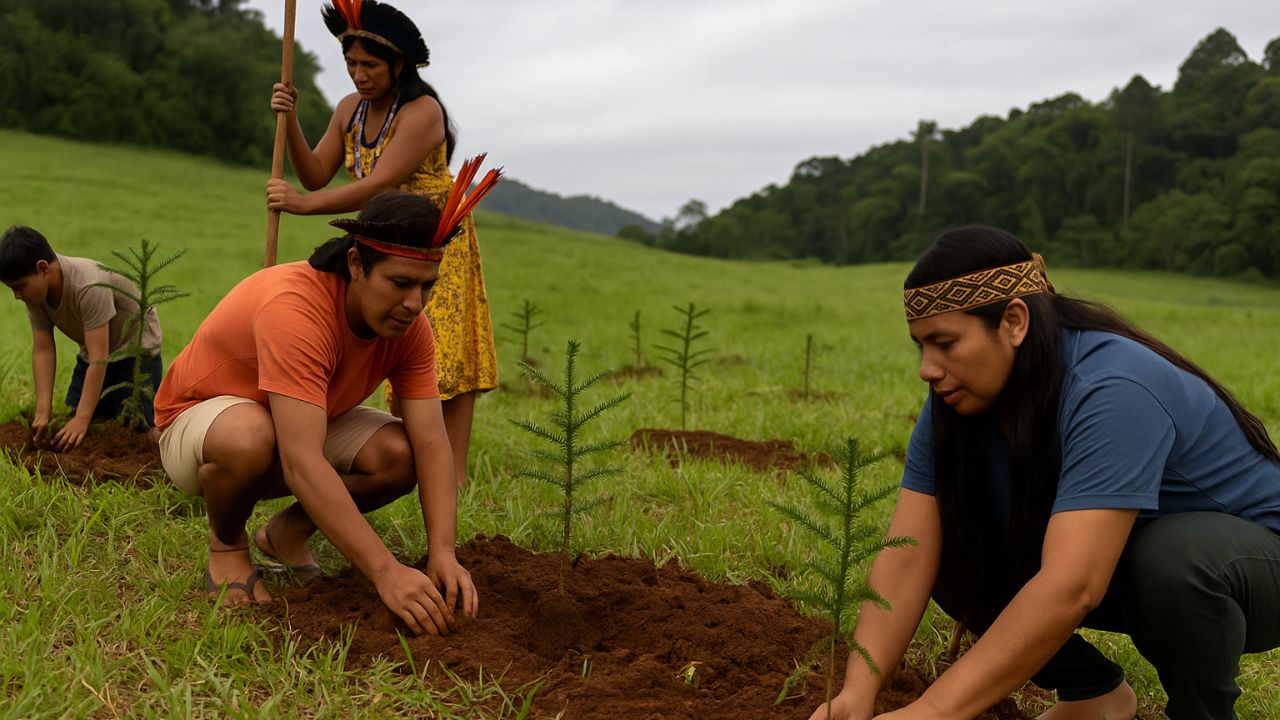
Zág Institute, Created by the Laklãnõ/Xokleng Indigenous People, Has Already Planted 130,000 Araucárias in SC and Aims to Reach One Million.
Amidst the mountains of the Itajaí Valley in Santa Catarina, the Indigenous people Laklãnõ/Xokleng are leading one of the most inspiring environmental actions in the country. Since 2016, they have already planted around 130,000 saplings of araucária, a symbol tree of the Atlantic Forest that is critically endangered.
The initiative, led by the Zág Institute, combines ancestral knowledge, science, and women’s leadership in the fight to restore the forest and combat climate change.
The movement was born from a collective dream: to return the sacred trees that nearly disappeared during the advance of deforestation and colonization to the Indigenous Land of Ibirama-Laklãnõ.
-
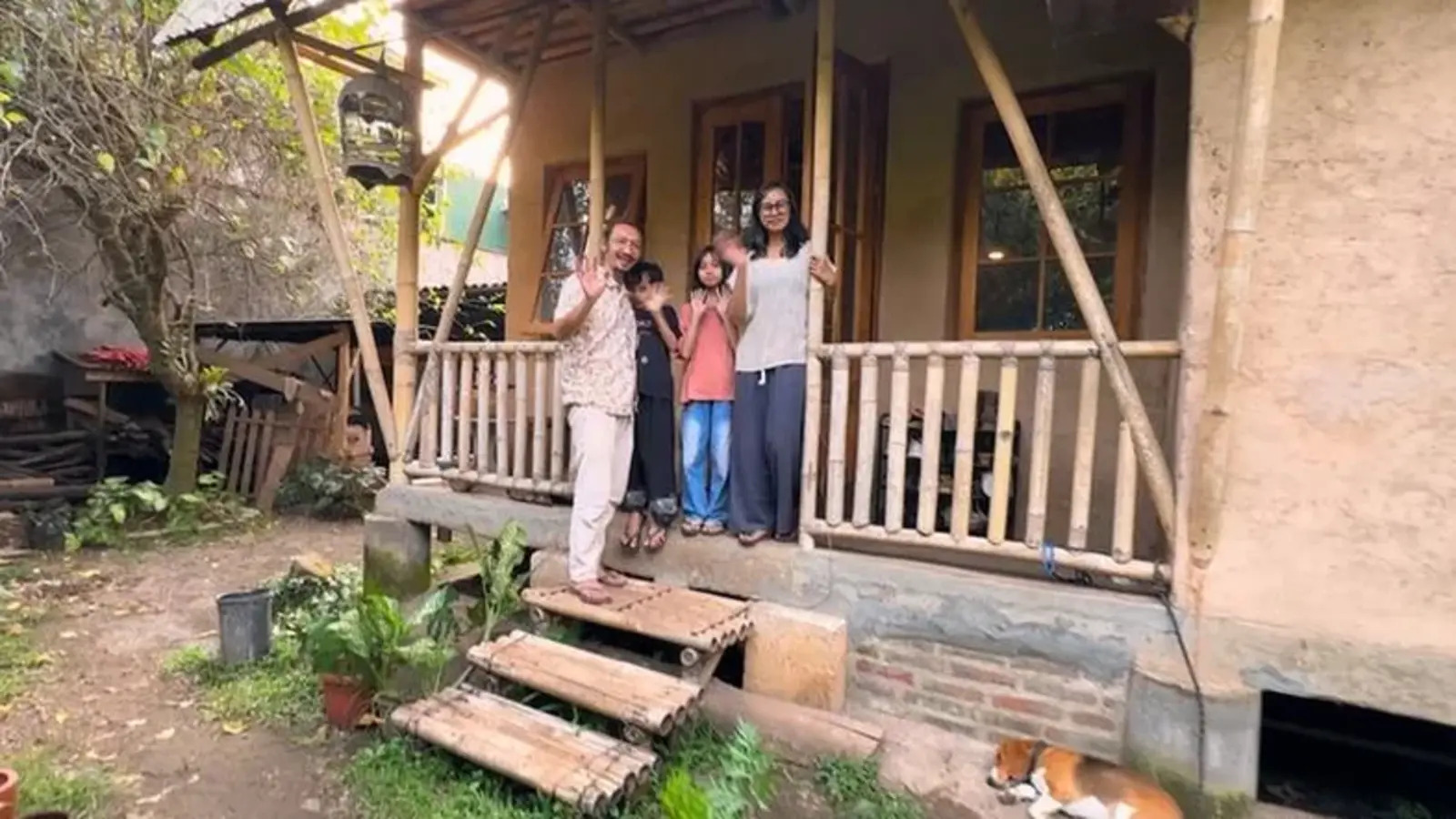
With earth, bamboo, straw, and lime mortar, a specialist builds a house for just over $460 and draws attention for its cost being much lower than traditional construction.
-
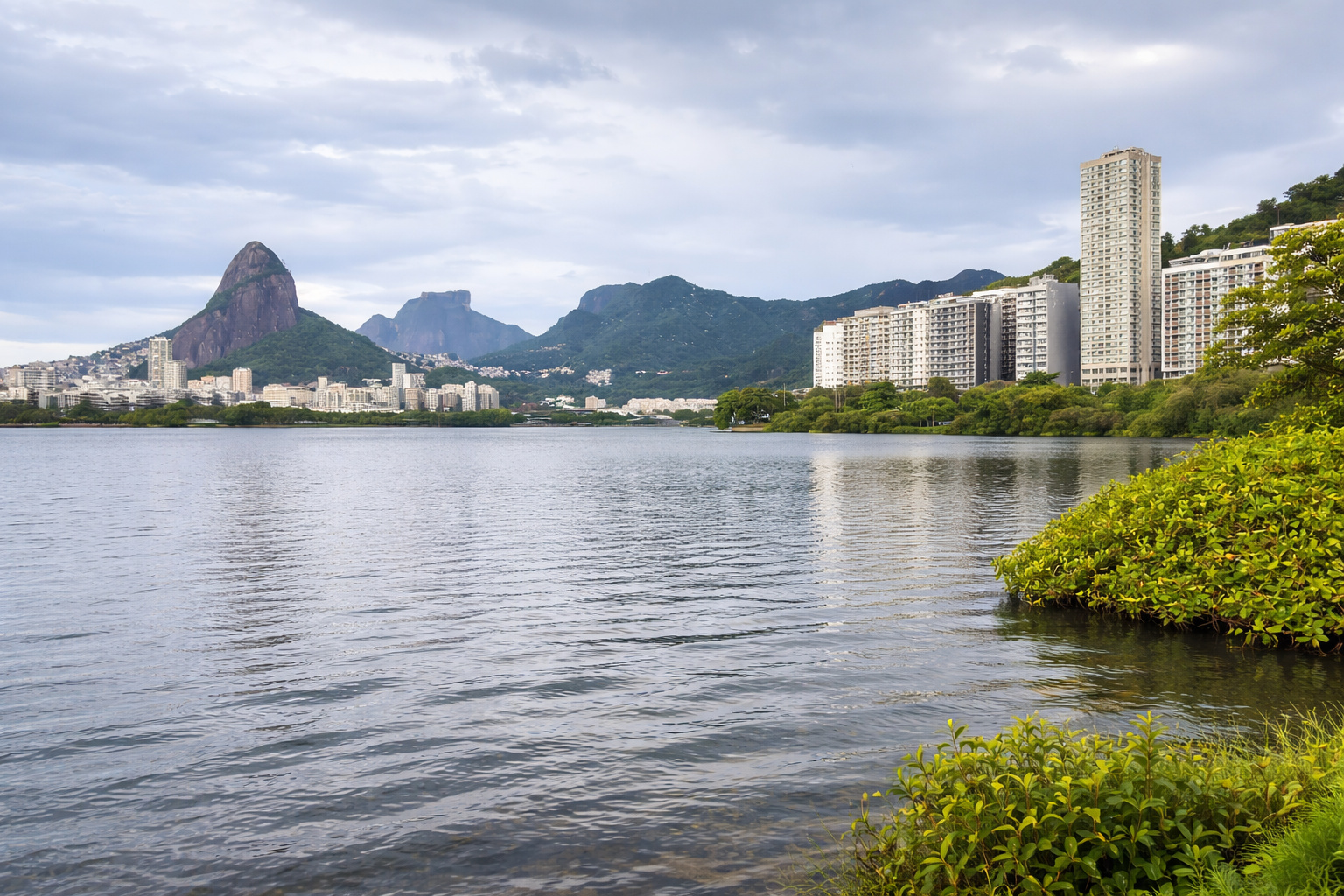
Rodrigo de Freitas Lagoon advances in environmental recovery with sanitation, elimination of irregular sewage, and the resumption of water sports in Rio de Janeiro.
-
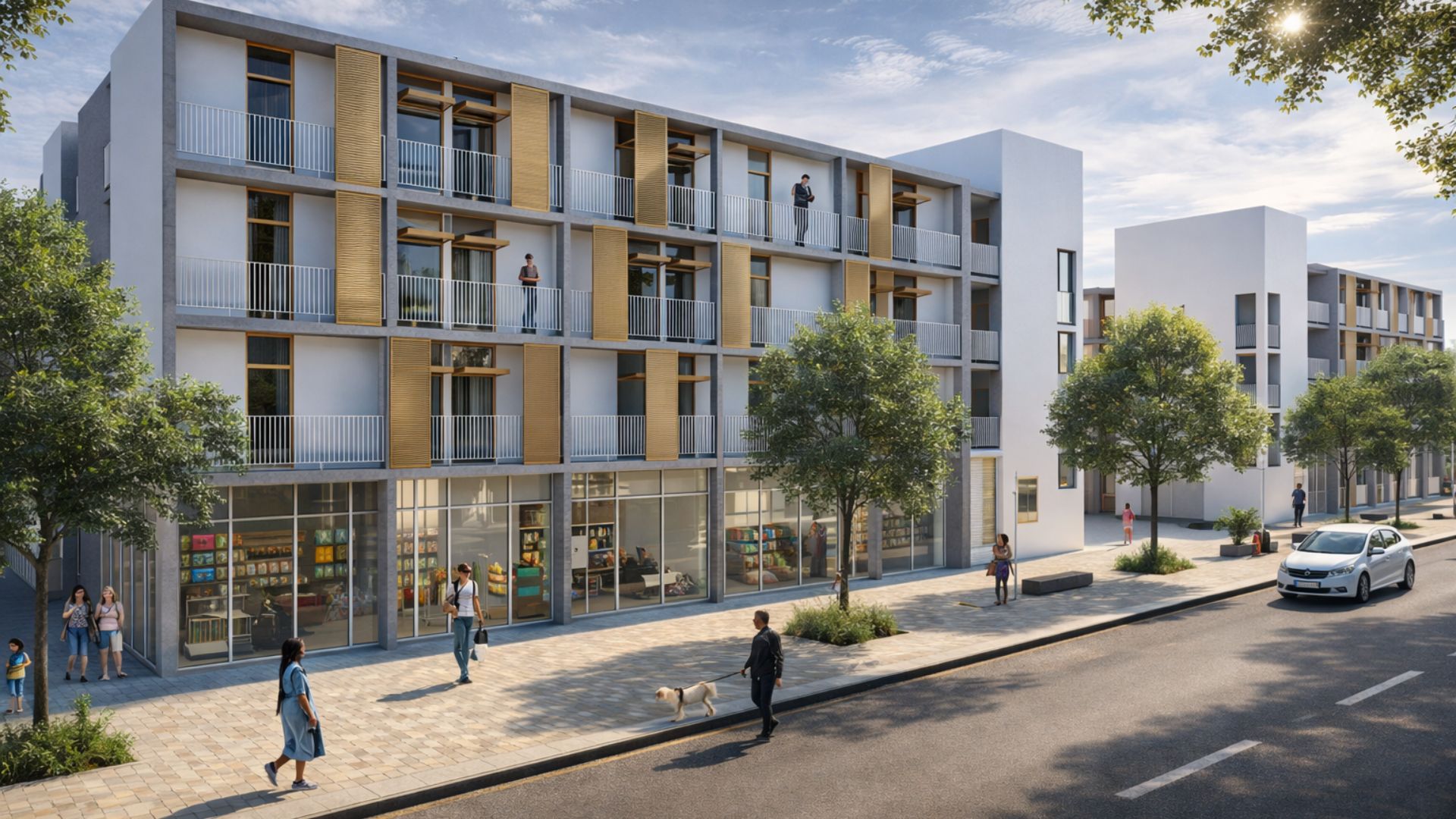
Sustainable housing gains strength with a nationally awarded project in Campo Grande, highlighting innovative solutions that combine sustainability, urban integration, and efficiency in the use of natural resources.
-
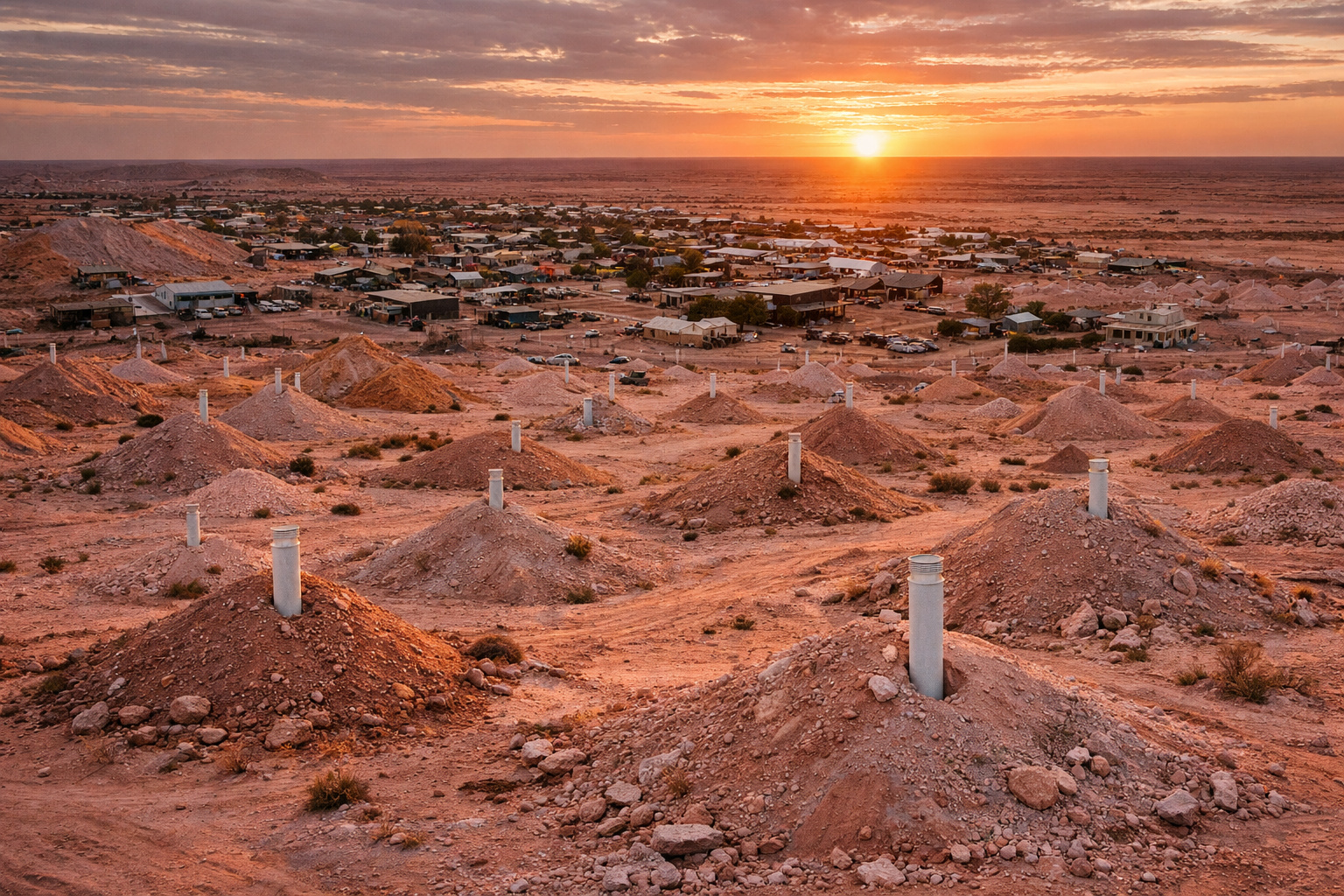
City Where Residents Live Underground to Escape 52°C May Be a Picture of the Future on an Increasingly Hot Planet

“No one knows better than us, the Indigenous peoples, how to bring this forest back,” summarizes Isabel Gakran, co-founder and environmental director of the Institute.
The Female Force at the Heart of the Forest
Isabel Gakran, from the Munduruku people, grew up hearing stories about nature and only learned about the araucária from books. Years later, she married Carl Nduzi Gakran, from the Laklãnõ/Xokleng people, and began living in the Indigenous Land of Ibirama-Laklãnõ.
There, she saw the imposing Paraná pine for the first time, called Zág by her people, regarded as a feminine and spiritual being of the forest.
In addition to its symbolic value, the araucária is vital for ecological balance, providing pinhão, an essential food for local animals and communities.
The rediscovery of this connection motivated the couple to take action. In 2016, they gathered friends, planted the first seedlings, and founded the Zág Institute, named after their daughter, Zágtxo, who is now three years old.
Reforesting as Resistance and Ancestral Legacy
The project of the Zág Institute recovers an ancient practice. Recent research indicates that the Jê peoples of the South, ancestors of the Laklãnõ/Xokleng and Kaingang, were responsible for naturally expanding the araucária forest about a thousand years ago.
According to archaeologist Rafael Corteletti from the Federal University of Pelotas (UFPel), “human experience can be positive, and we can try to mitigate the impacts of climate change with actions like these.”
With the advance of European colonization in the 19th century and intense logging, less than 3% of the original araucárias remained.
During the Military Dictatorship, deforestation in Indigenous Land worsened, leaving the forest nearly treeless.
“The pinhão became consumed only by the elders,” recalls Carl Nduzi. In 2009, after conflicts with farmers, the Laklãnõ/Xokleng people reclaimed part of their traditional territory and began a new phase of resistance.
Climate Justice and the Role of Indigenous Women
With support from international institutions, the Zág Institute overcame logistical and financial challenges. They secured funding from the Mohamed Bin Zayed Species Conservation Fund, produced their own seedlings, and gained global recognition.
In 2023, they won the Equator Prize from the United Nations Development Programme (UNDP), bringing their cause to the COP28 in Dubai. On that occasion, Isabel delivered an emotional speech:
“We have already planted thousands of Zág. But we are not just protecting the future. We are acting in the now, on behalf of Indigenous lives, the forest, and biodiversity. I am the araucária calling for help.”
The group’s work was also recognized at COP29 in Baku, Azerbaijan, with the Gender and Climate Justice Solutions Prize (GJCS) for promoting the role of Indigenous women in restoring biodiversity and keeping Laklãnõ/Xokleng ancestral knowledge alive.
“I believe that we cannot talk about climate justice without ensuring the presence and voices of Indigenous women in all decision-making spaces,” said Isabel.
Out of COP30, But Steadfast in Planting Hope
Despite international recognition, the Zág Institute was excluded from the COP30, which will be held in Brazil.
The request to participate in the event was not approved by the National Foundation of Indigenous Peoples (Funai).
“It’s as if they are silencing the araucária,” laments Isabel. Nevertheless, the group remains determined to continue reforestation and expand the project to other areas of the Atlantic Forest.
Carl Nduzi summarizes the spirit of the initiative:
“I envision a future with healthier harvests, my people better nourished, and everyone breathing cleaner air. I dream of preventing the extinction of the araucária.”
The Forest Revives with Ancestral Knowledge
The actions of the Laklãnõ/Xokleng Indigenous people represent more than an environmental effort. It is a gesture of healing and reconnection between peoples and nature.
By planting each araucária seedling, they rewrite a story of resistance, spirituality, and hope—proving that the forest can still be reborn from the hands that have always known how to care for it.










Seja o primeiro a reagir!