





 Portuguese
  English
  Spanish
  3 min of reading
  0 comments


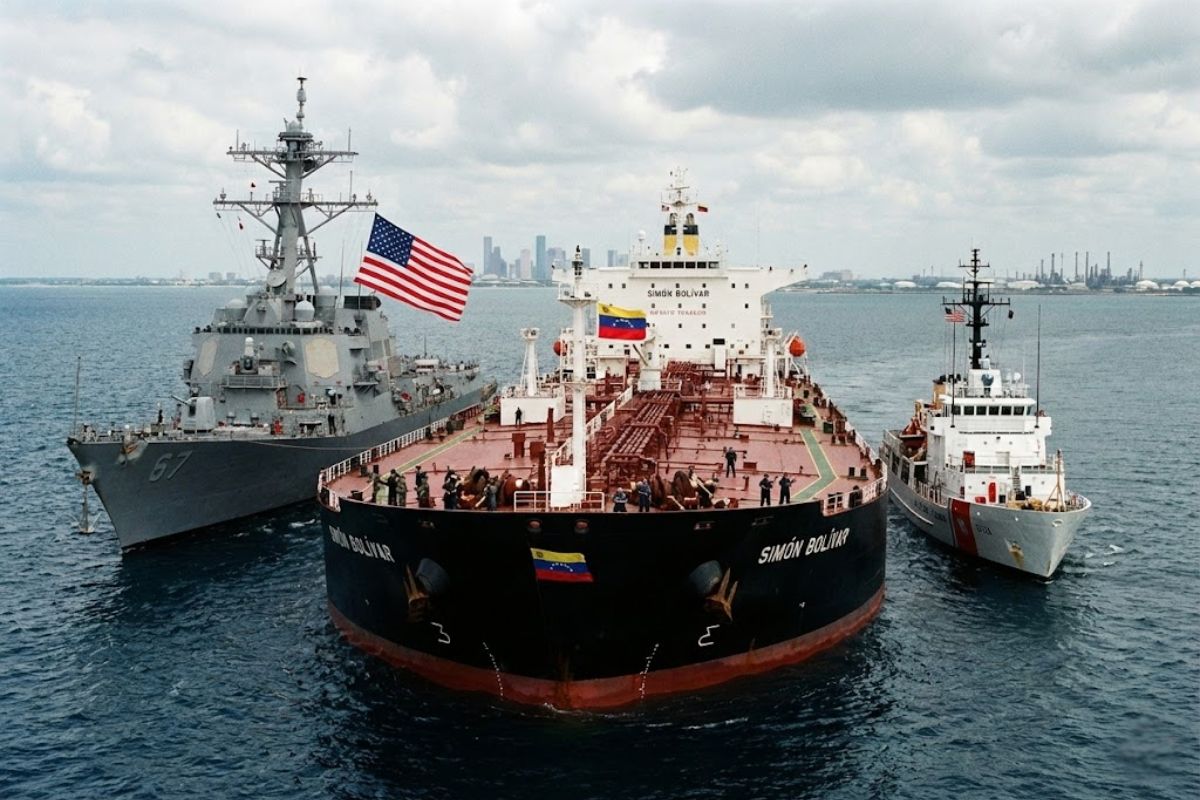
Intercepted Near Venezuela by Court Order, the Venezuelan Super Tanker Was Carrying About 1.85 Million Barrels of Heavy Crude Oil and Was Diverted to Houston, According to Images and Sources. The Coast Guard Did Not Comment; PDVSA Did Not Respond; Maduro Called the Action Criminal Naval Piracy in a Televised Statement.
On Friday, December 12, 2025, at 4:15 PM, sources cited by Reuters reported that the Venezuelan super tanker Skipper, seized by the United States near Venezuela this week, was heading to Houston after being intercepted and detained.
On Thursday, December 11, 2025, people familiar with the matter said that the United States was preparing to intercept more vessels carrying Venezuelan oil, increasing pressure on Caracas; Maduro reacted publicly, while PDVSA and the Coast Guard remained silent about operational details.
Seizure of the Skipper and Movement to Houston

The Venezuelan super tanker Skipper was intercepted near Venezuela and detained in compliance with a seizure warrant, according to US Attorney General Pam Bondi.
-
The rise in oil prices could ensure an extra revenue of R$ 100 billion for the Federal Government, indicates a recent economic study.

-
Naturgy begins an investment of R$ 1.6 million to expand the gas network in Niterói and benefit thousands of new residences and businesses.

-
A major turn in the Justice system suspends tax increases and directly impacts oil and gas companies in Brazil by affecting costs, contracts, and financial planning, leaving uncertain what could happen to the sector if these costs had increased.

-
Brava Energia begins drilling in Papa-Terra and Atlanta and could change the game by reducing costs in oil while increasing production and strengthening competitiveness in the offshore market.
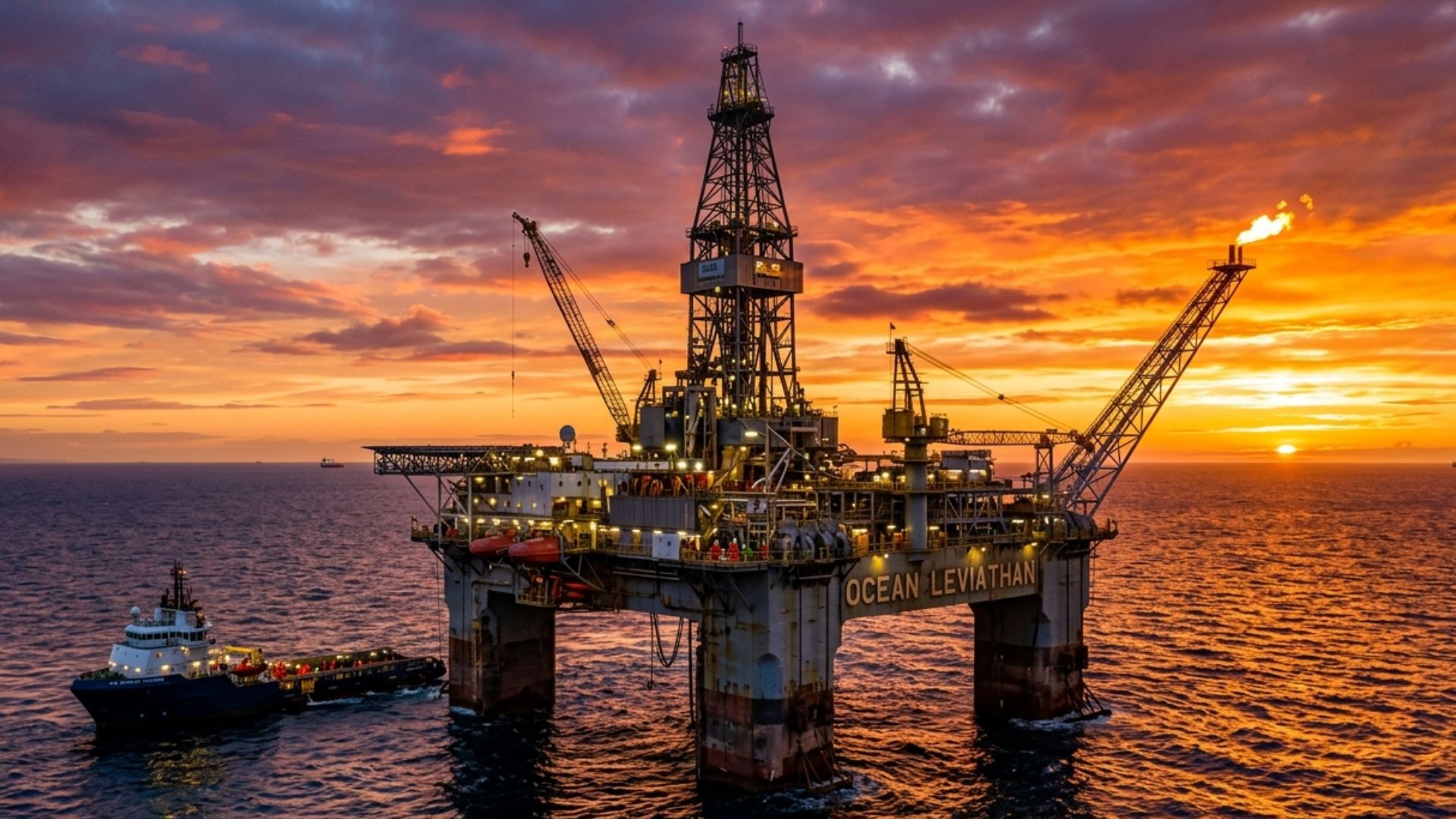

After detention, the ship proceeded to Houston, according to sources mentioned in the report.
The operation takes place in a context of increased pressure from the United States on the Venezuelan government.
The seizure of the ship, under sanctions, heightened tensions between Washington and Caracas, according to the same information source.
Cargo, Satellite Images, and Port Restrictions
According to satellite images analyzed by TankerTrackers.com, the Venezuelan super tanker was carrying about 1.85 million barrels of heavy crude oil sold by PDVSA.
Sources said that the volume and size of the Skipper create a logistical limitation: the ship is too large to enter the port of Houston.
The anticipated solution is to anchor nearby and transfer the cargo to smaller vessels, a common procedure in transshipment operations.
The expectation, according to sources, is that offloading will take place in the coastal area near Houston, without immediate public detailing from the Coast Guard.
Silence of Authorities and PDVSA
The Houston-Galveston sector of the Coast Guard and the Port of Houston did not immediately respond to requests for comment, according to the source.
PDVSA, the Venezuelan state oil company and seller of the cargo, also did not respond.
The lack of positioning from the Coast Guard and PDVSA leaves essential points without public confirmation, such as the chain of custody, the offloading schedule, and the commercial destination of the oil after the Skipper’s arrival in Houston.
Flag of Guyana and Maduro’s Accusations
The maritime authority of Guyana stated that the vessel was falsely flying the country’s flag. This element adds a regulatory dimension to the case, alongside the mentioned sanctions and warrant.
In a televised statement, Maduro classified the action as criminal naval piracy and claimed that it was a private civil merchant ship.
Maduro also accused the United States of promoting a military attack, kidnapping, and theft, using a comparison to Pirates of the Caribbean.
Immediate Impact and Possibility of Further Interceptions
Sources stated that the United States was preparing to intercept more ships carrying Venezuelan oil.
If confirmed, the move could increase operational risk for export routes and for sales operations associated with PDVSA.
In the short term, the reference to Houston as the destination for the Venezuelan super tanker focuses attention on two points: the execution of the seizure warrant and the transshipment capability in the region, under the watch of local authorities and the Coast Guard.
As you follow the evolution of the case, observe the upcoming updates from authorities, the Port of Houston, and formal positions from PDVSA and Maduro regarding the Venezuelan super tanker.
Do you think the seizure of the Venezuelan super tanker will reduce or merely shift the flow of Venezuelan oil to other destinations?







-

-

3 pessoas reagiram a isso.