





 Portuguese
  English
  Spanish
  3 min of reading
  0 comments


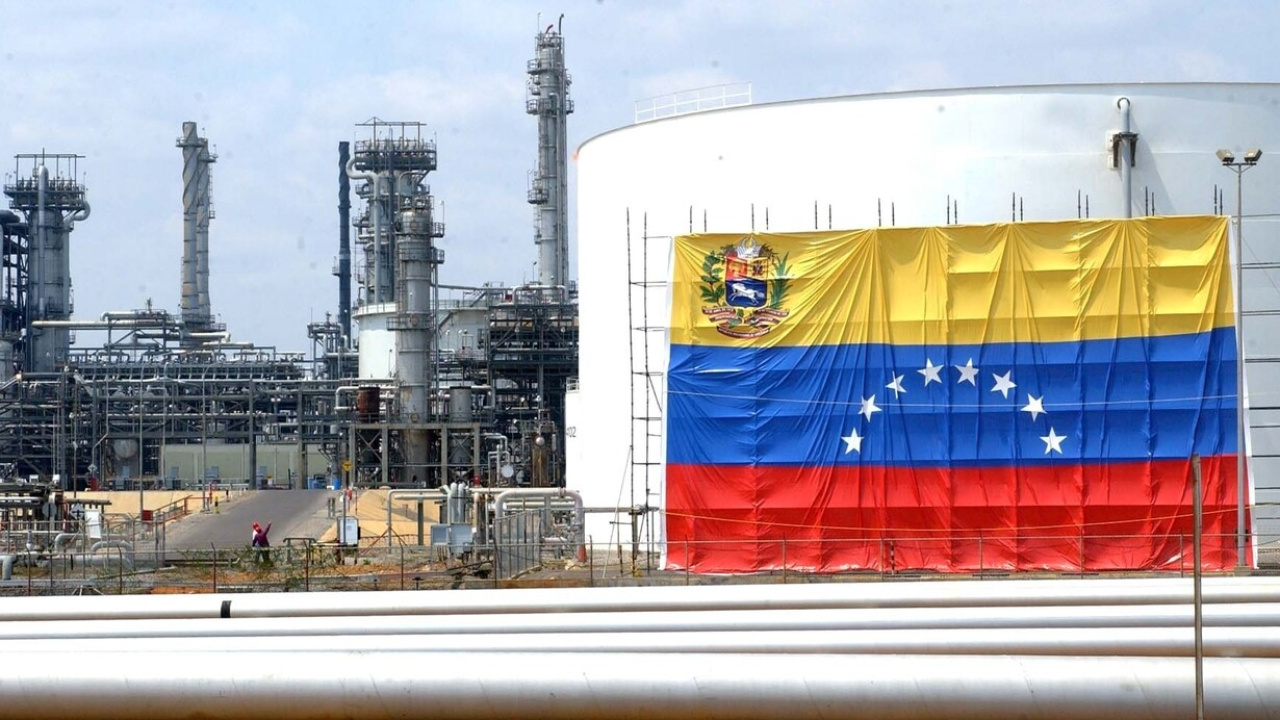
US Concludes First Sale Of Venezuelan Oil Valued At US$ 500 Million, Signaling New Transactions As Industry Executives Express Skepticism About Investments In The Country.
The United States has completed its first sale of Venezuelan oil, valued at US$ 500 million, as confirmed by a government official. The transaction represents a significant milestone in the American strategy to exploit the vast oil reserves of the South American country, which is facing a deep economic and institutional crisis.
Moreover, officials indicated that new oil sales are expected in the coming days and weeks. This signal reinforces the American government’s intention to maintain a continuous flow of Venezuelan oil trading, expanding the presence of the US in managing the country’s energy resources.
Trump Administration Bets On Oil As A Driver For Reconstructing The Energy Sector
Since the United States launched an attack on Venezuela and captured Nicolás Maduro earlier this month, President Donald Trump made it clear that he intends to use oil as the primary tool to rebuild the Venezuelan energy sector. On Friday (9), Trump stated that the oil industry could invest at least US$ 100 billion to reconstruct the country’s infrastructure, which has been severely affected after years of crisis.
-
Lula reveals a masterstroke by Petrobras to undo a deal made by Bolsonaro, which involves the return of an important refinery that currently produces less than half of what was expected and makes Brazil dependent on international diesel.
-
A study confirms that the natural gas sector will reduce greenhouse gas emissions in Brazil by 0.5% and accelerate the energy transition by 2026.

-
Petrobras implements a severe adjustment and confirms a 55% increase in the price of aviation kerosene with a proposal for installment payments for the companies.

-
The rise in oil prices could ensure an extra revenue of R$ 100 billion for the Federal Government, indicates a recent economic study.



However, the government itself did not detail the origin of this number, which raised questions among analysts and industry executives. Still, the White House asserts that there is interest from companies in participating in the recovery process of Venezuelan oil.
Industry Executives Express Skepticism About Investments In Venezuela
Despite the government’s optimistic rhetoric, plans to capitalize on Venezuelan oil have been met with caution by leaders in the American energy sector. During a meeting at the White House on Friday (9), executives expressed concerns about the risks of investing in a country marked by political instability, legal insecurity, and operational challenges.
“It’s unfeasible to invest,” stated ExxonMobil CEO Darren Woods, commenting on the obstacles to doing business in Venezuela. “There are a number of legal and commercial structures that would need to be established for us to even understand what kind of return we would get from the investment.”

Other executives present at the meeting shared similar concerns. As a result, after hours of discussions, Trump and his top advisors left the meeting without any significant commitment from companies for billion-dollar investments.
White House Highlights Dialogue With Companies Interested In Venezuelan Oil
Even in the face of skepticism, the American government seeks to reinforce the narrative of progress in negotiations. In a statement released on Wednesday (14), White House spokesperson Taylor Rogers stated that “President Trump’s team is facilitating positive and ongoing discussions with oil companies that are ready and willing to make unprecedented investments to restore Venezuela’s oil infrastructure.”
The statement indicates that, although commitments have not yet been formalized, dialogue remains active and is part of a medium-term strategy to reactivate oil production in the country.
Venezuelan Oil Is Offered At A Discount In The International Market
Another notable point was the way Venezuelan oil is being marketed. On Wednesday (14), Reuters reported that Venezuelan crude oil was being offered at a discount to traders compared to oil from other countries, such as Canada.
This practice can be interpreted as an attempt to make the product more competitive in the international market and to accelerate sales, especially at a time when the US seeks to consolidate its strategy for exploring and marketing Venezuelan oil.
As new transactions are anticipated, Venezuelan oil remains at the center of global attention, surrounded by economic expectations, political interests, and doubts about the viability of long-term investments in the country.







Seja o primeiro a reagir!